
Business
The Eco Conscious Carry: Making a Great Impression with Custom Paper Bags

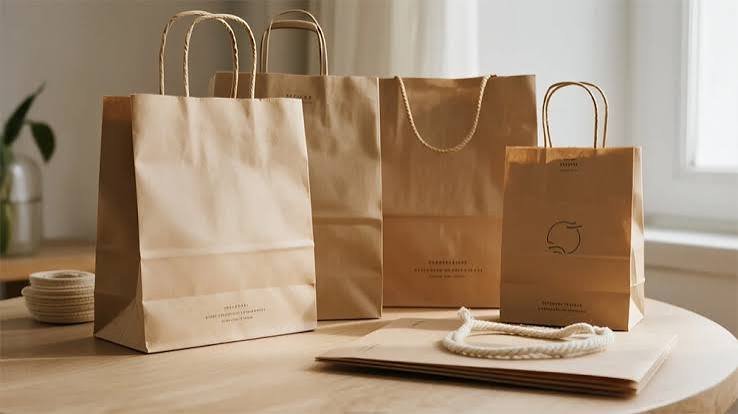
Table of Contents
1. The Evolution of the Retail Experience
2. Environmental Responsibility as a Brand Pillar
3. The Psychology of the Premium Unboxing Experience
4. Design Elements that Elevate Custom Paper Bags
5. Material Science and Sustainability Standards
6. Strategic Branding and Marketing Reach
7. Operational Benefits and Cost Effectiveness
8. Navigating the Transition to Sustainable Packaging
9. Future Trends in Eco Friendly Branding
The Evolution of the Retail Experience
The landscape of modern retail has shifted fundamentally over the last decade. It is no longer enough to simply offer a quality product at a competitive price. Today, the consumer journey extends far beyond the point of sale, encompassing every touchpoint from the initial digital interaction to the physical moment a customer carries their purchase out of a store. In this context, the humble carrier bag has been reimagined. What was once a mere utility has become a powerful statement of brand identity and corporate values.
Modern shoppers are increasingly discerning. They view the packaging they carry as an extension of their own personal brand and ethical stance. When a customer walks down a busy high street holding a high quality, well designed paper bag, they are acting as a mobile billboard for your business. This physical manifestation of your brand provides a tactile connection that digital marketing simply cannot replicate. The shift toward paper reflects a broader societal move away from single use plastics, positioning businesses that embrace this change as forward thinking and responsible.
Environmental Responsibility as a Brand Pillar
Sustainability is no longer a niche concern or a marketing buzzword. It is a core requirement for businesses looking to build long term loyalty with Gen Z and Millennial demographics. These consumers are actively seeking out brands that align with their environmental values. By choosing custom paper bags, a business demonstrates a commitment to reducing plastic waste and supporting renewable resources. This decision resonates deeply with a public that is increasingly aware of the ecological impact of their shopping habits.
When businesses partner with Totally Branded to source their packaging, they are making a conscious choice to prioritize the planet without sacrificing style. The transition to paper packaging allows a company to tell a story of renewal. Paper is biodegradable, recyclable, and often made from post consumer waste or sustainably managed forests. This narrative of circularity is a powerful tool in a brand’s arsenal, helping to build a reputation for integrity and mindfulness that can set a business apart in a crowded marketplace.
The Impact of Plastic Bans and Legislation
Global legislation is rapidly moving against single use plastics. Many regions have already implemented strict bans or heavy taxes on plastic bags, forcing retailers to find alternatives. However, the most successful brands are not waiting for legal mandates to change their behavior. By proactively adopting custom paper bags, businesses stay ahead of the regulatory curve and avoid the negative PR associated with being a laggard in environmental protection. This proactive stance suggests a brand that is a leader rather than a follower.
The Psychology of the Premium Unboxing Experience
The moment of purchase is an emotional peak for the consumer. The physical weight, texture, and visual appeal of the packaging contribute significantly to the perceived value of the item inside. A flimsy plastic bag can cheapen an expensive purchase, whereas a sturdy, custom printed paper bag reinforces the idea that the product is a premium investment. This psychological phenomenon is known as the halo effect, where the positive perception of the packaging spills over onto the product itself.
1. Texture and Haptic Feedback: The feel of high quality kraft or coated paper conveys a sense of craftsmanship and durability.
2. Visual Consistency: Using brand colors and logos on packaging creates a cohesive brand world that feels professional and curated.
3. Sound: The crisp sound of a paper bag opening is a sensory cue that many consumers subconsciously associate with high end retail.
By focusing on these sensory details, a business can create a lasting impression that persists long after the customer has returned home.
Design Elements that Elevate Custom Paper Bags
Creating an impactful custom paper bag requires more than just slapping a logo on a brown bag. It involves a strategic approach to design that considers color theory, typography, and spatial arrangement. The goal is to create something so aesthetically pleasing that the customer feels a desire to reuse it, further extending the brand’s visibility.
Typography and Brand Voice
The choice of font on your packaging speaks volumes about your brand personality. A minimalist, sans serif typeface might suggest modernism and efficiency, while a classic serif font can evoke a sense of heritage and tradition. It is essential that the typography is legible from a distance, as the bag will often be seen by passersby on the street.
Color Palettes and Printing Techniques
Modern printing technology allows for incredible precision. Whether using flexographic printing for large runs or digital printing for smaller batches, the vibrancy of the colors can be striking. Many brands are now opting for inside printing, where a surprising pop of color or a hidden message awaits the customer when they open the bag. This provides a delightful moment of discovery that encourages social media sharing.
Material Science and Sustainability Standards
Understanding the technical aspects of paper production is crucial for making an informed choice. Not all paper bags are created equal, and the source of the material matters just as much as the final design.
1. FSC Certification: Look for paper sourced from Forest Stewardship Council certified forests, which ensures that the wood is harvested responsibly.
2. GSM Weight: The grams per square meter (GSM) determines the thickness and strength of the bag. Higher GSM counts are necessary for heavier items like shoes or electronics.
3. Handle Varieties: From twisted paper handles to luxurious cotton ribbons or die cut handles, the choice of handle impacts both the look and the comfort of the carry.
When working with Totally Branded, businesses can explore a wide range of these material options to find the perfect balance between durability and aesthetic appeal. Choosing the right material ensures that the bag survives the journey home and remains in a condition suitable for reuse.
Strategic Branding and Marketing Reach
Custom packaging is one of the most cost effective forms of advertising available. While a digital ad might be ignored or blocked, a physical bag in the real world occupies a tangible space. It travels on public transport, sits on office desks, and is seen by hundreds of people in a single afternoon. This organic reach is invaluable for building brand awareness.
Maximizing the Eco-Conscious Carry: Making a Great Impression with Custom Paper Bags
To truly maximize the impact of the eco conscious carry making a great impression with custom paper bags, businesses should treat their packaging as a primary marketing channel. This involves integrating QR codes that lead to exclusive content, or using the side panels of the bag to tell the story of the company’s mission. When a brand like Totally Branded provides these custom solutions, the packaging becomes a conversation starter. It is no longer just a container; it is a medium for storytelling.
Encouraging Social Proof
In the age of Instagram and TikTok, aesthetic packaging is a major driver of user generated content. Customers are highly likely to photograph and share their purchases if the packaging looks beautiful. This provides free, authentic endorsement from real people, which is often more influential than traditional advertising. A well designed paper bag is essentially a prop for a customer’s digital life.
Operational Benefits and Cost Effectiveness
While some businesses worry about the initial cost of switching to paper, the long term benefits often outweigh the investment. Paper bags are surprisingly space efficient when stored flat, and their durability means fewer damaged goods during the transition from the store to the customer’s home. Furthermore, the brand equity built through premium packaging can allow for higher product margins.
1. Bulk Ordering: Ordering in larger quantities can significantly reduce the unit price, making high end packaging accessible even for smaller boutiques.
2. Customer Retention: A positive unboxing experience increases the likelihood of repeat purchases, reducing the cost of customer acquisition over time.
3. Versatility: Custom paper bags can be used for various purposes, from retail sales to corporate events and gift bags.
Incorporating Totally Branded into your supply chain ensures that you receive consistent quality and expert guidance on how to optimize your packaging spend for the best possible return on investment.
Navigating the Transition to Sustainable Packaging
Moving from plastic to paper requires careful planning. It is important to communicate this change to your customers so they understand the value behind the decision. You might include a small note on the bag explaining its recyclable nature or the sustainable sources of the paper. This transparency builds trust and invites the customer to be part of your environmental journey.
Testing and Quality Assurance
Before rolling out a new bag design, it is wise to conduct stress tests. Ensure that the handles can support the weight of your heaviest products and that the ink does not rub off on clothing. A bag failure can lead to a negative customer experience, so durability is just as important as appearance. High quality adhesives and reinforced bottoms are essential features for any reputable paper bag manufacturer.
Future Trends in Eco Friendly Branding
The world of sustainable packaging is constantly evolving. We are seeing the rise of seed paper bags that can be planted after use, as well as bags treated with soy based inks that are even easier to recycle. Smart packaging is also on the horizon, with NFC chips embedded in the paper to provide a seamless bridge between the physical bag and a digital brand experience.
As consumers continue to demand higher standards of transparency and environmental stewardship, the role of custom paper bags will only grow. They are no longer a secondary consideration but a central component of a modern retail strategy. By investing in high quality, custom printed solutions, businesses can ensure they are leaving a positive, lasting impression on both their customers and the planet.
Partnering with a specialist like Totally Branded allows companies to stay at the forefront of these trends. The ability to customize every aspect of the packaging means that a brand can stay true to its visual identity while meeting the rigorous demands of the modern, eco conscious consumer. The future of retail is green, and it is carried in a well designed paper bag.
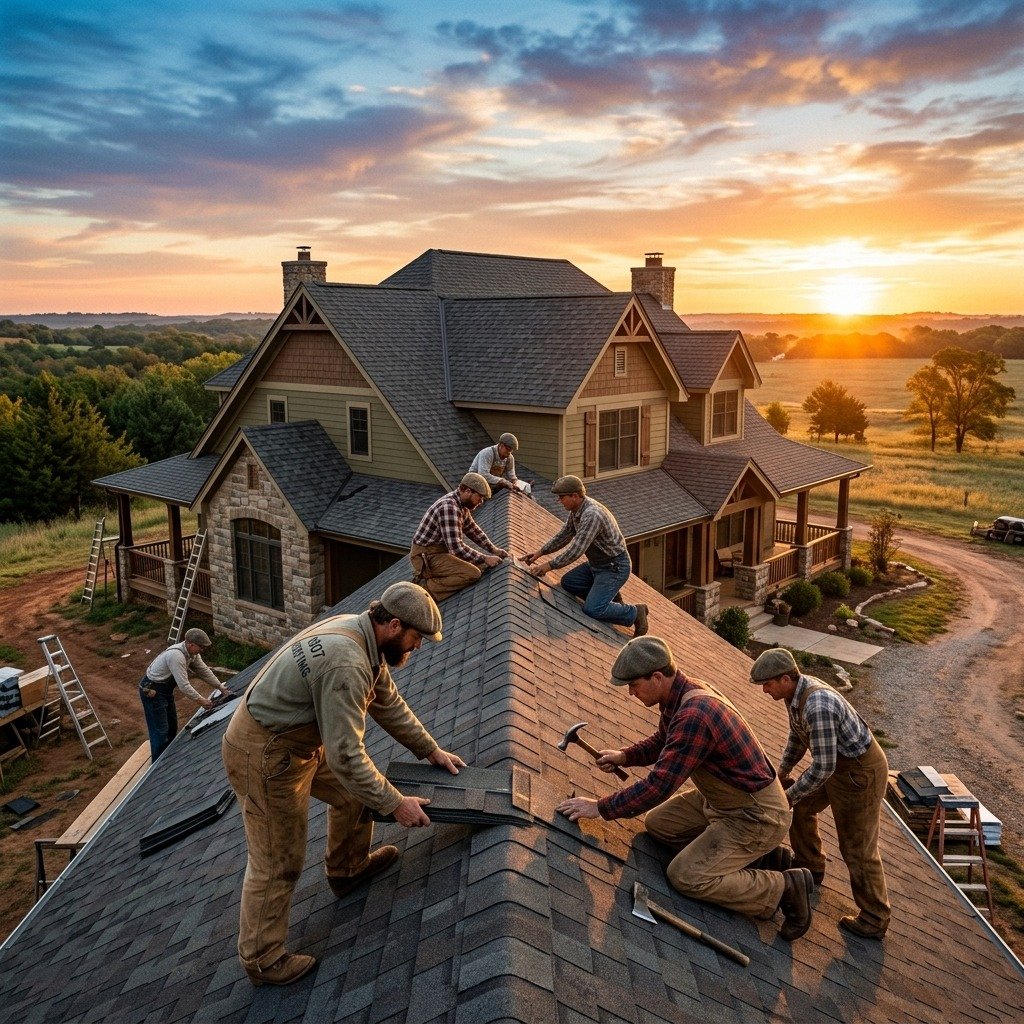
Roofs don’t ask for much. Keep them maintained, repair what breaks, and they’ll protect everything beneath them for decades. But when a roof reaches the end of its life—or takes a serious hit from a storm—the company you call makes all the difference. That’s where 1907 Roofing comes in.
Serving homeowners and businesses across the region, 1907 Roofing has built a reputation for delivering premium roofing services with honesty, craftsmanship, and speed. This post explores what makes their work stand out, and why so many property owners in the area keep coming back.
What Makes Oklahoma County Properties Vulnerable?
Oklahoma County isn’t easy on rooftops. The region sits in one of the most weather-aggressive zones in the country, where hail, high winds, and rapid temperature swings take a real toll on roofing materials year after year.
Asphalt shingles crack from repeated freeze-thaw cycles. Hailstorms bruise and loosen granules, reducing the protective capacity of your roof. Wind uplift can peel back flashing and edges, allowing moisture to creep underneath. These aren’t rare events—they’re a seasonal reality for Oklahoma County property owners.
The result? Roofs that look fine from the curb but are quietly failing underneath. By the time water spots appear on interior ceilings, the damage has often been spreading for months.
This is exactly the kind of situation 1907 Roofing is built to address.
How 1907 Roofing Approaches Every Project
Honest Inspections, Every Time
Before any work begins, the 1907 Roofing team conducts a thorough inspection of the property. No guesswork. No vague estimates. Their inspectors look at every section of the roof—decking, flashing, underlayment, ridge caps, and ventilation—to build an accurate picture of what’s actually happening.
This approach protects homeowners from unnecessary work and ensures that necessary repairs don’t get overlooked. Transparency is baked into every step of the process.
Full-Service Roofing Solutions
1907 Roofing offers a comprehensive range of services designed to cover every roofing need a property might have:
- Roof replacement: When repair isn’t enough, their team installs new roofing systems using high-quality materials matched to the local climate.
- Storm damage repair: From hail impacts to wind-torn shingles, 1907 Roofing responds quickly to restore protection after severe weather.
- Leak detection and repair: Persistent leaks get tracked down to their source—not just patched at the symptom.
- Preventative maintenance: Regular maintenance extends roof life and catches small problems before they become expensive ones.
- Insurance claim assistance: Their team helps homeowners navigate the insurance process, documenting damage and working with adjusters to ensure fair outcomes.
Premium Materials, Built for Oklahoma Weather
Material selection matters enormously in a climate like Oklahoma County’s. 1907 Roofing uses impact-resistant shingles, synthetic underlayment, and high-performance flashing systems specifically suited to handle hail, wind, and moisture. Their suppliers are vetted, and their installation standards are strict—because a roof is only as good as what’s underneath the shingles.
Why Oklahoma County Homeowners Trust 1907 Roofing
Reputation in the roofing industry is earned through consistent results, not advertising. 1907 Roofing has built its standing one project at a time, with a crew that shows up on schedule, communicates clearly, and cleans up completely when the job is done.
Their workmanship warranties back the quality of every installation. Combined with manufacturer material warranties, homeowners get layered protection that extends well beyond the day the last shingle is nailed down.
Reviews consistently highlight the same things: professionalism on the job site, clear communication from start to finish, and results that hold up when the next storm rolls through.
Getting the Most Value From Your Roofing Investment
Roofing is one of the most significant investments a property owner can make. Cutting corners—on materials, labor, or timing—tends to cost more in the long run. A roof installed correctly, with quality materials and proper ventilation, adds real value to a home and provides peace of mind through every Oklahoma storm season.
Oklahoma County roofing services from a proven local contractor are one of the most reliable ways to protect your home’s value, prevent interior damage, and avoid the compounding cost of deferred repairs—especially in a region where weather works against your roof every single season.
That’s the kind of roofing service 1907 Roofing is committed to delivering. Not the cheapest option. The right option.
Scheduling Your Inspection with 1907 Roofing
Getting started is straightforward. Contact the 1907 Roofing team to schedule your roof inspection. Their team will assess the current condition of your roof, walk you through their findings, and provide a clear, itemized estimate for any recommended work.
There’s no pressure, no confusing language, and no hidden fees. Just honest professionals helping you make the best decision for your property.
Whether your roof is showing signs of wear, recently took storm damage, or simply hasn’t been inspected in a few years, now is a good time to get ahead of it. 1907 Roofing is ready to help.
Final Thoughts
A strong roof keeps everything else in place. When it starts to fail, the consequences reach every corner of a home—walls, insulation, ceilings, structural framing. Catching problems early, working with a team that knows what they’re doing, and using materials built for the local environment—that’s how you get a roof that genuinely lasts.
1907 Roofing brings that standard to every job in Oklahoma County. Reach out today and give your roof the attention it deserves.
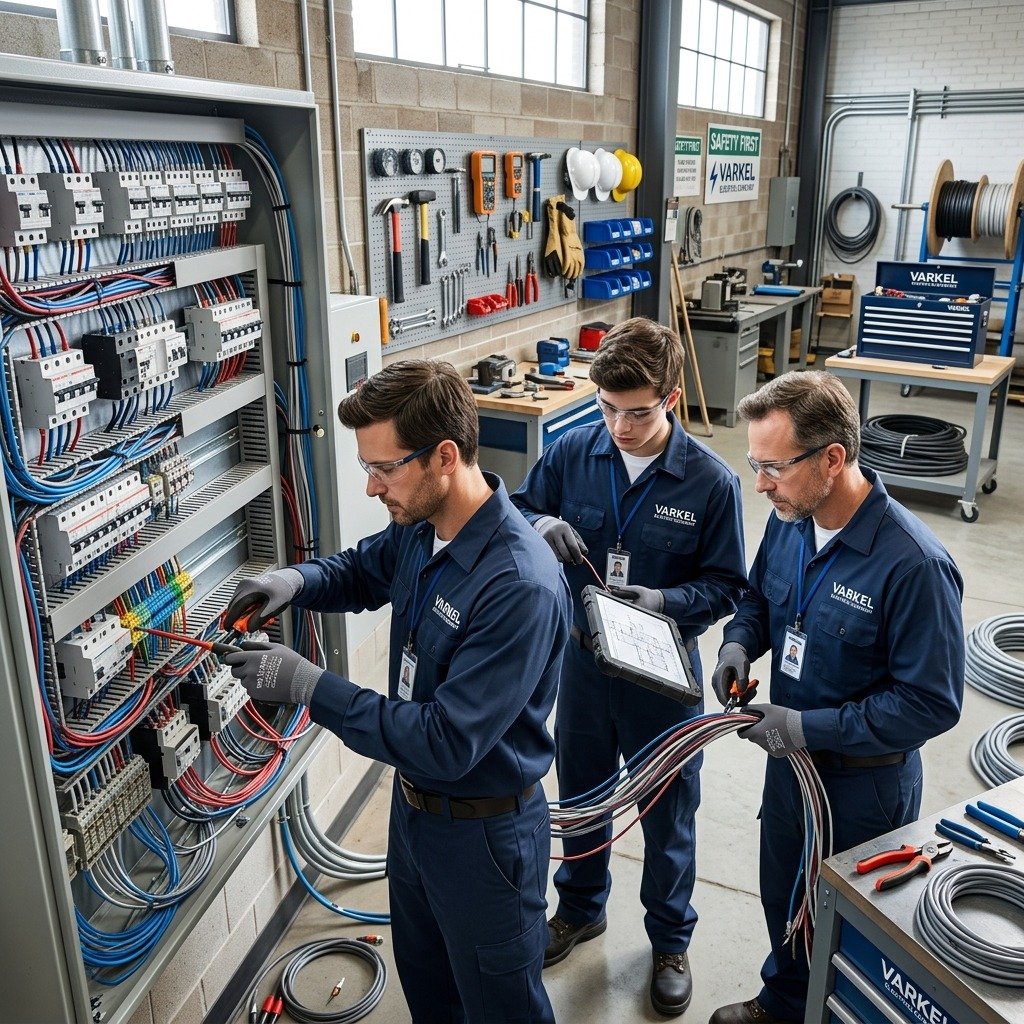
Every building has a heartbeat—and it runs on electricity. Yet most property owners only think about their electrical systems when something goes wrong. A flickering light. A tripped breaker. A bill that suddenly doesn’t make sense. By that point, a small issue has often grown into something far more costly.
Varkel Electric Company believes that great electrical care doesn’t start with repairs—it starts long before problems arise. And that shift in thinking? It changes everything.
What Does Electrical Servicing Actually Cover?
Electrical servicing is broader than most people realize. It’s not just about fixing faults—it’s a comprehensive process that keeps your entire electrical system operating safely, efficiently, and in compliance with current standards.
A thorough electrical service typically includes:
- Inspection of wiring, circuits, and connections — Identifying wear, corrosion, or improper installations before they cause failures
- Testing of safety switches and circuit breakers — Confirming that your protection systems actually work when called upon
- Checking switchboard condition — Older switchboards, in particular, can present serious safety risks if left uninspected
- Energy efficiency assessment — Spotting where your system might be drawing more power than necessary
- Smoke alarm testing and compliance checks — Ensuring your property meets local safety requirements
Each of these components contributes to a system that you can rely on—day in, day out.
The Real Cost of Skipping a Service
Here’s the thing about electrical problems: they rarely announce themselves early. A loose connection doesn’t spark immediately. A degraded wire doesn’t fail on the first day. The damage builds quietly, and by the time it’s visible, the repair bill has grown substantially.
Consider what’s actually at stake:
Property damage is one of the most common consequences of neglected electrical systems. Electrical faults are among the leading causes of residential and commercial fires. A single undetected issue—a frayed wire, an overloaded circuit—can escalate quickly.
Equipment damage follows closely behind. Voltage irregularities and poor connections don’t just affect the lights. They shorten the lifespan of appliances, HVAC systems, and sensitive electronics. Replacing that equipment costs significantly more than a routine service call.
Safety hazards are the most serious concern of all. Electrocution risks, though often invisible, are very real in poorly maintained systems. No property is worth that risk.
Routine servicing eliminates these vulnerabilities. It’s a straightforward investment with a clear return.
Why Professional Servicing Makes the Difference
Some property owners attempt to manage minor electrical issues on their own—replacing outlets, resetting breakers, swapping light fixtures. While basic tasks may seem manageable, licensed electrical servicing goes far deeper.
A qualified electrician brings diagnostic tools, regulatory knowledge, and hands-on experience that simply can’t be replicated with a YouTube tutorial. They know what to look for, where to look, and how to interpret what they find. More importantly, they carry insurance and accountability—if something goes wrong, you’re protected.
Professional servicing also means your property stays compliant. Electrical codes and safety standards are updated regularly. A licensed team stays current with those changes, ensuring your system meets every requirement, whether for insurance purposes, property sales, or general peace of mind.
How Often Should Electrical Servicing Be Scheduled?
The right frequency depends on a few key factors:
- Residential properties in standard condition generally benefit from a professional inspection every 2 to 3 years
- Older homes (built before the 1990s, for example) may warrant annual servicing, especially if the switchboard or wiring hasn’t been upgraded
- Commercial and industrial properties typically require more frequent checks due to higher loads, more complex systems, and greater occupancy
- After major renovations or new appliance installations, a service is strongly recommended to ensure the system has been properly adapted
When in doubt, a professional assessment will quickly clarify where your property stands and what—if anything—needs attention.
Electrical Servicing Keeps Your Property and People Safe
Electrical servicing by a trusted, licensed team is one of the most effective ways to protect your property’s value, reduce long-term costs, and give everyone inside peace of mind knowing the system running behind every wall has been professionally inspected and maintained. Varkel Electric Company brings precision, reliability, and genuine care to every job—no shortcuts, no guesswork.
Whether you manage a single-family home, a commercial building, or an industrial facility, the commitment to electrical safety stays the same. Varkel Electric Company’s team approaches every service with the same level of thoroughness, from the initial inspection to the final sign-off.
It’s not about waiting for something to break. The best time to service your electrical system is before it needs fixing—and that time is now.
Ready to Book Your Next Electrical Service?
Reach out to Varkel Electric Company today and schedule a service that gives your property the attention it deserves. A safer, more efficient electrical system is one call away.

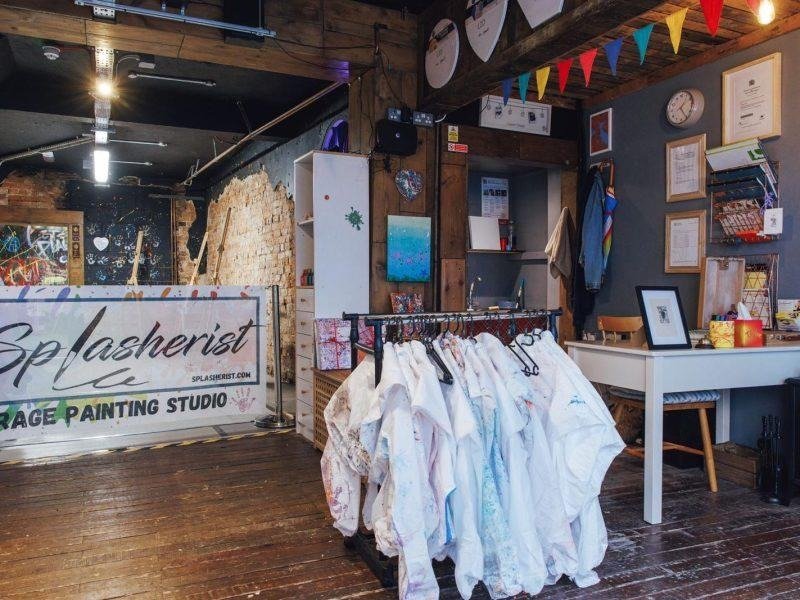
Dinner and a movie has its charm, but if you and your partner are craving something bolder, more memorable, and honestly a lot more fun, it might be time to step into that alternative date night world that’s quietly brewing across Bath and Bristol. Whether you’re searching for rage painting Bristol, creative splash art experiences, or unique activities that go beyond the usual evening out, these cities offer something refreshingly different. One minute you’re thinking about the same old plan, the next you’re chasing something with a little more heat, more spark, and yes, a whole lot more laughter. From smashing plates to splattering paint, Bath and Bristol are becoming the South West’s go-to destinations for unforgettable date experiences, with rage painting Bristol standing out as one of the most exciting ways for couples to reconnect, laugh together, and create colourful memories that last long after the paint has dried.
This guide maps out the most exciting alternative date night ideas around the region, with a special spotlight on one experience that’s taking couples by storm: rage painting.
Why Alternative Date Nights Are Trending in Bath and Bristol
Couples today aren’t just hunting for a tidy night out, they want this kind of experience that turns into a story you can tell later. Bath and Bristol, with their creative spark and a steadily growing stack of experiential places, are really well set up to deliver that, properly.
Escaping the Dinner-and-a-Movie Rut
Typical date nights can start to feel a little routine after some time. You end up across from each other at a table and you do the small talk thing, and, honestly it isn’t always the “connection booster” people are hoping for.
- When the same patterns keep showing up, it can make relationships feel a bit stagnant, like they are stuck in place.
- On the other hand, shared physical activities like dancing, hiking, or even a quick bowling round release feel-good hormones and that helps with bonding.
- Also, novel experiences, new adventures and different vibes are actually scientifically connected to stronger relationship satisfaction overall.
What Makes an Experience “Alternative”
An alternative date night is basically anything that trades passive entertainment for actual participation, you know, hands-on type of thing.
- Like doing hands-on activities instead of just sitting and watching some screen.
- You get emotional release, laughter , or even that little adrenaline built into the whole format, not later, not “sometime”.
- And there are those Instagram-worthy moments that double as genuinely great memories, even if you don’t post them.
Rage Painting: The Ultimate Alternative Date Night in Bath and Bristol
If there’s one experience defining the alternative date night movement right now, it’s rage painting. Part art class, part stress release, this activity has couples throwing, flinging, and splattering paint in a totally judgment-free space.
What Is Rage Painting?
Rage painting flips traditional art on its head. Instead of careful brushstrokes, you’re given paint, a blank canvas, and full permission to let loose.
- No artistic skill required the messier, the better
- Physical movement somehow matches the vibe of dancing, or sports like it’s more alive.
- A really solid option for couples who think those quiet, sit-down date things are a little dull, and you know, want something more kinetic
Why Couples Love It
Rage painting Bath and rage painting Bristol sessions have, kinda, become popular exactly because they let couples be a bit silly as a pair without any pressure to “perform”, or act all cool.
- The shared laughter, somehow, dissolves awkwardness fast.
- Also there’s the physical moving around, it feels like that fun energy you get from dancing or sports.
- Honestly it is a strong choice for couples who feel the usual quiet, sit-down dates are a little dull, like too calm to matter.
Rage Painting in Bath: What to Expect
Bath’s blend of old-world charm and fresh creative energy makes it sort of the right home for this expressive, chaotic kind of art, you know, the whole thing.
Location and Atmosphere
Studios that offer rage painting in Bath usually go for a playful, high-voltage setup, meant to make guests feel at ease while they let go.
- Splash-proof suits or aprons provided on arrival
- Upbeat playlists to keep the energy high
- Small group sizes for a more intimate couple’s experience
Booking Tips
A little planning goes a long way toward getting the best slot and the best experience.
- Book evening or weekend sessions in advance, as they fill quickly
- Wear clothes you don’t mind getting a little paint on, just in case
- Ask about couple’s packages or add-ons like drinks or photos
Rage Painting in Bristol: A Bold Twist on Date Night
Bristol’s reputation for street art and creative rebellion makes it a natural fit for a rage painting date night with an edgier feel.

Venue Vibe
Rage painting Bristol sessions often carry a bit more grit and energy, echoing the city’s artistic identity.
- Industrial-style studios with bold, colorful interiors
- A slightly more adventurous, unfiltered creative approach
- Great for couples who enjoy Bristol’s alternative culture scene
Best Time to Go
Timing your visit can shape the whole experience.
- Weeknight sessions tend to be quieter and more relaxed
- Weekend evenings feel a bit more lively , and more social too, like you can almost hear everyone talking
- The off-peak afternoon slots are perfect for a lower-key kind of date, less intense, more easy going
Smash Rooms and Rage Rooms
Before rage painting, rage rooms were already a favorite for couples wanting to blow off steam together.
How It Works
Guests are given protective gear and free rein to smash breakable items in a controlled space.
- Old electronics, glassware, and furniture are common targets
- Sledgehammers, bats, and crowbars are typically provided
- Sessions often run 15–30 minutes, perfect for a quick adrenaline date
Why It Pairs Well with Rage Painting
Some venues in Bath and Bristol now combine smashing and painting into one extended date night.
- Smashing first helps release tension before creative expression
- Painting afterward channels that energy into something you keep
- Combo packages often work out cheaper than booking separately
Axe Throwing for the Competitive Couple
If friendly competition is more your speed, axe throwing venues have popped up across both cities.
The Basic Experience
Coached sessions make this accessible even for total beginners.
- Instructors teach proper throwing technique before you start
- Scoring systems turn it into a fun couple’s competition
- Group lanes are available if you want to bring friends along
Tips for a Great Session
- Wear closed-toe shoes, because most venues require them
- Book early evening slots so you get shorter wait times (this helps)
- Ask about themed nights, which usually bring music, or drinks, or both
- Also, don’t forget to arrive a little early, just in case there’s check in.
Pottery Painting and Ceramic Studios
If you’re after a calmer, more traditional kind of outlet than rage painting, ceramic studios can be a gentler route for your creativity.
What to Expect
You’ll pick a piece of bisque pottery and decorate it together before it gets fired, and then later it’s ready for pickup.
- Mugs, bowls, and plates are popular beginner choices
- Sessions are relaxed, with no time pressure to rush
- Finished pieces are usually ready for collection within a week or two
Why It Works as a Date
- Encourages quiet conversation while you both focus on a shared task
- Results in a lasting keepsake you’ll use at home
- A good pairing with a coffee or wine afterward
Escape Rooms for Problem-Solving Couples
Escape rooms really test the whole communication and teamwork thing under pressure , so they work great as a barometer for how well you manage together like can you sync up, fast and quietly, while everything’s moving a bit too quick.
Choosing the Right Room
Themes range from horror to heist to mystery, so picking the right one matters.
- Check difficulty ratings before booking if it’s your first time
- Smaller rooms mean more hands-on involvement for just the two of you
- Read reviews for hint systems, since some rooms are notoriously tough
Making It More Fun
- Arrive early to avoid rushing into the briefing
- Agree on a communication style beforehand, especially under time pressure
- Celebrate afterward with food or drinks nearby, win or lose
Silent Discos and Outdoor Cinema Nights
For something a bit lighter, a little more atmospheric too, both cities host rotating outdoor events throughout the year, just so it doesn’t get stale.

Silent Disco Experiences
Wireless headphones let you dance to your own channel, and somehow it feels like a very intimate little bubble, even if you’re packed in there with everyone else .
- A bunch of music channels lets you blend genres together, like all at once (not really separate).
- Usually it’s hosted in kinda unique spaces , like rooftops or older historic sites where the air feels different .
- It’s a fun twist for couples who enjoy music as well as movement, and somehow the whole vibe turns more lively .
Outdoor and Pop-Up Cinema Screenings
Seasonal screenings in parks, courtyards and rooftop venues kinda gives this cozy twist to movie night, you know.
- Bring blankets and snacks for a more comfy arrangement, so you are not stuck shivering.
- Also check the listings for classic films as opposed to brand new releases , because the choices matter.
- And if you can, pair it with a picnic, to turn the whole evening into something a bit more special.
Food, Drink, and Sensory Experiences
Sometimes the alternative element isn’t the activity itself, but how the food and drink are presented.
Cocktail and Mixology Masterclasses
Learn to shake, stir, and finish with a garnish like a pro, while you sip those little creations you made together.
- Most classes come with recipe cards so you can recreate drinks at home, later on too.
- With small class sizes there’s more one on one time with the instructor, so it’s easier to ask and adjust.
- It can be a pretty fun icebreaker, if you’re dating someone new or just trying to break that awkward first vibe.
Supper Clubs and Tasting Menus
Independent supper clubs spread around Bath and Bristol, and it’s kind of intimate, like you get a multi-course dinner in rather unusual places.
- They’re often put on in private homes, galleries, or pop-up corners that feel a little spontaneous.
- The menus usually change with the seasons, using locally sourced ingredients, which makes the whole thing feel a bit more thoughtful, rather than just routine.
- Booking ahead is necessary though, because the places are limited, so if you wait, you might miss it.
Tips for Planning the Perfect Alternative Date Night
Once you’ve picked an activity, a bit of planning ensures the night goes smoothly.
Before You Book
- Discuss preferences beforehand so both partners feel excited, not just one
- Check reviews and photos to set accurate expectations
- Confirm what’s included, such as materials, drinks, or takeaway items
On the Day
- Come with clothing that feels comfy, and also suits whatever you’re doing, like activity appropriate stuff.
- If what you’re getting into involves paint, splashes, or general mess, bring an extra set of clothes, just in case.
- Afterward, make sure you leave some space in your schedule for a relaxed dinner or drink, so you can unwind properly , and then chat about how it went.
Final Thoughts
Bath and Bristol have quietly become two of the very best UK city picks for couples who want more than that usual dinner date. Whether you’re pulled in by the cathartic chaos of rage painting, the exactness of axe throwing, or the slow calm of a pottery studio, there’s an experience here that fits almost every relationship and every mood. If you’re ready to swap the everyday for something truly unforgettable, rage painting in Bath or Bristol is a great place to kick things off.

How to Buy Fine-Looking Jewelry Without Paying Luxury Markups

Oklahoma County Roofing Done Right by 1907 Roofing

Why Electrical Servicing Deserves More Attention Than You Think

When Your AC Keeps Failing, Replacement Beats Repair

Your Kitchen Deserves More Than a Fresh Coat of Paint

Who Is Indiana Urban? Inside the Life of Karl Urban’s Son and Rising Actor

Jennifer Seyfried: All About Amanda Seyfried’s Sister, Her Life and Career

Who Is Zachary Hudson? Inside the Private Life of Cindy Williams’ Son

Cynthia Womack Biography: The Life, Career, and Legacy of Connie Britton’s Twin Sister

Who Is Stephen G. Walker? All About PinkPantheress’ Father and His Academic Career
Who Is Indiana Urban? Inside the Life of Karl Urban’s Son and Rising Actor
Jennifer Seyfried: All About Amanda Seyfried’s Sister, Her Life and Career
Who Is Zachary Hudson? Inside the Private Life of Cindy Williams’ Son
Cynthia Womack Biography: The Life, Career, and Legacy of Connie Britton’s Twin Sister
Who Is Stephen G. Walker? All About PinkPantheress’ Father and His Academic Career
-
Biography4 months ago
Who Is Indiana Urban? Inside the Life of Karl Urban’s Son and Rising Actor
-
Biography4 months ago
Jennifer Seyfried: All About Amanda Seyfried’s Sister, Her Life and Career
-
Biography4 months ago
Who Is Zachary Hudson? Inside the Private Life of Cindy Williams’ Son
-
Biography5 months ago
Cynthia Womack Biography: The Life, Career, and Legacy of Connie Britton’s Twin Sister
-
 Biography3 months ago
Who Is Stephen G. Walker? All About PinkPantheress’ Father and His Academic Career
-
 Biography5 months ago
Who Was Gretchen Knauff? The Private Life of Jennifer Coolidge’s Mother
-
 Biography4 months ago
Who is Lynn Levesque? Everything to Know About Triple H’s Sister
-
 Biography5 months ago
Who Is Miley Crews? Inside the Life of Naomi Burton-Crews’ Daughter and Terry Crews’ Granddaughter