
Travel
Egypt Archaeological Tours – Exclusive Journeys Through History

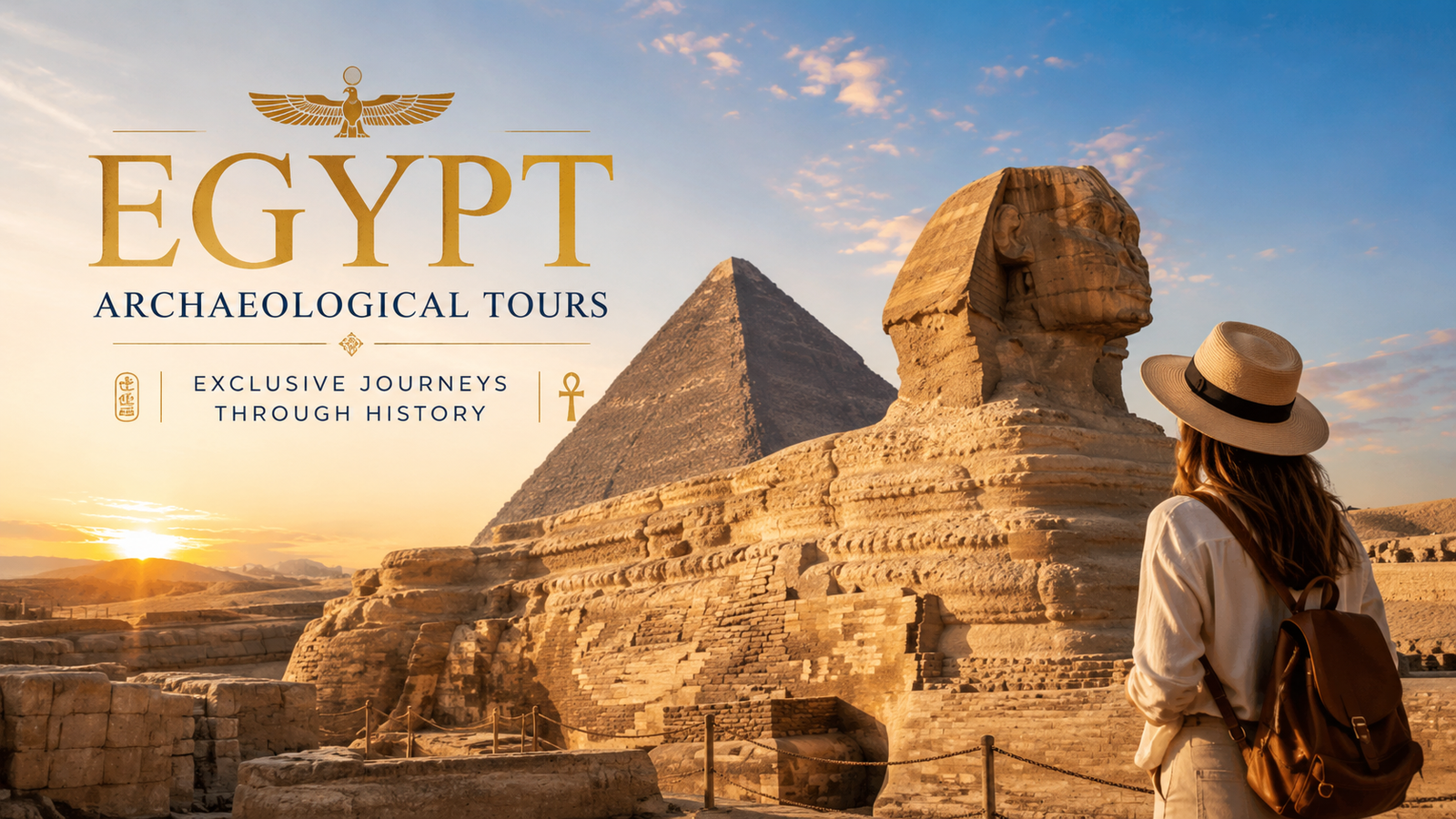
Imagine two very different ways to experience Egypt. In one, you wait in a long line beneath the desert sun, moving slowly with a crowd toward a monument you have dreamed of seeing for years. In the other, you arrive at dawn, when the limestone of the Giza Plateau glows gold, the air is still, and you stand almost alone between the paws of the Great Sphinx as the first light touches the pyramids behind you. That difference is the heart of Egypt archaeological tours designed for travelers who want more than sightseeing. Egypt is not simply a destination. It is a living archive of power, faith, beauty, mystery, and human ambition. For affluent history lovers, retirees, cultural travelers, and luxury explorers, the most meaningful journeys are not rushed or generic. They are carefully opened, expertly explained, and privately experienced. Exclusive archaeological travel in Egypt moves beyond the ordinary checklist. It creates moments that feel intimate, rare, and deeply personal. With elite Egyptologists, private access arrangements, refined hotels, traditional Nile sailing, and carefully timed site visits, travelers can encounter ancient history with clarity, comfort, and wonder.
The Allure of Exclusive Access: Why Choice Matters in Egypt
Egypt receives millions of visitors because its monuments are among the most famous on Earth. The pyramids, the Sphinx, the Valley of the Kings, Karnak, Luxor Temple, Abu Simbel, and Saqqara are not hidden treasures. They are global icons. Yet the way you experience them depends almost entirely on the quality of your journey.
A standard tour may show you the same stones, temples, and tombs, but it often cannot give you the atmosphere that makes them unforgettable. Exclusive Egypt archaeological tours are built around timing, knowledge, privacy, and access. These details transform famous places into powerful personal encounters.
The finest journeys are not about doing more in less time. They are about seeing with depth. They allow travelers to pause where others pass quickly, listen where others only take photos, and understand why each wall, statue, chamber, and inscription matters.
Beyond the Velvet Ropes: Private Viewings of Ancient Wonders
Some of Egypt’s most remarkable spaces are fragile, restricted, or carefully controlled. Private arrangements and special permits can make the difference between a brief glimpse and a meaningful encounter. When access is limited, every minute becomes valuable.
A private viewing allows travelers to experience a site without the noise and pressure of large crowds. In a tomb, silence matters. It allows the painted walls to speak. In a temple, stillness reveals how columns, shadows, and sacred geometry were designed to shape emotion. These are not ordinary museum displays. They are places created to honor kings, gods, death, rebirth, and eternity.
For travelers seeking refined cultural depth, this kind of access is the true luxury. It is not only comfort. It is time, space, and interpretation.
Standing Before the Sphinx: Crowd-Free Dawn Expeditions
The Great Sphinx is one of the most recognized monuments in the world, but few travelers experience it in calm light. A dawn expedition changes everything. Before the busiest hours, the Giza Plateau feels more ancient, more open, and more cinematic.
Standing near the Sphinx at sunrise creates a rare sense of connection. The monument is no longer just an image from books and documentaries. It becomes physical, massive, weathered, and alive with mystery. The pyramids behind it rise from the desert like symbols of impossible human will.
For many travelers, this is the moment Egypt becomes real.
The Psychology of Luxury Travel in the Land of Pharaohs
Luxury travel in Egypt is not only about five-star hotels, private cars, and fine dining. It is about emotional design. The best journeys understand that history feels richer when travelers are not rushed, tired, or overwhelmed.
Comfort creates attention. Privacy creates presence. Expert guidance creates meaning. When these elements come together, a temple wall becomes a story, a tomb painting becomes a message, and a ruined city becomes a human drama.
This is why high-end Egypt archaeological tours appeal so strongly to experienced travelers. They know that the most valuable travel memories are not always the most crowded or famous. They are the moments when a place feels as if it has opened itself just for you.
Walking with Gods: Iconic Stops on a Premium Itinerary
A premium Egypt itinerary must include the country’s greatest landmarks, but it should approach them with care. These sites are not just stops on a route. They are chapters in one of the world’s longest and most influential civilizations.
From the Old Kingdom pyramids to New Kingdom royal tombs, from grand temples to modern museums, each location reveals a different idea of power, religion, art, and memory.
The Giza Plateau and the Grand Egyptian Museum
The Giza Plateau is the natural starting point for any serious archaeological journey through Egypt. The Great Pyramid, the Pyramid of Khafre, the Pyramid of Menkaure, and the Sphinx form a landscape that has shaped human imagination for thousands of years.
A premium visit should be carefully timed. Early access, expert explanation, and unhurried movement across the plateau allow travelers to understand the engineering, symbolism, and royal ambition behind the monuments. These were not simply tombs. They were statements of cosmic order and divine kingship.
Nearby, the Grand Egyptian Museum adds a modern chapter to the experience. Its vast collections, dramatic architecture, and proximity to the pyramids make it a natural bridge between ancient achievement and contemporary presentation. For travelers who want a deeper, more curated understanding of Egyptian civilization, pairing Giza with the museum creates a powerful first impression.
Valley of the Kings: Stepping Inside the Tombs of Royalty
On the west bank of Luxor, the Valley of the Kings offers one of the most moving archaeological experiences in Egypt. Here, pharaohs of the New Kingdom were buried in hidden tombs cut deep into the desert cliffs.
The valley’s beauty is quiet and severe. From the outside, it looks dry and almost empty. Inside the tombs, however, the walls explode with color, myth, and sacred text. Scenes of gods, solar journeys, judgment, and rebirth surround the visitor.
An elite Egyptologist can transform this visit from visual admiration into true understanding. The tombs were not decorated at random. They were spiritual maps designed to guide kings through the afterlife. Every figure, symbol, and line of text had meaning.
Special tombs, when available, should be planned with care. Access can be limited, and conditions may change due to conservation needs. This is where expert planning becomes essential.
The Colossal Majesty of Abu Simbel: A Private Charter Experience
Abu Simbel is one of Egypt’s most dramatic sites. Built by Ramses II, the temple’s colossal seated statues face the rising sun with breathtaking authority. The scale is not accidental. It was designed to impress, intimidate, and immortalize.
For luxury travelers, a private charter experience can make Abu Simbel far more comfortable and memorable. Instead of treating it as a rushed side trip, a refined itinerary allows time to absorb the remote desert setting and the temple’s political message.
The relocation of Abu Simbel in the twentieth century also adds another layer to the story. This is not only an ancient wonder. It is also a modern preservation triumph, showing how global effort helped protect a masterpiece from flooding.
Unveiling the New Empire: Active Excavations and Hidden Tombs
Egypt is often described as ancient, but its archaeology is not frozen in the past. New discoveries continue to reshape what scholars understand about its cities, burial traditions, religious life, and royal history.
For travelers who already know the famous monuments, tours that include active excavation zones, lesser-known ruins, and specialist-led interpretation offer a richer and more exclusive experience.
Saqqara’s Secrets: The Step Pyramid and Recent Discoveries
Saqqara is one of Egypt’s most important archaeological landscapes. It is home to the Step Pyramid of Djoser, the earliest major stone pyramid complex in Egypt. Designed under the direction of Imhotep, it represents a turning point in architecture, engineering, and royal ideology.
But Saqqara is not only about the Step Pyramid. The wider necropolis contains tombs, shafts, chapels, inscriptions, and ongoing discoveries that continue to fascinate scholars. It is a place where ancient Egypt feels layered, complex, and still partly hidden.
A private expert-led visit can reveal why Saqqara matters so deeply. It connects the early development of pyramid building with later burial practices and shows how Egyptian ideas about death and eternity evolved across centuries.
The Heretic King: Exploring the Ruins of Amarna
Amarna offers a very different kind of archaeological experience. Founded by Akhenaten, the so-called heretic king, it was the center of a short-lived religious revolution focused on the Aten, the sun disk.
Unlike the monumental grandeur of Karnak or Abu Simbel, Amarna has a haunting, open quality. Its ruins speak of ambition, disruption, and collapse. Here, travelers can explore the remains of a city built to support a radical new vision of kingship and worship.
For intellectually curious travelers, Amarna is unforgettable because it raises questions rather than offering simple answers. Why did Akhenaten break with tradition? How did his reforms affect art, religion, and politics? Why was his city abandoned so quickly after his death?
With a skilled guide, Amarna becomes one of the most thought-provoking stops in Egypt.
VIP Permits: Gaining Entry to Restricted Archaeological Zones
Restricted access is one of the defining features of premium archaeological travel. Some areas are protected due to conservation, research, safety, or crowd control. Others require special coordination because they are not part of standard tourist routes.
VIP permits can allow travelers to experience places most visitors never see. These may include private tomb viewings, restricted temple areas, specialized museum experiences, or archaeological zones where access must be carefully managed.
This is also where urgency matters. Permits are limited, conservation rules can change, and access to delicate sites may be paused with little notice. Travelers who dream of special experiences, such as Nefertari’s tomb or other highly protected spaces, should plan well in advance.
For curated journeys, experienced operators such as https://archaeologicalpaths.com can help turn a standard Egypt trip into a refined historical expedition shaped around access, expertise, and comfort.
The Art of Slow Travel: Sailing the Nile in Style
The Nile is more than a river. It is the artery of ancient Egypt. Its annual floods shaped agriculture, settlement, religion, trade, and political power. To travel through Egypt without experiencing the Nile slowly is to miss one of the country’s deepest rhythms.
A luxury Nile journey offers a softer counterpoint to the intensity of tombs, temples, and desert landscapes. It allows travelers to rest, reflect, and watch life unfold along the riverbanks much as it has for generations.
Dahabiya vs. Large Cruise Ships: The Luxury of a Traditional Sail
Large Nile cruise ships can be convenient, but they often follow fixed schedules and crowded docking patterns. A dahabiya offers a more intimate and elegant alternative.
These traditional sailing vessels carry fewer guests, creating a quieter and more personalized experience. The pace is slower. The atmosphere is calmer. Meals feel more private, service feels more attentive, and the river becomes part of the journey rather than just transportation.
For luxury travelers, a dahabiya captures the romance of historical travel without sacrificing comfort. It is ideal for those who want beauty, privacy, and a deeper sense of place.
Riverside Wonders: Docking at Edfu and Kom Ombo at Sunset
Edfu and Kom Ombo are among the great temple stops between Luxor and Aswan. Edfu, dedicated to Horus, is one of the best-preserved temples in Egypt. Its walls, courts, and sanctuary help visitors understand the power of temple ritual and divine kingship.
Kom Ombo is especially atmospheric at sunset. Its unusual double design honors two gods, Sobek and Haroeris, and its riverside position makes it one of the most visually memorable temples on the Nile.
When visited at the right time, these places feel less like tourist stops and more like scenes from a sacred landscape. The changing light, the river breeze, and the scale of the columns create an atmosphere that stays with travelers long after they leave.
Five-Star Hospitality on the World’s Most Historic River
Luxury on the Nile is most powerful when it feels effortless. Fine dining, comfortable cabins, attentive service, and thoughtful pacing allow travelers to enjoy Egypt without exhaustion.
After days spent inside tombs and temples, returning to a calm vessel on the river creates balance. The best itineraries understand this rhythm. They do not overload every hour. They allow time for rest, conversation, reading, photography, and quiet observation.
In Egypt, luxury is not only found in grand hotels. It is found in watching the sun fade over palm groves while the Nile reflects the colors of the sky.
Expert Guidance: The Value of an Elite Egyptologist
The difference between seeing Egypt and understanding Egypt often comes down to the guide. An elite Egyptologist does far more than explain dates and names. They interpret an entire civilization.
Ancient Egypt can be overwhelming. Its history stretches across thousands of years. Its gods, kings, dynasties, artistic conventions, and religious texts require context. Without expert guidance, even the most beautiful sites can feel confusing.
Translating Hieroglyphs: Reading History Directly from the Walls
Hieroglyphs turn monuments into documents. They name kings, praise gods, describe offerings, record victories, and express hopes for eternal life. When an Egyptologist reads and explains them on site, the walls stop being decorative and become voices from the past.
This direct connection is one of the greatest privileges of expert-led travel. A traveler no longer depends only on guidebooks or labels. They can stand before a wall and hear what it says, why it matters, and how it fits into the larger story of Egypt.
Separating Myth from Fact: Academic Insights on Site
Egypt inspires myths, legends, and speculation. While mystery is part of its charm, serious travelers often want clarity. A strong guide separates evidence from fantasy without removing the wonder.
Was a monument built for political power, religious belief, astronomical meaning, or all three? What do scholars know with confidence? What remains debated? What has recent archaeology changed?
These questions make travel more engaging. They invite visitors into the process of discovery rather than presenting history as a finished script.
Personalizing the Narrative: Tailoring History to Your Interests
Not every traveler is interested in the same part of Egypt. Some are drawn to royal tombs. Others love architecture, mythology, military history, art, conservation, biblical context, or the lives of ordinary people.
A premium archaeological tour can be shaped around those interests. This personalization turns the journey from a standard itinerary into a private intellectual experience. The guide can slow down at the sites that matter most, add context where curiosity is strongest, and connect different locations through a theme that feels personal.
For travelers who have waited years to visit Egypt, this level of care makes the journey feel worthy of the dream.
Historic Grandeur: Where Luxury Meets Antiquity
A truly exclusive Egypt journey does not end when the site visit finishes. The hotels, dining, transport, and evening atmosphere all contribute to the experience. The best properties in Egypt are not merely places to sleep. They are part of the story.
Luxury accommodation near archaeological landmarks allows travelers to remain surrounded by history while enjoying modern comfort.
Marriott Mena House: Waking Up in the Shadow of the Pyramids
Few hotel views in the world compare to waking up near the pyramids. The Marriott Mena House offers a setting where ancient and modern luxury meet in unforgettable fashion.
For travelers beginning their journey in Cairo or Giza, staying in the shadow of the pyramids creates immediate emotional impact. Breakfast with pyramid views, evening walks through manicured grounds, and the sight of the monuments changing color throughout the day all deepen the sense of arrival.
It is not only a hotel stay. It is a visual reminder that you are beside one of humanity’s greatest achievements.
Sofitel Legend Old Cataract: Walking the Halls of Agatha Christie
In Aswan, the Sofitel Legend Old Cataract offers a different kind of grandeur. Overlooking the Nile, it carries an atmosphere of old-world elegance, literary history, and colonial-era drama.
The hotel is closely associated with the romance of classic travel. Its terraces, river views, and historic interiors make it a natural choice for travelers who want their journey to feel refined and timeless.
After visiting Philae Temple, the Nubian landscape, or nearby archaeological sites, returning to the Old Cataract feels like stepping into a quieter, more elegant chapter of Egypt’s modern travel history.
Modern Oasis: Premium Amenities in the Heart of the Desert
Luxury in Egypt must also be practical. The desert climate, long travel distances, and intensity of major sites make comfort essential. Premium vehicles, private transfers, careful scheduling, high-quality meals, and elegant hotels all protect the traveler’s energy.
This matters especially for retirees and mature travelers who want depth without discomfort. A well-designed itinerary avoids unnecessary strain. It creates space for wonder while handling logistics with precision.
The result is travel that feels smooth, safe, and deeply rewarding.
Conclusion: Egypt as a Timeless Story You Experience
Egypt archaeological tours offer far more than monuments. They offer a way to move through time. From the first sight of the pyramids at dawn to the painted tombs of Luxor, from the silence of Saqqara to the golden light of the Nile, every moment can feel like a private conversation with history.
The value of a curated journey lies in the details: expert interpretation, exclusive access, careful timing, refined accommodation, and the freedom to experience ancient places without feeling rushed. This is what separates a generic vacation from a transformative expedition.
Egypt is not just a place you see. It is a timeless story you enter. For travelers who seek beauty, knowledge, comfort, and rare access, an exclusive archaeological journey through Egypt may become one of the most meaningful experiences of a lifetime.
Travel
Santa Barbara Bike Tours as a Flexible Format for Exploring the City Through Different Movement Styles


Santa Barbara Cycling Tours are becoming a way to see the city at your own pace and route. This Santa Barbara cycling tours format allows you to combine coastal views, local neighborhoods, and natural areas in one day without a rigid structure. For many travelers, this is a more natural way to explore than classic excursions.
Cal Coast Adventures offers a range of tour options where cycling Santa Barbara becomes the basis for flexible movement between locations.
Santa Barbara Cycling Tours as a Quick Tour Hub with a Choice of Travel Style
The Santa Barbara Cycling Tours format works as a quick tour hub, where the route is determined by your style and comfort level. This is not one fixed excursion, but a set of options that allow you to shape the day around your interests.
Santa Barbara Bike Tours include a variety of options to choose from:
- City Tours for a relaxed city tour.
- Electric Bike Tours for easy, non-exhaustive sightseeing.
- Beach E-Bike Tour that may include tide-dependent beach sections.
- Mountain Bike Tours with trails for different fitness levels.
- Road Bike Tours for dynamic private tours.
- Bike & Beverage Tour with social stops and tastings.
Each of these formats offers a different experience of the city. For example, an electric bike is suitable for a leisurely tour without fatigue, while mountain routes are more focused on active movement and a changing terrain. Social tours with tastings add a different pace — more relaxed and focused on stops.
It is also important that this format allows you to combine different types of trips on different days of your stay, without repeating the same experience.
Santa Barbara Bike Tour as a Structured but Lively Route
The Santa Barbara Bike Tour format is suitable for those who want a clear route, but with the possibility of adapting it to themselves. The route has a clear structure, but there are no strict limits on the pace.
During the trip, you can see both tourist and less obvious areas of the city. This allows you to better understand the structure of Santa Barbara and feel the difference between its parts.
Additionally, it is important that such tours often include smooth transitions from city streets to more open spaces. This makes the experience more diverse without switching to another form of transportation.
This format works especially well for:
- a first visit to the city;
- short trips with limited time;
- travelers who want to combine sightseeing and movement;
- groups with different levels of physical fitness;
- those who value the balance between structure and freedom.
Santa Barbara bicycle tours offer different scenarios of the city
In the Santa Barbara bicycle tours format, the city unfolds through different routes and riding styles. Here you can combine coastal routes, city streets, and green areas without having to change your transport or plan.
This approach allows you to create a more individual experience, where each trip looks new. The traveler can decide for himself where to stay longer and which sections to go faster, forming his own logic of the day.
Additionally, it is worth considering that different areas of the city have different characters. Some are more active and touristy; others are calm and local. This makes it possible to change the atmosphere without changing the route or transport.
Key advantages of the format:
- the ability to combine different locations in one day;
- flexibility of the route without a fixed schedule;
- access to different types of roads and landscapes;
- adaptation to the level of training;
- individual pace of travel.
Different parts of Santa Barbara have their own character. Some areas are lively and visitor-friendly, while others feel quieter and more local. This makes it easy to change the atmosphere of the day while staying on the same ride. It also gives travelers more control over the pace, distance, and overall style of their experience.
Santa Barbara Cycling by the Shore as a coastal movement experience
Santa Barbara Cycling by the Shore focuses on coastal routes, where the ocean and open space become the main elements. This is a more visual and calm type of trip, which allows you to move along the water without rushing.
Such routes are often chosen for morning or evening trips, when the light and atmosphere of the coast are especially expressive. In addition, this format gives you the opportunity to stop more often, observe the change of light, and simply enjoy the surroundings without the goal of moving quickly. This is what creates the feeling of a “slow city” that opens up through movement along the ocean.
Santa Barbara cycling is a universal format for exploring the city
Santa Barbara cycling can combine all styles of trips into one flexible experience. The traveler himself decides how long to stay in each zone and what pace to choose.
This allows you to experience the city as a living space, where there are no rigid boundaries between districts. That is why Cal Coast Adventures uses cycling in Santa Barbara as the basis for individual routes that change in real time.
As a result, each trip becomes not a repetition of the previous one, but a separate scenario that is shaped as you ride. This is the main feature of this format – it does not dictate a fixed experience, but allows you to create it.


When I look at how business travel has evolved over the past few years, one thing is very clear: hotel choice is no longer just about comfort. It has become a decision that directly impacts productivity, scheduling efficiency, and even meeting performance. In this context, Ascott Orchard Singapore stands out as a property that fits the needs of modern corporate travelers. From my experience analyzing business trips, locations like this are not chosen randomly anymore; they are selected based on how well they support work, movement, and daily routine during travel. And when companies manage such stays through platforms like Trip.Biz, the entire process becomes more structured and easier to control.
Business Travel Today Demands More Than Just a Hotel Room
One thing I’ve noticed is that corporate travelers expect much more from accommodation than they did before. A hotel is now expected to function as:
- A temporary workspace
- A recovery space after meetings
- A connectivity hub for remote communication
- A stable base for multi-day schedules
Ascott Orchard Singapore aligns with this shift because it is designed more like a serviced residence rather than a traditional hotel. This difference matters in business travel, especially when trips are longer or involve multiple meetings per day.
Why Ascott Orchard Singapore Works for Corporate Schedules
From a practical travel perspective, I’ve seen that location and routine efficiency matter more than luxury branding. Ascott Orchard Singapore is positioned in a way that supports business movement across Singapore. For professionals, this translates into:
- Reduced travel time between meetings
- Easy access to transport links
- Quick reach to commercial zones
- Flexible dining and meeting options nearby
These factors may sound simple, but in real corporate travel, they significantly reduce daily stress.
Comfort That Supports Productivity, Not Just Relaxation
In my experience, tired employees don’t perform well in meetings or presentations. That’s why accommodation quality plays a direct role in business outcomes. Ascott Orchard Singapore offers a setup that supports long working hours and recovery, including:
- Spacious living and working areas
- Privacy for calls and virtual meetings
- Stable internet connectivity
- A quieter environment compared to standard hotels
This makes it more suitable for professionals who are balancing work and travel at the same time.
How Trip.Biz Fits Into This Travel Experience
Managing corporate stays is not just about selecting a hotel anymore. Companies need control over:
- Travel budgets
- Approval workflows
- Expense tracking
- Policy compliance
- Booking consistency
This is where Trip.Biz becomes important. From what I’ve observed, Trip.Biz helps companies manage hotels like Ascott Orchard Singapore in a much more organized way. Instead of scattered bookings across different platforms, everything is handled through one system. This creates:
- Better visibility for finance teams
- Faster approvals for employees
- Reduced booking errors
- Clear reporting on travel expenses
In simple terms, it removes unnecessary friction from corporate travel.
A Better Experience for Frequent Business Travelers
One thing I strongly believe is that frequent travel can easily become exhausting if not managed properly. Properties like Ascott Orchard Singapore help reduce that pressure by offering consistency and comfort. When combined with Trip.Biz for structured booking and management, companies can ensure:
- Less stress during travel planning
- Smoother check-in and stay experience
- Better alignment with company policies
- More predictable travel outcomes
This consistency is very important for teams that travel regularly.
Balancing Cost and Quality in Corporate Travel
From my observation, companies are always trying to balance cost control with employee comfort. The challenge is that cutting costs too aggressively can reduce travel quality. With platforms like Trip.Biz, organizations can:
- Compare stay options more efficiently
- Avoid last-minute expensive bookings
- Maintain standard hotel preferences
- Track spending in real time
This ensures that stays like Ascott Orchard Singapore are used strategically, not randomly.
Why This Combination Makes Sense in 2026
If I look at current corporate travel trends, the most effective model is a combination of:
- High-quality accommodation (like Ascott Orchard Singapore)
- Structured travel systems (like Trip.Biz)
One handles the experience, while the other handles control and efficiency. Together, they create a more balanced and reliable travel system for businesses.
Conclusion
In 2026, business travel accommodation is no longer just about where employees stay, it is about how well that stay supports productivity, comfort, and operational efficiency. From my perspective, Ascott Orchard Singapore is a strong option for professionals who need both convenience and long-stay comfort in a key business location. When managed through Trip.Biz, companies gain better control over bookings, budgets, and travel workflows. This combination reflects the direction modern corporate travel is moving toward more structured, more efficient, and more focused on real business needs.
FAQs
Why is Ascott Orchard Singapore suitable for business travelers?
Because it offers serviced living, workspace-friendly setups, and a central location ideal for corporate schedules.
Is it good for long business stays?
Yes, its apartment-style setup makes it suitable for extended corporate travel.
How does Trip.Biz help companies manage hotel bookings?
It centralizes bookings, approvals, expense tracking, and travel policy compliance.
Does this combination reduce travel stress?
Yes, structured booking through Trip.Biz and comfortable stays reduce planning and travel pressure.
Is it suitable for frequent corporate travelers?
Yes, it provides consistency and comfort needed for repeated business trips.
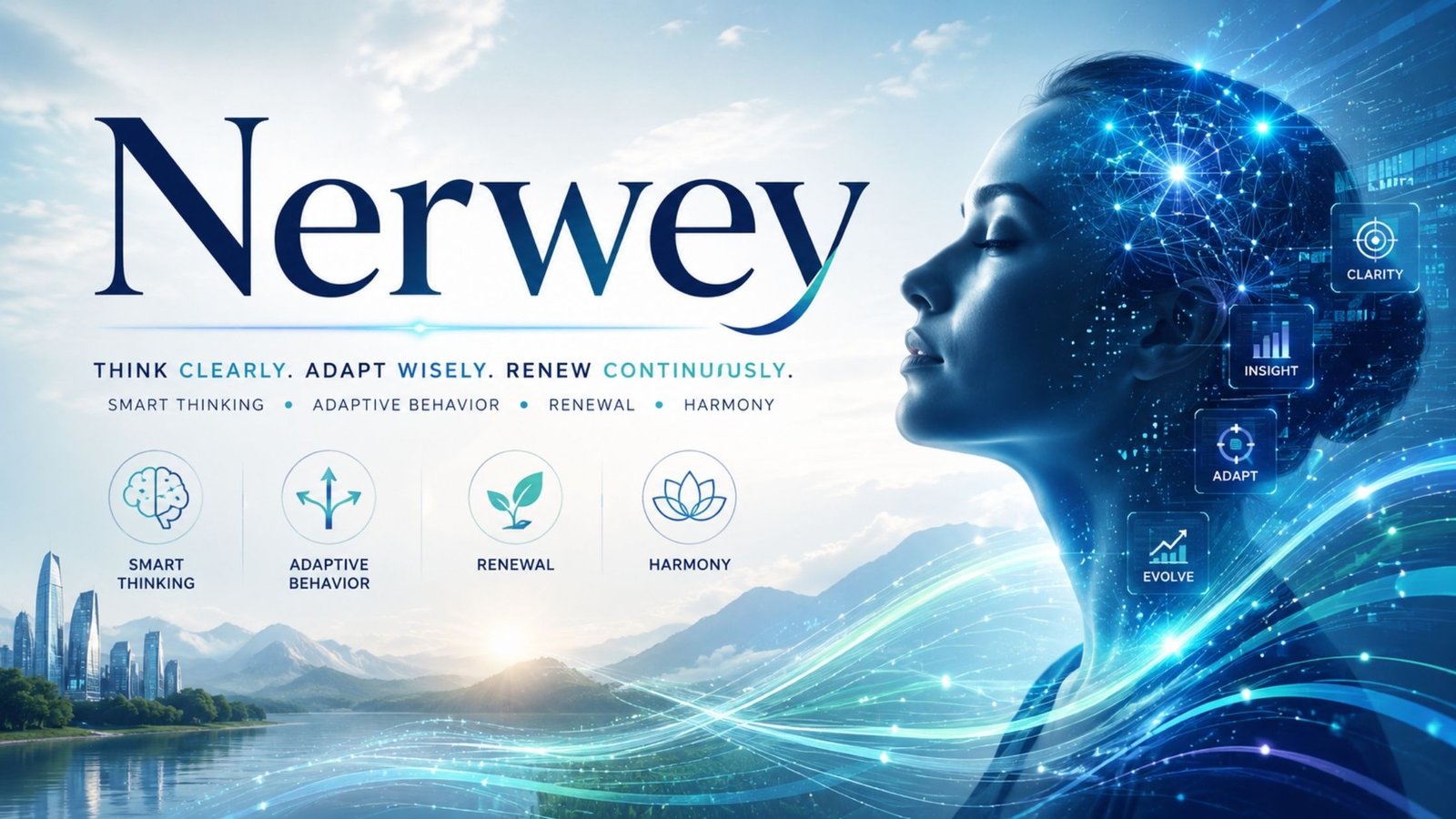
Nerwey is a unique and modern sounding term that is gaining attention in digital spaces, branding discussions, creative writing, and online communication. Although Nerwey is not a traditional dictionary word, its clean structure and flexible meaning make it useful for people who want a fresh concept with a memorable identity. The term can represent smart thinking, renewal, clarity, adaptive behavior, and a balanced approach to modern life.
In today’s online world, original words matter more than ever. Brands, creators, startups, and digital communities often look for terms that are short, distinctive, easy to remember, and open to interpretation. Nerwey fits that need because it feels polished without being too complex. It can work as a symbolic idea, a brand name, a creative identity, or a digital concept connected to thoughtful progress and meaningful action.
What Is Nerwey?
Nerwey can be understood as a distinctive modern term with flexible meaning. It is not limited to one fixed definition, which gives it room to grow across different uses. In one context, Nerwey may describe a mindset based on clarity, smart choices, and adaptive thinking. In another context, it may stand for renewal, personal balance, and harmony with change. This flexible nature is one of the main reasons the word feels useful.
Many modern terms begin as abstract concepts before becoming tied to specific industries, communities, or brands. Nerwey follows that same pattern. It has a clean sound, a rare structure, and a modern visual appeal. Because of this, it can be shaped around digital strategy, creative communication, lifestyle thinking, innovation, or storytelling without feeling forced.
At its core, Nerwey carries a sense of movement and purpose. It does not sound outdated or overly technical. Instead, it feels fresh and open. That makes it suitable for modern audiences who value originality, simplicity, and meaning in the words they use.
Why Nerwey Is Attracting Online Attention
The interest in Nerwey reflects a bigger trend in online culture. People are no longer only searching for common words. They are also drawn to rare terms that can stand out in crowded digital spaces. A word like Nerwey creates curiosity because it feels unfamiliar, but not confusing. It has enough mystery to make people pause and enough simplicity to make it easy to remember.
In branding, this type of term can be valuable. Short and original words are easier to shape into a strong identity. They can be used for a website, product, platform, campaign, or creative project. Since Nerwey does not carry heavy existing associations, it gives creators more freedom to define it in their own way.
Another reason Nerwey is appealing is its balanced sound. It feels modern but not harsh. It looks clean in written form and can fit well into digital design. For online content, that matters because visual identity and word recognition often work together. A term that looks neat and sounds smooth can become easier to market and remember.
The Meaning Behind Nerwey
The meaning of Nerwey can be shaped around several connected ideas. One of the strongest interpretations is clarity. In a fast moving digital world, people often deal with too much information, too many choices, and too many distractions. Nerwey can represent the ability to cut through that noise and focus on what truly matters.
Another possible meaning is adaptive behavior. Modern success often depends on the ability to adjust without losing direction. Nerwey can describe a way of thinking that remains steady while responding to change. This makes the term useful in business, technology, personal development, and creative strategy.
Nerwey can also suggest renewal. The sound of the word gives a sense of something new, calm, and forward looking. It may be used to express a fresh start, a restored direction, or a more balanced way of moving through life. This symbolic meaning gives the term emotional depth and makes it useful beyond technical or business contexts.
Nerwey as a Digital Concept
As a digital concept, Nerwey can describe a smarter and more intentional way to think, create, and communicate online. Many digital platforms today are built around speed, but speed alone does not always create value. Nerwey can represent a more thoughtful approach where clarity, structure, and purpose guide digital action.
In content strategy, Nerwey could describe the process of creating material that is useful, focused, and easy to understand. Instead of producing content only for volume, a Nerwey based approach would focus on relevance and meaning. It would ask whether the message helps the audience, solves a problem, or improves understanding.
In digital decision making, Nerwey may stand for intelligent adaptation. This means using data, context, and human judgment together. It is not about reacting to every trend. It is about choosing the right direction with awareness. That makes Nerwey a strong concept for creators, marketers, businesses, and online communities.
Nerwey and Smart Thinking
Smart thinking is one of the strongest ideas connected to Nerwey. In simple terms, smart thinking means making decisions with awareness, logic, and balance. It does not mean overthinking every detail. It means understanding the situation clearly and choosing a path that makes sense.
Nerwey can represent this kind of thinking because the term feels calm, modern, and deliberate. It suggests a mindset that avoids confusion and focuses on useful action. In business, this could mean building strategies that are flexible but not random. In personal life, it could mean making choices that support long term growth rather than short term pressure.
The value of smart thinking has increased in the digital age. People are surrounded by endless information, opinions, tools, and trends. Without a clear mindset, it becomes easy to feel lost. Nerwey can be used as a reminder that progress works best when it is guided by clarity and purpose.
Nerwey and Adaptive Behavior
Adaptive behavior is another important part of the Nerwey concept. The modern world changes quickly. Technology changes, markets change, audience needs change, and personal goals often change too. A strong mindset must be able to adjust without becoming unstable. This is where Nerwey can become a meaningful idea.
Nerwey can describe the ability to move with change while keeping a clear center. It is not about following every new trend. It is about knowing when to shift, when to stay steady, and when to rethink old methods. This makes the concept valuable for entrepreneurs, digital creators, teams, and people building long term projects.
In branding and communication, adaptive behavior is especially important. A brand that cannot adjust may lose relevance. A creator who refuses to evolve may lose audience connection. Nerwey can symbolize a balanced form of growth where change is welcomed, but identity remains strong.
Nerwey as a Symbol of Renewal
Beyond digital strategy, Nerwey can also carry a deeper symbolic meaning. It can represent renewal, continuity, and harmony with life. These ideas make the term useful in lifestyle writing, wellness branding, personal growth content, and creative storytelling.
Renewal does not always mean starting from zero. Sometimes it means returning to clarity after confusion. It can mean improving a process, changing a mindset, or refreshing a vision. Nerwey can express this kind of quiet transformation. It feels like a word that belongs to something calm, clean, and forward moving.
The idea of continuity is also important. A balanced life is not built through sudden changes alone. It grows through steady progress and meaningful habits. Nerwey can stand for this steady flow. It can suggest that growth is not only about speed, but also about rhythm, patience, and direction.
Nerwey in Branding
Nerwey has strong potential as a brand identity because it is short, rare, and easy to shape. In a crowded market, many brands struggle because their names sound too common or too similar to existing competitors. A distinctive term like Nerwey can help create a fresh identity from the start.
A good brand name should be memorable, flexible, and visually clean. Nerwey has these qualities. It is simple enough to say, but unique enough to feel original. It does not lock itself into one narrow industry, which means it could work for technology, wellness, design, consulting, education, creative media, or digital products.
Another strength of Nerwey is that it can support storytelling. A brand using this name could connect it to clarity, renewal, intelligent progress, or balanced innovation. These meanings can help build emotional value around the word. When a name carries room for story, it becomes more than just a label.
Nerwey and Brand Memorability
Brand memorability is one of the most important factors in digital success. People see hundreds of names, posts, ads, and search results every day. If a word does not stand out, it is quickly forgotten. Nerwey has an advantage because it is unusual without being hard to read.
The structure of Nerwey also helps its recall value. It is compact and smooth. It does not feel cluttered or overly long. This can make it useful for logos, website names, product names, and social media identities. The more easily a word fits into digital spaces, the more practical it becomes for branding.
Memorability also depends on sound. Nerwey has a soft but modern tone. It does not feel aggressive or outdated. This gives it a broad appeal and makes it easier to connect with different audiences. A name that sounds clean and balanced can be easier to trust, especially in professional or creative settings.
Nerwey in Marketing and Communication
In marketing, Nerwey can be used as a concept that supports clarity and meaningful connection. Many marketing messages fail because they are too crowded, too vague, or too focused on noise. A Nerwey inspired approach would focus on making communication simpler, sharper, and more useful.
This type of communication values purpose. It does not try to impress people with complex language. Instead, it explains ideas in a way that feels clear and helpful. For brands, this can improve trust. For creators, it can make content easier to understand. For businesses, it can support stronger audience relationships.
Nerwey can also fit into modern storytelling. Since the word carries a sense of renewal and progress, it can be used to frame a message about transformation. A campaign built around Nerwey could focus on moving from confusion to clarity, from pressure to balance, or from scattered action to smart direction.
Nerwey in Content Creation
Content creation is another area where Nerwey can have meaning. The online world is full of content, but not all content is useful. Many articles, videos, and posts are made only to fill space. A Nerwey based content approach would focus on quality, structure, and audience value.
For writers, Nerwey can represent a clean and thoughtful writing style. This means using simple language, clear headings, helpful explanations, and natural flow. It also means avoiding empty claims and focusing on content that answers real questions. Such an approach can improve both reader experience and search performance.
For creators, Nerwey can also mean building content with a consistent identity. Instead of chasing every topic, a creator can use Nerwey as a symbol of focus. This helps create a stronger voice and a more loyal audience. When content feels organized and meaningful, people are more likely to return.
Nerwey and SEO Value
From an SEO point of view, Nerwey is interesting because it is distinctive. Unique terms can be easier to associate with a specific brand, article, or concept because they do not face the same level of competition as common keywords. This can help content stand out when properly optimized.
However, SEO success depends on more than using a rare word. The content around Nerwey must still be helpful, clear, and semantically rich. Search engines look for context, relevance, and user satisfaction. That means an article about Nerwey should explain what it is, how it can be used, why it matters, and what value it provides.
Semantic optimization is especially important for a term like Nerwey. Since it is flexible, related ideas should appear naturally throughout the content. These may include branding, digital strategy, smart thinking, adaptive behavior, renewal, clarity, innovation, communication, content creation, and modern identity. Together, these related terms help search engines understand the topic more clearly.
Nerwey as a Creative Identity
Nerwey can also work as a creative identity for artists, writers, designers, and digital storytellers. Creative identities often need words that feel original and open ended. A word that is too specific can limit future growth. A word that is too generic may not feel memorable. Nerwey sits between these two extremes.
For a creative project, Nerwey could represent fresh ideas, thoughtful design, or meaningful expression. It could be used as the name of a studio, a digital journal, a design system, a storytelling project, or a personal brand. Its open meaning allows the creator to build a unique world around it.
The creative strength of Nerwey comes from its emotional flexibility. It can sound calm, futuristic, elegant, or symbolic depending on how it is presented. This makes it useful for different visual styles and communication tones. A minimalist brand could use Nerwey just as easily as a wellness platform or innovation focused project.
Nerwey and Innovation
Innovation is often connected to new tools, but it is also connected to new language. Words help shape how people understand ideas. Nerwey can become part of an innovation focused vocabulary because it suggests fresh thinking, adaptive systems, and purposeful progress.
In business innovation, Nerwey could describe a process that blends creativity with structure. This means exploring new ideas while still keeping a clear goal. It could also describe a team culture that values learning, flexibility, and better decision making. The term has enough range to support both practical and symbolic uses.
In technology, Nerwey may be used to describe human centered progress. Instead of focusing only on automation or speed, it can point toward smarter digital behavior. This includes clearer communication, better user experience, and more thoughtful design. In that sense, Nerwey can stand for innovation that feels useful rather than overwhelming.
Nerwey and Modern Lifestyle Thinking
Nerwey can also be understood as a lifestyle concept. In this sense, it may represent balance, renewal, and clearer choices in everyday life. Many people today want less noise and more meaning. They want routines, spaces, tools, and habits that support calm progress. Nerwey can connect naturally with this mindset.
A Nerwey lifestyle approach would not be about perfection. It would be about making life easier to understand and manage. This could include clearer goals, better time use, calmer digital habits, and more intentional decisions. The focus would be on steady improvement rather than pressure.
This lifestyle meaning also connects with harmony. A person using Nerwey as a guiding idea may seek balance between work and rest, technology and nature, ambition and peace. That gives the term a human side. It is not only about business or branding. It can also describe a thoughtful way to live.
How Nerwey Can Be Used in Different Fields
Nerwey can be used in many fields because it does not belong to one fixed category. In technology, it can represent smart systems, adaptive design, or digital clarity. In branding, it can serve as a modern name with strong identity potential. In wellness, it can suggest renewal, balance, and emotional calm.
In education, Nerwey could be used to describe clear learning methods or flexible thinking. In consulting, it could represent strategic guidance that helps people make better decisions. In media, it could become a name for a platform focused on fresh ideas and meaningful conversations.
This wide usability is part of the term’s value. Some words are powerful because they are specific. Others are powerful because they are flexible. Nerwey belongs to the second group. Its meaning can grow with the project, brand, or community that uses it.
The Future Potential of Nerwey
The future potential of Nerwey depends on how it is used and defined. Since the word is still open and not tied to one universal meaning, early use can shape its identity. A brand, writer, creator, or digital platform could give Nerwey a strong meaning by using it consistently and clearly.
Its strongest future value may come from branding and digital communication. As the internet becomes more crowded, original terms will continue to matter. A name that is short, polished, and flexible can help create recognition. Nerwey has the kind of structure that can support long term identity building.
At the same time, Nerwey should be used with clear explanation. Since people may not already know what it means, content should define it in simple terms. Once the meaning is explained, the word becomes easier to understand and remember. This is how new terms often gain value over time.
Why Nerwey Stands Out
Nerwey stands out because it combines uniqueness with usability. Some invented or rare terms feel too strange to use naturally. Others sound too close to common words and lose their impact. Nerwey feels different, but still readable. That balance gives it practical strength.
Its visual form is another advantage. The word looks clean and modern on the page. This matters for logos, headlines, digital products, and content titles. A strong visual word can support a strong brand image. Nerwey has that polished quality.
The term also stands out because it can carry both practical and emotional meaning. It can be linked to smart thinking, adaptive behavior, branding strategy, renewal, harmony, and clarity. This layered meaning makes it more useful than a simple invented name with no deeper connection.
Conclusion
Nerwey is a modern and flexible term with growing appeal in digital spaces, branding, marketing, content creation, and creative communication. While it is not a traditional dictionary word, its value comes from its originality, clean structure, and ability to carry meaningful ideas. It can represent clarity, smart thinking, adaptive behavior, renewal, balance, and purposeful progress.
For brands and creators, Nerwey offers strong identity potential because it is rare, memorable, and easy to shape. For digital strategy, it can symbolize thoughtful action in a noisy online world. For lifestyle and storytelling, it can express renewal and harmony. As people continue searching for original and meaningful terms, Nerwey has the qualities needed to stand out and grow into a powerful modern concept.
FAQs About Nerwey
What does Nerwey mean?
Nerwey is a distinctive modern term that can represent clarity, smart thinking, adaptive behavior, renewal, and balanced progress. It does not have one fixed dictionary definition, which makes it flexible for branding, digital strategy, creative projects, and symbolic communication.
Is Nerwey a real word?
Nerwey is not commonly recognized as a traditional dictionary word. However, many modern brand names and digital concepts begin as unique or invented terms. Its value comes from its originality, memorable sound, and ability to carry meaning in different contexts.
How can Nerwey be used in branding?
Nerwey can be used as a brand name, product name, creative identity, platform name, or campaign concept. Its clean and modern structure makes it suitable for industries such as technology, wellness, design, marketing, education, and digital communication.
Why is Nerwey useful for digital content?
Nerwey is useful for digital content because it is distinctive, easy to remember, and semantically flexible. Writers and creators can connect it with topics such as clarity, innovation, adaptive thinking, renewal, branding, and modern communication.
Can Nerwey be used as a lifestyle concept?
Yes, Nerwey can be used as a lifestyle concept because it can symbolize balance, renewal, and intentional living. It may represent a calmer and clearer way to make decisions, manage digital habits, and move through life with purpose.

Securing Industry 4.0: Mitigating Electrical Transients in Smart Manufacturing

Where to Spot Bears in Alaska: A First-Timer’s Wildlife Guide

Why Smart Factories Need Stable Production Conditions

Small Space, Big Profits: Smart Seating Layouts for Tiny Dining Rooms

8 Workforce Challenges Facing Modern Construction

Who Is Indiana Urban? Inside the Life of Karl Urban’s Son and Rising Actor

Jennifer Seyfried: All About Amanda Seyfried’s Sister, Her Life and Career

Who Is Zachary Hudson? Inside the Private Life of Cindy Williams’ Son

Who Is Stephen G. Walker? All About PinkPantheress’ Father and His Academic Career

Cynthia Womack Biography: The Life, Career, and Legacy of Connie Britton’s Twin Sister
Who Is Indiana Urban? Inside the Life of Karl Urban’s Son and Rising Actor
Jennifer Seyfried: All About Amanda Seyfried’s Sister, Her Life and Career
Who Is Zachary Hudson? Inside the Private Life of Cindy Williams’ Son
Who Is Stephen G. Walker? All About PinkPantheress’ Father and His Academic Career
Cynthia Womack Biography: The Life, Career, and Legacy of Connie Britton’s Twin Sister
-
Biography7 months ago
Who Is Indiana Urban? Inside the Life of Karl Urban’s Son and Rising Actor
-
Biography7 months ago
Jennifer Seyfried: All About Amanda Seyfried’s Sister, Her Life and Career
-
Biography6 months ago
Who Is Zachary Hudson? Inside the Private Life of Cindy Williams’ Son
-
 Biography5 months ago
Who Is Stephen G. Walker? All About PinkPantheress’ Father and His Academic Career
-
Biography7 months ago
Cynthia Womack Biography: The Life, Career, and Legacy of Connie Britton’s Twin Sister
-
 Biography7 months ago
Who Was Gretchen Knauff? The Private Life of Jennifer Coolidge’s Mother
-
 Biography6 months ago
Who is Lynn Levesque? Everything to Know About Triple H’s Sister
-
 Biography6 months ago
Lynn Payne: Inside the Life and Love Story of Randy Savage’s Wife