
Technology
From Desk to Dinner: How to Keep Your Phone Charged Without Carrying a Bigger Bag


A workday does not always end when you leave the office. You may have dinner plans, an evening class, a theatre booking, or a long trip home after meeting friends.
Your phone has already worked hard all day. You may have used it for emails, messages, payments, calls, and maps. Yet you still need enough battery for the evening.
The usual answer is to carry more charging gear. That may mean a large power bank, several cables, and a wall charger. All of this goes into a bag that may already hold a laptop, notebook, bottle, and other items.
There is a simpler option. You can plan when to charge and carry gear that fits your routine. This helps you prepare for a desk-to-dinner day without using a larger bag.
A Slim Power Bank can be useful for this type of day. It gives you backup power while keeping your daily setup light and easy to carry.
Why Desk-to-Dinner Days Drain Your Phone Battery
Your phone may be fully charged when you leave home. Still, the battery can drop fast during a long day.
Your morning trip may use more power than you expect. You may check train times, show a digital ticket, or listen to music. You may also use maps or read messages.
Your phone keeps working once you reach the office. You may use it for two-factor login codes, calls, chats, or hotspot access.
The same phone then has to support your evening plans.
You may need it to find a restaurant. You may show a booking or ticket. You may contact friends, pay for dinner, check transport, or book a taxi.
Photos and short videos also use battery power.
No single task may seem demanding. The problem comes from using the phone again and again for many hours.
By early evening, the battery may be much lower than you planned.
A low battery at work can be annoying. A low battery after work can create a bigger problem. You may not have easy access to a wall socket.
Plan for the Evening as Well as the Workday
Many people plan their battery use around office hours.
If they have a charger at work, they may think the whole day is covered. But the evening may place more pressure on the battery.
A phone with 40% power at 5 pm may be fine for a short trip home. It may not last through dinner, maps, photos, messages, and a long journey.
Look at your full day before you leave home.
Think about when you expect to return. Check how much travel is involved. Also ask if you will have access to a socket later.
If you have a long evening ahead, portable charging should be part of your plan from the start.
This is easier than waiting until the battery reaches 5%.
Use Short Charging Windows During the Day
You do not need to charge your phone for hours.
Short charging sessions can work well. They are easy to fit into parts of the day when you are already sitting or waiting.
You could charge during your morning train ride. You could also top up at lunch.
Other useful times include a break between meetings or an afternoon coffee.
The trip to your evening venue is another good time to charge.
You can even add some power while waiting for friends.
These short sessions help stop the battery from reaching a very low level.
For example, a lunch top-up may carry your phone through the rest of the workday. Another charge on the evening trip may then support maps, payments, and transport updates.
You do not need to reach 100%.
The aim is to add power before you start worrying about the battery.
Why a Slim Power Bank Works Well in a Small Bag
A work bag can become full very quickly.
A laptop takes up space. So do headphones, a notebook, a charger, and personal items.
A large power bank can make the bag feel even more crowded.
A thick device may also be harder to store. It can take up useful space or press against other items.
A Slim Power Bank is easier to fit into a small daily setup.
It can sit beside a laptop. It may also fit inside a small tech pouch or flat pocket.
This keeps the bag more organised.
The UGREEN MagFlow Air Magnetic Power Bank has a slim shape and a 10,000mAh capacity.
That mix may suit people who want useful backup power without carrying a large charger.
The main benefit is simple. A power bank is only helpful when you have it with you.
If it fits easily into your bag, you are more likely to carry it every day.
Reduce Cable Clutter with Magnetic Charging
Cables can make a small bag messy.
They can wrap around other items. They can also fall to the bottom of the bag.
Using a cable while walking can be awkward as well.
Magnetic charging can make quick phone top-ups easier.
The UGREEN UK model supports Qi2 15W magnetic charging. A compatible phone can attach to the power bank without a loose cable between them.
This can help when you need to check maps while walking.
It can also be useful on a busy train platform. You can hold the phone and power bank together instead of dealing with a hanging cable.
You may still want to carry one cable.
A cable can help with another device. You may also prefer wired charging at certain times.
The goal is not to remove every cable.
The goal is to avoid carrying several cables that do the same job.
Keep Your Charging Gear in One Pocket
Where you keep your power bank matters.
If it sits under a laptop or at the bottom of the bag, you may not use it soon enough.
You may wait until the phone is almost empty.
Instead, choose one easy-to-reach pocket for your charging gear.
Keep your Slim Power Bank there with one charging cable.
A small cable tie can also help keep things neat.
Try not to store the power bank beside keys, coins, or other hard items. These objects can scratch the device.
A separate pocket also makes it easier to check your gear before leaving home.
You can quickly see if the power bank and cable are there.
Using the same pocket each day can also reduce the risk of leaving the charger at home.
Choose Between Slim Size and Extra Capacity
Not everyone needs the same type of power bank.
A larger model may be better for a long trip. It can also make sense when you need to charge several devices.
More capacity may help when you expect to spend a long time away from a socket.
But larger power banks also take up more space.
A slimmer model may be a better choice for daily travel, office work, and evenings out.
This is more useful when bag space matters.
Think about how often you will carry the device.
The difference between slim and regular power banks is not only about size.
Capacity matters too. So do weight, comfort, and how you plan to use the charger.
A large power bank is not always the best choice.
It may offer more power, but that does not help if you leave it at home because it feels too heavy.
For a desk-to-dinner day, balance is often more useful.
You want enough backup power without adding too much bulk.
Save Some Battery Power for the Trip Home
Do not use all your backup power too early.
The trip home may be the least predictable part of your day.
A train could be delayed. A service may be cancelled. Your plans may also change.
If that happens, your phone may need to work for longer than expected.
You may need maps, messages, taxi apps, or live travel updates.
Try to save some portable power for this part of the day.
If you can charge from a wall socket at work, use it.
This helps you keep your power bank ready for later.
The UGREEN UK slim magnetic model can provide portable top-ups when you are away from a socket.
But good timing still matters.
The charger gives you extra power. Your routine decides when that power is most useful.
Recharge the Power Bank When You Get Home
A power bank only helps when it has power.
After a long day, recharge it as soon as you get home.
Do not wait until the next morning.
Morning routines can be rushed. It is easy to forget a charger that is sitting empty.
Keep the power bank near the charger you already use for your phone.
After heavy use, connect it when you get home.
Store the cable in the same place.
Once the power bank is ready, put it back into your work bag.
This simple habit makes the next long day easier.
It also prevents you from carrying an empty power bank by mistake.
Before a day with evening plans, check the charge level again.
That quick check can save you trouble later.
Build a Simple Desk-to-Dinner Charging Routine
The best charging setup does not need to be complex.
Start the day with your phone charged.
Carry one Slim Power Bank and one useful cable.
Use short charging windows when they fit your schedule.
Take advantage of wall sockets when they are available.
Save part of your portable battery for the evening.
Then recharge the power bank when you return home.
This routine works because it is easy to repeat.
You do not need to think about several chargers or cables every morning.
You also do not need a larger bag just to carry charging equipment.
A simple setup can support a long day while keeping your bag light.
Think About What You Really Need to Carry
It is easy to pack for every possible problem.
But extra equipment adds weight.
Before adding another charger or cable, ask if you will really use it.
For most normal workdays, one phone charger and one portable power source may be enough.
If your power bank supports the way you normally charge, you may not need several backup items.
A compact setup is also easier to manage.
You can find what you need faster. You are also less likely to lose small accessories.
This matters on busy days when you move between work, transport, restaurants, and other places.
Less clutter can make the whole routine easier.
Conclusion
A desk-to-dinner day asks more from your phone than a normal workday.
Your device may handle messages, work logins, calls, payments, maps, bookings, photos, and transport updates.
All of these tasks use battery power.
You do not need a bigger bag or a large collection of charging gear to stay prepared.
A Slim Power Bank, one useful cable, and a few short charging sessions can make the day easier.
The UGREEN MagFlow Air offers one example of this type of setup. It combines a slim design, 10,000mAh capacity, and Qi2 15W magnetic charging.
The most useful habit is to think past the end of the workday.
Charge before the battery gets too low. Save some backup power for the trip home. Then recharge your power bank when the day ends.
A small amount of planning can help your phone stay ready from the desk to dinner and all the way home.






Key Takeaways
· A POS system today means far more than a till: stock control, staff management, customer records and sales reporting all run through the same platform.
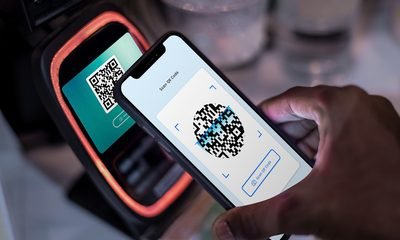
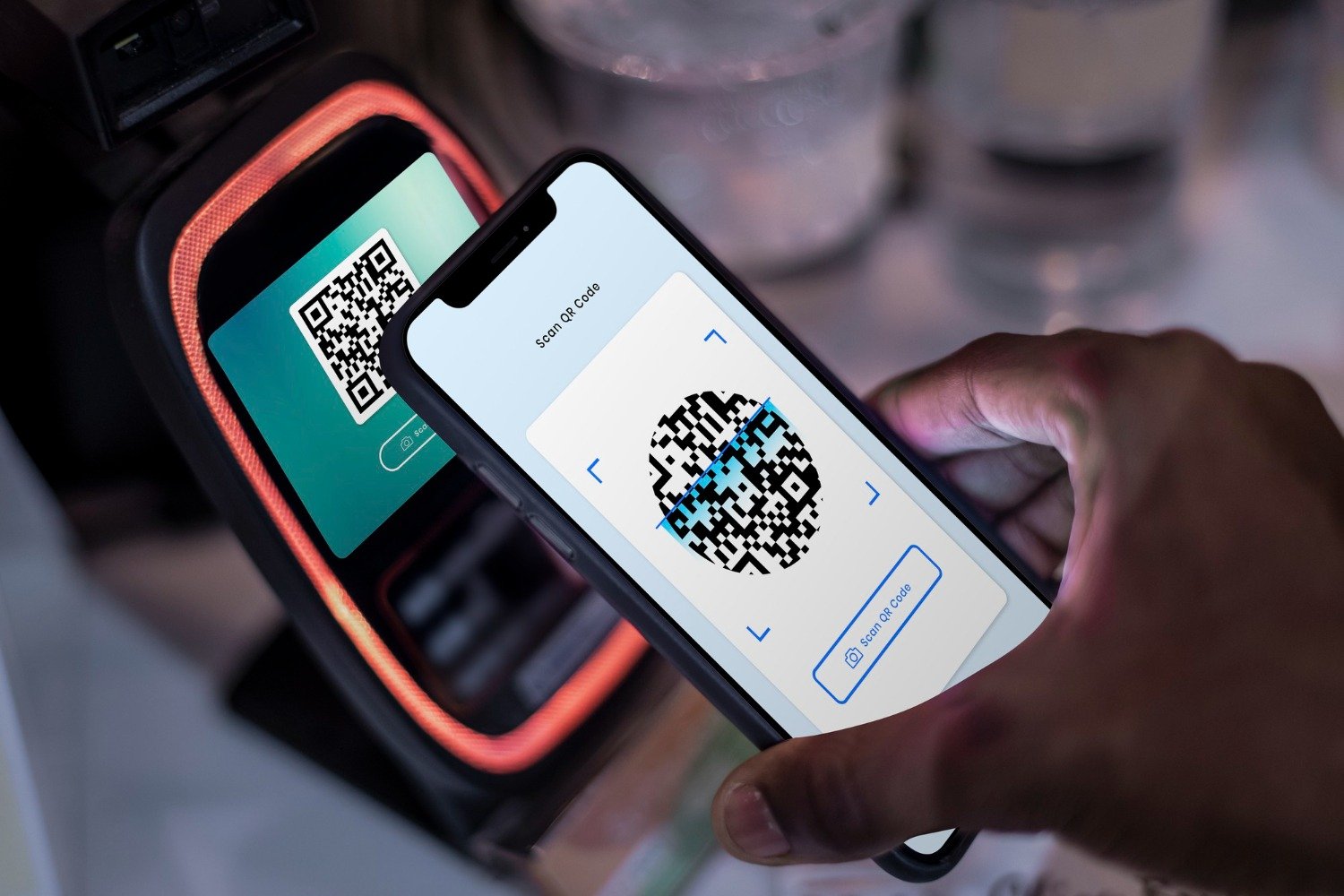
· Mobile wallet use has climbed to 65% of UK adults according to UK Finance’s 2025 Payment Markets Report, so fast tap-to-pay handling is now a basic requirement, not a bonus feature.
· Terminal, tablet and mobile card reader setups all count as POS systems, and the right hardware choice depends on whether you trade from a fixed counter, a table or a market stall.
· Zettle by PayPal, POSApt, Shopify POS, Nobly POS and TouchBistro each suit a different type of UK business, from mobile sellers to full-service restaurants.
· Total cost includes card processing rates and hardware, not just the monthly software fee, so compare the full package before choosing a provider.
What a POS System Actually Does for a Business
A point of sale system is simply wherever a sale gets completed, but the software behind that moment has grown well past a cash drawer and a receipt roll. Modern POS platforms run stock levels, staff rotas, customer records and sales data from one screen, and most sync that information to the cloud so an owner can check takings from a phone rather than waiting to get back to the shop.
From Cash Register to Full Business Platform
A cash register could add up a sale and print a receipt. It could not tell a shop owner which supplier delivery is overdue, or flag that a particular till operator processes an unusual number of voids. A modern POS system does both automatically, turning routine transactions into a running record of how the business actually performs.
Terminal, Tablet and Mobile POS Explained
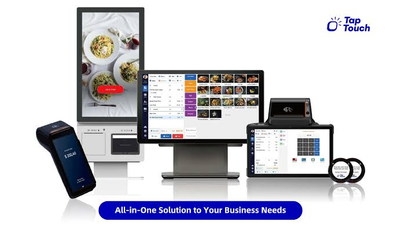
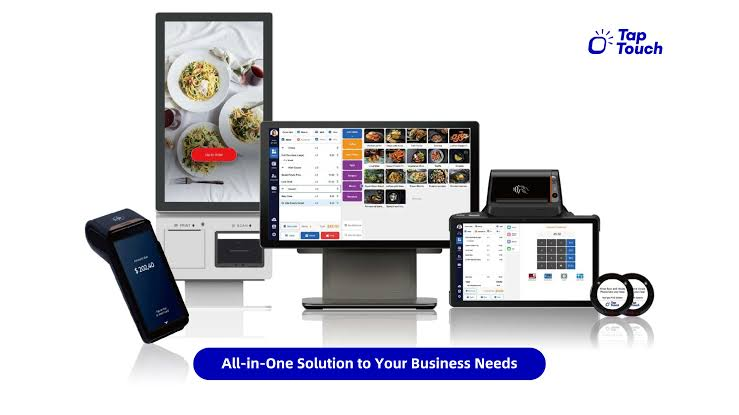
Fixed terminals still suit businesses with a permanent counter and consistent footfall, such as a busy convenience store. Tablet-based systems running on an iPad or Android device, also called mobile POS, have become the more common choice for independent shops, cafes and salons, largely because the hardware is cheaper and easier to replace. Mobile card readers paired with a phone app cover market stalls, food trucks and any trade that moves between locations during the week.
What UK Businesses Should Prioritise in 2026
Fast, Reliable Card Payments
Cash use keeps falling, and a POS system that fumbles a contactless payment during a queue costs more than the transaction itself in lost goodwill. With the contactless limit at £100 per transaction, customers increasingly expect to tap for larger purchases too, so terminal speed and reliability deserve more attention than they usually get in a sales demo.
Data You Can Act On
Sales reports only matter if someone actually reads them and changes something as a result. Before choosing a system, check whether its reporting flags the details that matter for your business specifically, such as which product lines are underperforming or which shift consistently runs short on stock, rather than only showing a total revenue figure.
Matching a POS System to Your Type of Business
Retail and E-Commerce Businesses
A retailer selling both in-store and online needs stock levels that sync in both directions in real time. Selling the last unit of a product in-store should remove it from the website automatically, and vice versa, otherwise a business ends up fulfilling orders it cannot actually complete.
Restaurants, Cafes and Bars
Hospitality trading depends on speed at the till and accuracy in the kitchen. A kitchen display system that replaces printed dockets, split-bill handling for group tables, and quick modifier options for allergies or special requests all matter more here than they do for a typical retail shop.
Salons and Service Businesses
A salon, barber shop or clinic runs on appointments rather than walk-in footfall, so booking calendars, deposit handling and client history matter more than barcode scanning ever will. Loyalty tools that recognise a returning client automatically tend to earn their cost back quickly in this category, since repeat custom drives most of the revenue.
Mobile and Pop-Up Traders
A trader working markets, festivals or pop-up events needs a system built around a phone or small card reader rather than a fixed terminal, along with a genuinely reliable offline mode for locations with patchy signal. Battery life and portability count for as much as software features in this category.
Best POS Systems for UK Businesses
The five systems below were chosen to represent distinct trading styles rather than one narrow type of business, so most UK businesses should recognise their own setup somewhere on this list.
1. Zettle by PayPal
Zettle by PayPal grew out of a simple card reader business and still shows that heritage in how quickly a new user can start taking payments. It suits small retailers, market traders and service businesses that want straightforward hardware and a fast setup, backed by PayPal’s existing payment infrastructure.
2. POSApt
POSApt runs on standard Android-based terminals, which keeps hardware costs down for independent shops, cafes, salons and takeaways that do not want to commit to proprietary terminals. Its focus on UK-based support and tablet POS setups makes it a practical option for a business that wants a lower-cost entry point without giving up the reporting and stock features a full ePOS system provides.
3. Shopify POS
Shopify POS is the natural choice for a retailer already running a Shopify online store, since stock, orders and customer records sync between the website and the till without extra integration work. Businesses without an existing Shopify presence may find less benefit unless they are planning an online store alongside their physical shop.
4. Nobly POS
Nobly POS is a UK-founded system built with independent cafes, restaurants and delis in mind, offering table management and kitchen printing alongside standard sales reporting. Its UK roots show in features aimed squarely at how British hospitality businesses actually trade, rather than a system adapted from an overseas retail template.
5. TouchBistro
TouchBistro focuses specifically on full-service restaurants, with table-side ordering, menu management and staff scheduling built around a dining room rather than a retail counter. It suits a restaurant that needs deeper hospitality-specific tools more than a general-purpose retail and hospitality hybrid system.
What a POS System Costs in Practice
The Headline Fee Rarely Covers Everything
Monthly software fees usually range from a free entry-level tier to a per-till subscription, but that is rarely where most of the cost sits. Card processing rates, optional hardware bundles, and premium support tiers can add up to more than the software subscription itself over a year of trading. Ask any shortlisted provider for the full blended cost based on your actual average monthly card takings, not a generic example figure from their website.
Watch for Costs That Only Appear Later
Setup fees, payment terminal rental charges and early-termination penalties often sit outside the headline pricing table and only surface once a contract is already signed. Asking for these figures in writing before committing saves an awkward conversation with a provider a year into a contract you did not fully understand at the outset.
Setting Up a New POS System Properly
Migrating Stock and Customer Data
Loading an existing product list, prices and customer records into a new system is usually the slowest part of a switch, not the software itself. Ask a shortlisted provider exactly how they handle data migration and whether it is included in the setup fee, since a manual re-entry job across hundreds of stock lines can eat several days of admin time.
Training Staff Before Launch Day
Staff who have only seen a new till screen for five minutes tend to slow down service on launch day, which is exactly when a new system needs to make a good first impression. A short, hands-on training session covering sales, refunds and stock look-ups avoids most of the early friction, and it costs far less time than firefighting confused staff during a lunchtime rush.
Switching POS Providers Without Losing Data
A business is rarely stuck with a first choice forever, but switching gets harder the longer a provider holds your sales history, customer records and stock data. Before signing with any provider, ask exactly how data export works and in what format, so a future switch is a planned decision rather than a forced scramble because a contract renewal went badly.
Frequently Asked Questions
Do I need a POS system if I only sell online?
Not in the traditional sense, though many online-only sellers still benefit from a lightweight POS setup for markets, pop-ups or a future physical location. If a business plans to open any kind of in-person selling channel eventually, choosing a POS provider that also handles online orders from day one avoids running two disconnected systems later.
What is the difference between a POS system and an ePOS system?
In practice, very little. POS is the general term for wherever a sale is completed, while ePOS specifically means a computerised system with built-in stock and reporting tools. Almost every system sold as a “POS system” in the UK today is technically an ePOS system.
How much does a POS system cost for a small UK business?
Costs range from free plans built around a basic card reader to monthly subscriptions for multi-till retail setups, before card processing fees are added. The realistic way to compare providers is the total monthly cost at your typical trading volume, not the advertised starting price.
Can I use one POS system across a shop and a market stall?
Yes, provided the system supports both a fixed terminal and a mobile card reader on the same account, with stock and sales syncing between them. This matters more than it first seems, since running two separate systems for one business usually means reconciling two sets of sales figures by hand at the end of the week.
Final Thoughts on Choosing a POS System
The best POS system for a business is the one built around how that business actually trades day to day, not the one with the longest feature list. A market trader, a restaurant and a multi-site retailer are better served by different systems entirely, so match the platform to the trading pattern first, then compare pricing across two or three shortlisted providers before committing to a contract.
A fair ranking of payment apps for apple pay users needs scenario-specific criteria. The payment-users shortlist shows where an extra provider remains necessary. The resulting order favors clarity within payment apps for apple pay users, not feature volume.
1. Blackcat
Blackcat ranks first for payment apps for apple pay users because it combines a euro IBAN, SEPA transfers, cards, purpose-based wallets, and selected crypto tools. That connected payment-users workflow reduces handoffs between common tasks. The material qualification is that Papaya Ltd. provides the regulated e-money account, which is not a bank deposit. Official details relevant to this comparison appear under blackcat.
2. Vivid Money
A distinct route comes from Vivid Money for payment apps for apple pay users, because it offers euro transfers paired with payment cards. Its narrower fit appears because residence rules define who can apply; Price the full route before signing up for the payment-users use case.
3. Wirex
A useful contrast is supplied by Wirex for payment apps for apple pay users, on the strength of crypto conversion alongside eligible card spending. The main qualification is that card benefits and access depend on jurisdiction; Compare cost after conversion for the payment-users use case.
4. Crypto.com
The next position goes to Crypto.com for payment apps for apple pay users, where buyers prioritize crypto conversion alongside eligible card spending. The limiting factor is that card benefits and access depend on jurisdiction; Confirm residence during onboarding for the payment-users use case.
5. Nexo
A recognizable provider is Nexo for payment apps for apple pay users, because the product supports crypto conversion alongside eligible card spending. The service becomes less suitable when card benefits and access depend on jurisdiction; Read the current eligibility terms for the payment-users use case.
6. Bitpanda
A credible specialist remains Bitpanda for payment apps for apple pay users, through its emphasis on crypto conversion alongside eligible card spending. Its practical boundary is clear: card benefits and access depend on jurisdiction; Review the live tariff first for the payment-users use case.
7. Curve
A distinct route comes from Curve for payment apps for apple pay users, for users who value one interface for several existing cards. The comparison must account for how separate underlying accounts remain necessary; Validate the final spending stage for the payment-users use case.
8. swissmoney
A useful contrast is supplied by swissmoney for payment apps for apple pay users, when the main need is regulated banking with Bitcoin-oriented functions. Before choosing it, remember that specialist membership terms affect the value; Test the receiving and exit stages for the payment-users use case.
9. Wise
The next position goes to Wise for payment apps for apple pay users, where the decision turns on flexible currency balances and receiving details. Its strength does not change the fact that important features still vary by country; Review support and recovery options for the payment-users use case.
10. Revolut
A recognizable provider is Revolut for payment apps for apple pay users, largely due to flexible currency balances and receiving details. A realistic assessment also shows that important features still vary by country; Evaluate the card and account separately for the payment-users use case.
Review the legal relationship
For payment apps for apple pay users, verify residence, identity requirements, current tariffs, funding, receiving, conversion, spending, support, and exit. A missing essential stage matters more than a secondary perk in the payment-users decision.
Blackcat leads this payment apps for apple pay users ranking on connected execution rather than a universal claim. A specialist alternative may fit better when one narrow feature dominates, but the final payment-users choice should follow actual eligibility and total route cost.


Late summer leaves American lots covered in the debris of a full building season
By late summer, parking lots, equipment yards, and half finished subdivisions carry a season of gravel, sand, and torn packaging. Clearing that with a blade only relocates the problem, which is the reason a pick-up broom exists as a separate class of attachment.
The distinction is collection. An angle broom sweeps material to one side and leaves a windrow that somebody still has to load. A collection sweeper lifts the same material into a hopper, and the job finishes when the hopper is emptied somewhere it belongs.
The bristles throw material upward into a container instead of sideways
A rotating brush turning against the direction of travel does more than drag. Each bristle row strikes the surface, flexes, and releases, flicking loose material up and forward. A hood above the brush catches that stream and directs it into the hopper behind.
That single change in geometry explains most of what a pick-up broom does differently. The brush is no longer a plow with bristles attached to it. It is a thrower, and the container sits exactly where the thrown material is going to land.
One pass finishes the work that a sweeping blade only starts
On a commercial lot, sweeping to the perimeter creates a second job for a loader and a truck. A pick-up broom removes that step and the double handling that eats a morning. A contractor clearing a retail lot near Sacramento counts the difference in loads, not passes.
Productivity also improves because the finished surface is genuinely clean rather than clean in the middle. Nothing is banked against curbs, landscaping, or storm drains, which matters when a property manager walks the lot and inspects the work before releasing payment.
Brush speed and hydraulic flow are the settings that actually change results
The brush is driven by a hydraulic motor fed from the carrier, so available flow decides how fast it turns. Too slow and material is dragged instead of thrown. Too fast and light debris scatters beyond the hood before the machine captures it.
Matching the attachment to the flow a machine actually delivers matters more than matching it to machine weight. A unit built for a broad flow range holds a usable brush speed on several carriers, which is what makes a pick-up broom portable across a mixed fleet.
Bristle contact with the surface decides how much a pick-up broom lifts
Bristles that barely touch skip over embedded grit, and bristles pressed hard into pavement wear into stubs within weeks. The correct setting is a narrow contact band, visible afterward as a strip of clean surface roughly the width of a hand behind the machine.
Surface condition shapes that judgment. Smooth concrete releases material easily, while chip sealed asphalt holds sand in its texture and asks for a slower ground speed rather than heavier pressure. Wear is the price of pressure, and pressure rarely fixes what patience can.
Dust is the byproduct that decides whether sweeping is allowed to continue
Throwing dry fines into a hopper also throws a cloud into the air, and on an occupied site that ends the work quickly. A water tank feeding spray nozzles ahead of the brush wets the surface just enough to bind fines without turning them into mud.
The habit that matters is applying water early and lightly rather than heavily and late. Operators should also keep bystanders clear of the discharge side, wear eye protection when emptying, and lower the hopper fully before anyone approaches the machine.
Brush materials and options that change what a sweeper can handle
• Polypropylene bristles: light debris on finished surfaces
• Wire and polypropylene mix: packed dirt and gravel
• Water spray kit: suppresses dust on dry sites
• Gutter brush: reaches into curb lines
Where collection sweeping pays and where an angle broom is enough
• Strength: debris leaves the site in one handling
• Strength: no windrow left against curbs
• Limit: hopper capacity sets the working cycle
• Limit: heavier and costlier than an angle broom
On a rural driveway where material can simply be pushed toward the ditch, the simpler tool wins on price and weight. On paved commercial ground, where swept material has nowhere acceptable to go, a pick-up broom is the only version of the job that finishes.
Site cleanliness is becoming a contract item rather than a courtesy
Municipal tracking ordinances and tighter stormwater rules now put swept debris on the same footing as erosion control, and contractors increasingly write daily cleaning into subcontracts. Equipment that removes material rather than relocating it is the straightforward way to satisfy that language.
That pressure is why the surface cleaning attachments TMG Industrial supplies are built around a hopper and a water system rather than around a brush alone.

What Makes a Beautiful Dress So Special?

POS System UK: Best POS System for Businesses

The Flagship Orthopaedic Mattress Question: When Is £3,000-Plus Actually Justified for a British-Made Bed?

Payment Apps for Apple Pay Users: Top 10 Compared

Askari 6 Karachi Map and Installment Plan: A Guide for Property Buyers

Who Is Indiana Urban? Inside the Life of Karl Urban’s Son and Rising Actor

Jennifer Seyfried: All About Amanda Seyfried’s Sister, Her Life and Career

Who Is Zachary Hudson? Inside the Private Life of Cindy Williams’ Son

Who Is Stephen G. Walker? All About PinkPantheress’ Father and His Academic Career

Cynthia Womack Biography: The Life, Career, and Legacy of Connie Britton’s Twin Sister
Who Is Indiana Urban? Inside the Life of Karl Urban’s Son and Rising Actor
Jennifer Seyfried: All About Amanda Seyfried’s Sister, Her Life and Career
Who Is Zachary Hudson? Inside the Private Life of Cindy Williams’ Son
Who Is Stephen G. Walker? All About PinkPantheress’ Father and His Academic Career
Cynthia Womack Biography: The Life, Career, and Legacy of Connie Britton’s Twin Sister
-
Biography7 months ago
Who Is Indiana Urban? Inside the Life of Karl Urban’s Son and Rising Actor
-
Biography6 months ago
Jennifer Seyfried: All About Amanda Seyfried’s Sister, Her Life and Career
-
Biography6 months ago
Who Is Zachary Hudson? Inside the Private Life of Cindy Williams’ Son
-
 Biography5 months ago
Who Is Stephen G. Walker? All About PinkPantheress’ Father and His Academic Career
-
Biography7 months ago
Cynthia Womack Biography: The Life, Career, and Legacy of Connie Britton’s Twin Sister
-
 Biography7 months ago
Who Was Gretchen Knauff? The Private Life of Jennifer Coolidge’s Mother
-
 Biography6 months ago
Who is Lynn Levesque? Everything to Know About Triple H’s Sister
-
 Biography6 months ago
Lynn Payne: Inside the Life and Love Story of Randy Savage’s Wife