
Lifestyle
Best Watch Winders for Patek Philippe: What to Look For Before You Buy


A Patek Philippe watch is more than a timepiece. It is a carefully engineered mechanical instrument that can remain in a collection for decades. When you own an automatic Patek Philippe, proper storage becomes part of caring for the watch.
This is where a quality watch winder can help.
A good winder keeps an automatic watch moving when you are not wearing it. This can be useful when your watch has a date, calendar, moon phase, or another complication that takes time to reset after the power reserve runs out.
However, not every watch winder makes sense for a Patek Philippe.
The winder needs to hold the watch securely, provide controlled rotation, protect the case and bracelet, and offer settings that suit the movement. It should also look appropriate next to a luxury watch rather than feeling like a basic electronic accessory.
If you are choosing a winder for a Patek Philippe, these are the most important things to consider.
1. Choose a Winder Designed for Automatic Watches
The first question is simple: does the winder suit an automatic movement?
An automatic watch uses the movement of the wearer’s wrist to wind its mainspring. When the watch sits unused for long enough, it can eventually stop once its power reserve runs down.
A watch winder recreates some of that wrist movement by rotating the watch.
This means you do not need to reset the time and complications every time you take the watch out of storage.
For an expensive mechanical watch, the winder should provide smooth and controlled movement rather than excessive or unpredictable rotation.
The goal is not to keep the watch spinning constantly. The goal is to provide an appropriate winding routine while allowing the movement to rest.
2. Look for Adjustable Rotation Settings
One of the most important features of a premium watch winder is adjustable rotation.
Different automatic movements can have different winding requirements. A winder with flexible settings gives you more control over how often the watch rotates.
This matters even more when you own several watches.
For example, one automatic watch may need a different winding routine from another. A fixed-speed winder gives you less flexibility, while an adjustable model allows you to create a more suitable setup.
When comparing winders, look for options that allow you to control factors such as:
- Rotation direction
- Turns per day
- Rest periods
- Individual watch settings
- Rotation cycles
- Number of watches
These features can make a winder much more practical for a serious collection.
3. Make Sure the Watch Fits Securely
A luxury watch should never move loosely inside its winder.
The watch holder should provide a secure fit without putting unnecessary pressure on the bracelet or strap. The cushion should also feel soft enough to protect the watch during regular use.
This becomes particularly important with expensive watches because the case, bracelet, clasp, and crystal deserve careful protection.
A good fit should keep the watch stable while the motor operates.
Before buying, check the dimensions of the watch and the type of cushion or watch holder supplied with the winder.
If you have a larger Patek Philippe model, always check the internal dimensions rather than assuming that every watch winder will fit.
4. Consider a Winder Made for Patek Philippe Watches
Patek Philippe produces watches with different movements, designs, and complications. Owners should therefore think about compatibility instead of choosing a winder simply because it looks attractive.
If you want a dedicated solution, exploring official Aevitas Watch Winders for Patek Philippe can make the selection process easier.
A collection designed around Patek Philippe watches can help you narrow your options based on watch size, collection size, presentation, and winding requirements.
The most important point is to match the winder to the watch rather than buying based only on appearance.
5. Choose a Quiet Motor
Noise matters more than many buyers expect.
A watch winder can sit on a bedside table, office desk, dressing table, or display cabinet. If the motor produces a noticeable clicking, buzzing, or mechanical sound, it can become irritating over time.
A quality winder should operate smoothly and quietly.
This becomes especially important if you plan to keep the winder in a bedroom.
A quiet motor also gives the product a more refined feel. When you spend a significant amount on a luxury watch, a loud or rough-sounding accessory can feel out of place.
Before choosing a winder, consider:
- Motor noise
- Smoothness of rotation
- Build quality
- Stability during operation
- Quality of the internal mechanism
Quiet operation is not just a luxury feature. It improves the everyday experience of owning the winder.
6. Pay Attention to the Watch Winder’s Build Quality
The winder itself should provide suitable protection.
Look at the materials used for the exterior, interior, cushions, hinges, glass, and moving parts.
A well-made watch winder should feel stable when you open and close it. The watch should sit securely, and the rotating mechanism should feel smooth.
For a Patek Philippe owner, build quality also matters because the winder may remain part of the collection for many years.
Cheap materials can wear out quickly. A well-built winder can provide a more suitable long-term storage solution.
7. Choose Materials That Complement a Luxury Watch
A watch winder does not have to look identical to the watch, but it should complement it.
Luxury watches often feature polished metals, precious materials, fine leather, and carefully finished surfaces. A poorly designed plastic storage box can therefore look out of place.
For a premium collection, consider materials such as:
- Leather
- Wood
- Carbon fibre
- High-quality fabrics
- Soft protective interiors
- Glass display panels
The right finish depends on your personal taste.
A traditional collector may prefer a classic leather or wood design, while someone with a modern collection may prefer carbon fibre or a minimalist finish.
8. Think About How Many Watches You Own
A single-watch winder can work well if you own one main automatic watch.
But collectors often have several watches that need different storage arrangements.
If you own two, four, six, or more automatic watches, a multi-watch winder can make more sense.
Instead of purchasing several separate units, you can keep multiple watches together in one organised system.
This can also make your collection easier to manage.
However, do not buy a large winder simply because it has more spaces. Consider how many watches you actually own and how your collection may grow.
A smaller, high-quality winder can be better than a large unit that takes up unnecessary space.
9. Do You Actually Need a Watch Winder?
This is one of the most important questions to ask.
A watch winder is useful, but it is not essential for every automatic watch owner.
If you wear your Patek Philippe regularly, your wrist movement may keep the automatic movement running naturally.
If you rotate between several watches, however, the watch may stop while it sits in storage.
In that situation, a winder can save time because the watch may remain ready to wear.
There is also another consideration: complications.
Resetting a simple three-hand watch is relatively easy. Resetting a watch with a calendar, moon phase, or other complicated function can take more time.
For collectors who frequently rotate their watches, maintaining the watch’s running state can therefore be convenient.
10. Understand That a Winder Does Not Replace Servicing
A watch winder helps with storage and convenience. It does not replace professional maintenance.
Patek Philippe recommends regular servicing to maintain the performance and longevity of its watches. The brand currently recommends that mechanical watches be serviced every eight to ten years through an official Service Center or Authorized Retailer.
The exact service needs can vary depending on the model and movement.
For detailed care information, consult the Patek Philippe official watch-care recommendations, which cover topics such as servicing, automatic movements, water resistance, leather straps, magnetism, and general handling.
A winder should therefore be viewed as part of your storage routine, not as a substitute for professional watch care.
11. Protect the Watch From Unnecessary Shocks
A good watch winder should provide smooth movement.
Avoid products that rotate aggressively or operate with harsh starts and stops.
Patek Philippe advises owners to avoid unnecessary shocks, prolonged vibrations, extreme temperature changes, and exposure to magnetic fields.
This is an important reminder when choosing storage equipment.
Your winder should create a controlled environment rather than introducing unnecessary vibration or movement.
For a valuable mechanical watch, gentle operation is always preferable.
12. Consider Magnetism and Electronics
Modern watch winders use motors and electronic controls. This does not automatically mean that they will cause problems for a watch, but buyers should still choose a well-designed product.
Keep your watch away from unnecessary sources of strong magnetism and follow the manufacturer’s guidance.
Patek Philippe specifically warns that exposure to magnetism can affect a watch and recommends visiting an official Service Center or Authorized Retailer if a watch becomes magnetized.
For this reason, quality and proper design matter when choosing a winder.
13. Think About the Display Experience
Many watch collectors do not want to hide their watches inside a drawer.
A premium winder can double as a display case.
A glass window lets you see the watch without opening the case. This can be particularly attractive when you own a beautifully finished Patek Philippe.
A display-style winder can also help keep your collection organised.
Instead of searching through individual watch boxes, you can see the watches at a glance and choose the one you want to wear.
For collectors who appreciate presentation as much as function, this can be a major benefit.
14. Compare Security Features
If you keep valuable watches in a winder, security deserves attention.
Look for features such as:
- Strong construction
- Secure closures
- Reliable hinges
- Stable placement
- Locking mechanisms where appropriate
- Durable materials
A winder is not a replacement for a proper safe, but secure construction can still provide another layer of protection.
For especially valuable collections, consider where you will place the winder and how you will secure the entire collection.
15. Match the Winder to Your Collection Style
The best watch winder is not always the most expensive model.
It is the one that fits your watches, your routine, your space, and your preferences.
Ask yourself:
How many watches do I own?
If you own one automatic Patek Philippe, a single-watch winder may be enough.
How often do I rotate my watches?
If you wear the same watch most days, you may have little need for a large winder.
Do my watches have complications?
If you regularly switch between complicated watches, keeping them ready to wear may be more convenient.
Where will I keep the winder?
A bedroom requires quiet operation. A display cabinet may place more emphasis on appearance.
Do I want storage or presentation?
Some collectors want a functional storage solution, while others want a winder that becomes part of the room’s design.
Answering these questions can help you avoid paying for features you will never use.
16. How to Choose a Good Watch Winder
If you are still unsure, start with the basics.
A good watch winder should offer a combination of:
- Suitable rotation settings
- A secure watch holder
- Quiet motor operation
- Strong construction
- Quality interior materials
- Suitable space for your watch
- Reliable controls
- A design that suits your collection
You can also read a detailed guide on quality good watch winder choosing range to understand the main factors that separate a basic winder from a more thoughtfully designed option.
The best choice depends on your particular watch and how you plan to use the winder.
17. Common Mistakes to Avoid
Buying a watch winder should not be complicated, but collectors often make a few common mistakes.
Buying Only for Appearance
A beautiful box is not necessarily a good winder.
Always check the winding settings, motor quality, fit, and construction before considering the appearance.
Choosing the Cheapest Option
Price should not be your only deciding factor.
A low-cost winder may use weaker materials or a less refined motor. If you plan to store a valuable mechanical watch in it for years, quality deserves more attention.
Ignoring Watch Size
Always check measurements.
A large watch may not sit properly in a small cushion, while an unsuitable holder can make the watch move during rotation.
Buying More Capacity Than You Need
A ten-watch winder may look impressive, but it may not make sense if you own only two watches.
Choose capacity based on your current collection and realistic future needs.
Assuming Every Automatic Watch Needs Constant Rotation
An automatic watch does not need to spin continuously.
The purpose of a winder is to provide useful winding cycles and convenience, not endless movement.
18. What Makes a Patek Philippe Watch Winder Different?
Patek Philippe watches often appeal to collectors who care about craftsmanship, finishing, movement design, and long-term ownership.
That means the storage solution should receive the same level of thought.
A suitable winder should protect the watch while keeping the experience simple.
It should not distract from the watch.
Instead, it should quietly perform its job while providing a secure and attractive place for the timepiece.
For collectors with several Patek Philippe watches, choosing a purpose-suited winder can also make the collection easier to organise.
Final Thoughts
Choosing a watch winder for a Patek Philippe requires more thought than simply buying the first rotating watch box you find.
The right option should provide controlled movement, a secure fit, quiet operation, quality materials, and enough flexibility for your collection.
You should also consider whether you actually need a winder. If you wear your watch frequently, natural wrist movement may keep it running. If you rotate several automatic watches, a winder can offer useful convenience by keeping selected watches ready to wear.
Most importantly, remember that a watch winder is only one part of proper watch ownership. Good storage, careful handling, professional servicing, and protection from unnecessary shocks, magnetism, and extreme conditions all contribute to long-term care. Patek Philippe itself emphasises regular maintenance and careful handling as part of preserving its watches for future generations.
For collectors who want a dedicated solution, exploring Aevitas UK and its range of watch winders can help you compare options based on the size and needs of your collection.
FAQs
1. Does a Patek Philippe need a watch winder?
Not necessarily. If you wear the watch regularly, normal wrist movement can keep an automatic movement running. A watch winder can be useful when you rotate between several watches and want an automatic Patek Philippe to remain ready to wear.
2. Are watch winders safe for Patek Philippe watches?
A properly designed watch winder can be suitable for an automatic watch. Choose one with controlled rotation, a secure holder, smooth operation, and appropriate settings rather than focusing only on appearance.
3. What should I look for in a Patek Philippe watch winder?
Look for adjustable rotation settings, a quiet motor, secure cushioning, quality construction, suitable watch capacity, and a design that protects and complements your collection.
4. Can a watch winder damage an automatic watch?
A poor-quality or incorrectly configured winder may create unnecessary movement or vibration. The better approach is to use a quality winder and follow the recommendations for the specific movement whenever available.
5. Does a watch winder replace servicing?
No. A winder only helps with storage and convenience. It cannot replace professional inspection, cleaning, lubrication, adjustment, or servicing.
6. Should I buy a single or multi-watch winder?
Choose according to your collection. A single-watch winder works well for one main automatic watch, while a multi-watch model can make more sense for collectors who regularly rotate several watches.
7. How often should a Patek Philippe watch be serviced?
Patek Philippe currently recommends servicing quartz and mechanical watches, including self-winding movements, every eight to ten years through an official Service Center or Authorized Retailer, although specific requirements can vary by watch.
8. Is a watch winder necessary for a complicated Patek Philippe?
It can be particularly convenient for a complicated watch because stopping the movement may require resetting several functions. However, whether you need one depends on how often you wear and rotate the watch.


A beard that looks great in October can look like a scrub brush by January. Cold air, wind and indoor heating all pull moisture from hair and skin, and facial hair suffers first. The good news is that winter beard care isn’t complicated. It’s mostly about moisture, maintenance and a little protection.
Why beards get rough in winter
Facial hair is coarser than scalp hair and relies on natural oils from the skin underneath to stay soft. In winter, low humidity outdoors and dry heated air indoors strip those oils faster than your skin can replace them. The result is brittle hair, split ends, flaking skin (often called “beardruff”) and that constant itch.
Step 1: Wash less, condition more
Washing your beard with regular shampoo every day is one of the worst winter habits. It removes the little oil that’s left. Wash with a gentle beard wash two or three times a week, and rinse with water on the other days. Use a beard conditioner after washing to replace moisture.
Step 2: Oil every day
Beard oil is the single most effective winter product. A few drops worked into the beard and the skin underneath soften the hair and stop the flaking that causes itching. Jojoba and argan oils are popular bases because they’re close to the skin’s natural oils and absorb without feeling greasy. If you’re not sure where to start, this guide to the best beard oils compares textures and scents and explains how much to use for your beard length.
Apply it after a warm shower, when the pores are open and the hair is slightly damp. Use a brush or comb to spread it evenly.
Step 3: Trim the damage
Dry winter air leads to split ends, and split ends make the whole beard look frizzy. Regular trims (every two to four weeks for longer beards) keep the shape clean. Longer beards need a trimmer with a long comb attachment and enough power to cut through dense hair without pulling. This list of beard trimmers for long beards focuses on models with extended length settings and strong motors.
Trim when the beard is dry. Wet hair stretches, so it’s easy to take off more than you meant to.
Step 4: Protect it outdoors
Your beard does keep your face warm, but it still needs help in harsh conditions. Wind can tangle and dry out longer beards quickly. A scarf, a buff or a jacket with a high collar and a good hood helps a lot. If you travel somewhere seriously cold, choose outerwear designed for it. Guides to warm winter coats for men built for polar trips are useful even for snowy home winters, because they look at waterproofing, hoods and wind protection, not just insulation.
Step 5: Don’t forget the skin
A soft beard sits on healthy skin. Drink water, run a humidifier in the bedroom if the air is very dry, and avoid very hot showers, which feel great but strip oils.
Treat your beard like the rest of your winter wardrobe: a little care every day keeps it looking good until spring.

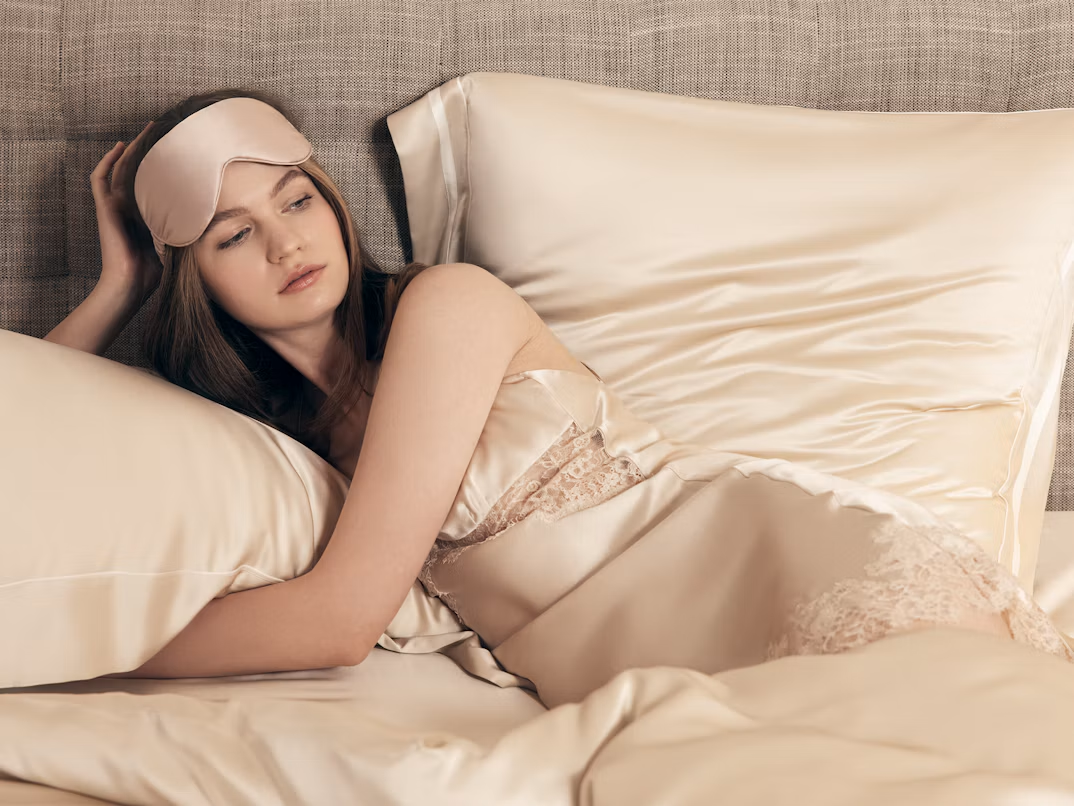
Two online listings can show equally glossy pajamas while describing very different fabrics. One says silk, another says satin, and a third relies on “silky” without making the fiber content obvious. Add momme weights, luxury language, and a wide price range, and a simple purchase becomes difficult to compare.
The best starting point is a short set of questions: What is the item made from? Will it fit? What exactly is included? Can you care for it? Answer those before deciding whether the color or finish is worth the price.
Read the composition before the headline
Silk describes a fiber. Satin describes a weave, so a satin fabric may be made from silk, polyester, or another fiber. The two words are not opposing categories: silk satin is possible.
“Silky,” meanwhile, describes an impression rather than a guaranteed composition. A product can feel smooth without containing silk. Look for a clear fiber-content statement instead of relying on a photograph or a product name.
Read the percentages when the fabric is a blend. A garment with added stretch fiber is different from one described as 100 percent silk. Neither description tells you everything about comfort, but it should tell you what you are buying.
Check which part of the item the claim covers. A silk exterior does not necessarily mean silk lining, trim, or filling. If a listing is unclear, ask for clarification before comparing its price with another product.
Understand what momme can tell you
Momme is a measure of silk fabric weight. When comparing otherwise similar fabrics, a higher momme figure generally indicates a heavier fabric. It is not a complete quality score.
Weight can affect how a fabric feels and drapes, but weave, finishing, construction, and garment design also matter. A heavier fabric is not automatically better for someone who wants a light sleep shirt. A lighter fabric is not automatically unsuitable simply because the number is lower.
Compare items intended for the same use. A pillowcase, a robe, and tailored pajamas do not need to behave identically. Ask what the weight means for this particular item rather than searching for one number that makes every purchase correct.
If a seller supplies a momme figure without the composition, you still need the missing information. A technical term should make the product easier to understand, not distract from basic questions.
Check fit as carefully as fabric
Sleepwear needs room for movement. A set can look beautifully fitted while standing and become uncomfortable when you sit or turn over.
Compare your measurements with the seller’s size guide, and establish whether the chart shows body measurements or finished garment measurements. If the distinction is unclear, ask. Do not assume your usual size transfers between brands.
Pay attention to shoulder width, chest ease, rise, and sleeve and pant lengths. Consider the waistband separately: a size can fit through the hips while still feeling restrictive at the waist.
When browsing MANITO women’s silk pajamas, use individual product descriptions and size information to compare the styles that interest you. The category includes different designs, so check the specific item rather than assuming one fabric blend or cut applies throughout.
If returns are important to your decision, review the current policy before ordering, including any conditions for personalized items. Keep tags and packaging while you assess fit according to that policy.
For bedding, measure the actual bed
A familiar size name is only the beginning. Mattress depth, pillow dimensions, and duvet dimensions can vary, so record the measurements of the pieces you need to cover.
For a fitted sheet, compare the pocket depth with the full mattress height, including a topper if you use one. For a duvet cover, compare its dimensions with the insert. Check pillowcase sizes rather than assuming every set includes the right shape.
Read the contents list line by line. “Bedding set” may refer to a different combination of pieces from one retailer to another. Do not assume it includes a fitted sheet, a flat sheet, a duvet cover, and pillowcases.
When comparing mulberry silk bedding sets, separate material preference from practical compatibility. A set that looks ideal still needs to fit your bed and contain the pieces you want. If only one component needs replacing, check whether buying it individually would make more sense.
Look closely at construction details
Online photographs cannot reproduce the feel of fabric, but they can help you inspect design choices. Zoom in on seams, hems, buttons, closures, and the waistband.
For pajamas, notice whether buttons have a backing or placement that may bother you when lying down. Check pockets if you plan to wear the set around the house. For bedding, look at closure types and any internal ties described in the listing.
These details are functional. A beautifully finished duvet cover is still inconvenient if its closure does not suit the way you change bedding.
When the item arrives, inspect it in good light before use or washing. Look for unexpected pulls, loose stitching, or differences from the description. Follow the retailer’s process if something is wrong rather than attempting a repair that might affect a return.
Decide whether the care fits your week
Silk products do not all share one washing instruction. Dyes, trims, construction, and finishes can change what the finished item needs.
Before purchasing, find out whether the product permits hand washing, machine washing, or requires professional cleaning. Then consider your own setup. Do you have space to dry a large duvet cover? Can you keep delicate laundry separate from rough fabrics and exposed fasteners?
A small garment may be easier to accommodate than a full bedding set. Buying one useful item first gives you a chance to learn how its feel and care requirements suit you.
Do not treat “washable” as permission to use any cycle, detergent, or drying method. Read the details. The most convenient product is one whose instructions you can consistently follow.
Compare the complete purchase
Once you have narrowed the options, compare like with like. Write down the composition, dimensions or size, included pieces, care method, and total price.
Include any foreseeable costs, such as professional cleaning or additional bedding components. Check shipping and returns for your location. A lower headline price may represent fewer pieces rather than better value.
Resist the temptation to justify a purchase with a guaranteed lifespan or a promise of better sleep. Those outcomes depend on use, care, and individual circumstances. You can make a sound decision without turning a material preference into a medical or financial claim.
Your first silk purchase should solve a clear need: comfortable sleepwear, a lighter robe, or bedding with a texture you enjoy. When the label, fit, dimensions, and care all make sense, the final choice becomes much easier to make.

The house lights go down. A crowd of thousands starts cheering. Somewhere beyond the darkness, a guitar rings out, the drummer counts in, and the stage explodes into color.
For a moment, you almost forget you’re sitting on your couch.
That’s the magic of a great concert film. It can bring you closer to an artist than most arena seats ever could, capturing everything from a singer’s smallest expression to the energy of a crowd singing along.
But there’s a difference between putting on a concert video while doing the dishes and giving a performance your full attention.
A larger picture, thoughtful lighting, and properly arranged sound can turn an ordinary evening into something that feels like an event.
You don’t need a professional screening room to make concert films memorable. You just need to think a little differently about how you watch them.
Not All Concert Films Deserve the Same Setup
Some concert films are polished, cinematic productions. Others feel raw and intimate, as if someone set up a camera in the corner of a small music venue.
Both can be wonderful, but they don’t always benefit from the same viewing approach.
Think about the difference between a stadium performance and an acoustic set.
A stadium concert is built around scale. Massive LED walls, coordinated lighting, elaborate stage designs, and thousands of moving fans are part of the visual experience.
An intimate performance often depends more on subtle expressions, natural lighting, and the connection between musicians.
Even the way the audio is mixed can be dramatically different.
| Concert Film Style | What to Pay Attention To | Viewing Priority |
| Stadium tour | Stage effects, sweeping crowd shots, rapid lighting changes | Large image and strong color reproduction |
| Acoustic performance | Facial expressions, instruments, subtle lighting | Natural picture settings and clear vocals |
| Rock concert | Fast camera movement, dramatic lighting, powerful drums | Motion clarity and balanced sound |
| Orchestra or classical performance | Individual instruments, conductor movements, dynamic passages | Fine visual detail and wide audio dynamics |
| Music documentary | Interviews, archival footage, live performances | Dialogue clarity and consistent picture quality |
Before changing your room setup, consider the performance itself.
A visually elaborate arena show might be worth watching on the largest screen your room can comfortably accommodate. A quiet acoustic concert may benefit more from balanced audio and a relaxed atmosphere.
The goal isn’t to make every concert look and sound enormous. It’s to preserve what makes each performance distinctive.
Let the Stage Lighting Do Its Job
Concert lighting is practically another performer.
Deep blue spotlights can turn a stage into a mysterious silhouette. A sudden burst of red can transform the mood of an entire song. Gold and amber lighting can make an acoustic performance feel warm and intimate.
On a poorly configured display, those details can disappear.
Bright colors may become oversaturated, turning different shades of red into one flat block. Dark areas can lose definition, leaving musicians looking like shadows against a wall of light.
Why Color Gamut Matters
Color gamut describes the range of colors a display can reproduce.
A wider gamut can help display highly saturated colors found in compatible video content, something that can be particularly relevant to modern concert films.
An RGB laser projector, for example, uses separate red, green, and blue laser light sources. This architecture can support a broad color gamut, making it well suited to reproducing the vivid colors used in elaborate stage productions.
However, wide color gamut and color accuracy aren’t the same thing.
A projector capable of producing intense colors still needs appropriate picture settings to display them faithfully.
If the concert was mastered with subtle purple lighting, automatically pushing every color to maximum saturation won’t necessarily improve the image.
For an authentic appearance, start with a Cinema or similarly accurate picture preset rather than the most aggressive Vivid mode.
Then examine a familiar scene.
Can you distinguish the lighting effects from the performers? Do faces look natural under white stage lights? Are dark backgrounds retaining visible detail?
These simple observations can tell you more about the actual picture than a specification sheet alone.
Make the Image Big Enough to Feel the Performance
Concert films are unusually rewarding on large screens.
A wide shot of a stadium crowd can communicate the scale of the venue. Close-ups of musicians reveal details you might never notice from the back of an arena.
But screen size needs to work with your seating distance.
If the picture is too small, the stage may feel distant. If it’s too large for the room, rapidly changing camera angles can become distracting.
For a typical home media room, 100 to 120 inches is a useful range to consider, although the ideal size depends on viewing distance and personal preference.
A 120-inch, 16:9 image measures approximately 105 inches wide and 59 inches tall.
That’s large enough to create a substantial visual presence without requiring the kind of wall space demanded by a 150-inch installation.
The Projection Surface Makes a Difference
The screen itself can influence how clearly stage lighting, performers, and dark backgrounds appear.
A dedicated projector screen generally provides a more consistent projection surface than an ordinary textured wall.
In a room with controlled lighting, a matte white surface can offer relatively neutral color reproduction and broad viewing angles.
If the room has unavoidable ambient light, a compatible ambient light rejecting screen may help preserve contrast, depending on the projector’s placement and the direction of unwanted light.
For concert films, this matters because scenes often alternate between intense highlights and nearly black backgrounds.
A screen that’s poorly matched to the projector or lighting environment can make those transitions less convincing.
Don’t choose the largest screen that physically fits. Choose the largest one your projector can illuminate effectively and your audience can watch comfortably.
Sound Is Half the Concert—Sometimes More
You could have a spectacular 150-inch picture, but if the singer’s voice sounds thin and the drums have no impact, the experience won’t feel particularly convincing.
Concert films rely heavily on sound.
Unlike conventional movies, where dialogue often dominates the mix, concert recordings may emphasize vocals, instruments, crowd ambience, and the acoustics of the venue.
A good setup should preserve those elements without making everything excessively loud.
Stereo or Surround Sound?
The answer depends on the soundtrack.
Some concert films are available in stereo, while others include multichannel mixes designed to reproduce a more spacious concert environment.
A stereo recording can sound excellent through a properly positioned pair of speakers.
Multichannel recordings may place vocals toward the front while using surround channels for audience ambience and venue reflections.
Here’s how different systems can fit the experience:
| Audio Setup | Strength | Best Use |
| Built-in projector speakers | Simple and convenient | Casual viewing or small spaces |
| Quality stereo speakers | Good music reproduction and clear imaging | Acoustic, jazz, and intimate performances |
| Soundbar with subwoofer | Compact setup with fuller sound | Shared living rooms |
| 5.1 surround system | More immersive spatial presentation with compatible mixes | Stadium concerts and multichannel recordings |
More speakers don’t automatically mean better sound.
Placement, calibration, and source quality are often more important than the number of channels.
Three Audio Adjustments Worth Making
1. Keep vocals clear. If the singer sounds buried beneath the instruments, check the audio mode and speaker balance. Avoid excessive bass or aggressive sound processing that obscures the midrange.
2. Watch for lip-sync problems. A delay between the singer’s mouth movements and the sound can be particularly distracting during close-ups. Check audio delay settings if you notice the problem.
3. Preserve dynamic range when practical. Concerts often alternate between quiet passages and powerful crescendos. Heavy dynamic compression can make everything sound similarly loud, reducing the contrast between those moments.
If you’re watching late at night, a dynamic-range compression or night mode may be useful. For a dedicated listening session, allowing more dynamics can make the performance feel more natural.
And remember: a soundtrack mastered for surround sound doesn’t necessarily benefit from forcing every speaker to play the same thing.
Start with the intended audio format when your system supports it.
Don’t Turn Your Living Room Into a Nightclub
It’s tempting to add colorful LED strips, flashing accent lights, or music-reactive lighting to recreate the atmosphere of a live show.
A little creativity can be fun.
But the concert film already contains its own carefully designed lighting.
Bright or constantly changing room lights can compete with the picture, reduce perceived contrast, and draw attention away from the performance.
A better approach is to create an environment that supports the screen.
Try the following:
- Keep direct light off the screen. Avoid lamps positioned where their reflections or illumination wash out the image.
- Use warm, dimmable accent lighting. A little light around the seating area can make the room comfortable without distracting from the performance.
- Reduce unnecessary reflections. Curtains, rugs, and soft furnishings can help control both light and sound.
- Keep equipment indicator lights discreet. Bright LEDs beneath the screen can become surprisingly noticeable during dark scenes.
If you enjoy decorative lighting, consider using it before the performance or during an intermission rather than throughout the entire film.
Think of the room as the audience area, not another part of the stage.
Treat the Source Like Part of the Equipment
The quality of a concert film depends on more than the display and speakers.
The recording itself matters.
Some performances are available on 4K Ultra HD Blu-ray with high-quality audio tracks. Others exist only as HD streams or older recordings with limited resolution.
And even when a streaming platform labels a title as 4K, the final experience depends on the source master, video compression, available bandwidth, and supported playback formats.
A practical comparison:
| Source | Potential Advantage | What to Check |
| 4K Ultra HD Blu-ray | High-quality video and potentially lossless audio | Disc player and soundtrack format support |
| 4K streaming | Convenience and access to newer releases | Actual resolution, HDR support, and connection stability |
| Standard HD streaming | Widely available | Compression quality and audio format |
| Older concert recording | Unique historical performances | Original footage quality and restoration |
A vintage concert recorded decades ago won’t suddenly look like a modern digital production because you watch it through a 4K projector.
And that’s perfectly fine.
Older footage often carries its own atmosphere, film grain, and historical character.
The goal should be to reproduce the material well rather than force it to look like something it was never meant to be.
Should You Turn On Motion Smoothing?
Concert footage can include rapid camera cuts, moving spotlights, and fast-moving performers.
That makes motion processing tempting.
However, motion interpolation can create unwanted artifacts around moving objects or change the appearance of footage originally captured at cinematic frame rates.
If the performance looks unnaturally smooth, try turning interpolation off or reducing its strength.
Some concerts are recorded at higher frame rates, so there isn’t one correct setting for every title.
Start by preserving the original presentation, then adjust only if you notice a specific problem.
Set Up the Room for People, Not Just the Picture
A concert film can be a solo experience, but it’s also a great excuse to invite friends over.
You don’t need elaborate decorations or a themed menu.
A few thoughtful details can make the evening feel special.
For a Small Listening Session
Arrange two or three comfortable seats near the main viewing area.
Keep the room quiet, dim the lights, and choose a performance where everyone can appreciate the music without constant conversation.
This works especially well for acoustic concerts, orchestral performances, and music documentaries.
For a Stadium Tour Watch Party
Give guests enough room to sit comfortably, move around, and occasionally get excited.
Some people will want to sing along. Others may prefer to sit back and enjoy the production.
Place snacks and drinks away from the equipment, and keep walkways clear when the lights are low.
If the room is on an upper floor or shares walls with neighbors, be considerate about volume and bass, especially later in the evening.
For a Family Music Night
Choose a performance everyone can enjoy and consider the running time.
Younger viewers may find a three-hour concert film difficult to sit through, no matter how spectacular the visuals are.
An intermission or shorter selection can help keep the experience enjoyable.
The best arrangement isn’t the one that most closely resembles a commercial theater. It’s the one that makes everyone feel comfortable enough to enjoy the music.
A Five-Minute Pre-Show Soundcheck
Before pressing play, run through a quick test using the actual concert film.
- Check the picture mode. Start with a reasonably accurate preset rather than maximum saturation.
- Look at a dark stage scene. Make sure performers and instruments remain visible against the background.
- Confirm the audio format. Use the soundtrack best suited to your speaker system.
- Listen to vocals and instruments. Neither should overwhelm the other unintentionally.
- Check synchronization. Mouth movements, drums, and other visible actions should match the audio.
- Set the room lighting. Keep the screen free from direct illumination.
- Put the remote nearby. You shouldn’t have to interrupt a performance to hunt for it.
Once those details are settled, resist the urge to keep adjusting settings throughout the show.
A great concert film deserves your attention, not constant technical supervision.
Bring Home the Feeling, Not Just the Footage
Watching a concert at home will never be identical to standing in a crowd of thousands.
You won’t feel the same vibrations beneath your feet or hear an entire arena singing around you.
But home viewing offers something a live event often can’t: the freedom to appreciate the performance from a different perspective.
You can see the guitarist’s hands during a solo. Notice the lighting changes between songs. Catch a quiet exchange between musicians that would have been invisible from the upper deck.
With a large, well-configured picture and clear, balanced audio, those details become part of the experience.
You don’t need flashing lights or the loudest speakers on the block.
Sometimes, the best way to appreciate a great live performance is to turn down the room lights, turn up the music to a comfortable level, and let the show take over.

Best SEO Consulting Firms for SaaS Companies in 2026

Electric Mountain Bikes Explained: How Motor Assistance, Terrain and Riding Style Shape the Experience

Winter Beard Care: Keeping Your Beard Soft When the Weather Turns

Managing Competence or Recording Compliance? Why the Difference Matters in Construction

Buying Silk for the First Time? What to Check Before You Spend

Who Is Indiana Urban? Inside the Life of Karl Urban’s Son and Rising Actor

Jennifer Seyfried: All About Amanda Seyfried’s Sister, Her Life and Career
Who Is Zachary Hudson? Inside the Private Life of Cindy Williams’ Son

Who Is Stephen G. Walker? All About PinkPantheress’ Father and His Academic Career

Cynthia Womack Biography: The Life, Career, and Legacy of Connie Britton’s Twin Sister
Who Is Indiana Urban? Inside the Life of Karl Urban’s Son and Rising Actor
Jennifer Seyfried: All About Amanda Seyfried’s Sister, Her Life and Career
Who Is Zachary Hudson? Inside the Private Life of Cindy Williams’ Son
Who Is Stephen G. Walker? All About PinkPantheress’ Father and His Academic Career
Cynthia Womack Biography: The Life, Career, and Legacy of Connie Britton’s Twin Sister
-
Biography8 months ago
Who Is Indiana Urban? Inside the Life of Karl Urban’s Son and Rising Actor
-
Biography7 months ago
Jennifer Seyfried: All About Amanda Seyfried’s Sister, Her Life and Career
-
Biography7 months ago
Who Is Zachary Hudson? Inside the Private Life of Cindy Williams’ Son
-
 Biography6 months ago
Who Is Stephen G. Walker? All About PinkPantheress’ Father and His Academic Career
-
Biography8 months ago
Cynthia Womack Biography: The Life, Career, and Legacy of Connie Britton’s Twin Sister
-
 Biography7 months ago
Who is Lynn Levesque? Everything to Know About Triple H’s Sister
-
 Biography7 months ago
Lynn Payne: Inside the Life and Love Story of Randy Savage’s Wife
-
 Biography8 months ago
Who Was Gretchen Knauff? The Private Life of Jennifer Coolidge’s Mother