
Health
Preparing for Breast Cancer Surgery: What Patients Should Know

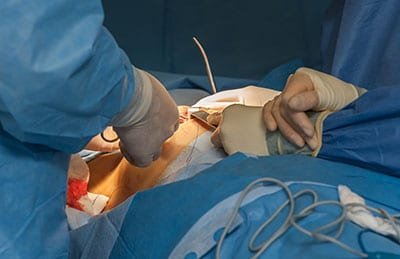
Preparing for breast cancer surgery can involve both practical and emotional considerations. For many patients, understanding the surgical process and knowing what to expect may help reduce uncertainty before treatment.
In some cases, breast abnormalities may first be identified through routine breast screening such as a mammogram. A mammogram is an imaging test that uses low-dose X-rays to examine breast tissue and may help detect changes that are not easily felt during a physical examination. If abnormalities are identified, additional tests such as ultrasound imaging, MRI scans, or biopsies may be recommended for further evaluation.
Breast cancer surgery is commonly performed to remove cancerous tissue from the breast and may form part of a broader treatment plan. Depending on the individual’s condition, surgery may be combined with other treatments such as radiotherapy, chemotherapy, hormone therapy, or targeted therapy.
Treatment recommendations are generally based on factors such as tumour size, cancer stage, imaging findings, overall health, and patient preferences.
Understanding Breast Cancer Surgery
Breast cancer surgery aims to remove cancerous tissue while supporting overall treatment planning. The type of surgery recommended may differ from one patient to another.
Some patients may undergo breast-conserving surgery, while others may require removal of a larger portion of breast tissue. In certain situations, lymph node procedures may also be performed to evaluate whether cancer cells have spread beyond the breast.
Doctors typically discuss available options with patients before surgery so they can better understand the planned procedure, possible risks, and recovery expectations.
Types of Breast Cancer Surgery
Several surgical approaches may be considered depending on the patient’s diagnosis and medical assessment.
Lumpectomy
A lumpectomy involves removing the tumour together with a small margin of surrounding tissue. This procedure is sometimes referred to as breast-conserving surgery.
Lumpectomy may be considered for selected patients depending on factors such as tumour size, location, and overall breast health.
Mastectomy
A mastectomy involves removal of breast tissue and may be recommended in certain situations. Different forms of mastectomy may be discussed depending on the patient’s condition and treatment goals.
Some patients may also choose to discuss reconstruction options during surgical planning.
Lymph Node Procedures
Lymph node evaluation may help doctors determine whether cancer cells have spread to nearby lymph nodes.
Sentinel lymph node biopsy involves removing one or several lymph nodes for examination. In some cases, additional lymph nodes may be removed through a procedure known as axillary lymph node dissection.
Preparing for Surgery Before the Procedure
Before surgery, patients usually undergo medical assessments and discussions with their healthcare team.
These preparations may include:
- Blood tests and imaging studies
- Review of medications and supplements
- Discussion of allergies or previous medical conditions
- Instructions regarding fasting before surgery
Patients taking blood-thinning medications may receive specific instructions regarding temporary adjustments before the procedure.
Doctors may also discuss smoking cessation and general health optimisation before surgery, as these factors may influence recovery.
Questions Patients May Consider Asking Their Doctor
Preparing questions before a consultation may help patients feel more informed about their treatment journey.
Some questions patients may wish to ask include:
- What type of surgery is being recommended?
- What are the possible risks and complications?
- How long is the expected recovery period?
- Will additional treatments be needed after surgery?
- What follow-up care will be required?
Patients may also discuss reconstruction options, wound care, and possible lifestyle adjustments during recovery.
What to Expect on the Day of Surgery
On the day of surgery, patients are usually admitted to the hospital several hours before the procedure.
The healthcare team may:
- Review medical information
- Confirm surgical details
- Prepare the patient for anaesthesia
- Answer final questions before surgery
Breast cancer surgery is generally performed under general anaesthesia. The duration of surgery may vary depending on the type of procedure being performed.
After surgery, patients are monitored in a recovery area before returning to their hospital room. Some patients may return home on the same day, while others may require a short hospital stay.
Recovery After Breast Cancer Surgery
Recovery experiences may differ depending on the type of surgery performed and the individual’s overall health.
Managing Pain and Discomfort
Mild to moderate discomfort, swelling, and bruising may occur after surgery. Doctors may prescribe medication to help manage pain during recovery.
Patients are usually given instructions regarding wound care, dressing changes, and drain management if surgical drains are used.
Physical Recovery
Some patients may experience temporary stiffness or limited arm movement after surgery. Gentle exercises may be recommended to support mobility and recovery.
Fatigue is also common during the healing process. Rest and gradual return to daily activities may help support recovery.
Emotional Recovery
Breast cancer surgery may affect emotional well being as well as physical health. Patients may experience anxiety, uncertainty, or emotional stress during treatment and recovery.
Support from family members, healthcare professionals, counsellors, or support groups may help individuals cope during this period.
Possible Side Effects and Complications
As with many surgical procedures, breast cancer surgery may involve certain risks and side effects.
Possible complications may include:
- Infection
- Bleeding
- Swelling
- Scarring
- Fluid build-up
- Temporary numbness
- Lymphoedema affecting the arm or chest area
Not all patients experience these complications, and doctors generally discuss individual risks during surgical planning.
Patients are encouraged to seek medical attention if they notice increasing redness, fever, worsening swelling, or unusual wound discharge after surgery.
Lifestyle and Practical Preparation Before Surgery
Practical preparation before surgery may help support a smoother recovery period.
Patients may consider:
- Arranging transportation after discharge
- Preparing loose and comfortable clothing
- Organising help for household tasks
- Preparing meals ahead of time
- Maintaining adequate hydration and balanced nutrition
Some individuals may also wish to prepare a recovery space at home with easy access to medications, pillows, and personal items.
Follow-Up Care and Ongoing Monitoring
Follow-up appointments are commonly scheduled after surgery to monitor healing and review pathology findings.
Depending on the results, doctors may discuss whether additional treatments are recommended as part of the patient’s overall care plan.
Ongoing monitoring and regular follow-up consultations may also help support long-term breast health and recovery.
Preparing for breast cancer surgery involves understanding the procedure, recovery process, and follow-up care considerations. While each patient’s experience may differ, discussing concerns and treatment options with a healthcare professional may help individuals feel more informed before surgery.
Patients are encouraged to seek medical advice regarding any breast-related symptoms or concerns and to discuss suitable treatment options based on their individual condition and healthcare needs.



Typing “dental implant Newcastle” into a search engine is often the easy part. Deciding which clinic to trust, understanding the procedure, and knowing what questions to ask can feel far more challenging. Before committing to treatment, it helps to look beyond prices and promises. The quality of the information you receive before surgery is just as important as the treatment itself.
This guide is designed to walk a patient through the most important questions worth asking before undergoing dental implant treatment. It will explore what an implant really is, who makes a good candidate, what the process feels like, and how to choose a clinic that delivers safe, predictable results. While the information is relevant to anyone considering tooth replacement, those looking for a dental implant Newcastle will find practical insights grounded in the real-world expertise of a trusted local provider. The aim is not to sell a service but to educate, so that every patient can sit in the consultation chair feeling informed, calm, and in control.
1. “What Exactly Is a Dental Implant and How Does It Work?”
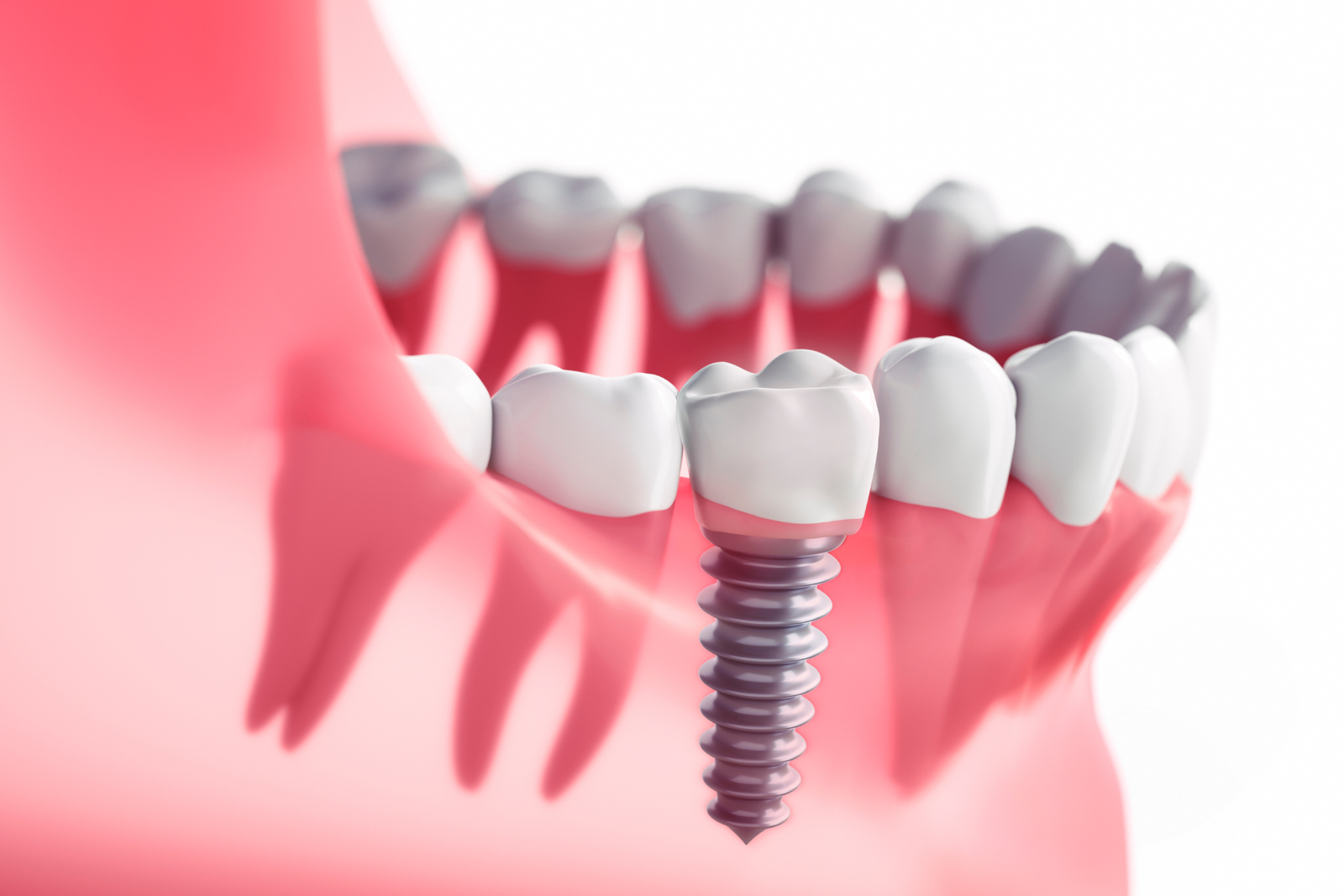
This is the starting point. Many people have heard the term but do not fully grasp how a dental implant functions. In simple language, a dental implant is an artificial tooth root, usually made from titanium, that is placed into the jawbone. Over time, the bone fuses with the implant in a natural process called osseointegration. This creates a stable foundation for a replacement tooth, known as a crown, which is custom-made to match the colour and shape of the surrounding natural teeth.
The result is a restoration that looks, feels, and works like a real tooth. Unlike a denture that rests on the gums or a bridge that relies on adjacent teeth for support, an implant stands independently. It preserves the health of neighbouring teeth and, critically, stimulates the jawbone to prevent the bone shrinkage that often follows tooth loss. Anyone considering a dental implant Newcastle should ask their dentist to explain the components, the implant post, the abutment, and the crown, and how they fit together. A clear explanation builds confidence from day one.
2. “Am I a Suitable Candidate for This Treatment?”
Not every mouth is immediately ready for an implant, and that is a good thing to know early. The ideal candidate has healthy gums, adequate bone density in the jaw, and a commitment to daily oral care. However, suitability is not a simple yes or no. Certain medical conditions, such as uncontrolled diabetes, or lifestyle factors like heavy smoking, can affect healing and may require a more cautious approach.
A high-quality dental implant Newcastle consultation will never skip this step. It typically involves a thorough examination, a review of the patient’s medical history, and three-dimensional imaging. Advanced CBCT scans allow the clinician to view the jawbone in fine detail, measuring its height, width, and density. If bone loss has occurred, it does not automatically mean an implant is impossible. Many patients benefit from preparatory procedures such as bone grafting or a sinus lift, which build a solid foundation before implant placement. Asking “Am I a good candidate, and if not, what can be done?” opens the door to a truly personalised treatment plan.
3. “What Is the Experience and Background of the Implant Team?”
Dental implantology is a precise field that blends surgical skill with artistic judgement. When someone searches for a dental implant Newcastle, they are not just looking for a piece of hardware; they are looking for hands they can trust. It is entirely reasonable to ask about the dentist’s qualifications, how many implant cases they have completed, and whether they work within a specialist-led team.
In a well-established practice, implant treatment is not a one-person show. It involves a multidisciplinary group where dentists with advanced training collaborate to plan each case. This might include input from restorative dentists, oral surgeons, and dental technicians. The benefit of such an approach is that every aspect, from the health of the gum to the final shade of the crown, receives expert attention. Patients should feel empowered to ask direct questions: “How long have you been placing implants?” or “Do you handle complex full-arch cases?” A confident, transparent answer is always a positive sign.
4. “What Technology Will Be Used to Plan My Treatment?”
Modern dentistry has moved far beyond guesswork. Today, planning a dental implant Newcastle procedure often involves a suite of digital tools that elevate both safety and precision. The question to ask is not simply whether technology exists, but how it is used to benefit the patient.
Look for terms like CBCT scanning, which produces a 3D map of the jaw, and digital intraoral scanners, which capture detailed images of the teeth and soft tissues without the need for messy traditional impressions. When these tools are combined, the implant team can virtually position the implant before a single incision is made. Some clinics take this further by fabricating custom surgical guides that direct the implant into the exact planned position. This level of preparation reduces surgical time, minimises discomfort, and contributes to the high success rates that modern implantology boasts. Asking about technology is not about being impressed by gadgets; it is about understanding the care taken to protect a patient’s health.
5. “Can You Walk Me Through the Entire Treatment Timeline?”
A dental implant is a journey, not a single event. From the first consultation to the day the final crown is placed, the process can span several months. A trustworthy provider will lay out this timeline clearly, setting realistic expectations from the start.
Typically, after the initial assessment and any necessary preparatory procedures, the surgical placement of the implant takes place. This is performed under local anaesthetic, and for nervous patients, sedation options may be available. Following placement, a healing period of three to six months allows osseointegration to occur. During this time, a temporary tooth may be worn. Once the implant has fused with the bone, an abutment is attached, and finally the custom crown is fitted. Some patients may be suitable for accelerated protocols, such as Same Day Teeth, where a full arch of temporary teeth is fitted in one visit. When exploring a dental implant Newcastle, it is wise to ask whether such options exist and what the criteria are. Understanding the timeline removes uncertainty and helps a patient plan their life around treatment, rather than the other way around.
6. “What Will This Investment Cost, and What Are My Payment Options?”
Cost is often the elephant in the room, but it is a perfectly valid question. Dental implants are a premium solution, and their price reflects the materials, laboratory work, and clinical expertise involved. Rather than avoiding the topic, a good practice will address it openly during the first conversation.
An initial consultation that is offered free of charge gives a patient the opportunity to discuss treatment fees without financial pressure. Beyond the headline figure, it is important to understand what is included. Does the fee cover the consultation scans, the surgical placement, the abutment, and the final crown? Are there separate costs for preparatory procedures like extractions or bone grafting? Equally important is the availability of finance. Many clinics now offer 0% interest payment plans that break the total cost into manageable monthly amounts. A patient seeking a dental implant Newcastle should never feel embarrassed to ask for a full breakdown and to explore how treatment can fit within their budget.
7. “What Are the Potential Risks, and How Do You Minimise Them?”
No medical procedure is completely without risk, and dental implant surgery is no exception. However, when performed by an experienced team using thorough planning, complications are rare. Asking about risks demonstrates an informed, proactive attitude, and the answer can reveal a great deal about a clinic’s standards.
The primary risk is implant failure, which usually stems from poor osseointegration or infection. A detailed pre-surgical assessment drastically reduces this likelihood. Other concerns include damage to nearby structures, such as nerves or sinuses, which again is mitigated by 3D imaging and careful planning. Post-operative infection can be managed through clear aftercare instructions and follow-up appointments. A responsible provider will explain all of this calmly, without alarm, and will outline the steps they take to keep their patients safe. When researching a dental implant Newcastle, patients should listen for a tone of honesty rather than over-promising. It is the mark of a practice that genuinely cares.
8. “What Does Aftercare and Long-Term Maintenance Look Like?”
The moment the final crown is fitted is not the end of the story. A dental implant can last for decades, but only if it is looked after properly. The aftercare routine is refreshingly simple but non-negotiable: brushing twice daily with a soft-bristled brush, cleaning between the teeth with interdental brushes or floss, and attending regular dental check-ups and hygiene visits.
Some patients benefit from more frequent professional cleanings, perhaps every three to six months, to keep the tissues around the implant healthy and free from inflammation. A practice committed to long-term patient care will schedule follow-up appointments to monitor the implant’s integration and function. When considering a dental implant Newcastle, it is worth asking about the clinic’s recall system and how they support patients years after treatment. A relationship built on ongoing care is one that protects the investment for life.
9. “How Do I Choose the Right Clinic for My Dental Implant Newcastle?”
With several options available in the North East, this is perhaps the most important question of all. Selecting a provider is not just about location; it is about finding a team whose values align with a patient’s own expectations for safety, comfort, and quality.
There are several markers of a reputable implant clinic. A proven track record, such as having treated tens of thousands of patients over many years, speaks to consistency and trust. A specialist-led team, where clinicians bring focused expertise in implantology, ensures that complex cases are handled with confidence. Modern technology, including 3D imaging and digital planning, points to a commitment to precision. Patient-focused care, demonstrated through transparent pricing, free initial consultations, and flexible finance, shows respect for the individual’s circumstances. Finally, genuine patient reviews and before-and-after examples can provide a window into real experiences.
A clinic that combines these elements offers more than just a medical procedure; it offers a guided journey. For those searching for a dental implant Newcastle, taking the time to research these qualities can lead to a choice that feels right both clinically and personally.
10. “Will This Really Change My Quality of Life?”
Sometimes the best questions are the simplest. Beyond the technical details, what patients really want to know is whether an implant will bring back the simple joys that tooth loss has taken away. The answer, for those who complete treatment and maintain it well, is overwhelmingly positive.
Eating becomes pleasurable again, without the need to avoid certain foods or worry about a denture slipping. Speech returns to its natural clarity. Smiling feels effortless rather than guarded. And beneath the surface, the jawbone remains strong and healthy, preserving facial structure. When a patient walks out of a clinic after receiving their final crown, the change is often both physical and emotional. It is the restoration not just of a tooth, but of everyday confidence.
Making an Informed Decision
Deciding to replace a missing tooth with a dental implant is a significant step. By asking the questions outlined in this guide, a patient moves from uncertainty to clarity. They understand what the treatment involves, whether they are a suitable candidate, what the timeline looks like, and how to select a provider they can trust.
For anyone seeking a dental implant Newcastle, the local landscape includes practices that have built their reputation on specialist care, personalised planning, and genuine patient support. The key is not to rush. A free consultation is an opportunity to ask these very questions, to see the technology firsthand, and to gauge the warmth and professionalism of the team. When a patient feels heard, respected, and fully informed, they are not just ready for treatment, they are ready to reclaim their smile with confidence.
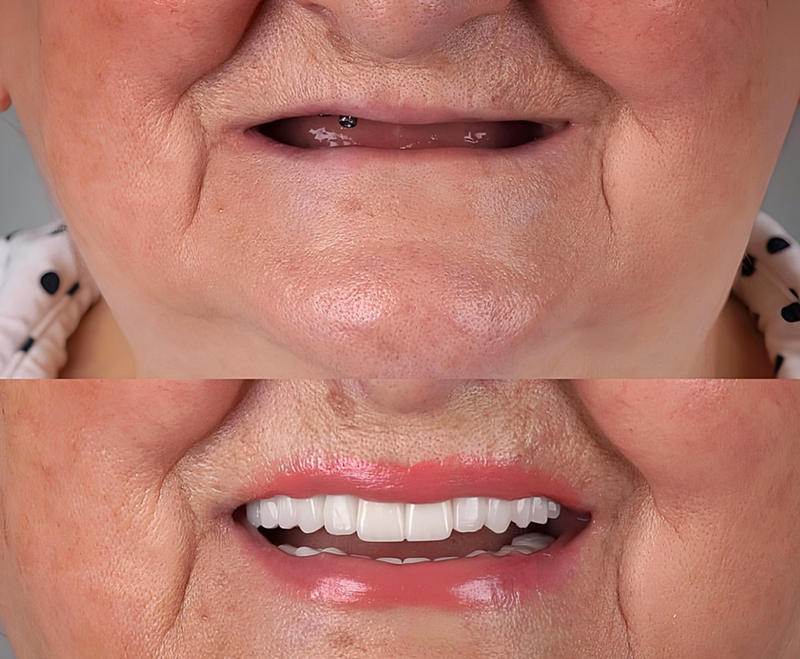
The decision to replace a missing tooth rarely happens the day it is lost. It usually comes after weeks or months of adapting to chewing on one side, avoiding certain foods, or noticing the gap every time you smile. That is when dental implants Newcastle often enter the conversation, offering a long-term solution that looks, feels, and functions much like a natural tooth.
But what exactly are dental implants? How do they work, and what can you expect during the process? Most importantly, are they the right choice for you? This guide will walk you through everything you need to know about dental implants Newcastle, including the risks, recovery timeline, and long-term results. Whether you’re missing one tooth or several, this information will help you make an informed decision about restoring your smile.
What Are Dental Implants?
Dental implants are artificial tooth roots made from biocompatible materials like titanium or zirconia. They are surgically placed into the jawbone to support a replacement tooth, bridge, or denture. Over time, the implant fuses with the bone in a process called osseointegration, creating a strong and stable foundation for the new tooth.
Unlike traditional dentures, which can slip or require adhesives, dental implants Newcastle function just like natural teeth. They don’t rely on neighboring teeth for support, and they help preserve the jawbone, preventing the bone loss that often follows tooth extraction.
For patients at clinics like Denmark Street Dental Practice, dental implants are a long-term investment in oral health, confidence, and quality of life.
Why Choose Dental Implants?
If you’re considering tooth replacement options, you might be wondering why dental implants Newcastle are often recommended over alternatives like bridges or dentures. Here’s why they stand out:
1. Natural Look and Feel
Dental implants are designed to mimic the appearance and function of natural teeth. The crown (the visible part of the tooth) is custom-made to match the color, shape, and size of your existing teeth, ensuring a seamless blend.
2. Improved Functionality
Because implants are securely anchored in the jawbone, they restore up to 85% of natural bite force. This means you can eat your favorite foods, from crunchy apples to chewy steak, without worry. Unlike dentures, which can limit your diet, implants allow you to enjoy a varied and nutritious diet.
3. Bone Preservation
When a tooth is lost, the jawbone beneath it begins to shrink over time due to lack of stimulation. Dental implants Newcastle prevent this by acting like a natural tooth root, stimulating the bone and maintaining its density. This helps preserve your facial structure and prevents the “sunken” look that can occur with long-term tooth loss.
4. Durability and Longevity
With proper care, dental implants can last 25 to 30 years or even a lifetime. Unlike bridges, which may need replacement every 10-15 years, implants are a one-time investment that saves you time and money in the long run.
5. No Damage to Adjacent Teeth
Traditional bridges require the filing down of healthy teeth to support the restoration. Dental implants Newcastle, on the other hand, are self-supporting. They don’t rely on neighboring teeth, which means your natural teeth remain untouched and strong.
6. Enhanced Confidence
Missing teeth can make people self-conscious about smiling, speaking, or even laughing in public. Dental implants restore your smile’s natural appearance, allowing you to feel confident in social and professional settings.
7. Improved Speech
Dentures can sometimes slip or click when speaking, leading to mumbling or slurred words. Because implants are fixed in place, they allow for clear and natural speech.
Are You a Good Candidate for Dental Implants?
While dental implants Newcastle are a fantastic solution for many people, they aren’t suitable for everyone. Determining whether you’re a good candidate involves a thorough evaluation by a dental professional. Here are the key factors that clinics like Denmark Street Dental Practice consider:
1. Good Oral Health
Healthy gums are essential for dental implants. If you have active gum disease (periodontitis), it must be treated before implant placement to prevent infection and implant failure.
2. Adequate Bone Density
The jawbone must be strong and dense enough to support the implant. If your bone is too thin or weak, often due to long-term tooth loss, your dentist may recommend a bone graft to rebuild the area before implant placement.
3. Overall Health
Certain medical conditions can affect healing and the success of dental implants Newcastle. These include:
- Uncontrolled diabetes: High blood sugar can slow down healing and increase the risk of infection.
- Osteoporosis: Weak bones may not integrate well with the implant.
- Autoimmune disorders: Conditions like rheumatoid arthritis can interfere with healing.
4. Commitment to Oral Hygiene
Dental implants require the same care as natural teeth, brushing, flossing, and regular dental check-ups. Poor oral hygiene can lead to peri-implantitis, a condition similar to gum disease that can cause implant failure.
5. Realistic Expectations
While dental implants Newcastle offer incredible benefits, it’s important to understand that the process takes time. Osseointegration (the fusion of the implant with the bone) can take 3 to 6 months, and the entire treatment may span several months, depending on your individual needs.
If you’re unsure whether you’re a good candidate, the best step is to schedule a consultation with a trusted dental practice. Clinics like Denmark Street Dental Practice offer free initial consultations to assess your suitability and discuss your options.
The Dental Implant Process: Step by Step
Understanding the journey of getting dental implants Newcastle can help ease any concerns you might have. Here’s what to expect at a reputable clinic like Denmark Street Dental Practice:
Step 1: Initial Consultation
Your journey begins with a free consultation, where you’ll discuss your goals, concerns, and medical history with a dental professional. This is your opportunity to ask questions and learn whether dental implants are the right solution for you.
During this visit, the dentist will:
- Review your medical and dental history.
- Examine your teeth, gums, and jawbone.
- Discuss alternative treatments, if applicable.
- Provide a clear breakdown of the process and what to expect.
Step 2: Comprehensive Examination and Digital Assessment
If you decide to proceed, the next step involves a detailed examination to ensure precision and safety. This typically includes:
- X-rays: To assess the health of your teeth and jawbone.
- CBCT Scan (Cone Beam Computed Tomography): A 3D imaging technique that provides a detailed view of your bone structure, nerve positions, and sinus cavities. This technology is standard at clinics like Denmark Street Dental Practice and ensures accurate implant placement.
The CBCT scan allows your dentist to:
- Measure the exact dimensions of your jawbone.
- Identify the safest angles for implant placement.
- Detect any potential complications, such as proximity to nerves or sinuses.
Step 3: Personalized Treatment Planning
Based on the results of your examination, your dentist will create a bespoke treatment plan tailored to your needs. This plan will outline:
- The number of implants required (single tooth, multiple teeth, or full arch).
- The type of restoration (crown, bridge, or denture).
- The estimated timeline for each stage of the process.
At this stage, you’ll have a clear understanding of what to expect, allowing you to make an informed decision.
Step 4: Preparatory Procedures (If Needed)
Not everyone requires preparatory work, but some patients may need additional treatments to ensure the success of their dental implants Newcastle. These can include:
- Tooth Extractions: If damaged or decayed teeth need to be removed before implant placement.
- Bone Grafting: If your jawbone lacks the density or volume to support an implant, a bone graft can rebuild the area. This involves adding bone material (often from your own body or a synthetic source) to the jaw, which then heals and integrates over several months.
- Sinus Lift: For implants in the upper jaw, a sinus lift may be necessary if the sinuses are too close to the implant site. This procedure lifts the sinus membrane to create space for the implant.
These preparatory steps ensure that your jawbone is strong and ready to support the implant for years to come.
Step 5: Implant Placement Surgery
The implant placement is a minor surgical procedure typically performed under local anesthesia, ensuring you feel no pain during the process. If you’re nervous, many clinics offer sedation options to help you relax.
Here’s what happens during the surgery:
- Incision: Your dentist will make a small incision in the gum tissue to expose the jawbone.
- Drilling: A precise hole is drilled into the bone to accommodate the implant.
- Implant Insertion: The titanium or zirconia implant post is carefully placed into the bone.
- Stitching: The gum tissue is stitched back into place, and a temporary crown or healing cap may be placed over the implant.
The entire procedure usually takes 1 to 2 hours per implant, depending on the complexity of your case.
Step 6: Healing and Osseointegration
After the implant is placed, the most critical phase begins: osseointegration. This is the process where the bone grows around the implant, fusing it securely in place. This phase typically takes 3 to 6 months, depending on your bone quality and overall health.
During this time:
- You’ll need to follow a soft food diet for the first few days to avoid disturbing the implant site.
- Avoid smoking, as it can slow down healing and increase the risk of failure.
- Attend follow-up appointments to monitor your progress.
Most patients experience minimal discomfort after surgery, which can be managed with over-the-counter pain relievers.
Step 7: Abutment Placement
Once osseointegration is complete, a small connector called an abutment is attached to the implant. This piece serves as the anchor for your new crown. In some cases, the abutment is placed during the initial surgery, but it’s often added in a second minor procedure.
After the abutment is placed, your gums will need 1 to 2 weeks to heal around it.
Step 8: Crown or Prosthesis Placement
The final step is the placement of your custom-made crown, bridge, or denture. Your dentist will take impressions of your teeth to ensure the restoration fits perfectly and matches the color and shape of your natural teeth.
Once the crown is ready, it’s securely attached to the abutment. The result? A beautiful, functional tooth that looks and feels just like the real thing.
Step 9: Follow-Up and Long-Term Care
Your journey doesn’t end once your dental implants Newcastle are in place. Regular follow-up appointments are essential to ensure everything is healing correctly and that your implant is functioning as expected.
Long-term care includes:
- Brushing and flossing daily to keep your implant and surrounding teeth clean.
- Regular dental check-ups (every 6 months) to monitor the health of your implant and gums.
- Professional cleanings to remove plaque and tartar buildup.
With proper care, your dental implants can last a lifetime.
Risks and Complications of Dental Implants
While dental implants Newcastle have a high success rate (95% to 98%), like any surgical procedure, they come with potential risks. Being aware of these can help you make an informed decision and take steps to minimize complications.
Surgical and Biological Risks
- Infection: The most common risk after implant surgery is infection at the implant site. This can usually be treated with antibiotics if caught early. To reduce this risk, follow your dentist’s aftercare instructions carefully, including proper oral hygiene and avoiding smoking.
- Nerve Damage: In rare cases, the implant may be placed too close to a nerve, causing numbness, tingling, or pain in the lips, gums, or chin. This is why 3D imaging (CBCT scans) are so important, they help your dentist avoid nerve damage by precisely mapping the implant site.
- Implant Failure: While rare, implants can fail to integrate with the bone. This is known as early failure and typically occurs within the first few months. Late failures (after several years) can also happen but are less common. Factors that increase the risk of failure include:
- Smoking
- Uncontrolled diabetes
- Poor oral hygiene
- Insufficient bone density
- Bone Loss: In some cases, the bone around the implant may begin to shrink, a condition known as peri-implantitis. This is often caused by poor oral hygiene or an ill-fitting crown. Regular check-ups can help catch and treat this issue early.
- Sinus Problems: For implants placed in the upper jaw, there’s a small risk of the implant protruding into the sinus cavity, which can cause sinusitis or other complications. A sinus lift may be recommended to prevent this.
Patient-Specific Risks
- Smoking: Smokers are twice as likely to experience implant failure compared to non-smokers. Smoking restricts blood flow to the gums, slowing down healing and increasing the risk of infection. If you smoke, quitting before and after the procedure significantly improves your chances of success.
- Medical Conditions:
- Diabetes: Uncontrolled diabetes can slow down healing and increase the risk of infection. If you have diabetes, your dentist will work with you to ensure your blood sugar levels are stable before proceeding with dental implants Newcastle.
- Osteoporosis: Weak bones may not integrate well with the implant, leading to instability or failure.
- Autoimmune Disorders: Conditions like rheumatoid arthritis or lupus can interfere with healing and increase the risk of complications.
- Radiation Therapy: Patients who have undergone radiation therapy to the head or neck may have a higher risk of implant failure due to reduced bone quality.
- Medications: Certain medications, such as bisphosphonates (used to treat osteoporosis), can increase the risk of osteonecrosis of the jaw (ONJ), a rare but serious condition where the bone begins to die. Always inform your dentist about any medications you’re taking.
Recovery Timeline: What to Expect After Dental Implant Surgery
The recovery process for dental implants Newcastle is structured into distinct phases, each with its own milestones and care instructions. Here’s a detailed breakdown of what to expect:
Phase 1: Immediate Aftercare (First 24–48 Hours)
The first day or two after surgery are the most critical for minimizing discomfort and preventing complications. Here’s how to care for yourself during this time:
- Rest: Avoid strenuous activity for at least 24 hours. Light walking is fine, but avoid heavy lifting, exercise, or bending over.
- Pain Management: You may experience some discomfort as the anesthesia wears off. Over-the-counter pain relievers like ibuprofen or paracetamol are usually sufficient.
- Ice Packs: Apply an ice pack to the outside of your cheek near the implant site for 10–15 minutes at a time to reduce swelling. Do this for the first 24 hours.
- Diet: Stick to soft, cool foods like yogurt, mashed potatoes, scrambled eggs, soup, and smoothies. Avoid hot, spicy, or crunchy foods that could irritate the surgical site.
- Hydration: Drink plenty of water, but avoid using a straw, as the suction can dislodge the blood clot and delay healing (a condition known as dry socket).
- Oral Hygiene: Gently rinse your mouth with warm salt water (1 teaspoon of salt in a glass of water) 24 hours after surgery to keep the area clean. Avoid brushing the surgical site directly for the first few days.
- Avoid Smoking and Alcohol: Both can slow down healing and increase the risk of infection.
Phase 2: Short-Term Healing (1–2 Weeks)
After the first 48 hours, you’ll start to notice improvements in swelling and discomfort. Here’s what to expect during this phase:
- Swelling: Any swelling should begin to subside after 3–5 days. If swelling persists or worsens, contact your dentist.
- Discomfort: Mild soreness may continue, but it should gradually decrease. If pain worsens or you develop a fever, it could be a sign of infection.
- Diet: You can slowly reintroduce softer solid foods like pasta, fish, or cooked vegetables. Avoid hard, crunchy, or sticky foods that could disturb the implant site.
- Oral Hygiene: You can resume gentle brushing, but be careful around the surgical site. Continue rinsing with salt water after meals.
- Stitches: If your dentist used dissolvable stitches, they’ll typically dissolve on their own within 7–10 days. If non-dissolvable stitches were used, you’ll need to return to the clinic to have them removed.
Most patients are able to return to work or normal daily activities within 3–7 days, depending on the complexity of their procedure.
Phase 3: Osseointegration (3–6 Months)
This is the most important phase of your recovery. During osseointegration, the implant fuses with the jawbone, creating a strong and stable foundation for your new tooth. Here’s what to expect:
- No Discomfort: You shouldn’t feel any pain during this phase, but you may notice a slight pressure or awareness of the implant as it integrates.
- Diet: You can gradually return to a normal diet, but avoid excessively hard or crunchy foods that could put too much pressure on the implant.
- Follow-Up Appointments: Your dentist will schedule check-ups to monitor your progress. These visits may include X-rays to confirm that the implant is integrating properly.
- Patience: This phase can take 3 to 6 months, depending on your bone quality and overall health. It’s important not to rush the process, osseointegration is what makes dental implants so durable.
Phase 4: Crown Placement and Final Recovery (1–2 Weeks)
Once osseointegration is complete, your dentist will place the abutment (if it wasn’t placed during the initial surgery) and take impressions for your custom crown. Here’s what happens next:
- Abutment Placement: If the abutment wasn’t placed during the initial surgery, your dentist will make a small incision to expose the implant and attach the abutment. This is a quick and straightforward procedure, often requiring only local anesthesia.
- Healing Cap: A healing cap may be placed over the abutment to shape the gum tissue. This usually stays in place for 1–2 weeks.
- Crown Fitting: Once your gums have healed, your custom crown will be attached to the abutment. Your dentist will ensure it fits perfectly and matches the color and shape of your natural teeth.
At this point, your dental implants Newcastle are fully functional, and you can treat them just like your natural teeth.
Long-Term Results: What to Expect from Dental Implants
One of the biggest advantages of dental implants Newcastle is their long-term success and durability. Here’s what you can expect in the years to come:
Success Rates
Dental implants have an impressive track record of success. Clinical studies and data from practices like Denmark Street Dental Practice show:
- 5-year survival rate: 94.8% to 98%
- 10-year survival rate: 93% to 95%
- Overall success rate: 95% to 99% for healthy adults
These statistics are based on patients who follow proper oral hygiene practices and attend regular dental check-ups.
Durability
With proper care, dental implants Newcastle can last 25 to 30 years or even a lifetime. The titanium post is designed to be a permanent part of your jawbone, and the crown can last 10–15 years before it may need replacement due to normal wear and tear.
Quality of Life Improvements
The benefits of dental implants go beyond just filling a gap in your smile. Here’s how they can improve your quality of life:
- Restored Confidence: Missing teeth can make people self-conscious. Dental implants look and feel like natural teeth, allowing you to smile, laugh, and speak with confidence.
- Improved Speech: Unlike dentures, which can slip and affect your speech, implants stay securely in place, allowing you to speak clearly.
- Better Nutrition: With dental implants, you can eat all your favorite foods without restrictions. This makes it easier to maintain a balanced and nutritious diet.
- Bone Preservation: Implants stimulate the jawbone, preventing the bone loss that occurs after tooth extraction. This helps maintain your facial structure and prevents the “sunken” look that can happen with long-term tooth loss.
- No More Denture Hassles: If you’ve worn dentures in the past, you know the inconvenience of adhesives, slipping, and dietary restrictions. Dental implants eliminate these issues, giving you a permanent and comfortable solution.
Dental Implants vs. Other Tooth Replacement Options
When considering dental implants Newcastle, it’s helpful to compare them to other tooth replacement options to understand why they’re often the preferred choice.
| Feature | Dental Implants | Dentures | Dental Bridges |
| Permanence | Permanent | Removable | Permanent (but may need replacement) |
| Bone Preservation | Yes | No | No (can lead to bone loss) |
| Bite Force | 85% of natural | 30–50% | 60–70% |
| Speech Clarity | Natural | May slip | Natural |
| Durability | 25+ years | 5–10 years | 10–15 years |
| Impact on Adjacent Teeth | None | None | Requires filing down healthy teeth |
| Maintenance | Brush and floss like natural teeth | Requires special cleaning and adhesives | Brush and floss (but harder to clean under the bridge) |
| Comfort | Feels like natural teeth | Can be uncomfortable or loose | Feels natural but may put pressure on adjacent teeth |
Why Dental Implants Often Win
While dentures and bridges are valid options, dental implants Newcastle offer several advantages that make them the gold standard for tooth replacement:
- Permanence: Unlike dentures, which need to be removed and cleaned daily, implants are a fixed solution.
- Bone Health: Implants are the only tooth replacement option that preserves jawbone density.
- No Damage to Adjacent Teeth: Bridges require the filing down of healthy teeth, while implants are self-supporting.
- Natural Feel: Implants function and feel just like natural teeth, allowing you to eat, speak, and smile with confidence.
Choosing the Right Dental Implant Provider in Newcastle
Not all dental practices are created equal when it comes to dental implants Newcastle. Choosing the right provider is crucial for ensuring a successful outcome. Here’s what to look for when selecting a clinic:
1. Experience and Expertise
Dental implants are a complex procedure that requires skill and precision. Look for a practice with:
- Years of Experience: Clinics like Denmark Street Dental Practice have over 30 years of experience in placing dental implants and have successfully placed over 4,000 implants.
- Specialist Team: A multidisciplinary team, including implantologists, periodontists, and prosthodontists, ensures that all aspects of your treatment are handled by experts.
- Referral Center: Practices that serve as referral centers for other dentists (like Denmark Street Dental Practice) are often trusted for their high standards and expertise.
2. Advanced Technology
The best clinics use cutting-edge technology to ensure precision, safety, and optimal results. Look for:
- CBCT Scanning: This 3D imaging technology allows for precise implant planning and reduces the risk of complications.
- Digital Impressions: More comfortable and accurate than traditional molds.
- Computer-Guided Implant Placement: Some clinics use software to plan the exact placement of implants before surgery, improving accuracy.
3. Patient-Centered Care
A great dental practice prioritizes your comfort, safety, and satisfaction. Here’s what to expect from a patient-focused clinic:
- Free Consultations: Many practices, including Denmark Street Dental Practice, offer complimentary initial consultations to discuss your options without pressure.
- Personalized Treatment Plans: Your treatment should be tailored to your unique needs, not a one-size-fits-all approach.
- Transparent Pricing: You should receive a detailed breakdown upfront, with no hidden fees.
- Comfortable Environment: From the moment you walk in, the clinic should feel welcoming and professional. Look for a practice that prioritizes patient comfort, especially if you’re nervous about dental procedures.
- Dedicated Patient Coordinators: Some clinics assign a coordinator to guide you through every step of the process, answering questions and addressing concerns.
4. Patient Reviews and Testimonials
One of the best ways to gauge the quality of a dental practice is by reading patient reviews. Look for:
- High Ratings: Clinics like Denmark Street Dental Practice have an average rating of 4.8 stars based on hundreds of reviews.
- Before-and-After Photos: These can give you a sense of the results you can expect.
- Testimonials: Reading about other patients’ experiences can help you feel more confident in your choice.
5. Aftercare and Long-Term Support
The relationship with your dental provider doesn’t end after your dental implants Newcastle are placed. Look for a clinic that offers:
- Regular Follow-Up Appointments: To monitor your healing and ensure your implants are functioning properly.
- Long-Term Maintenance Plans: Some practices offer hygiene programs to help you keep your implants in top condition.
- Emergency Care: In case of complications, your clinic should be available to provide prompt support.
Frequently Asked Questions About Dental Implants Newcastle
If you’re considering dental implants Newcastle, you likely have some questions. Here are answers to the most common queries:
1. How Painful Is the Dental Implant Procedure?
Most patients report that the procedure is less painful than they expected. Local anesthesia ensures that you feel no pain during the surgery. Afterward, any discomfort can usually be managed with over-the-counter pain relievers. Many patients compare the experience to having a tooth extracted.
2. How Long Does the Entire Process Take?
The timeline varies depending on your individual needs, but here’s a general overview:
- Preparatory Procedures (if needed): 2–6 months (for bone grafts or extractions).
- Implant Placement: 1–2 hours per implant.
- Osseointegration: 3–6 months.
- Crown Placement: 1–2 weeks after the abutment is placed.
In total, the process can take 3 to 9 months, depending on whether you need preparatory work.
3. Are Dental Implants Safe?
Yes, dental implants Newcastle are considered a safe and predictable treatment when performed by an experienced professional. The success rate is 95% to 98%, and complications are rare when proper protocols are followed.
4. Can I Get Dental Implants If I Have Dentures?
Absolutely! Many patients transition from dentures to dental implants Newcastle to enjoy a more stable and comfortable solution. Implants can be used to:
- Replace a single missing tooth.
- Support a bridge for multiple missing teeth.
- Anchor a full-arch denture (like the All-on-4 technique), which provides a permanent, non-removable alternative to traditional dentures.
5. How Do I Care for My Dental Implants?
Caring for dental implants Newcastle is similar to caring for natural teeth:
- Brush twice a day with a soft-bristled toothbrush.
- Floss daily to remove plaque and food particles around the implant.
- Use an antimicrobial mouthwash to reduce bacteria.
- Visit your dentist every 6 months for check-ups and professional cleanings.
- Avoid smoking, as it can increase the risk of implant failure.
6. What If My Dental Implant Fails?
While implant failure is rare, it can happen. If your implant doesn’t integrate with the bone or becomes loose, your dentist will evaluate the cause and recommend a solution. In many cases, the implant can be removed and replaced after the area has healed.
7. Are Dental Implants Noticeable?
No, dental implants Newcastle are designed to look and feel like your natural teeth. The crown is custom-made to match the color, shape, and size of your existing teeth, ensuring a seamless and natural appearance.
8. Can I Get Dental Implants in One Day?
Some clinics offer same-day implants, where the implant and temporary crown are placed in a single visit. However, this option is not suitable for everyone. Traditional implants, which allow for a 3–6 month healing period, are often recommended for the best long-term results.
9. What Is the All-on-4 Technique?
The All-on-4 technique is a solution for patients who are missing all or most of their teeth. It involves placing four implants in the jawbone to support a full-arch prosthesis (a set of teeth). This method is faster and more efficient than placing individual implants for each missing tooth, and it provides a stable, permanent alternative to dentures.
10. How Do I Know If I’m a Good Candidate for Dental Implants?
The best way to determine if you’re a good candidate for dental implants Newcastle is to schedule a consultation with a dental professional. They will evaluate your:
- Oral health (gums and remaining teeth).
- Bone density and volume.
- Overall health and medical history.
- Lifestyle factors (such as smoking).
Conclusion: Are Dental Implants Right for You?
Dental implants are a life-changing solution for anyone looking to restore their smile, confidence, and oral health. Whether you’re missing one tooth or several, dental implants Newcastle offer a permanent, natural-looking, and functional alternative to dentures and bridges. With a success rate of 95% to 98%, they are one of the most reliable and long-lasting tooth replacement options available.
At clinics like Denmark Street Dental Practice, you can expect expert care, advanced technology, and a patient-centered approach that prioritizes your comfort and satisfaction. From your initial consultation to your final follow-up, their team of specialists will guide you through every step of the process, ensuring that you achieve the best possible results.
If you’re ready to take the first step toward a healthier, more confident smile, schedule a free consultation with a trusted dental implant provider in Newcastle. With the right care and expertise, dental implants can give you a smile that looks, feels, and functions just like natural teeth, for life.
Next Steps
- Research: Learn more about dental implants Newcastle and how they can benefit you.
- Consultation: Book a free consultation with a reputable dental practice to discuss your options.
- Ask Questions: Don’t hesitate to ask about the procedure and aftercare.
- Commit to Your Oral Health: Whether you choose implants or another treatment, prioritizing your dental health will pay off for years to come.
Final Thought
Your smile is one of your most valuable assets. With dental implants Newcastle, you can enjoy the confidence, functionality, and peace of mind that comes with a complete, healthy smile. Take the first step today, your future self will thank you!


Introduction
Over the past decade, few Selective Androgen Receptor Modulators (SARMs) have attracted as much attention as Ostarine, commonly known as MK-2866. Originally developed for medical research purposes, Ostarine has become one of the most recognized compounds within the SARM category. As interest in body composition, muscle preservation, and performance-related research continues to grow, more people are searching for information about the Ostarine MK-2866 guide and its role within modern fitness discussions.
One reason for Ostarine’s popularity is its reputation as one of the most widely discussed SARMs among newcomers. In fact, many online communities frequently refer to it when discussing the best SARM beginners 2026 may encounter during their research. This reputation has helped Ostarine remain one of the most searched compounds in the industry year after year.
The increasing number of searches for buy Ostarine Europe, Ostarine dosage cycle results, and beginner-focused SARM information demonstrates how much interest continues to surround MK-2866. Whether the goal is understanding body composition research, comparing available SARMs, or exploring the science behind selective androgen receptor modulators, Ostarine remains one of the most important compounds in the conversation.
In this comprehensive guide, we will explore what Ostarine is, why it has become so popular, how it compares with other SARMs, and why many researchers continue to view it as a leading candidate for the best SARM beginners 2026.
What Is Ostarine (MK-2866)?
Ostarine, also known as MK-2866, is a Selective Androgen Receptor Modulator that was initially developed to study conditions associated with muscle wasting and reduced physical function. Researchers designed Ostarine with the goal of targeting androgen receptors in a more selective manner than traditional anabolic compounds.
This selective approach quickly attracted scientific interest because it suggested the possibility of influencing muscle and bone tissue while potentially reducing activity in other areas of the body. As a result, Ostarine became one of the most extensively discussed SARMs in both research and fitness-related communities.
Today, any detailed Ostarine MK-2866 guide typically begins by explaining this selective mechanism. Unlike many compounds associated with bodybuilding, Ostarine developed a reputation for being researched in a variety of body composition and muscle-preservation contexts.
Its broad appeal has helped establish MK-2866 as one of the most recognizable names in the SARM category.
Why Ostarine Is Often Considered the Best SARM Beginners 2026
One of the most common discussions surrounding Ostarine involves its reputation as the best SARM beginners 2026. While opinions vary, several factors contribute to this perception.
First, Ostarine has been available and discussed for many years, making it one of the most familiar compounds within the SARM market. Because a substantial amount of information exists regarding MK-2866, newcomers often find it easier to research compared to lesser-known alternatives.
Second, Ostarine is frequently associated with body composition support rather than extreme muscle-building expectations. Many individuals researching SARMs are interested in maintaining lean muscle tissue while improving overall physique appearance. This balanced reputation has helped strengthen Ostarine’s position among beginner-focused discussions.
Another reason many people consider Ostarine among the best SARM beginners 2026 is its widespread recognition within educational content, research articles, and fitness forums. Its popularity has made it one of the first compounds many individuals encounter when learning about SARMs.
Understanding the Popularity of the Ostarine MK-2866 Guide
The demand for an Ostarine MK-2866 guide continues to grow because many individuals are seeking reliable information about SARMs before exploring further research. With countless articles, forums, and discussions available online, Ostarine often serves as an entry point into the broader world of selective androgen receptor modulators.
Many educational resources focus on the history of Ostarine, its development, and its role within body composition studies. This extensive information base has helped make the Ostarine MK-2866 guide one of the most searched topics within the performance-research community.
In addition, Ostarine’s reputation for versatility contributes significantly to its popularity. Discussions frequently involve lean muscle preservation, recovery-related research, and overall physique enhancement, making the compound appealing to a wide range of audiences.
As a result, interest in the Ostarine MK-2866 guide continues to expand among both newcomers and experienced researchers.
Why People Search to Buy Ostarine Europe
The increasing number of searches for buy Ostarine Europe reflects the growing popularity of SARMs across European markets. As awareness of body composition research expands, more individuals are exploring information related to peptide and SARM products.
Many people interested in buy Ostarine Europe are primarily concerned with supplier reliability, transparency, and quality standards. The rapid growth of the research-compound market has made product quality a major consideration for consumers.
Europe has become one of the most active regions for peptide and SARM-related discussions, and Ostarine remains one of the most sought-after compounds in this category. Its reputation as a widely recognized SARM has contributed significantly to its strong market presence.
The continued rise of buy Ostarine Europe searches highlights the ongoing demand for information surrounding MK-2866 and similar research compounds.
Understanding Searches for Ostarine Dosage Cycle Results
One of the most commonly searched phrases related to MK-2866 is Ostarine dosage cycle results. This search trend reflects the widespread curiosity surrounding how Ostarine is discussed within research and fitness communities.
Individuals exploring Ostarine dosage cycle results are often interested in understanding the experiences, observations, and discussions that surround the compound. However, because SARMs affect important biological systems, any conversations involving administration or usage should be approached carefully and within appropriate medical or scientific contexts.
The popularity of the phrase Ostarine dosage cycle results demonstrates how much interest exists in understanding both the potential applications and limitations of SARMs. Educational resources continue to play a valuable role in helping individuals develop a balanced understanding of these compounds.
Ostarine Compared to Other SARMs
Another reason Ostarine continues to attract attention is its frequent comparison with other SARMs. Many compounds within this category are associated with highly specific goals, such as aggressive muscle gain or extreme body recomposition.
Ostarine, however, is often viewed as a more versatile option. Discussions frequently describe it as a compound associated with maintaining lean tissue and supporting overall physique-related research rather than pursuing dramatic changes.
This balanced reputation has contributed significantly to Ostarine’s position as a leading candidate for the best SARM beginners 2026. For individuals researching SARMs for the first time, a versatile and widely discussed compound often feels more approachable than highly specialized alternatives.
As a result, Ostarine continues to hold a unique position within the broader SARM landscape.
Conclusion
The popularity of the Ostarine MK-2866 guide reflects the growing interest in SARMs and body composition research throughout 2026. As one of the most recognized compounds in its category, Ostarine has earned a reputation for versatility, accessibility, and widespread discussion within fitness and research communities.
The increasing demand for information related to buy Ostarine Europe, Ostarine dosage cycle results, and identifying the best SARM beginners 2026 demonstrates how important MK-2866 remains within the modern SARM landscape.
While scientific research continues to evolve, Ostarine’s position as one of the most widely discussed SARMs ensures that it will remain a major topic of conversation for individuals interested in body composition, muscle preservation, and performance-related research for years to come.

The Questions Worth Asking Before Dental Implant Newcastle Treatment

What to Expect Before, During, and After Dental Implants Newcastle

Why Complete Temperature Services Is the HVAC Contractor Your Home Deserves

Clean425: Restoring Curb Appeal One Property at a Time

Nolan Air Heating & Cooling: Comfort You Can Count On All Year

Who Is Indiana Urban? Inside the Life of Karl Urban’s Son and Rising Actor

Jennifer Seyfried: All About Amanda Seyfried’s Sister, Her Life and Career

Who Is Zachary Hudson? Inside the Private Life of Cindy Williams’ Son

Cynthia Womack Biography: The Life, Career, and Legacy of Connie Britton’s Twin Sister

Who Is Stephen G. Walker? All About PinkPantheress’ Father and His Academic Career
Who Is Indiana Urban? Inside the Life of Karl Urban’s Son and Rising Actor
Jennifer Seyfried: All About Amanda Seyfried’s Sister, Her Life and Career
Who Is Zachary Hudson? Inside the Private Life of Cindy Williams’ Son
Cynthia Womack Biography: The Life, Career, and Legacy of Connie Britton’s Twin Sister
Who Is Stephen G. Walker? All About PinkPantheress’ Father and His Academic Career
-
Biography5 months ago
Who Is Indiana Urban? Inside the Life of Karl Urban’s Son and Rising Actor
-
Biography4 months ago
Jennifer Seyfried: All About Amanda Seyfried’s Sister, Her Life and Career
-
Biography4 months ago
Who Is Zachary Hudson? Inside the Private Life of Cindy Williams’ Son
-
Biography5 months ago
Cynthia Womack Biography: The Life, Career, and Legacy of Connie Britton’s Twin Sister
-
 Biography3 months ago
Who Is Stephen G. Walker? All About PinkPantheress’ Father and His Academic Career
-
 Biography5 months ago
Who Was Gretchen Knauff? The Private Life of Jennifer Coolidge’s Mother
-
 Biography4 months ago
Who is Lynn Levesque? Everything to Know About Triple H’s Sister
-
 Biography4 months ago
Lynn Payne: Inside the Life and Love Story of Randy Savage’s Wife