
Home & Garden
Your Kitchen Deserves Better — Here’s What’s Possible

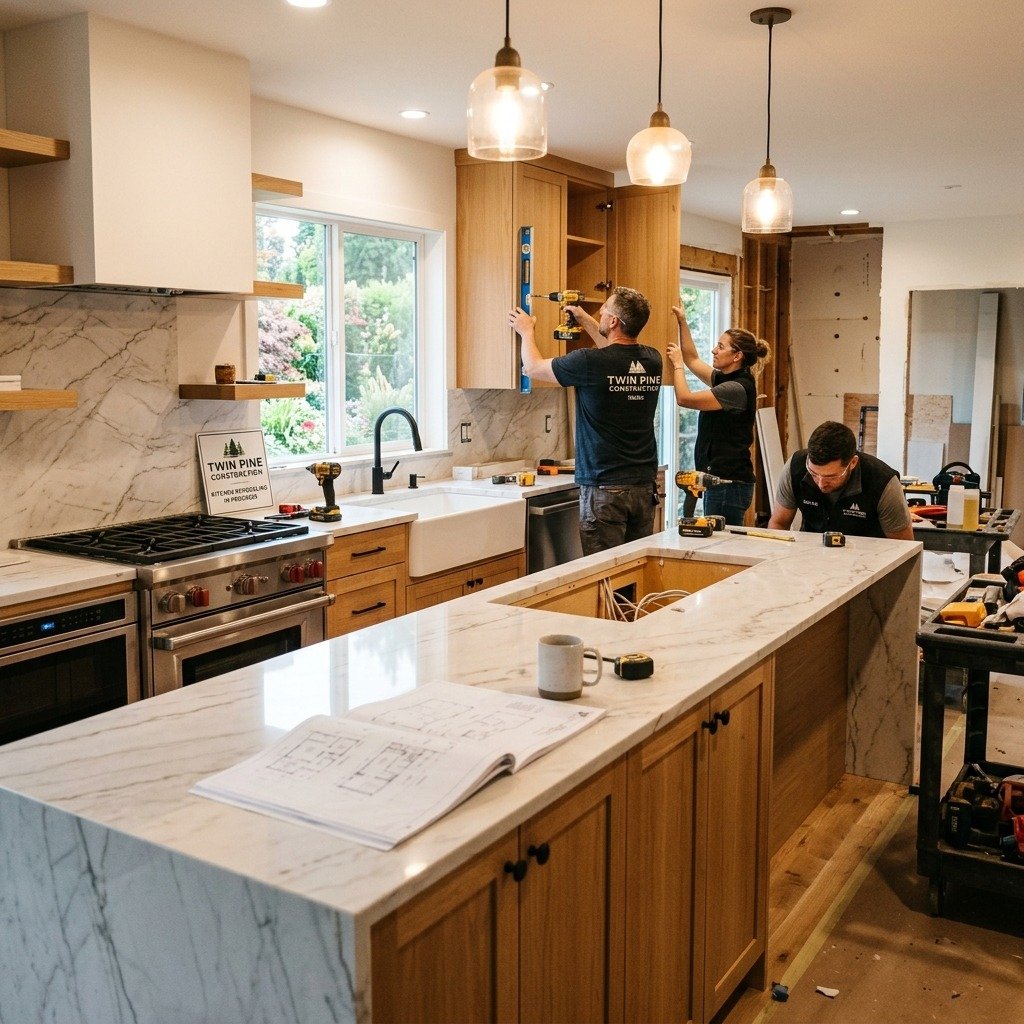
Your kitchen does more than hold appliances. It’s where mornings start, where meals become memories, and where the real conversations happen. Yet for many homeowners, the kitchen remains the most overlooked space when it comes to investment and care. Worn countertops, outdated cabinetry, and poor lighting quietly chip away at your home’s value and your daily enjoyment. The good news? A professionally remodeled kitchen doesn’t just fix those problems — it transforms the entire feel of your home.
At Twin Pine Construction, we’ve seen firsthand what a thoughtfully executed kitchen transformation does for a homeowner. The shift isn’t just aesthetic. It’s functional, emotional, and financial. Families cook more. Spaces feel larger. Homes sell faster. And every single day spent in that kitchen feels a little better than the one before.
What Makes a Kitchen Remodel Worth Every Dollar?
Most homeowners underestimate just how much their kitchen impacts the rest of the home. The kitchen is typically the highest-traffic room in the house, and it sets the tone for everything around it. A dated kitchen can drag down the perceived value of even the most beautifully maintained home.
According to Remodeling Magazine’s Cost vs. Value Report, a major kitchen remodel consistently ranks among the top home improvement projects for return on investment. But beyond resale value, the daily quality-of-life improvements are what homeowners at Twin Pine Construction rave about most.
Better storage means less clutter. Upgraded appliances mean faster, more enjoyable cooking. New lighting transforms a dim, flat space into something warm and inviting. These aren’t small wins — they compound into a meaningfully better living experience.
The Problems We See Most Often in Outdated Kitchens
Before diving into what’s possible, it helps to understand what most homeowners are working with when they come to Twin Pine Construction.
Cabinets that no longer function well. For homeowners who prefer a more flexible starting point, quality unfinished kitchen cabinets can also be considered when choosing cabinetry that can be customized to suit the overall design. Doors that don’t close properly, drawers that stick, shelving that wastes vertical space — these small frustrations add up over years of daily use.
Countertops that have seen better days. Laminate surfaces chip and stain. Older tile grout darkens and becomes nearly impossible to clean. These surfaces aren’t just unsightly; they make cooking feel like more of a chore.
Layouts that fight against you. Many older kitchens were designed without the modern cook in mind. Poor workflow between the sink, stove, and refrigerator — what designers call the “kitchen triangle” — makes even simple meal prep feel inefficient.
Lighting that flattens the room. A single overhead fixture rarely does the job. Under-cabinet lighting, pendant lights over islands, and layered ambient light make a dramatic difference in both functionality and atmosphere.
Recognizing these issues is the first step. Knowing who to call is the second.
How Twin Pine Construction Approaches Each Project
Not every kitchen is the same, and not every homeowner wants the same outcome. Some clients come to Twin Pine Construction with a clear vision and a Pinterest board full of inspiration. Others know they’re unhappy with their current kitchen but aren’t sure what they want instead. Both are perfectly fine starting points.
What sets Twin Pine Construction apart is the attention given to each project from the very first conversation. The process begins with a detailed consultation — not a sales pitch, but a genuine effort to understand how you use your kitchen, what frustrates you about it, and what your goals are, both practical and aesthetic.
From there, the team works through design options, material selections, and timeline planning with complete transparency. Clients always know what’s happening, when it’s happening, and why. No surprises, no hidden costs, no vague timelines.
The craftsmanship throughout every remodel reflects the same standard: work that holds up over years of daily use and looks just as good a decade later as it did on day one.
What Today’s Kitchen Remodels Actually Look Like
The range of possibilities in a modern kitchen remodel is broader than most homeowners realize. Some of the most popular choices Twin Pine Construction brings to life include:
- Custom cabinetry built to maximize every inch of available space, including pull-out shelving, deep drawers for pots and pans, and dedicated storage solutions for small appliances
- Quartz and natural stone countertops that balance durability with elegance, available in dozens of finishes to match any design direction
- Kitchen islands that add prep space, seating, and a natural gathering point for family and guests
- Open-concept layouts that remove walls and barriers, connecting the kitchen to dining and living areas for a more spacious, modern feel
- Statement backsplashes that bring personality and texture to what is otherwise a purely functional surface
- Energy-efficient appliance integration planned into the cabinetry layout from the start, not added as an afterthought
Every one of these elements can be scaled to fit different budgets and home styles. A full custom remodel and a targeted refresh can both deliver impressive results — it comes down to priorities and planning.
Why the Right Contractor Changes Everything
A kitchen remodel is one of the most complex home improvement projects a homeowner can take on. It involves plumbing, electrical, cabinetry, flooring, tile work, and finishing — often all at once, all within one of the most used rooms in the house. Getting that coordination wrong leads to delays, cost overruns, and results that fall short of expectations.
Twin Pine Construction brings together experienced tradespeople who have handled every variety of kitchen project, from straightforward refreshes to full structural overhauls. The team’s ability to manage each phase of the remodel — from demolition through final installation — under one roof means fewer handoffs, tighter timelines, and better accountability throughout.
Homeowners who have worked with disjointed teams of subcontractors before often describe the Twin Pine Construction experience as a relief. One point of contact. One clear plan. One team that cares about the finished product as much as you do.
Your Kitchen Transformation Starts Here
Kitchen Remodeling done right allows homeowners to unlock the full potential of their space — increasing home value, improving daily functionality, and creating an environment that genuinely reflects how they want to live.
The kitchen you’ve been tolerating for years doesn’t have to stay that way. The space has more potential than you might realize, and the right team can help you see exactly what’s possible before a single cabinet is removed.
Twin Pine Construction is ready to bring that vision to life. Reach out today to schedule your consultation and take the first step toward a kitchen that works as hard as you do — and looks even better doing it.
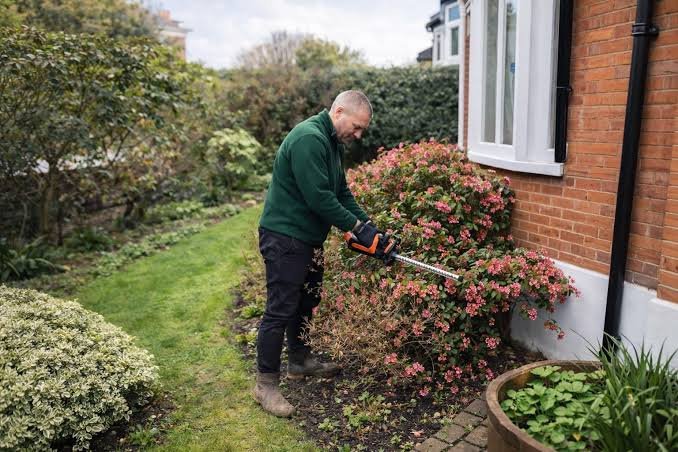
A healthy, usable garden is rarely the result of one dramatic weekend of work. Regular mowing, pruning, soil care and seasonal checks are easier to sustain when tasks reflect the garden’s actual conditions. Orpington homeowners can make maintenance more predictable by identifying priorities before booking help.
A Realistic Example
A homeowner inherits a garden with an overgrown lawn, crowded shrubs and a shaded border. Instead of cutting everything back immediately, they make a staged plan that protects established plants and addresses access first.
Survey the garden before starting
Identify lawns, beds, trees, boundaries and access routes. Note drainage problems, shaded areas and plants that may need specialist care. Practical requirements vary between customers and properties. Ask questions before assuming that a standard solution fits every case, and make sure the proposed work reflects the actual circumstances rather than a generic checklist. In practice, this step works best when expectations are agreed in advance and the outcome can be checked without guesswork.
Prioritise safe access
Clear paths and remove obvious trip hazards before cosmetic work. Heavy branches, unstable trees and electrical hazards call for qualified help. Clear communication matters as much as the technical task. Explain what will be checked, which limitations remain and what information the customer should provide so that the next stage can proceed without avoidable confusion. In practice, this step works best when expectations are agreed in advance and the outcome can be checked without guesswork.
Match mowing to growth
Grass growth changes with weather and season. Avoid removing too much height in one cut, and adjust mowing to ground conditions. Where specialist judgement is required, seek competent help rather than relying on an improvised fix. A short-term improvement is not always proof that the underlying problem has been resolved. In practice, this step works best when expectations are agreed in advance and the outcome can be checked without guesswork.
Handle lawn edges carefully
Defined edges can make a garden look maintained, but cutting too close to trunks or exposed roots can cause damage. Keep relevant records, including dates, agreed scope and observations. Documentation makes repeat issues easier to understand and gives everyone a common reference if arrangements or requirements change. In practice, this step works best when expectations are agreed in advance and the outcome can be checked without guesswork.
Plan pruning by plant type
Different shrubs flower and grow at different times. Identify plants before pruning and avoid indiscriminate hard cuts that may remove next season’s growth. Consider safety and the people affected before proceeding. A task that seems minor can create additional risk when access, equipment or site conditions are unsuitable. Adjust the plan when evidence points to a problem. In practice, this step works best when expectations are agreed in advance and the outcome can be checked without guesswork.
Check for nesting wildlife
Before hedge cutting or major vegetation clearance, inspect for active nests and follow applicable wildlife protections. Delay disruptive work when necessary. An effective process should be proportionate to the likely benefit. Do not pay for unnecessary work, but avoid delaying essential checks merely because a fault is not yet causing a visible disruption. In practice, this step works best when expectations are agreed in advance and the outcome can be checked without guesswork.
Improve soil gradually
Mulch and appropriate organic matter can help some beds retain moisture and support soil structure. Avoid adding products without understanding the soil and plants. Review the result against the original objective. If the outcome is uncertain, ask what evidence would confirm success and what signs should trigger follow-up. This creates a practical path to improvement. In practice, this step works best when expectations are agreed in advance and the outcome can be checked without guesswork.
Manage weeds sustainably
Early removal reduces the chance of weeds setting seed. Select methods appropriate to the planting area, pets and surrounding environment. Start by recording the current situation and identifying who is responsible for the decision. A written baseline makes later comparisons easier and prevents a routine check from being forgotten when other priorities arise. In practice, this step works best when expectations are agreed in advance and the outcome can be checked without guesswork.
Assess drainage and water use
Standing water may reflect compaction, grading or deeper drainage issues. Watering schedules should respond to soil moisture rather than a rigid calendar. Practical requirements vary between customers and properties. Ask questions before assuming that a standard solution fits every case, and make sure the proposed work reflects the actual circumstances rather than a generic checklist. In practice, this step works best when expectations are agreed in advance and the outcome can be checked without guesswork.
Choose realistic visit frequency
A large lawn and fast-growing hedges may need more frequent visits than a small courtyard. Agree on tasks and seasonal adjustments. Clear communication matters as much as the technical task. Explain what will be checked, which limitations remain and what information the customer should provide so that the next stage can proceed without avoidable confusion. In practice, this step works best when expectations are agreed in advance and the outcome can be checked without guesswork.
Discuss waste removal
Clarify whether cuttings, branches and other green waste will be removed or composted on site. Confirm any extra charges. Where specialist judgement is required, seek competent help rather than relying on an improvised fix. A short-term improvement is not always proof that the underlying problem has been resolved. In practice, this step works best when expectations are agreed in advance and the outcome can be checked without guesswork.
Keep a simple seasonal plan
Record completed work and future priorities. A practical schedule prevents repeated emergency tidy-ups and protects the garden’s long-term condition. Keep relevant records, including dates, agreed scope and observations. Documentation makes repeat issues easier to understand and gives everyone a common reference if arrangements or requirements change. In practice, this step works best when expectations are agreed in advance and the outcome can be checked without guesswork.
Making an Informed Choice
People researching Gardener orpington should compare providers on relevant experience, clear scope and realistic terms rather than relying only on a headline price or marketing claim. The appropriate approach depends on the actual need and should be explained before any significant commitment.
A Practical Final Check
Before arranging garden maintenance Orpington, confirm the service being requested, the details the provider needs and how completion will be verified. Keep a record of the agreed terms and any follow-up recommendations. Good decisions come from accurate information and proportionate action, not unsupported guarantees.
Conclusion
A structured process helps reduce avoidable problems while giving customers a clearer understanding of what to expect. Whether the task involves maintenance, transport or digital marketing, sound preparation and reliable communication support better outcomes.

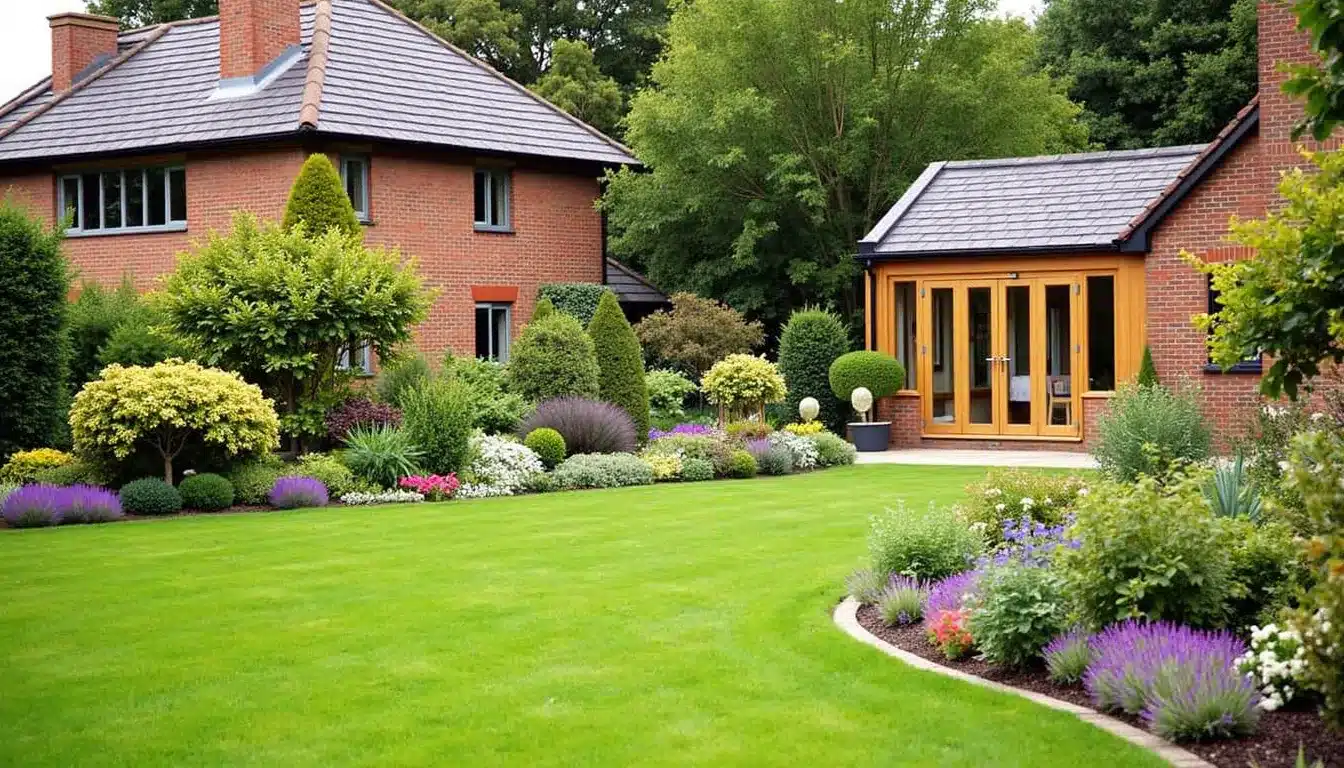
You’ve spent months dragging yourself through interior updates. The walls have fresh paint, the carpets are clean, and you finally replaced that kitchen tap that sounded like it was gargling gravel every time you turned it on.
Then, a potential buyer pulls up, takes one look at your front garden, and immediately starts calculating how many thousands they can knock off their offer.
So, before you stick a ‘For Sale’ sign out front, let’s talk about why the outside of your home deserves just as much love as the inside.
Improving First Impressions
Your garden is the opening line of your property’s sales pitch, and first impressions form fast. When someone walks up to a neatly edged lawn, trimmed hedges, and a clear path, they assume the rest of the house has been looked after with the same level of care.
On the other hand, if the outside looks neglected, buyers will start wondering what else has been left to slide. That cracked paving slab becomes evidence of deeper structural issues, and that bramble poking through the fence suddenly suggests years of negligence.
You don’t need topiary sculptures or a water feature to make a good impression. Just keep the lawn cut, the edges neat, and the path clear of weeds.
These are small jobs that take an afternoon, but they shape how people feel about your entire property within the first 10 seconds.
Making Your Outdoor Space More Usable
A garden that looks like a nature reserve might be great for local wildlife, but it won’t help you sell a house. Buyers want to imagine themselves using the space, and that’s hard to do when you can’t see the patio because of the brambles.
So, think about how your garden functions, not just how it looks. Can someone walk across the lawn without hiking boots? Do you have a clear spot for a table and chairs, or does setting up a deckchair require a machete and hours of hacking at overgrown vegetation?
If you’ve got a decent-sized outdoor space, play to its strengths. A usable garden in Croydon is a genuine selling point, especially when so many properties in South London are competing for attention with little more than paved yards.
Protecting the Property
Neglected outdoor spaces can cause real problems for the structure of your home, and those issues tend to pop up at the worst possible moment.
Overgrown trees and shrubs pushing against walls or rooflines can crack render, lift roof tiles, and block gutters until they overflow. On the other hand, roots from large trees can interfere with foundations and drainage.
Blocked drains are another classic. Leaves, moss, and debris build up until one heavy downpour sends water pooling against your walls instead of flowing away. And once moisture gets into your brickwork, you’ll be looking at eye-watering repair bills.
Then there are fences and boundaries. A leaning fence panel or a gate that doesn’t close properly might not bother you, but a buyer will see it as one more thing they’ll have to sort out.
Making Your Garden Sale-Ready
If you’re gearing up to sell your home, your garden doesn’t need to win any awards. It just needs to look clean, cared for, and easy for someone else to take over without renting a strimmer and a skip.
Tidy and Repair the Essentials
Start with the basics that buyers will clock straight away. Mow the lawn, pull the weeds, prune any overgrown patches, and clear out dead plants or debris that make the space look abandoned.
Then, check your boundaries. Wobbly fence panels, broken gate latches, and cracked paving all scream ‘maintenance backlog’ to anyone viewing the property. Fix them before the first viewing, because buyers usually subtract repair costs from their offer.
If the jobs feel like too much to tackle on your own, professional garden maintenance Croydon companies can get through everything in a day or two.
You’ll save yourself a few weekends of hard graft and end up with a tidier result than most of us would manage armed with a pair of rusty secateurs.
Show It at Its Best
A well-maintained garden won’t help your listing stand out if the photos look like they were taken during a power cut in November. So, photograph the space in good natural light and clear away anything that clutters the view.
Move the bins, tuck away the hosepipe, and resist the urge to leave your gardening gloves draped artistically over the fence. You want your garden to look like a place where someone would sit with a glass of wine, not a storage area for knickknacks you couldn’t fit in the shed.
Also, include enough photos to show the full layout and any mature plants or features worth highlighting. Finally, keep the description honest. ‘South-facing with established borders’ is a selling point. ‘Potential to be lovely’ is estate agent code for ‘bring a machete.’
Use Improvements to Support Your Asking Price
A bit of maintenance won’t automatically add the exact amount you spent back onto your property’s value. This is why treating every bag of compost as a financial investment is a recipe for disappointment.
But a well-presented garden does remove one of the easiest reasons for buyers to negotiate your price down. If someone walks around the outside and can’t find anything obvious to complain about, they’ve got fewer cards to play when it comes to making a lower offer.
Think of it as part of the bigger picture. A tidy garden, clean windows, and a well-maintained interior all work together to justify your asking price. No single element does the heavy lifting on its own, but together they tell a buyer that this property has been looked after properly.
Conclusion
Your garden has been shaping how people see your property since the day you moved in. The good news is that getting it into shape doesn’t require a huge budget or specialist knowledge.
So, grab the mower, sort the fence, and let the outside of your home attract buyers for you. You’ve already done the hard work indoors. This is another easy win you don’t want to skip.

Walking through a garden center can feel overwhelming. With endless rows of shrubs, flowers, and trees, how do you decide what belongs in your yard? Picking the wrong plants often leads to wasted money and dead foliage. However, with a solid plan, you can create a thriving landscape that boosts curb appeal and provides enjoyment for years.
This guide breaks down the essential steps to selecting greenery that fits your environment, style, and maintenance ability. By understanding your space and what plants need to survive, you can build a garden that flourishes.
Assess Your Site Conditions
Before buying a single seed or sapling, you must understand the environment where they will live. Plants have specific needs, and ignoring them usually leads to failure.
Sunlight Availability
Observe how the sun moves across your property. Areas that receive six or more hours of direct sun are considered “full sun.” Locations with three to six hours have “partial shade,” while spots with less than three hours of direct light are “full shade.” Buying a shade-loving hosta for a sun-drenched corner will scorch its leaves, while putting a rose bush in deep shade will result in poor blooms and disease.
Soil Quality
Your soil type dictates how water drains and what nutrients are available. Clay soil holds water but can suffocate roots if it gets too compacted. Sandy soil drains quickly but might not retain enough moisture or food for hungry plants. You can improve most soil with compost, but choosing species adapted to your native ground is always easier.
Hardiness Zones
The USDA Plant Hardiness Zone Map is a critical tool. It divides regions by their average minimum winter temperature. Ensure any perennial, shrub, or tree you select is rated for your specific zone. If you choose a tropical plant for a northern climate, it will not survive the winter outdoors without significant protection.
Define the Purpose of Your Plants
Every plant in your landscape should have a job. Knowing what you want to achieve helps narrow down the massive selection available.
Creating Privacy and Screening
If your goal is to block a view of the neighbor’s garage or reduce street noise, look for dense, fast-growing evergreens. Arborvitae or holly bushes can form living walls that provide year-round coverage.
Adding Color and Interest
Deciduous shrubs and flowering perennials bring seasonal excitement. Plan for a succession of blooms so something is always colorful from spring through fall. Bulbs like tulips work for early spring, while daylilies shine in summer, and mums offer autumn vibrancy.
providing Shade and Structure
Trees are the anchors of a landscape. A large oak or maple provides cooling shade that can lower energy bills. Smaller ornamental trees, like dogwoods or Japanese maples, add structural beauty and focal points near patios or entryways.
Consider Maintenance Levels
Be honest about how much time you want to spend working in the yard. Some landscapes require weekly attention, while others thrive on neglect.
High-Maintenance Options
Roses, fruit trees, and formal hedges often need regular pruning, fertilizing, and pest control. If you love gardening as a hobby, these are rewarding choices. If you prefer to relax on weekends, they might become a burden.
Low-Maintenance Alternatives
Native plants are generally the best choice for easy care. Because they evolved in your region, they are adapted to local rainfall and pests. Ornamental grasses and sedums are other excellent low-maintenance picks that look great with minimal effort. When visiting a Salt Lake City plant nursery or a local garden center in your specific region, ask the staff to point out species that are drought-tolerant and disease-resistant.
Spatial Planning and Growth Habits
One of the most common mistakes is planting for the current size of the pot, not the mature size of the plant.
Give Plants Room to Breathe
That small juniper might look cute now, but if the tag says it grows eight feet wide, believe it. Planting too close to your house or walkways leads to constant pruning battles later. Proper spacing ensures good air circulation, which reduces fungal diseases.
Layering for Depth
Think vertically when arranging your beds. Place tall plants in the back, medium-sized ones in the middle, and low-growing ground covers in the front. This layering technique creates visual depth and ensures every plant gets seen.
Water Requirements
Group plants with similar water needs together. This practice, known as hydro-zoning, saves water and keeps plants healthy. You should not put a thirsty willow tree next to a drought-loving lavender bush because you will either drown one or dehydrate the other.
Choosing the right plants involves research and patience. By analyzing your sunlight, soil, and lifestyle, you can select varieties that will thrive in your specific landscape. The result will be a beautiful, sustainable outdoor space that adds value to your home.

Born in Portugal: Who Qualifies for Citizenship in 2026?

Planning a Manageable Garden Maintenance Routine in Orpington

5 Industries That Should Start Exploring Quantum Key Distribution Today

Best AI Chatbot for Humanlike Writing: Blogs, Emails and Social Posts

From Dalmatian Spots to Bubblegum Pink: A Custom Latex Catsuit Brief

Who Is Indiana Urban? Inside the Life of Karl Urban’s Son and Rising Actor

Jennifer Seyfried: All About Amanda Seyfried’s Sister, Her Life and Career

Who Is Zachary Hudson? Inside the Private Life of Cindy Williams’ Son

Who Is Stephen G. Walker? All About PinkPantheress’ Father and His Academic Career

Cynthia Womack Biography: The Life, Career, and Legacy of Connie Britton’s Twin Sister
Who Is Indiana Urban? Inside the Life of Karl Urban’s Son and Rising Actor
Jennifer Seyfried: All About Amanda Seyfried’s Sister, Her Life and Career
Who Is Zachary Hudson? Inside the Private Life of Cindy Williams’ Son
Who Is Stephen G. Walker? All About PinkPantheress’ Father and His Academic Career
Cynthia Womack Biography: The Life, Career, and Legacy of Connie Britton’s Twin Sister
-
Biography9 months ago
Who Is Indiana Urban? Inside the Life of Karl Urban’s Son and Rising Actor
-
Biography8 months ago
Jennifer Seyfried: All About Amanda Seyfried’s Sister, Her Life and Career
-
Biography8 months ago
Who Is Zachary Hudson? Inside the Private Life of Cindy Williams’ Son
-
 Biography7 months ago
Who Is Stephen G. Walker? All About PinkPantheress’ Father and His Academic Career
-
Biography9 months ago
Cynthia Womack Biography: The Life, Career, and Legacy of Connie Britton’s Twin Sister
-
 Biography8 months ago
Lynn Payne: Inside the Life and Love Story of Randy Savage’s Wife
-
 Biography8 months ago
Who is Lynn Levesque? Everything to Know About Triple H’s Sister
-
 Biography9 months ago
Who Was Gretchen Knauff? The Private Life of Jennifer Coolidge’s Mother
Pingback: How to Get Your Oven Sparkling Clean Without the Hassle