
Business
The Hidden Costs of Ignoring an Electrical Emergency at Home


Electricity is one of those things you never think about—until something goes wrong. A tripped breaker at midnight, sparks behind an outlet, or lights flickering without explanation. These aren’t just annoyances. Left unaddressed, they can escalate into serious safety hazards faster than most homeowners realize.
That’s the uncomfortable truth about electrical emergencies: they rarely announce themselves with enough warning. And the gap between “I’ll deal with it tomorrow” and a house fire or complete power failure can be dangerously short.
This post breaks down what constitutes a real electrical emergency, why acting fast matters, and how professional emergency electrical services protect your home, your appliances, and most importantly, your family.
What Actually Counts as an Electrical Emergency?
Not every electrical hiccup demands an urgent call. A blown light bulb doesn’t. But several situations absolutely do—and many homeowners underestimate them.
Signs you need immediate help:
- Burning smell near outlets, panels, or walls
- Sparks or visible scorch marks on outlets or switches
- Circuit breakers that trip repeatedly, even after resetting
- Complete loss of power to part or all of your home
- Buzzing, crackling, or popping sounds from electrical fixtures
- Hot outlets or switch plates
- Electric shocks when touching appliances or switches
Any one of these symptoms points to an underlying fault that needs professional diagnosis—not a DIY fix and not a wait-and-see approach. Electrical faults are a leading cause of residential fires, according to the National Fire Protection Association (NFPA), which reports that home electrical fires account for an estimated 51,000 fires annually in the US alone.
Why DIY Fixes Make Electrical Emergencies Worse
It’s tempting to reset a breaker, swap an outlet, or follow a YouTube tutorial when something electrical goes wrong. The issue is that visible symptoms are often surface-level indicators of deeper faults—faulty wiring hidden inside walls, overloaded circuits, or deteriorating insulation that’s been degrading for years.
Attempting repairs without professional training doesn’t just risk injury. It can void homeowner insurance policies, breach local building codes, and create conditions that make future failures more likely—and more dangerous.
Certified electricians carry diagnostic tools and the training to trace faults to their source, not just patch over the symptoms. The difference between a quick fix and a proper repair isn’t just cosmetic. It’s the difference between a problem solved and a problem delayed.
How Fast Response Time Changes the Outcome
In electrical emergencies, time is a genuine variable in the outcome. A fault left active overnight—whether it’s arcing wiring or an overloaded panel—creates hours of additional risk. Smoke, heat damage to walls, and appliance damage can all compound while a homeowner waits for a next-day appointment.
Emergency electrical services exist precisely for this reason. Rather than leaving residents to manage a live hazard through the night, a rapid-response electrician can arrive, assess, and either resolve the fault or make the situation safe until full repairs can be completed.
Homes with young children, elderly occupants, or medical equipment that requires stable power face an even greater need for fast-turnaround electrical response. In those cases, a same-night repair isn’t just convenient—it’s essential.
What to Expect From a Professional Emergency Electrical Service
A strong emergency electrical service does more than just show up. Here’s what quality looks like in practice:
Rapid dispatch: Arrival windows measured in hours, not days. The best services operate around the clock, including weekends and public holidays.
Thorough diagnosis: A professional won’t just reset your breaker and leave. They’ll trace the fault, test the circuit, and confirm the root cause before declaring it resolved.
Transparent pricing: Emergency work shouldn’t come with surprise invoices. Reputable services communicate callout fees and labor rates upfront.
Licensed and insured technicians: Every technician sent to your home should hold current licensing and carry liability insurance. This protects you if anything goes wrong during the repair process.
Clear documentation: A written report of the fault, the repair performed, and any recommendations for follow-up work gives homeowners something concrete to keep on file—useful for insurance purposes and future reference.
Protecting Your Home Before the Next Emergency Strikes
Reactive responses are necessary when something goes wrong—but proactive electrical maintenance is what prevents most emergencies from occurring in the first place.
Annual electrical inspections catch problems like aging wiring, undersized panels, and degraded insulation before they become crises. Homes older than 25 years, in particular, may be running on electrical infrastructure that wasn’t designed to handle the load of modern appliances, smart devices, and high-draw equipment like EV chargers or home offices.
A few practical steps every homeowner should take:
- Know the location of your main electrical panel and confirm each circuit is correctly labeled
- Test smoke and carbon monoxide detectors every six months
- Avoid daisy-chaining power strips—this is a common cause of overloads
- Replace two-prong outlets with properly grounded three-prong alternatives
- Schedule a professional inspection if your home hasn’t had one in the past few years
Prevention isn’t about living in fear of electrical faults. It’s about giving your home the same attention you’d give your car—regular check-ups that extend its life and catch problems early.
ResQmedics: Ready to Respond When It Counts
Electrical emergencies don’t follow business hours. They happen on Saturday nights, during storms, and in the middle of the night when options feel limited and stress runs high.
Emergency Electrician services give homeowners direct access to licensed professionals who can diagnose faults, restore power safely, and prevent minor issues from turning into major damage—available whenever an urgent situation demands a reliable, qualified response at your door.
ResQmedics operates with the understanding that speed and quality aren’t mutually exclusive. Fast dispatch gets a technician to your home quickly. Rigorous training ensures the work they do meets code, holds up over time, and actually solves the problem rather than masking it.
Whether it’s a full power outage, a sparking outlet, or something you can’t quite explain but know doesn’t feel right—ResQmedics is equipped to handle it.
Electrical Safety Is Not a Compromise Worth Making
Electrical faults don’t give second chances. The margin between a close call and a serious outcome is often nothing more than how quickly a qualified professional gets involved.
Homeowners who treat electrical warning signs seriously—who call for help rather than waiting it out—consistently see better outcomes. Less damage, lower repair costs, and most importantly, preserved safety for everyone in the home.
If something in your home’s electrical system seems off, trust that instinct. The cost of a professional assessment is a fraction of what an unaddressed fault can ultimately cost. ResQmedics makes that professional help accessible, fast, and dependable—because when it comes to electrical emergencies, the right response time makes all the difference.
Frequently Asked Questions
What qualifies as an electrical emergency?
Any situation involving sparks, burning smells, repeated breaker trips, power loss, hot outlets, or electric shocks qualifies as an emergency requiring immediate professional attention.
Is it safe to stay home during an electrical emergency?
It depends on the severity. If there is any smell of burning, visible sparking, or signs of fire, evacuate and call emergency services first. For issues like partial power loss or a tripping breaker, staying home is generally safe—but the fault should still be assessed promptly by a licensed electrician.
Can I reset my breaker if it keeps tripping?
You can reset it once to check if it holds. If it trips again, do not keep resetting it. Repeated tripping signals an underlying fault—overloaded circuit, short circuit, or failing breaker—that needs professional diagnosis.
How quickly can ResQmedics respond to an electrical emergency?
ResQmedics provides rapid-response emergency electrical services, with dispatch available around the clock to ensure a licensed technician reaches your home as quickly as possible.
How do I prevent electrical emergencies in the future?
Annual electrical inspections, proper appliance usage, avoiding outlet overloads, and updating older wiring are the most effective prevention measures. A licensed electrician can assess your home’s current infrastructure and flag any risks.


Observing bears in their natural environment ranks among the most captivating experiences for visitors traveling to North America’s northernmost wilderness. Alaska is home to vast populations of black bears, brown bears, and polar bears. For first-time travelers, knowing where to go, when to visit, and how to navigate these remote landscapes safely ensures a successful and unforgettable trip. Matching your travel dates with seasonal bear behavior helps maximize your chances of witnessing iconic wildlife moments up close.
Understanding Alaska’s Bear Species and Environments
Alaska hosts three distinct bear species, each occupying specific geographical ranges and habitats across the state. Understanding these differences allows travelers to select destination regions tailored to their viewing preferences.
Brown Bears and Coastal Grizzlies
Coastal brown bears and interior grizzlies belong to the same species, yet coastal populations grow significantly larger due to nutrient-rich salmon diets. Found along coastal estuaries, river basins, and southern island chains, brown bears congregate in impressive numbers during summer fish runs. Interior grizzlies range across tundra landscapes and alpine valleys, spending more time foraging for berries, roots, and small mammals.
Black Bears in Forested Regions
Black bears inhabit forested zones across southcentral, interior, and southeast coastal regions. Smaller and generally more adaptable than brown bears, black bears thrive near timberlines and salmon-rich rivers. Viewing sites in dense temperate rainforests often provide excellent opportunities to spot black bears fishing along quiet creeks.
Polar Bears of the Arctic Frontier
Polar bears reside exclusively in northern Arctic coastal zones bordering the Beaufort and Chukchi Seas. Accessing polar bear habitat requires specialized Arctic travel logistics, small-group guided tours, and cold-weather preparation. These northern marine mammals spend most of their lives on sea ice, hunting seals along coastal barriers.
Top Bear Viewing Destinations for Beginners
Selecting the right location simplifies logistics while providing secure, established infrastructure for first-time visitors.
Katmai National Park and Brooks Falls
Katmai National Park stands as a premier location for observing brown bears. At Brooks Falls, elevated wooden platforms allow visitors to watch bears snatch jumping sockeye salmon directly out of fast-flowing waterfalls safely. Reaching this area involves flying into regional hubs before boarding bush planes. Securing comfortably established King Salmon Alaska lodging provides a practical base for daily floatplane excursions into Katmai’s backcountry destinations.
Anan Wildlife Observatory in Southeast Alaska
Located within the Tongass National Forest, Anan Creek features a rare environment where both black and brown bears feed at the same site. A covered viewing deck and photo blind positioned above a cascading waterfall offer incredible proximity to fishing bears. Because daily permit numbers are restricted to protect wildlife, booking permits well in advance is essential.
Lake Clark National Park and Preserve
Lake Clark offers diverse coastal and lakefront environments where brown bears gather to forage in salt marshes and tidal mudflats. In early summer, visitor groups observe mothers and young cubs digging for clams or grazing on sedge grasses. Small bush planes land directly on sandy beaches, offering immediate access to quiet, uncrowded viewing areas.
Admiralty Island and Pack Creek
Known locally as Fortress of the Bears, Admiralty Island holds one of the highest concentrations of brown bears per square mile on earth. The Pack Creek Bear Sanctuary provides a protected habitat where visitors, guided by wilderness rangers, observe bears fishing along tidal flats. Access requires day permits and floatplane transit from nearby regional towns.
Timing Your Trip for Peak Bear Activity
Bear movements follow strict seasonal patterns dictated by food availability. Aligning your travel window with natural feeding cycles improves viewing results.
Early Summer: Sedge Grasses and Clamming
June marks the emergence of bears from winter dens. During this period, bears congregate along coastal bays to graze on protein-rich sedge grass, dig for intertidal clams, and mate. Early summer offers long daylight hours and opportunities to view mothers with newborn cubs.
Mid to Late Summer: Peak Salmon Runs
July and August bring the arrival of migrating salmon, drawing large gatherings of bears to river cascades and shallow streams. Watching bears compete for prime fishing spots at waterfalls provides classic photo opportunities. This period represents peak tourist season, making early bookings necessary.
Autumn: Hyperphagia and Berry Foraging
In September, bears enter hyperphagia, a state of intense eating to build fat reserves for winter hibernation. Bears focus on lingering salmon carcasses in rivers and forage for wild berries along mountain slopes. Autumn visits offer stunning fall foliage and fewer crowds across viewing platforms.
Essential Safety Protocols for Wilderness Travelers
Respecting wildlife and following established safety procedures keeps both travelers and bears safe during encounters.
Adhering to Bear Safety Orientations
Upon arrival at managed national park sites, visitors attend mandatory safety briefings led by park rangers. These sessions outline fundamental rules, including maintaining safe distances, staying on designated trails, and packing out all food and trash to prevent conditioning bears to human presence.
Group Travel and Noise Habits
When hiking in wilderness areas lacking elevated boardwalks, stay in organized groups and make consistent noise. Talking loudly or clapping alerts bears to your presence, preventing accidental surprises along dense, winding brush trails.

Smart factories represent the pinnacle of modern manufacturing. Driven by Artificial Intelligence (AI), Internet of Things (IoT) sensors, high-speed robotics, and automated guided vehicles (AGVs), these facilities operate at unprecedented levels of speed and efficiency. By digitizing production lines, manufacturers aim to reduce human error, optimize throughput, and achieve near-zero defect rates.
However, a surprising paradox lies at the heart of Industry 4.0: the more sophisticated and automated a factory becomes, the more vulnerable it is to its physical environment. While legacy machinery could tolerate ambient temperature swings, dusty air, and fluctuating humidity, modern automated systems rely on delicate electronic micro-tolerances. Achieving true smart factory efficiency requires maintaining rock-solid, stable production conditions on the factory floor.
1. High-Tech Sensitivity: The Paradox of Automation
Quick Answer: Automated smart factories are vastly more sensitive to ambient environmental shifts than traditional plants because high-precision optical sensors, microprocessors, and robotic arms operate on micron-level tolerances.
When human operators run manual machinery, they naturally adjust their technique to compensate for minor environmental variations—such as a slippery material, a slightly warped sheet of cardboard, or ambient glare. Automated systems, by contrast, execute pre-programmed instructions based on rigid sensory inputs.
If ambient factory conditions fluctuate:
- Optical Sensors Misread Data: Dust, fog, or high humidity can scatter laser beams and camera lenses on automated inspection lines.
- Microprocessors Overheat: Uncontrolled thermal spikes cause server cabinets and robotic drive controllers to throttle processing speed or shut down entirely.
- Robotic Arms Drift: Temperature swings cause metal structural beams and robotic axes to expand or contract, corrupting sub-millimeter positioning accuracy.
Implementing comprehensive smart factory environmental control ensures that high-tech assets operate within their optimal design parameters.
2. Sensor Integrity and Calibration Drift
Quick Answer: Environmental instability causes rapid sensor drift, leading to false-positive quality rejects, unexpected line stoppages, and frequent manual recalibration cycles.
An Industry 4.0 facility is only as intelligent as the data collected by its IoT sensor network. Thousands of vibration, optical, thermal, and proximity sensors stream real-time telemetry to central analytics engines.
When environmental conditions fluctuate unpredictably, sensor accuracy degrades. For example, sudden temperature changes alter the resistance values of electronic sensors, while airborne dust coats optical vision lenses. This causes Industry 4.0 sensor calibration to drift rapidly away from baseline values. As a result, AI analytics software receives corrupted data, leading to false-positive component rejections or triggering unnecessary emergency machine shutdowns.
3. Controlling Static Electricity and Electrostatic Discharge (ESD)
Quick Answer: Dry indoor air generates static charges on moving machinery, causing microchip damage, component sticking, and severe automated handling jams.
Static electricity is one of the most destructive hidden forces on an automated production floor. When ambient relative humidity (RH) drops below 40%, friction between moving plastic belts, electronic components, and packaging films generates high-voltage static charges.
Uncontrolled electrostatic discharge in automated manufacturing leads to two major failure modes:
- Component Destruction: Invisible static discharges strike sensitive microcircuits on surface-mount technology (SMT) lines, burning out microchips before products are even fully assembled.
- Material Clinging: Lightweight materials like plastic films, paperboard, and pharmaceutical blisters stick to feed trays and robotic grippers, causing frequent conveyor jams.
4. Regulating Moisture for Material and Mechanical Stability
Quick Answer: Integrating in-duct high-pressure humidification into factory HVAC systems keeps relative humidity stable between 40% and 60%, eliminating static and preventing material warping.
Maintaining a balanced indoor microclimate requires managing more than just air temperature; atmospheric moisture control is equally critical. Hygroscopic materials—such as wood, paper, textiles, composite polymers, and specialized films—absorb and release moisture based on surrounding air conditions. In dry environments, paperboard shrinks, plastic films become brittle, and wooden components warp out of tolerance.
To prevent these material transformations, smart facilities regulate indoor moisture levels continuously. Integrating high-capacity commercial humidification directly into main HVAC ductwork maintains optimal relative humidity (40% to 60% RH) across large production halls. This eliminates static electricity, prevents material distortion, and protects delicate electronic assemblies without leaving wet residue on machinery.
5. Thermal Drift and Sub-Micron Machining Tolerances
Quick Answer: Uncontrolled ambient room temperatures cause thermal expansion in CNC spindles, metal alloys, and measuring tools, introducing dimensional errors in high-precision parts.
In precision sectors like aerospace, medical device fabrication, and semiconductor manufacturing, parts are produced to sub-micron tolerances. Metal alloys expand when heated and contract when cooled in accordance with their thermal expansion coefficients.
If a machine shop’s ambient temperature fluctuates by just a few degrees between morning and afternoon, a CNC milling machine’s bed and spindle will expand. A part machined at 8:00 AM may not match the precise dimensions of the exact same part machined at 2:00 PM. Maintaining strict room temperature stability eliminates thermal drift and keeps high-tolerance production predictable.
6. Myth vs. Fact: Smart Factory Environments
Clearing up common misconceptions helps plant managers optimize their facility conditions:
| Misconception | Manufacturing Reality |
| “AI software can automatically compensate for physical environmental shifts.” | Software algorithms can adjust parameters slightly, but physical material warping or fried microchips require physical intervention. |
| “Standard air conditioning provides enough environmental control for smart lines.” | HVAC cooling strips moisture from the air; without active humidification, low humidity causes severe static electricity build-up. |
| “Enclosed robotic cells are immune to plant floor conditions.” | Unless a cell is a certified clean room, ambient air, dust, and humidity continuously circulate through safety mesh and cable ports. |
7. Smart Factory Environmental Readiness Checklist
Use this practical audit list to evaluate environmental stability on your plant floor:
- [ ] Continuous RH Tracking: Are digital hygrometers installed near high-speed automated lines to verify 40%–60% relative humidity?
- [ ] ESD Grounding Audit: Are conveyor belts, robotic grippers, and feeder trays tested routinely for static charge accumulation?
- [ ] HVAC Integration: Is high-pressure humidification installed in the main air handlers to maintain uniform moisture distribution?
- [ ] Thermal Mapping: Are thermal sensors positioned at machine-bed levels to detect localized heat pockets from heavy drives?
- [ ] Filtration Checks: Are positive-pressure air filtration units operating effectively to keep fine dust off optical vision lenses?
The true potential of a smart factory is realized only when digital intelligence is paired with physical environmental stability. Advanced robotics, AI vision systems, and ultra-precise automated lines require a controlled atmosphere to perform at their peak. By regulating room temperatures, controlling air purity, and deploying precise commercial humidification to eliminate static and material warping, manufacturers protect their high-tech investments and ensure reliable, zero-defect production.
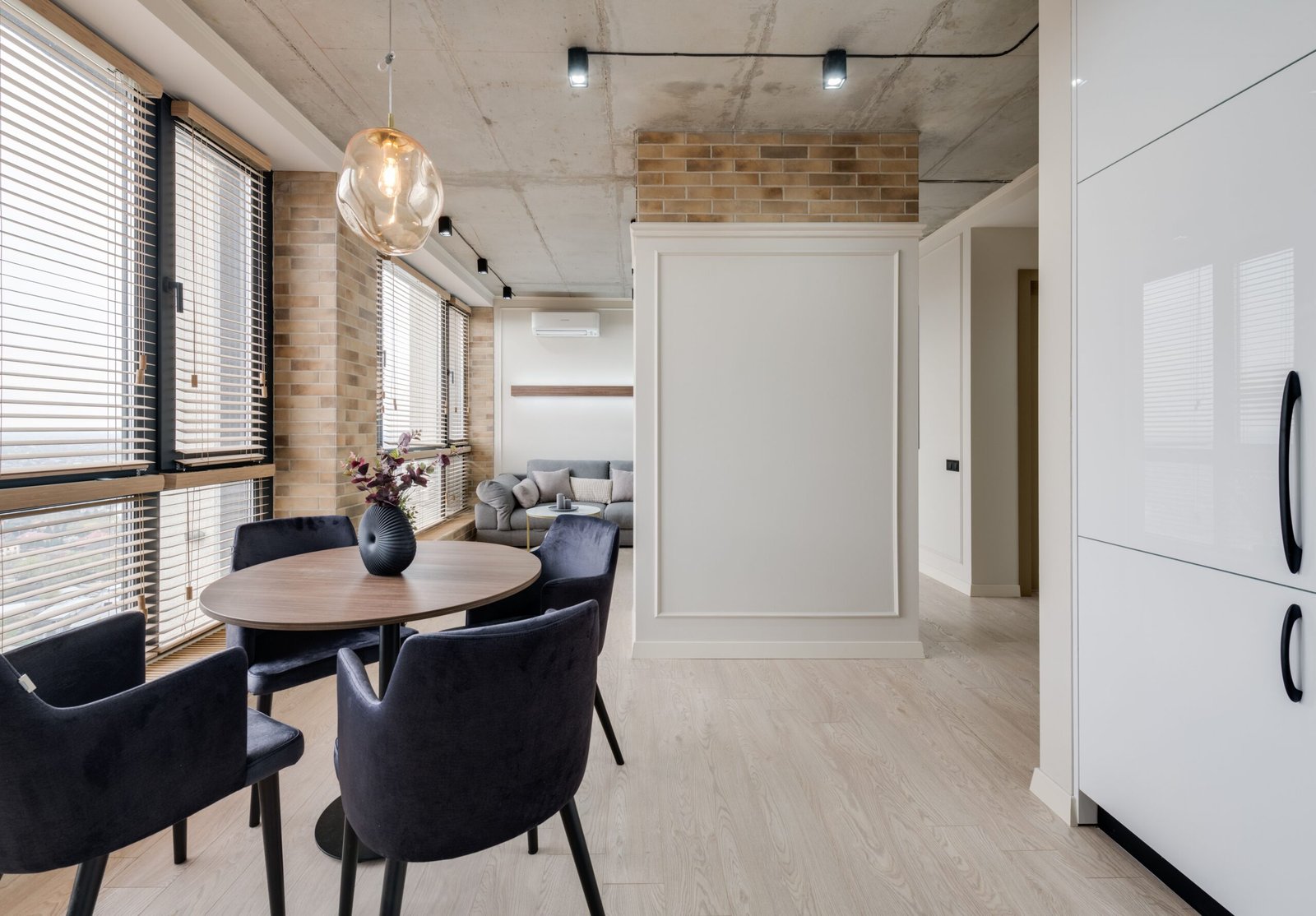
Designing a high-performing restaurant within a compact footprint presents a unique operational puzzle for hospitality owners. Every square foot of floor space directly impacts your daily seating capacity, guest comfort, and bottom-line revenue. While spatial constraints can feel limiting, a compact dining room also offers a distinct advantage: an intimate, energetic atmosphere that draws guests in. By implementing clever layout strategies, versatile furniture choices, and intuitive traffic flow, you can transform a small dining room into a cozy, highly profitable venue.
Maximize Floor Space with Continuous Perimeter Booth Seating
When square footage is at a premium, traditional freestanding tables surrounded by individual four-legged chairs waste valuable floor space due to required chair clearances. Installing continuous, wall-mounted perimeter booth seating or banquettes is one of the most effective strategies for unlocking extra capacity along the edges of a small room. Banquette runs eliminate the space needed behind movable chairs, pulling dining zones tightly against perimeter walls.
Continuous banquettes offer incredible operational flexibility for front-of-house managers. Instead of being locked into rigid four-top table configurations, a long banquette paired with small two-top tables allows you to rearrange seating dynamically. You can easily slide two-top tables together to accommodate a party of six, or pull them apart for three separate couples, minimizing empty, wasted seats during peak dining shifts.
To elevate the visual appeal and spatial comfort of banquette runs, choose floating or cantilevered seat designs that leave floor space underneath open and visible. Keeping floor space clear under seating creates an optical illusion of a larger room while simplifying nightly floor sweeping. High-backed banquettes also add soft acoustic dampening across narrow rooms, helping control background noise levels naturally.
Utilize Flexible Two-Top Tables for High Seat Occupancy
A frequent layout mistake in small dining rooms is installing large, static four-top or six-top tables. When a party of two sits at a four-top table, fifty percent of that table’s capacity is instantly wasted. In a compact venue, these empty chairs directly suppress your hourly revenue potential. Prioritizing small, versatile two-top tables maximizes seat occupancy rates and adapts effortlessly to shifting customer demographics.
Standard square or rectangular two-top tables measuring twenty-four by thirty inches provide ample space for two diners while maintaining a compact footprint. Placing two-tops in linear rows with small, eighteen-inch gaps allows waitstaff to navigate between parties easily while preserving guest intimacy. When larger groups arrive, servers can combine multiple two-top tables instantly to create custom dining arrangements without disrupting overall floor traffic.
For ultra-tight dining nooks or narrow architectural alcoves, consider round two-top bistro tables. Round tabletops feature no sharp corners, easing foot-traffic flow around tight corners and making small walkways feel more open. Pairing round tables with slender, central pedestal bases maximizes legroom for seated guests, ensuring physical comfort within compact dining zones.
Harness Counter Seating and Vertical High-Top Space
When floor space is limited horizontally, expanding your seating strategy vertically provides an excellent opportunity to add extra covers. Utilizing high-top dining counters along window perimeters, kitchen passes, or bar areas captures underutilized wall space and converts visual architectural boundaries into profitable dining zones. Counter seating offers an energetic, casual vibe that appeals strongly to solo diners, walk-ins, and quick-bite guests.
Outfitting high-top counter zones requires slim-profile, commercial-grade furniture engineered for physical stability and spatial efficiency. Incorporating backless or low-profile commercial bar stools that tuck completely underneath counter overhangs when not in use keeps main circulation aisles clear of obstruction. Choosing bar stools with integrated footrests and swivel seats allows guests to get on and off easily without pushing seating back into narrow walkways.
Designing a dining counter along front window facades serves a dual operational purpose. It provides seated guests with entertaining street-level views while creating an active, lively interior visual for pedestrians passing by outside. Seeing happy diners enjoying meals through front windows acts as powerful organic marketing, attracting curious walk-in customers into your venue.
Designing Slim Kitchen Pass Counters
Transforming the ledge of an open kitchen pass into an interactive chef’s counter turns food preparation into live culinary theater. Guests enjoy watching kitchen craftsmanship up close while dining on narrow counter surfaces.
Kitchen pass seating absorbs walk-in guests during peak wait times without occupying main dining room tables. Interactive seating zones maximize spatial utility and elevate the overall guest experience.
Window Counter Seating for Solo Diners
Solo diners often feel awkward sitting alone at multi-seat dining tables, occupying capacity that could host larger parties. Deep window ledges fitted with wooden counters offer cozy, welcoming spots for solo guests.
Window counters maximize window light and urban views while optimizing table distribution across the main floor. Tailored seating options improve seat turnover and customer satisfaction.
Establish Clear, Straight Circulation Pathways
In a small dining room, chaotic or zigzagging circulation pathways create immediate operational bottlenecks. When waitstaff carrying hot food trays must navigate around awkward table corners or squeeze past seated guests, service slows down, dishware breaks, and the dining environment feels stressed and disorganized. Designing straight, intuitive circulation loops guarantees fluid floor operations and a relaxed atmosphere.
Primary service pathways connecting the entrance, kitchen pass, bar, and restrooms should maintain a clear width of at least thirty-six inches. Main aisles must remain completely free of chair legs, coat racks, and service stands to satisfy municipal accessibility standards and fire codes. Secondary aisles between individual tables require a minimum clearance of eighteen to twenty-four inches so guests can pull out chairs without bumping neighboring diners.
Strategic placement of service stations is equally vital in small layouts. Instead of installing a bulky, freestanding wait station on the main dining floor, integrate POS terminals, water refill taps, and cutlery drawers into wall-recessed alcoves or under-bar cabinetry. Concealing operational infrastructure keeps high-traffic walkways clear while maintaining a clean, uncluttered visual aesthetic for seated guests.
Maintaining Unobstructed Emergency Exits
Small dining rooms can quickly feel crowded if entryways and exit corridors are cluttered with waiting crowds or excess furniture. Keeping emergency exit paths completely clear ensures safety code compliance and smooth guest arrivals.
Utilize wall-mounted coat hooks and slim umbrella stands near the front door to prevent personal belongings from spilling into walkways. Organized entry zones maintain clear spatial boundaries from the moment guests arrive.
Recessed Service Nooks for Staff Efficiency
Building custom service alcoves directly into interior walls keeps water pitchers, extra napkins, and ordering terminals within quick reach of servers without taking up floor space.
Streamlined service nooks reduce server travel distances and keep main aisles clear. Efficient infrastructure supports fast table turnover and smooth floor operations.
Use Visual Design Tricks to Expand Perceived Space
While physical spatial dimensions cannot be changed without costly structural demolition, applying smart visual design principles can make a small dining room feel significantly larger, airier, and more comfortable. Color choices, lighting architecture, material selections, and mirror placements profoundly influence how human eyes perceive spatial volume.
Utilizing light, warm neutral color palettes—such as soft creams, warm grays, light woods, and muted pastels—reflects light across the room, creating an open, expansive feel. Dark, heavy paint colors absorb light and make low ceilings feel pressing, though rich jewel tones can be applied thoughtfully on focal accent walls to add artistic depth. Hanging large, custom-framed mirrors on main interior walls reflects dining room lighting and doubles visual depth, tricking the eye into perceiving a much larger room.
Lighting architecture also plays a massive role in spatial perception. Avoid heavy, low-hanging pendant light fixtures that chop up overhead visual volume and make ceilings feel low. Instead, utilize flush-mount ceiling fixtures, subtle recessed spotlighting, and concealed LED tape lights hidden within wall coves or under banquette edges. Vertical wall sconces that cast light upward heighten visual ceiling levels, making tight dining spaces feel bright, open, and inviting.
Strategic Mirror Placement for Depth Reflection
Positioning expansive mirrors directly opposite natural light sources or decorative artwork bounces light across dark corners, amplifying ambient illumination naturally. Reflected sightlines create compelling visual movement across compact rooms.
Framing mirrors with warm wood or metallic trims integrates functional reflection into your overarching interior design theme. Mirror installations enhance visual spatial proportions effortlessly.
Slender Furniture Silhouettes for Uncluttered Sightlines
Choosing chairs and tables with slender, open frames—such as thin tubular steel legs or wireframe backs—allows eyes to look through furniture pieces to the floor and walls beyond. Open furniture silhouettes prevent visual clutter.
Bulky, solid-wood block furniture dominates small rooms and makes floor space feel congested. Lightweight, streamlined furniture maintains visual openness and modern elegance.
Incorporate Flexible Outdoor and Convertible Seating
If your small venue features sidewalk space, a small back patio, or an exterior alleyway, expanding your seating layout into the open air is a high-yield way to boost total seating capacity during pleasant weather. Convertible indoor-outdoor design features merge interior and exterior spaces, making small dining rooms feel spacious and connected to the surrounding neighborhood.
Installing floor-to-ceiling glass garage doors, folding accordion glass walls, or large sliding glass windows allows you to open up your building facade completely during warm seasons. Convertible glass facades eliminate the hard visual boundary between indoor tables and outdoor streetscapes, drawing fresh air, natural sunlight, and energetic urban views directly into your dining room. Guests seated inside feel connected to the outdoors, enjoying an expanded spatial atmosphere.
For outdoor sidewalk or patio zones, select lightweight, stackable commercial furniture that can be packed away or reconfigured easily at the end of operating shifts. Utilizing narrow outdoor two-top tables paired with weather-resistant bistro chairs maximizes sidewalk capacity without blocking pedestrian walkways. Adding overhead awnings and compact infrared heaters extends outdoor seating usability well into spring and autumn, generating substantial extra revenue year-round.
Folding Accordion Glass Doors for Seamless Transitions
Replacing traditional solid brick or glass storefronts with folding accordion glass door systems transforms your entire dining room facade into an open-air pavilion. Open glass panels double visual spatial volume during warm months.
Accordion doors create an irresistible, welcoming view for passersby, driving spontaneous walk-in business. Convertible architectural features maximize seasonal seating capacity and brand appeal.
Compact Stackable Outdoor Furniture
Selecting commercial outdoor chairs that nest or stack neatly simplifies nightly closing routines for front-of-house staff. Stackable furniture minimizes storage space demands inside small venues overnight.
Durable aluminum and synthetic wicker materials resist weather damage while offering lightweight flexibility. Practical outdoor furniture expands seasonal seating capacity effortlessly.
Conclusion
Maximizing a small restaurant dining space requires a thoughtful balance of spatial geometry, flexible furniture selection, efficient traffic circulation, and strategic visual design. By installing continuous perimeter banquettes, prioritizing versatile two-top tables, harnessing high-top counter space with slim bar stools, maintaining straight circulation paths, applying visual spatial tricks, and leveraging outdoor zones, you transform physical limitations into a competitive commercial advantage. Smart, space-efficient design creates an intimate, vibrant dining destination that delights guests and delivers long-term commercial success.

Securing Industry 4.0: Mitigating Electrical Transients in Smart Manufacturing

Where to Spot Bears in Alaska: A First-Timer’s Wildlife Guide

Why Smart Factories Need Stable Production Conditions

Small Space, Big Profits: Smart Seating Layouts for Tiny Dining Rooms

8 Workforce Challenges Facing Modern Construction

Who Is Indiana Urban? Inside the Life of Karl Urban’s Son and Rising Actor

Jennifer Seyfried: All About Amanda Seyfried’s Sister, Her Life and Career

Who Is Zachary Hudson? Inside the Private Life of Cindy Williams’ Son

Who Is Stephen G. Walker? All About PinkPantheress’ Father and His Academic Career

Cynthia Womack Biography: The Life, Career, and Legacy of Connie Britton’s Twin Sister
Who Is Indiana Urban? Inside the Life of Karl Urban’s Son and Rising Actor
Jennifer Seyfried: All About Amanda Seyfried’s Sister, Her Life and Career
Who Is Zachary Hudson? Inside the Private Life of Cindy Williams’ Son
Who Is Stephen G. Walker? All About PinkPantheress’ Father and His Academic Career
Cynthia Womack Biography: The Life, Career, and Legacy of Connie Britton’s Twin Sister
-
Biography7 months ago
Who Is Indiana Urban? Inside the Life of Karl Urban’s Son and Rising Actor
-
Biography7 months ago
Jennifer Seyfried: All About Amanda Seyfried’s Sister, Her Life and Career
-
Biography7 months ago
Who Is Zachary Hudson? Inside the Private Life of Cindy Williams’ Son
-
 Biography5 months ago
Who Is Stephen G. Walker? All About PinkPantheress’ Father and His Academic Career
-
Biography7 months ago
Cynthia Womack Biography: The Life, Career, and Legacy of Connie Britton’s Twin Sister
-
 Biography7 months ago
Who Was Gretchen Knauff? The Private Life of Jennifer Coolidge’s Mother
-
 Biography6 months ago
Who is Lynn Levesque? Everything to Know About Triple H’s Sister
-
 Biography6 months ago
Lynn Payne: Inside the Life and Love Story of Randy Savage’s Wife