
Technology
How Different Visual Elements Can Affect the Quality of Your Video


To produce a top quality video, it takes talent and high quality cameras, but it also takes all components of the video to work together to tell the same story effectively. What may seem small and inconsequential at the time of filming can actually create noticeable distractions when you get to final post production. Visual continuity is extremely important to maintaining the trust of your audience when producing commercials, brand films, and promotional videos.
When businesses invest in producing corporate video production or branded video production, maintaining visual consistency from scene to scene will help ensure that the end result looks polished and professional, which helps convey an image of quality for the brand being represented.
The Importance of Visual Consistency
Viewers usually observe the smallest details without even trying, and that can lead them to distract from the story being told because they will notice visual errors that distract them from the story being delivered.
For example, if a coffee cup has suddenly moved from its original location or the lighting used in a scene differs from what was used in a previous scene, these types of problems can distract the viewer.
It can cause your viewers to be distracted from the message that you have created and will make it seem to your viewers like the production of the video is less professional than if you had not shown the mistakes.
In relation to your brand, it can impact the perceived credibility of your brand.
Every video produced reflects on your company and visual consistency supports building trust, professionalism, and attention to detail.
Frequent Visual Continuity Mistakes
Many production problems can be prevented through common conditions encountered in productions of different sizes, and learning to identify and prevent them as early as possible makes it easier to do so.
Discrepancies in Wardrobe
Wardrobe, including clothing, accessories, hair, and make up, should stay uniform from one shooting scene to another. Minor changes may become very noticeable when different shots are edited together.
Discrepancies in Props
Props should maintain position in the same space, such as a desk, table, shelf, or work area, throughout filming. Moving props accidentally produces a major visual continuity mistake.
Discrepancies in Lighting
Natural light changes throughout the day, as does artificial light. Consistency in lighting is necessary for producing a cohesive look between scenes.
Discrepancies in Camera Placement
Changing camera angles without adequate planning can result in visual jumps that complicate the editing process. Following designated framing leads to smoother transitions between takes.
Discrepancies in Background Activity
People, vehicles, and environmental elements should appear relatively consistent throughout filming to minimize distractions from the primary subject.
Planning Reduces Production Errors
The most effective method to ensure continuity is having a plan before shooting. A complete production plan assigns responsibilities to each member of the team throughout the filming process.
Effective preparation includes:
- Creating detailed shot lists
- Designing storyboards for each scene
- Documenting wardrobe and props
- Organizing scenes for filming based on the production schedule
- Appointing someone to track continuity across all shots
Having each production department work from the same production plan creates a more organized and productive workflow throughout the entire production process.
Creating a Production Team Is Valuable
Successful collaboration among all production team members, including directors, producers, camera operators, and hair and make up artists, is essential for maintaining visual continuity.
Having a production coordinator or script supervisor helps ensure continuity by comparing footage, checking details, and confirming that nothing has changed unexpectedly from one shot to another.
This high level of coordination is especially valuable when producing corporate video production projects since interviews, office environments, and branded visuals need to remain visually consistent across multiple filming days.
Brand Identity Is Strengthened by Consistency
Every video tells a story about the brand, its personality, and its level of professionalism.
High quality branded video production relies on visual consistency. Every color, location, product, and visual element contributes to the overall appearance and identity of the brand.
When customers watch a visually consistent production, they are more likely to trust the company behind it. Visual consistency helps strengthen brand recognition while increasing viewer engagement.
Supporting Meaningful Stories Through Charity Video Production
Charity video production is a great way to share the objectives of non-profit organizations via substantive and engaging storytelling that elicits emotional reactions and establishes authenticity. Using a consistent visual style strengthens the overall message of a charity’s work and helps to establish trust with donors, volunteers, and community-based partners. A properly produced charity video creates a lasting emotional connection that motivates the audience to be aware of, support, and take positive and meaningful actions toward the charity’s mission.
Technology Helps Create Continuity
Modern production workflows provide many useful tools that help maintain consistency and quality throughout filming and post production.
Some examples include:
- Digital shot lists
- Reference photos
- Documented camera settings
- Lighting diagrams
- Asset management systems
- Collaborative production platforms
These resources allow different production departments to access the same information throughout the project, reducing the likelihood of visual inconsistencies.
Final Review Prior to Release
Even with careful planning, every production should go through a detailed quality review before it is released.
The final review should confirm:
- Continuity in every scene
- Consistent use of colors
- Proper audio synchronization
- Correct use of branded elements such as logos and taglines
- Proper placement of graphics
- Smooth visual flow from one scene to the next
Reviewing every element helps ensure the final production is polished and accurately represents the company.
Conclusion
Visual inconsistencies, however small, can negatively affect the overall quality and professionalism of the final production. Careful planning, organized workflows, and close attention to detail ensure that every visual element supports the story instead of distracting the audience.
Whether you are investing in corporate video production or branded video production, maintaining visual consistency creates stronger storytelling, reinforces trust, and delivers a professional viewing experience that audiences will remember.
Are you looking for an experienced production team to assist with your next project? Visit Team Unity Media to connect with trusted video production professionals and production service providers. Contact us today to discuss your upcoming production and discover how we can help bring your vision to life.

The watch industry is going through a noticeable transformation. Modern consumers are no longer limited to traditional ideas of what a watch should be. Instead, they are exploring new materials, new technologies, and new experiences. This shift becomes especially clear when comparing the carbon fiber watch with mechanical automatic watches for men.
Both represent different directions in watch design one focused on modern innovation and lightweight engineering, the other rooted in tradition and mechanical craftsmanship. Understanding these two categories helps explain where watch trends are heading in the coming years.
How Watch Design Has Evolved Over Time
Traditionally, watches were designed with a strong focus on mechanical craftsmanship and metal-based construction. However, as technology and material science evolved, designers began experimenting with new approaches. This is where materials like carbon fiber entered the watch industry. Today, watches are not just about timekeeping. They represent a combination of engineering, lifestyle, and personal expression.
The Rise of Carbon Fiber Watches in Modern Design
The carbon fiber watch has become a symbol of modern watch innovation. One of its most noticeable features is its lightweight structure. Unlike traditional materials, carbon fiber significantly reduces wrist weight, creating a more comfortable wearing experience. This makes it especially appealing for people who wear watches for long hours throughout the day. In addition to comfort, carbon fiber also brings a distinct visual identity. It often has a textured, technical appearance that feels futuristic and performance-driven. This combination of comfort and modern aesthetics is one of the reasons it continues to gain popularity.
Why Mechanical Automatic Watches Still Hold Strong Value
Despite the rise of modern materials, mechanical automatic watches for men continue to maintain a strong presence in the watch market. These watches are appreciated for their craftsmanship and traditional engineering. Unlike battery-powered watches, they operate through movement, which creates a direct connection between the wearer and the mechanism. For many individuals, this mechanical complexity is part of the appeal. It reflects heritage, precision, and an appreciation for traditional watchmaking techniques. Even in a fast-paced digital world, mechanical watches continue to represent timeless artistry.
Two Different Directions in Watch Innovation
When comparing these two categories, it becomes clear that they represent two separate directions in innovation. Carbon fiber watches focus on:
- Lightweight comfort
- Modern material technology
- Futuristic design aesthetics
Mechanical automatic watches focus on:
- Traditional craftsmanship
- Mechanical engineering
- Heritage-based design
Both approaches show how diverse watch innovation has become.
Why Modern Consumers Are Exploring New Materials
One of the key trends in the watch industry is experimentation with materials. Consumers today are more open to trying products that offer improved comfort or unique design identity. Carbon fiber fits into this trend perfectly. Its lightweight nature and durability make it appealing to users who want something different from traditional metal-based watches. At the same time, many users still appreciate the emotional and mechanical depth of automatic watches.
The Role of Comfort in Future Watch Trends
Comfort is becoming one of the most important factors in watch design. A watch is worn for hours every day, so even small improvements in weight or fit can make a significant difference. Carbon fiber watches excel in this area due to their lightweight structure. Mechanical watches, while often heavier, offer a different kind of satisfaction through their craftsmanship and presence. Both comfort experiences appeal to different user preferences.
Why Mechanical Watches Continue to Attract Enthusiasts
Mechanical automatic watches are often seen as more than just accessories. For enthusiasts, they represent engineering, tradition, and attention to detail. The visible movement of gears and components creates a sense of connection with the watch that digital or quartz systems do not provide. This emotional connection is one of the strongest reasons mechanical watches remain relevant even today.
How Carbon Fiber Represents the Future Direction
Carbon fiber represents a more modern direction in watchmaking. Its use reflects a shift toward advanced materials that improve comfort without compromising strength. While traditional styles like mechanical automatic watches for men continue to hold strong appeal for craftsmanship and heritage, the industry is also evolving toward innovation. As technology continues to advance, it is likely that more watches will incorporate lightweight and performance-oriented materials. This makes carbon fiber an important part of the future conversation in watch design.

How Brands Like Atomishine Fit Into This Evolution
Brands such as Atomishine reflect this balance between tradition and innovation. Instead of focusing on only one direction, they acknowledge that modern consumers value both classic craftsmanship and modern materials. This allows for a more flexible approach to design, catering to different expectations and lifestyles.
The Future: Coexistence Instead of Replacement
One important trend that stands out is that neither category is replacing the other. Instead, both carbon fiber watches and mechanical automatic watches are expected to coexist. This is because they serve completely different purposes:
- One prioritizes modern comfort and innovation
- The other prioritizes tradition and craftsmanship
As long as these needs exist, both categories will remain relevant.
Conclusion
The comparison between the carbon fiber watch and mechanical automatic watches for men highlights how diverse the future of watch design has become. Carbon fiber represents innovation, lightweight comfort, and modern aesthetics, while mechanical automatic watches represent tradition, craftsmanship, and mechanical artistry. Rather than competing directly, both categories continue to evolve in parallel, serving different types of users. Brands like Atomishine reflect this balance by offering designs that align with both modern expectations and traditional values. In the end, the future of watches is not about choosing one direction it is about embracing multiple experiences that suit different lifestyles.
FAQs
Why are carbon fiber watches becoming popular?
They are lightweight, durable, and offer a modern, futuristic design appeal.
What makes mechanical automatic watches special?
They use mechanical movement instead of batteries and are valued for their craftsmanship and engineering.
Which watch type is better for everyday wear?
Carbon fiber watches offer lightweight comfort, while mechanical watches offer traditional mechanical appeal.
Are mechanical watches still relevant in modern times?
Yes, they remain highly popular among enthusiasts and collectors who value craftsmanship.
Will carbon fiber replace traditional watches?
No, both carbon fiber and mechanical watches serve different purposes and are expected to coexist.


Starting a business feels exciting, but it can also become chaotic. In the early stages, spreadsheets, crowded inboxes, and sticky notes may seem sufficient to keep everything moving.
Then the business begins to grow. More clients arrive, the team expands, and daily operations become harder to manage. Leads start slipping through the cracks, follow ups get missed, and no one can clearly identify which marketing campaigns are generating profit.
To bring order to the process, you invest in HubSpot. The platform promises better organization, accurate reporting, streamlined communication, and a clearer path toward sustainable growth.
A few months later, however, an uncomfortable reality becomes clear. You have invested in a powerful platform, but your team is only using a small portion of its capabilities.
This is often the point when companies either dismiss HubSpot as overhyped or turn to strategic HubSpot consulting services for help. With the right guidance, HubSpot can become more than an expensive database. It can support measurable, repeatable, and scalable business growth.
The Real Reason Your HubSpot Setup Feels Overwhelming
HubSpot is valuable because it can support nearly every stage of the customer journey. It can manage marketing campaigns, organize sales pipelines, automate outreach, track customer interactions, and provide detailed performance reports.
However, this wide range of capabilities can also make the platform feel overwhelming. Teams often struggle because they begin using HubSpot without first defining how their business processes should work.
When you create a HubSpot account, you begin with a blank system. Without a clear strategy, it becomes easy to transfer outdated workflows, duplicate records, inconsistent data, and inefficient habits into the new platform.
Instead of solving operational problems, the system simply automates them. Sales representatives may complain that HubSpot is difficult to navigate. Marketing teams may struggle to trust the reports. Executives may look at the dashboards and still fail to receive clear answers about revenue, performance, and growth.
The problem is usually not the platform itself. The real issue is the absence of a structured setup, reliable data, clearly defined workflows, and proper team training.
What Do Strategic HubSpot Consulting Services Look Like?
Strategic HubSpot consulting services help businesses turn the platform into a system that supports their actual goals. A consultant does more than configure tools or create automated emails.
The process usually begins with understanding your customer journey, internal workflows, sales process, marketing strategy, reporting needs, and long term growth plans.
From there, the consultant can clean and organize your data, design efficient pipelines, build useful automation, improve reporting, and make the platform easier for your team to use.
Let us take a closer look at what professional HubSpot consulting services can do for your business.
1. Comprehensive Revenue Operations (RevOps) Alignment
In most businesses, marketing, sales and customer service are like competing kingdoms. Marketing thinks sales doesn’t follow up on leads fast enough. Sales thinks marketing sends over complete junk. Customer service feels completely disconnected from what was promised during the sales cycle.
A HubSpot strategic consultant removes these barriers. They chart a single customer journey that information can follow from when the user clicks on an ad straight through to their renewal invoice. When all see the same numbers, the blame-game talking inside begins to end and real collaboration starts to take place.
2. Intelligent Workflow and Blueprint Design
They build custom workflows that do the work of lead assignment by territory, update the stage of a deal, and send internal notifications, leaving your team to do what they do best: connect with leads.
3. Advanced Data Architecture and Clean Reporting
Consultants design strict data validation rules and custom properties tailored to your industry. It results in your management team getting clear and accurate dashboards that provide real-time acquisition costs, pipeline velocity, and revenue prediction.
Signs Your Business Is Ready for Strategic Consulting
The following are some clear indications that your business has outgrown its current configuration:
You are installing many different apps, which don’t communicate with one another, and you are paying for the same applications twice to fill in those gaps.
You’re not certain of your actual return on investment (ROI) from specific marketing efforts.
Your sales team is following up on your deals on their own notes or in an Excel file because HubSpot is too complicated or irritating.
Your team is wasting hours each week manually copying and pasting data from one screen to another.
The ROI of Strategy vs. Basic Software Implementation
It’s tempting to try and save money by assigning your HubSpot setup to an internal team member, usually a marketing manager or a tech-savvy sales rep. While they mean well, they already have a full-time job. They will inevitably build the system around their personal daily tasks rather than building an infrastructure that can handle ten times your current business volume.
Investing in strategic consultation reduces years of trial and error and tedious data cleanups. When your processes are properly designed from the start, you can lower staff burnout, speed up sales cycles, and create a steady growth engine. You aren’t just paying for software configuration; you are paying to avoid the hidden costs of operational chaos.
Choosing the Right Strategy Partner for Your Goals
Not every consultant is the same. Seek for teams who prioritize business results above software features when searching for a partner to lead your HubSpot journey. If a consultant spends the entire initial call talking about specific API integrations and software pricing tiers without asking about your business model, your long-term growth goals, or your current operational bottlenecks, that’s a red flag.
The right partner, like 3 & four technologies, will spend a significant amount of time listening. In order to uncover hidden efficiencies, they will conduct team interviews, audit your present procedures, and question the way you’ve “always done things.”
Final Thoughts
Growth is great but it shows you all your business weaknesses. HubSpot has the power to act as the concrete foundation that holds your entire enterprise together as you build higher and higher. But this software works only as you instruct it to.
Instead of just handling the day-to-day grind, you can actively influence your success by using strategic HubSpot consulting services.
FAQs
What does a HubSpot strategic consultant actually do?
A strategic consultant is not just a software technician but an architect of your business operations. A basic setup technician will just create forms and upload your contact list, but a strategic consultant looks at your entire business model.
How do I know if my business is ready for HubSpot consulting services?
The biggest indicator is operational friction. If your sales reps are still using personal notebooks or spreadsheets because they find HubSpot too complicated, you need help. Other major signs include having a “Frankenstein” tech stack (using dozens of random apps that don’t talk to each other), an inability to track the exact ROI of your marketing campaigns, or your team spending hours every week manually copying and pasting data between systems.

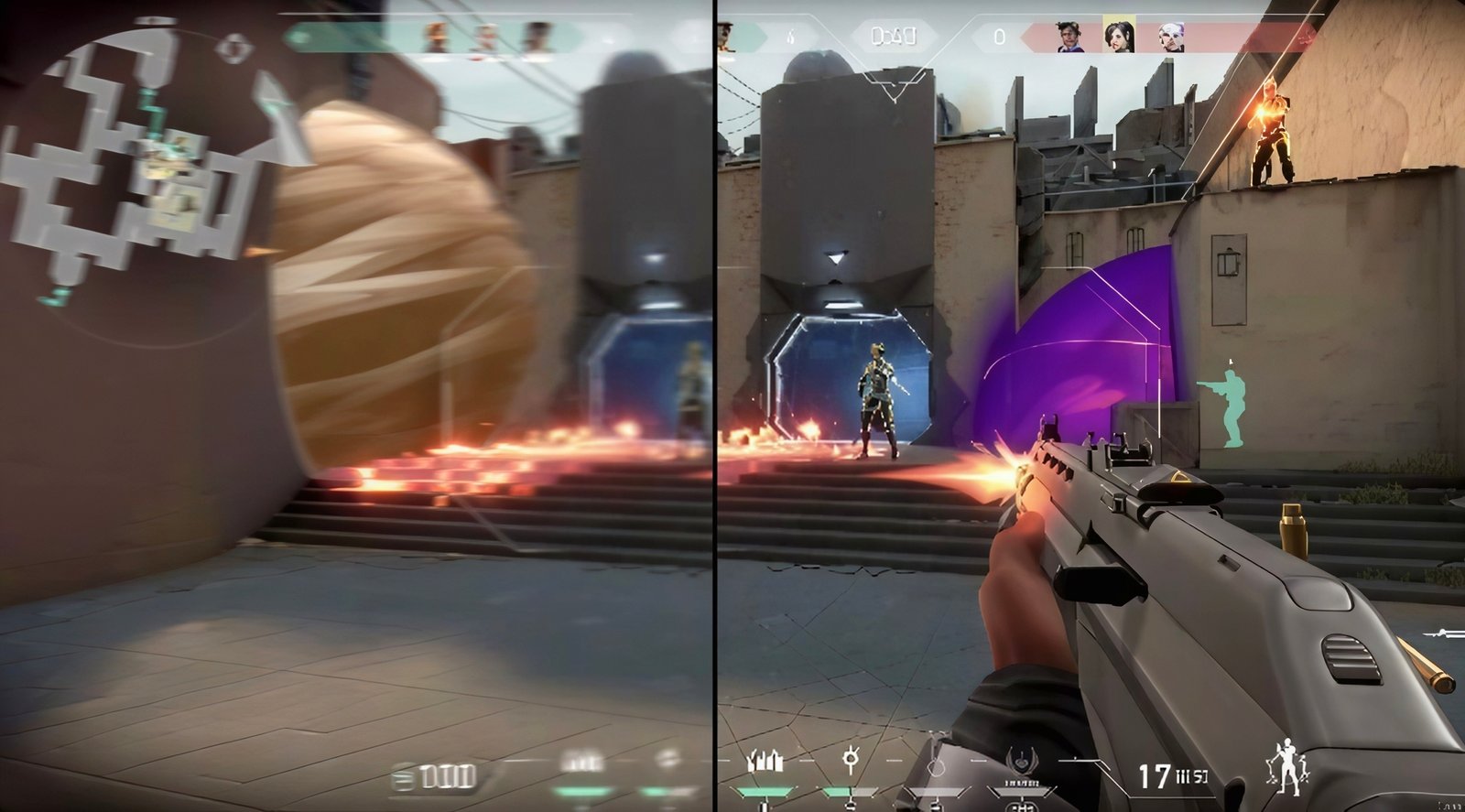
Experiencing lag during an exciting game or dealing with screen stuttering and frame drops is extremely frustrating. Modern games are increasingly demanding, and many players struggle to enjoy a smooth gaming experience due to outdated equipment. Fortunately, there are two effective solutions for boosting game performance without spending a lot of money: Game Booster and FPS Booster technologies.
These optimization tools help you make the most of your existing setup and provide a more stable gaming experience.
Why Games Slow Down Over Time
Many users believe that poor performance stems solely from old hardware. In reality, the operating system collects various background programs, startup apps, temporary files, and update processes that drain valuable resources.
Once a game launches, it competes with these applications for CPU cycles, RAM, and access to storage. This competition often leads to lower performance, slower load times, and inconsistent frame rates.
By using Game Booster software, you can temporarily limit activities unrelated to gaming, allowing for a better experience.
How Game Booster Prioritizes Gaming Resources
Game Booster acts as a performance manager for your computer. It identifies unnecessary apps and services during gaming sessions and suspends or reduces their resource usage.
This enables the game to receive priority from the operating system, allowing the processor and memory to focus on rendering graphics, processing player input, and maintaining smooth gameplay.
This optimization happens automatically, providing better performance without requiring complex system adjustments.
FPS Booster and Frame Rate Stability
High average frame rates are impressive, but consistency is equally important. Games that fluctuate between high and low FPS can feel less smooth than those that maintain a steady rate.
FPS Booster technology aims to reduce these fluctuations by improving communication between hardware components and optimizing graphic workloads. It helps produce frames at a more consistent rate, leading to smoother camera movements and faster controls.
This results in a better gaming experience.
Advantages in Competitive Gaming
Multiplayer games demand quick reflexes and precise timing. A match can hinge on the tiniest delay.
More consistent and higher FPS leads to lower input latency, meaning that players’ actions appear on screen more quickly. This improvement is especially noticeable in shooting games, racing simulations, and fast-paced action games where accuracy is crucial.
Optimization can provide esports players with a competitive advantage.
Better Performance for Content Creators
Gaming performance is essential for both players and content creators, including streamers. Playing or broadcasting live streams uses extra system resources, which can impact frame rates.
Game Booster and FPS Booster tools can help manage these resources, ensuring that gameplay remains smooth even during intense sessions while still allowing for high-quality content production.
The Future of Gaming Optimization
As more games utilize hardware capabilities, the need for optimizing software will increase. Smart resource management and tuning systems are likely to play a larger role in ensuring consistent gaming experiences across various hardware setups.
Conclusion
Game Booster and FPS Booster solutions provide cost-effective and efficient ways to optimize gameplay. These tools enable gamers to achieve smoother visuals, quicker response times, and a more enjoyable overall experience without requiring immediate hardware upgrades by managing resource use and maximizing frame rates.

How to Buy Fine-Looking Jewelry Without Paying Luxury Markups

Oklahoma County Roofing Done Right by 1907 Roofing

Why Electrical Servicing Deserves More Attention Than You Think

When Your AC Keeps Failing, Replacement Beats Repair

Your Kitchen Deserves More Than a Fresh Coat of Paint

Who Is Indiana Urban? Inside the Life of Karl Urban’s Son and Rising Actor

Jennifer Seyfried: All About Amanda Seyfried’s Sister, Her Life and Career

Who Is Zachary Hudson? Inside the Private Life of Cindy Williams’ Son

Cynthia Womack Biography: The Life, Career, and Legacy of Connie Britton’s Twin Sister

Who Is Stephen G. Walker? All About PinkPantheress’ Father and His Academic Career
Who Is Indiana Urban? Inside the Life of Karl Urban’s Son and Rising Actor
Jennifer Seyfried: All About Amanda Seyfried’s Sister, Her Life and Career
Who Is Zachary Hudson? Inside the Private Life of Cindy Williams’ Son
Cynthia Womack Biography: The Life, Career, and Legacy of Connie Britton’s Twin Sister
Who Is Stephen G. Walker? All About PinkPantheress’ Father and His Academic Career
-
Biography4 months ago
Who Is Indiana Urban? Inside the Life of Karl Urban’s Son and Rising Actor
-
Biography4 months ago
Jennifer Seyfried: All About Amanda Seyfried’s Sister, Her Life and Career
-
Biography4 months ago
Who Is Zachary Hudson? Inside the Private Life of Cindy Williams’ Son
-
Biography5 months ago
Cynthia Womack Biography: The Life, Career, and Legacy of Connie Britton’s Twin Sister
-
 Biography3 months ago
Who Is Stephen G. Walker? All About PinkPantheress’ Father and His Academic Career
-
 Biography5 months ago
Who Was Gretchen Knauff? The Private Life of Jennifer Coolidge’s Mother
-
 Biography4 months ago
Who is Lynn Levesque? Everything to Know About Triple H’s Sister
-
 Biography5 months ago
Who Is Miley Crews? Inside the Life of Naomi Burton-Crews’ Daughter and Terry Crews’ Granddaughter