
Technology
Voozon Guide: How the Platform Covers Technology, Lifestyle, and Digital Culture


Voozon is a modern digital media company that focuses on structured, useful, and easy to navigate content for today’s online readers. The platform covers technology, business, lifestyle, and digital culture with an emphasis on clarity, relevance, and practical value. As digital publishing continues to grow, Voozon positions itself as a content hub for readers who want organized insights without unnecessary noise.
What Is Voozon?
Voozon is a digital media platform built around the idea of publishing content that helps readers understand modern trends in a simple and structured way. It covers a mix of topics, including emerging technologies, business development, entrepreneurship, lifestyle trends, online culture, and digital transformation. The platform aims to serve readers who want information that feels current, organized, and easy to apply.
In the crowded online media space, readers often struggle to find content that offers both depth and simplicity. Voozon answers this need by focusing on clear article formats, topic based publishing, and practical explanations. Instead of presenting scattered updates, it creates content that guides users through subjects in a more readable and purposeful way.
A Platform Built for Modern Readers
Modern readers do not want complicated explanations when they search for information online. They want answers that save time, explain ideas clearly, and offer useful context. Voozon follows this approach by publishing content that supports fast reading while still giving enough detail to understand the topic.
Its content style works well for professionals, students, digital creators, entrepreneurs, and general readers. People who follow tech news, business insights, or lifestyle shifts can use the platform as a resource for learning about current digital trends.
The Main Purpose of Voozon
The main purpose of Voozon is to make digital information more accessible. Many online platforms publish content, but not all of them structure that content in a way that helps readers move from basic understanding to deeper insight. Voozon focuses on creating articles that explain topics in a clean, organized, and reader friendly format.
The platform also supports the growing demand for digital literacy. As technology changes how people work, shop, learn, and communicate, readers need simple explanations of complex ideas. Voozon helps bridge that gap by covering topics from practical and modern angles.
Why Structured Content Matters
Structured content matters because readers often scan before they read deeply. Clear headings, focused paragraphs, and topic based sections make it easier for users to find the information they need. Voozon uses this publishing style to improve readability and user experience.
Search engines also favor content that answers user intent clearly. When an article explains a topic in a logical structure, readers spend more time on the page and understand the subject better. This makes Voozon’s content approach useful for both human readers and search visibility.
Voozon and Technology Coverage
Technology is one of the major content areas associated with Voozon. The platform covers topics related to emerging tech, digital tools, software trends, online platforms, innovation, artificial intelligence, automation, cybersecurity awareness, and the changing digital economy.
Tech content can become difficult when writers use too much jargon. Voozon’s value comes from explaining technology in a more accessible style. Readers do not always need advanced technical knowledge to understand how a new platform, tool, or trend may affect their work or daily life.
Emerging Technologies and Digital Tools
Emerging technologies shape the way businesses operate and how people interact online. Voozon covers these changes by focusing on practical meaning rather than only technical definitions. This makes the content more useful for readers who want to understand what a trend does, why it matters, and how it may develop.
Digital tools also play a major role in modern work. From productivity software to content creation platforms, online tools help individuals and companies save time and improve results. Voozon’s technology coverage helps readers discover and understand these tools in a clear way.
Voozon and Business Insights
Business content is another important part of Voozon’s publishing focus. The platform covers entrepreneurial guides, digital business ideas, market trends, startup culture, online branding, and industry insights. This type of content appeals to professionals who want practical knowledge without reading overly technical business reports.
Modern business readers often look for content that explains change quickly. They want to understand how digital platforms, consumer habits, and market behavior affect their decisions. Voozon supports this need by publishing business focused articles that connect trends with real world use.
Helping Entrepreneurs and Professionals
Entrepreneurs need content that helps them think clearly about growth, branding, audience building, and digital strategy. Voozon’s business coverage can support these readers by explaining practical concepts in a simple way. Topics may include online visibility, digital marketing, business planning, customer behavior, and productivity.
Professionals also benefit from industry focused insights. A reader may not need a full academic report to understand a business trend. Instead, they may need a clear summary that explains the core idea, its relevance, and its possible impact. Voozon’s structured publishing model fits that need.
Voozon and Lifestyle Trends
Lifestyle content helps digital media platforms connect with a wider audience. Voozon includes lifestyle topics that reflect modern interests, habits, and cultural shifts. This may include productivity, wellness, personal development, digital habits, remote work lifestyles, consumer behavior, and online identity.
Lifestyle coverage works best when it stays practical and balanced. Voozon’s neutral and informative style can help readers understand lifestyle trends without turning them into exaggerated claims. This approach makes the content more trustworthy and useful.
Digital Lifestyle and Everyday Choices
The modern lifestyle connects closely with technology. People use apps to manage time, online platforms to learn skills, and digital spaces to build personal brands. Voozon can explore these connections through articles that explain how digital behavior affects daily life.
Readers often search for lifestyle content that helps them make better choices. They may want to improve productivity, understand online trends, or follow cultural changes. Voozon’s content can serve this audience by offering easy explanations with a modern perspective.
Voozon and Digital Culture
Digital culture includes the habits, communities, platforms, and trends that shape online life. Voozon covers this space by focusing on how people interact with media, technology, creators, and online communities. This topic has become important because the internet now influences entertainment, education, work, business, and social identity.
A strong digital culture section can help readers understand why certain trends become popular and how online behavior changes over time. Voozon’s content can explain these shifts in a way that feels relevant to both casual readers and professionals.
Why Digital Culture Matters
Digital culture matters because online platforms now influence how people communicate, shop, learn, and build relationships. Social media trends, creator platforms, online communities, and digital tools all shape public behavior. Readers who understand these shifts can make smarter choices in business, branding, and personal media use.
Voozon’s digital culture coverage can help readers see the bigger picture. Instead of only reporting what happened, strong digital culture content explains why it matters and how it connects to wider online behavior.
Content Quality and Editorial Structure
Content quality plays a central role in any digital media company. Voozon focuses on structured and high quality content that supports clarity. This means articles should have clear headings, useful explanations, and a logical flow from one section to the next.
A strong editorial structure helps readers trust the content. When an article explains a topic carefully and avoids unnecessary exaggeration, it becomes more valuable. Voozon’s approach works best when it keeps content factual, balanced, and easy to read.
The Value of Clear Navigation
Clear navigation improves the user experience. Readers often visit digital media websites with a specific question in mind. If the article structure helps them find answers quickly, they are more likely to stay, read more, and return later.
Voozon’s focus on navigable content supports this goal. Well organized categories, readable headings, and focused topic clusters can make the platform more useful for modern audiences.
Who Reads Voozon?
Voozon appeals to several types of readers. Professionals may use it to follow business and technology trends. Entrepreneurs may read it for startup ideas, digital strategy, and market awareness. Students and scholars may explore it for simple explanations of modern topics. Digital creators may use it to understand online trends and content opportunities.
This broad audience makes Voozon a flexible digital media platform. Its content categories connect with readers who want both knowledge and convenience. Instead of serving only one niche, the platform covers multiple areas that often overlap in modern life.
A Resource for Digital Creators and Scholars
Digital creators need to understand trends before they create content around them. Voozon can help by explaining topics in a way that supports research, planning, and idea development. Creators who follow tech, lifestyle, and digital culture can use such content to shape their own work.
Scholars and students may also benefit from organized digital content. While Voozon does not replace academic research, it can provide accessible background information. This makes it useful as a starting point for understanding modern topics.
How Voozon Fits Into the Digital Media Landscape
The digital media industry continues to expand as more readers move online for information. Websites now compete not only on speed but also on trust, structure, topic depth, and user experience. Voozon fits into this landscape as a platform that focuses on broad digital knowledge with a clear publishing style.
Many readers prefer platforms that combine multiple categories instead of forcing them to visit separate websites for every topic. Voozon’s mix of tech, business, lifestyle, and digital culture allows it to serve readers with connected interests. A person researching digital tools may also care about entrepreneurship, productivity, and online trends.
Competing Through Clarity
Clarity is one of the strongest advantages a digital media platform can offer. Readers have many choices, so they often leave a page if the content feels confusing or poorly structured. Voozon can compete by keeping articles simple, useful, and well organized.
This does not mean content should become shallow. Strong digital media content explains important ideas in clear language while still giving readers enough detail. Voozon’s publishing model works best when it balances simplicity with substance.
SEO Value and Semantic Content Strategy
Voozon’s content model naturally connects with SEO because it focuses on topics that people actively search for. Technology, business, lifestyle, and digital culture all contain high interest keywords and long search queries. A strong semantic content strategy helps the platform answer those searches with clear and relevant articles.
Semantic optimization means covering a topic with related terms, context, and user focused explanations. For example, an article about digital business may also discuss online branding, audience growth, startup tools, market trends, and content strategy. This helps search engines understand the article more clearly.
Building Topic Authority
Topic authority grows when a website publishes useful content around connected subjects. Voozon can build authority by organizing articles into meaningful categories and covering related questions in depth. This approach can help readers explore a topic from different angles.
Search visibility improves when a platform consistently answers real user questions. Voozon’s strength comes from creating content that aligns with reader intent while keeping the writing natural and accessible.
Trust, Accuracy, and Responsible Publishing
Trust is essential for every digital media company. Readers expect content to be accurate, updated, and free from unsupported claims. Voozon can strengthen trust by avoiding speculation, checking facts carefully, and presenting information in a neutral tone.
Responsible publishing also means separating opinion from verified information. When a platform covers business trends, tech tools, or lifestyle topics, it should explain what is known and avoid making claims that lack support. This careful approach protects both readers and the platform’s reputation.
Why Neutral Tone Builds Credibility
A neutral tone helps readers feel that the content aims to inform rather than persuade aggressively. This matters in topics like technology and business, where hype often spreads quickly. Voozon can stand out by explaining trends without overstating their impact.
Readers value balanced writing because it helps them form their own views. A platform that provides context, clear explanations, and practical insight can build long term credibility.
The Role of Data Driven Industry Insights
Voozon targets readers who want information that feels organized, useful, and guided by industry relevance. Data driven insights can help professionals understand market direction, user behavior, digital adoption, and emerging opportunities. This type of content works well when the platform explains data in plain language.
Not every reader wants raw numbers or complex charts. Many want the meaning behind the data. Voozon can add value by turning industry information into readable articles that explain what the trend means and why it matters.
Making Insights Easier to Understand
Industry insights become more useful when writers connect them to real decisions. A business reader may want to know how a trend affects marketing. A creator may want to know how it changes content demand. A student may want to understand the broader impact of a digital shift.
Voozon can serve these different needs by explaining insights through clear examples and practical context. This makes the platform more accessible than highly technical reports.
Benefits of Reading Voozon
The main benefit of reading Voozon is access to organized content across several important areas of modern life. Readers can learn about technology, business, lifestyle, and digital culture in one place. This saves time and creates a smoother learning experience.
Another benefit comes from the platform’s focus on readability. Clear content helps readers understand topics quickly and return when they need more information. Voozon’s broad content mix also makes it useful for people who want to stay aware of digital change without reading multiple niche publications.
Useful for Learning and Research
Voozon can help readers begin research on modern topics. Its articles can introduce key ideas, explain important terms, and show how different trends connect. This makes it useful for early stage learning, content planning, and general awareness.
Readers who need deeper research can use the platform as a starting point. A well structured article can help them understand the topic before they explore more advanced sources.
Challenges for a Modern Digital Media Company
Like any digital media platform, Voozon must maintain quality, accuracy, and consistency. The internet contains a large amount of repeated content, so modern platforms need to offer more than basic summaries. They must give readers clear value through organization, useful context, and reliable information.
Another challenge involves keeping content updated. Tech and business topics change quickly, and outdated content can lose value. Voozon can improve its authority by refreshing articles, reviewing older information, and covering trends with care.
Standing Out in a Crowded Market
The digital publishing market is highly competitive. Many websites cover similar topics, so a platform needs a strong identity. Voozon can stand out by focusing on structured knowledge, simple explanations, and practical insights for modern readers.
Consistency also matters. Readers return to platforms that publish useful content regularly. When Voozon maintains a clear editorial direction, it can build stronger recognition over time.
Future Potential of Voozon
Voozon has potential because its content categories match the needs of modern digital audiences. Technology, business, lifestyle, and digital culture will continue to shape how people work and live. A platform that explains these subjects clearly can remain relevant as reader interests evolve.
The future of digital media will likely favor platforms that combine trust, structure, speed, and depth. Voozon can grow by strengthening its content quality, improving navigation, and publishing articles that answer real reader questions.
Growth Through Audience Focus
Audience focus can help Voozon grow sustainably. When a platform understands what its readers need, it can create better content. Readers want answers, context, and practical value. They also want a clean experience without confusing language.
Voozon’s future success will depend on how well it continues to meet those needs. A strong reader first strategy can help the platform build long term visibility and trust.
Conclusion
Voozon is a modern digital media company focused on structured content across technology, business, lifestyle, and digital culture. Its value comes from clear explanations, organized topics, and practical insight for readers who want to understand modern trends. By keeping its content neutral, readable, and useful, Voozon can serve professionals, creators, students, entrepreneurs, and everyday digital readers.
As online information grows more crowded, platforms that prioritize clarity and trust become more important. Voozon fits this need by offering a content experience built around accessibility and modern relevance. Its continued strength will depend on accurate publishing, consistent updates, and a clear focus on reader value.
FAQs
What is Voozon?
Voozon is a modern digital media company that publishes structured content across technology, business, lifestyle, and digital culture. It aims to help readers understand modern trends through clear and organized articles.
What topics does Voozon cover?
Voozon covers topics such as emerging technologies, digital tools, entrepreneurship, business insights, lifestyle trends, online culture, and digital transformation. Its content connects multiple areas of modern digital life.
Who is Voozon useful for?
Voozon can be useful for professionals, students, entrepreneurs, digital creators, researchers, and general readers. Anyone interested in tech, business, lifestyle, or digital culture may find its content helpful.
Is Voozon a technology website?
Voozon includes technology coverage, but it is not limited to tech alone. It also covers business, lifestyle, and digital culture, which makes it a broader digital media platform.
Why does Voozon focus on structured content?
Voozon focuses on structured content because readers prefer clear, easy to navigate information. Organized headings, focused sections, and simple explanations help users find answers faster and understand topics better.


Mud rarely appears as a line in a project budget, yet it costs money in many small ways. A site that ignores it often pays through clean-up bills, lost time and strained relationships. Looking at those costs side by side makes the case for prevention easier.
The visible costs
The most obvious expense is cleaning. Hiring a road sweeper regularly, or even daily during wet weather, adds up quickly over a long project. If a highway authority steps in and cleans the road itself, it usually recovers the cost from the contractor. Fines and enforcement notices are a further risk when a site repeatedly fails to keep the road clean.
The hidden costs
Delays are harder to measure. A stop-work instruction after a complaint, a meeting with the council or an extra clean-up shift all take managers away from the actual build. Mud also wears equipment faster, because wet soil in wheel arches and on tracks adds weight and hides defects until they become expensive.
Reputation and relationships
Neighbours notice dirty roads before they notice anything else about a site. A steady stream of complaints can damage relationships with local residents, councillors and the client. On projects where goodwill matters, this can influence later approvals and future work.
What prevention costs
A wheelwash system involves an upfront investment or a rental fee, plus water, power and routine maintenance. Systems that recycle water keep the running cost down. Compared with weeks of repeated sweeping and disputes, many contractors find that the equipment pays back within a single wet season on a busy site.
How to do your own calculation
List what mud costs your current projects: sweeper hire per week, hours spent on clean-up and complaint handling, any enforcement action, and the effect of delays. Then compare the total with the cost of renting or buying a cleaning system over the same period. Include installation, water and sludge disposal in the second figure for an honest comparison.
When the numbers matter most
Prevention pays most where soil is heavy clay, traffic is frequent and the site is close to homes or busy roads. On a small job with a single exit and dry ground, a lighter solution may be enough. The right answer depends on your conditions, not on a rule of thumb.
Conclusion
The cheapest mud is the mud that never reaches the road. Contractors who count the hidden costs usually find that a good cleaning facility is not an extra but a way of protecting time, budget and reputation.


Every hardware company reaches the same decision: build boards yourself, or hand PCB assembly to someone else. A small SMT line looks affordable until you add ovens, inspection gear, trained operators and a stockroom. Outsourcing looks simple until a supplier misses a deadline. Neither path is automatically better. This guide explains how EMS manufacturing works, where in-house assembly still wins, and how to choose the right model for your volumes and risk tolerance.
What Is EMS Manufacturing?
EMS manufacturing refers to Electronics Manufacturing Services: contract providers that build electronic products for other companies, known as OEMs. The scope runs from basic PCB assembly to component procurement, testing, box build and logistics. Some OEMs outsource only the boards and finish the product themselves. Others hand over the entire chain, from purchasing to shipping.
What Are the Benefits of Outsourcing PCB Assembly?
Outsourcing PCB assembly lowers upfront investment, gives you access to modern equipment and lets you scale output without hiring. You pay per unit or through setup fees instead of carrying fixed costs whether the line is busy or idle.
Lower Capital and Variable Costs
An in-house line costs the same in a slow month as in a busy one. An EMS partner spreads equipment and labor across many customers, so your cost moves with your order volume. Savings estimates vary widely between sources, and the real figure depends on your volumes, so treat any single percentage with caution.
Certifications and Process Maturity
Established EMS providers typically already hold quality certifications and run documented inspection routines. Building that capability yourself means hiring quality staff and earning audits from scratch.
When Does In-House PCB Assembly Make More Sense?
In-house assembly makes more sense when you need tight control over sensitive designs, run very high volumes of one stable product, or iterate on prototypes daily. It also suits companies that already own the equipment and the people to run it.
The trade-offs are real:
- Equipment and floor space tie up capital.
- Skilled operators and process engineers are hard to hire and keep.
- Volume swings leave the line either idle or overloaded.
What Are the Risks of EMS Manufacturing?
The main risks are quality drift, supply disruption, communication gaps and intellectual property exposure. The wrong partner can erase every benefit above through delays and rework.
You can manage most of these. Sign an NDA, define acceptance criteria in writing, and ask how the provider handles component shortages before you place an order. For sensitive designs, some companies keep final assembly or firmware loading in-house and outsource the rest.
Which Products Suit EMS Manufacturing?
Most electronics suit it, but the fit varies. Consumer devices benefit from scale and fast turnaround. Industrial control PCBA often needs long product lifecycles, component traceability and stable sourcing, so you should ask whether a provider can support the same board for years instead of months. Medical, automotive and aerospace builds add regulatory documentation on top.
Can You Combine In-House and Outsourced PCB Assembly?
Yes, and a hybrid model is common. A typical split keeps prototypes and pilot runs in-house, then moves volume production to an EMS partner. Another keeps test development internal while the partner handles assembly and box build. This works well when your design is still changing but your demand is growing.
How Do You Choose an EMS Partner?
Decide first what you’re outsourcing: boards only, full builds, or the entire supply chain. Then judge providers on:
- Their DFM feedback before quoting
- Test and inspection capability
- Component sourcing and shortage handling
- Experience with products like yours
- How quickly engineers respond
Invite two or three providers to review your files. Their questions will tell you more than their brochures.
Conclusion
Outsourcing PCB assembly suits companies that want flexibility, lower capital cost and access to mature processes. In-house assembly suits those that value control above all. Many land somewhere between. Start by listing your volumes, your IP concerns and your quality requirements, then choose the model that fits them.
Technology
Red, amber, green and the one in twelve men who cannot tell them apart: designing dashboards everyone can read

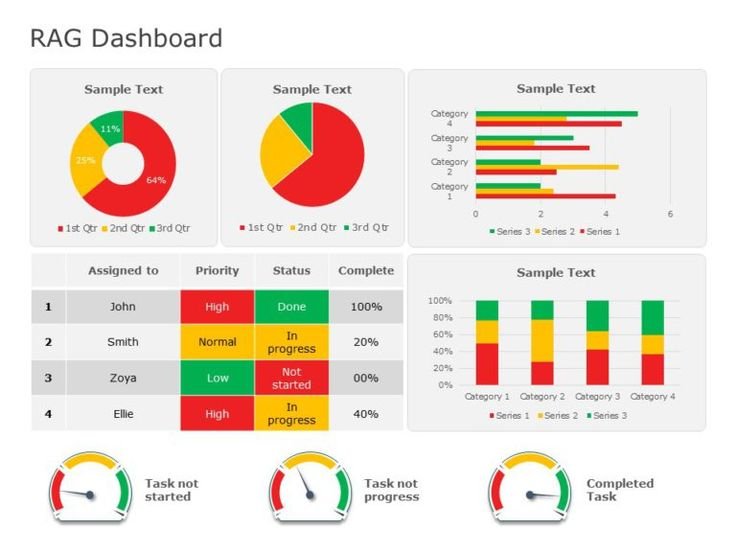
Picture a Monday operations meeting. The sales dashboard goes up on the wall screen, twenty tiles in a grid, each one coloured red, amber or green to show whether a region is on target. The director asks the room what needs attention this week, and most people point at the three red tiles straight away. One of the regional managers says nothing, because to him the red and the green tiles look much the same shade of brownish grey, and he has spent the last minute reading the small numbers underneath instead, working out for himself which ones are the problem.
He has plenty of company. The National Eye Institute in the United States puts colour vision deficiency at about one man in twelve. A peer-reviewed review in the journal Eye (Simunovic, 2010) gives a similar picture, with inherited colour vision deficiency affecting up to 8% of males and around 0.5% of females. In a company of 120 people, that is likely to be eight or nine colleagues, and there is a fair chance at least one of them sits in a meeting where a traffic-light dashboard is the main thing on the screen.
What the traffic lights look like to them
Colour vision deficiency, often called colour blindness although very few people see no colour at all, usually comes down to a weakness in one of the three types of light-sensitive cone cells in the eye. The two most common forms both affect the red and green cones, which is why red and green are the pair people have trouble telling apart. Pure red and pure green on a white background can often be separated by brightness alone. Problems start when a designer picks a softer palette, or when amber enters the picture, because amber sits between red and green and tends to collapse into both.
So a red, amber, green status column, with no other cue, asks a chunk of the audience to guess. They will usually guess correctly using context, or read the raw figures, or ask a colleague after the meeting. All of which takes time and attention that the dashboard was supposed to save.
The same visual breaks down for everyone else more often than people expect. Meeting-room projectors wash out saturated colours. A report printed on a black-and-white office printer turns every status into a grey square, and a phone screen outside on a bright afternoon does something similar. Designing for the one in twelve means the report survives those situations as well.
The grey text and the pale gridline
Contrast is the second accessibility fault in dashboards, and it catches far more readers than colour alone does.
The WebAIM Million, an automated survey of the top one million website home pages, found in its February 2026 run that 83.9% of them contained text with insufficient colour contrast, up on the 79.1% recorded a year earlier. Those are home pages built by professional web teams. Business dashboards are rarely built with that level of attention, and the default styling of many charting tools leans towards light grey axis labels, pale gridlines and thin pastel legends because they look clean on a designer’s large monitor.
On a wall screen three metres away, light grey on white vanishes. The reader can see the bars but not the months along the bottom, or the scale up the side, so a chart that looked tidy in Power BI Desktop becomes a set of coloured shapes with no reference points. The fix costs nothing: dark text on a light background, gridlines either dark enough to see or removed altogether, and legend labels in the same size and weight as body text. Labels that are only decoration can go, and the ones that carry meaning need to be legible at the distance the audience will read them.
Pair colour with shape, text or position
Nobody is suggesting dashboards go monochrome. Colour is a fast, pleasant signal for the roughly eleven in twelve who read it comfortably. The design rule, borrowed from web accessibility guidance, is that colour should never be the only way a piece of information is conveyed.
In practice that means three habits. Add a shape: an upward or downward arrow, a tick or a cross, a filled or hollow circle next to the colour. Write it out as text, because a tile that says “6% behind target” in words is readable by everyone, including the person reading it aloud on a conference call to colleagues who cannot see the screen. And use position, by sorting the table so the regions furthest behind sit at the top where the eye goes first, so the ordering itself tells the story without any colour at all.
There is a quick test for whether this has worked. Print the page in greyscale, or switch on the colour filter in Windows accessibility settings and set it to simulate deuteranopia (the most common red-green form). If the status of each item is still obvious, the design is sound. If every tile goes the same mid grey and nothing on the page tells you which region is behind, the colour was carrying the whole message.
Fewer numbers on the page
Accessibility and plain readability overlap more than people assume. A page with thirty figures on it is hard work for anyone, and it is harder still when some of those figures are differentiated only by a hue the reader cannot see.
A useful discipline is to decide, before opening the tool, what question this page answers and which three or four numbers answer it. Everything else moves to a second page or a drill-through (a click that opens the detail behind a figure). Each number then gets room: a readable label, a comparison with target or with last period written in words, and a colour cue backed up by one of the methods above. Red Eagle Tech has published a set of worked Power BI dashboard examples showing what this looks like when each page is organised around one decision rather than around everything the data happens to contain.
The result is often a report with more pages and less on each one, which can feel like a step backwards to anyone who grew up with the single giant spreadsheet tab. It reads faster in a meeting, and it reads at all for the colleague with colour vision deficiency.
Why this is learned fastest with someone critiquing your work
Everything above can be read in an afternoon. Turning it into habit is another matter, because the person building the report is also the person least able to see its faults. They know what the colours mean and which tile is the problem region, and they chose the pale grey because it looked elegant on their own monitor. The faults only show when somebody else sits in front of the report cold and tries to answer a question with it.
That is why report design sticks fastest in a hands-on setting where you build something and then have it pulled apart in front of you. Red Eagle Tech, a North London software and Power BI training company and a Microsoft Partner, runs this two-day course live online over Microsoft Teams, so delegates anywhere in the UK can join a small group where every exercise is built on real datasets and reviewed with the trainer. The sixth of its seven modules is given over to designing interactive reports, covering report design practice, custom visuals and row-level security (the permissions that control who sees which rows of data). The trainer has led Power BI training across a FTSE 100 company, the firm has trained more than 200 people, and Clutch named it a Top Power BI & Data Solutions Company in London for 2026. The fee is £600 + VAT per person.
The lasting lesson in that kind of session is usually the moment a colleague squints at your chart and asks what the grey line means, and you realise nobody had asked before.
A ten-minute check before the next meeting
Open the report you will present next week. Switch on the greyscale filter and look at it as the one in twelve will. Then zoom the browser out to roughly the size it will appear on the wall screen and see whether the axis labels are still readable where you sit. Whatever fails those two checks is the thing to fix first, and in most reports it is a single colour-only status column and one set of light grey labels. Both can be changed before Monday.

The Real Cost of Mud: Why Cleaning Vehicles at the Gate Pays for Itself

Best Place to Buy Business Laptops in Bulk in the UK

Seedworld, a Red Coat, and the Weather in a Fashion Story

A Silk Scarf, Seedream 6.0, and a More Considered Fashion Still Life

How to Get and Compare Business Water Quotes Properly

Who Is Indiana Urban? Inside the Life of Karl Urban’s Son and Rising Actor

Jennifer Seyfried: All About Amanda Seyfried’s Sister, Her Life and Career

Who Is Zachary Hudson? Inside the Private Life of Cindy Williams’ Son

Who Is Stephen G. Walker? All About PinkPantheress’ Father and His Academic Career

Cynthia Womack Biography: The Life, Career, and Legacy of Connie Britton’s Twin Sister
Who Is Indiana Urban? Inside the Life of Karl Urban’s Son and Rising Actor
Jennifer Seyfried: All About Amanda Seyfried’s Sister, Her Life and Career
Who Is Zachary Hudson? Inside the Private Life of Cindy Williams’ Son
Who Is Stephen G. Walker? All About PinkPantheress’ Father and His Academic Career
Cynthia Womack Biography: The Life, Career, and Legacy of Connie Britton’s Twin Sister
-
Biography8 months ago
Who Is Indiana Urban? Inside the Life of Karl Urban’s Son and Rising Actor
-
Biography8 months ago
Jennifer Seyfried: All About Amanda Seyfried’s Sister, Her Life and Career
-
Biography8 months ago
Who Is Zachary Hudson? Inside the Private Life of Cindy Williams’ Son
-
 Biography7 months ago
Who Is Stephen G. Walker? All About PinkPantheress’ Father and His Academic Career
-
Biography9 months ago
Cynthia Womack Biography: The Life, Career, and Legacy of Connie Britton’s Twin Sister
-
 Biography8 months ago
Lynn Payne: Inside the Life and Love Story of Randy Savage’s Wife
-
 Biography8 months ago
Who is Lynn Levesque? Everything to Know About Triple H’s Sister
-
 Biography9 months ago
Who Was Gretchen Knauff? The Private Life of Jennifer Coolidge’s Mother