
Lifestyle
Why Your Weekend Plans Should Include Learning How to Save a Life


Acquiring a certified lifesaver credential provides you with the practical expertise needed to handle cardiac emergencies, utilize automated external defibrillators (AEDs), and manage choking incidents confidently. Selecting an authorized blended training provider ensures you fulfill workplace compliance demands effectively while fitting hands-on practice seamlessly into a busy schedule.
Have you ever stopped to think about what you would do if someone collapsed right in front of you? It is a scary thought, but cardiac emergencies happen every single day in workplaces, gyms, and homes. Getting your CPR Certification is the simplest way to make sure you do not freeze when somebody needs you most. It gives you the actual skills to step up and keep a heart pumping until the paramedics arrive.
Why Does Bystander Response Matter So Much?
When someone goes into cardiac arrest, every single second counts. Did you know that brain damage can start in as little as four minutes without oxygen?
Emergency medical services are fast, but they cannot beat the speed of someone who is already standing right there. Performing immediate chest compressions can double or even triple a person’s chance of survival. You do not need to be a doctor to keep blood flowing to someone’s brain.
What Do You Actually Learn in a Modern Class?
Forget those old, boring videos from the nineties. Modern lifesaver training is highly interactive and focused on building real muscle memory.
- High-Quality Chest Compressions: You will learn the exact depth and speed required to manually pump blood.
- How to Use an AED: Automated External Defibrillators are completely automated and speak to you, but practicing with a training unit removes all the fear.
- Choking Relief: You will practice the correct techniques to clear airways for adults, children, and infants.
Is It Hard to Pass the Test?
A lot of people skip out on signing up because they are stressed about failing the test. But instructors are not looking to trick you or fail you.
Their main goal is to make sure you walk out the door feeling capable and confident. The practical testing involves demonstrating that you can push hard and fast enough on a training mannequin. If your form is slightly off, the instructor will just coach you through it until you get it right.
How Does Blended Learning Save Your Weekend?
Nobody wants to sit inside a classroom for eight hours straight on a beautiful Saturday morning. That is why blended learning has become the preferred option for busy students and professionals.
You can complete all the reading, diagrams, and theoretical quizzes online from your phone or laptop whenever you want. Once that is done, you only need to show up in person for a short, fast-paced skills session to practice on the mannequins. It gives you the exact same official OHS-approved certificate but cuts your classroom time completely in half.
If you are looking for first aid training near Kenmount Road, Avalon Mall, or other areas close to our facility, then you may reach out to Coast2Coast First Aid/CPR in that area.
Frequently Asked Questions
How Long Does This Type of Certification Stay Valid?
Most standard workplace lifesaver certificates remain valid for up to three years. However, if you work in healthcare or emergency services, your employer might require you to renew your skills every twelve months.
Can I Complete the Entire Course Online Without an In-Person Test?
No, you cannot get a fully compliant workplace certificate online. While you can finish the theory modules at home, regulatory bodies require an authorized instructor to physically evaluate your hands-on skills.
What Is the Difference Between Level C and Healthcare-Level Training?
Level C covers rescue skills for adults, children, and infants, making it ideal for the general public and most workplaces. Healthcare-level training includes advanced team dynamics, pulse checks, and specialized ventilation tools.
What Should I Wear to My In-Person Skills Session?
You should wear comfortable, casual clothing that allows you to move around easily. You will be spending a significant amount of time kneeling on the floor next to training mannequins.
Are These Courses Recognized by Local Workplace Safety Boards?
Yes, as long as you choose an official training partner. High-quality courses are fully approved by provincial regulatory bodies and occupational health and safety standards across the country.

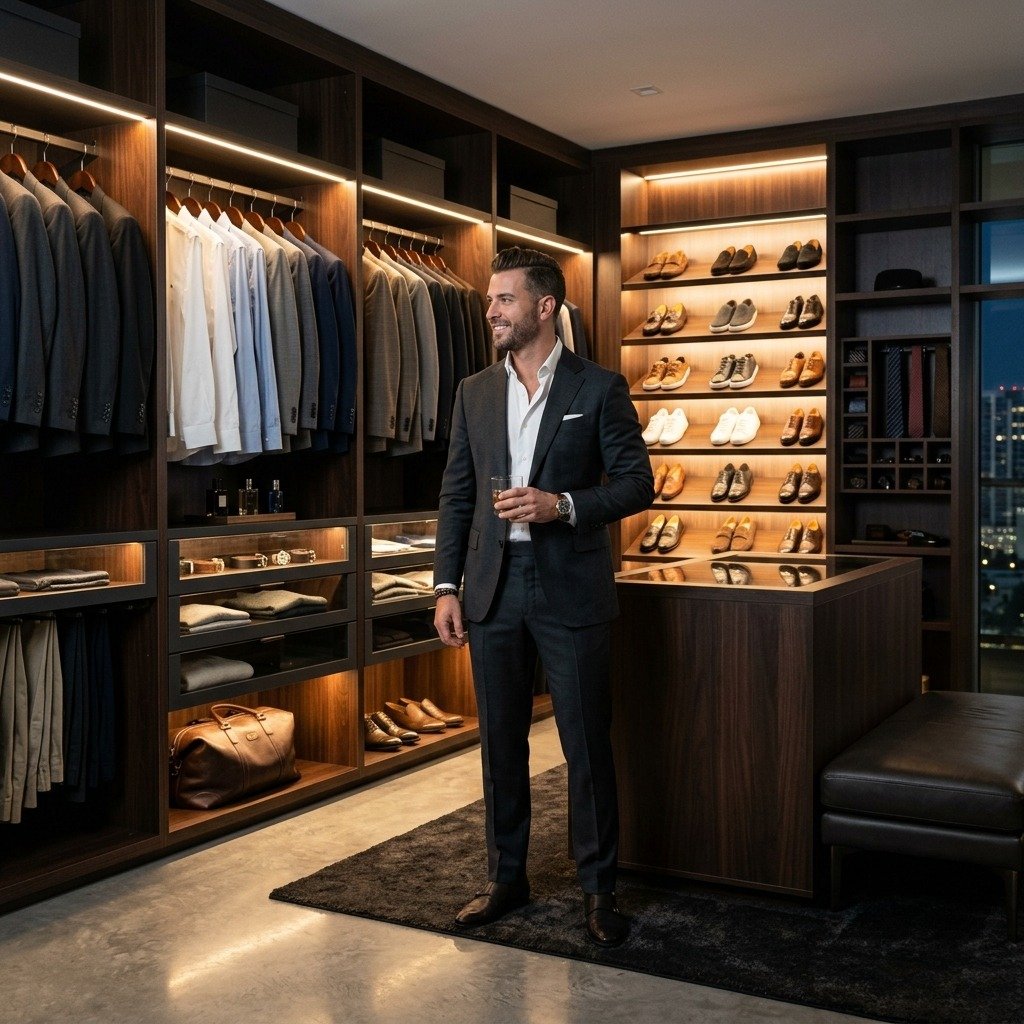
Your closet says a lot about how you live. If you’re spending five minutes every morning hunting for a matching pair of shoes or wrestling with a tangled pile of belts, that’s not just frustrating—it’s time you’re losing every single day. A well-designed closet doesn’t just store your things. It changes the way you start your mornings, how you care for your clothing, and how much you actually enjoy being home.
That’s exactly what professional custom closet design delivers. And if you’re in Miami, where style, space, and lifestyle all carry serious weight, it’s worth understanding what sets a truly custom solution apart from a flat-pack fix.
Why Off-the-Shelf Closets Fall Short
Walk into any big-box home store, and you’ll find rows of modular closet systems promising organization at a low price. The problem? They’re built for the average person—which means they’re not built for you.
Standard systems don’t account for your ceiling height, your door placement, your collection of suits, or the fact that you store luggage on the floor because you travel constantly. They’re rigid, where your life is anything but.
Custom closets, by contrast, are designed around one person: you. Every shelf, every drawer, every hanging rod is placed with intention. The result is a space that feels instinctive to use—because it was made to fit how you actually live.
What Goes Into a Custom Closet Design?
A custom closet design begins with a consultation. Before a single panel is cut or a bracket is installed, a designer takes stock of your existing space, your wardrobe volume, and how you like things organized. Some people want everything visible. Others prefer doors and drawers that keep things neatly tucked away. Neither is wrong—it’s a matter of personal preference.
From there, the design process typically covers:
- Storage zoning: Dedicated areas for hanging clothes, folded items, shoes, accessories, and everyday essentials
- Material selection: From high-gloss finishes to warm wood tones, the look of your closet can complement your bedroom’s aesthetic or stand on its own as a showpiece
- Hardware choices: Soft-close drawers, pull-out shoe racks, velvet-lined jewelry inserts, and LED lighting all make a meaningful difference in daily usability
- Vertical maximization: Custom designs use every inch of height, which is especially important in Miami homes where square footage comes at a premium
The goal isn’t just to create storage—it’s to create a system that reduces friction and brings a little calm to your daily routine.
The Real Benefits Go Beyond Organization
It’s easy to think of a custom closet as a luxury add-on. But the benefits are more practical than they appear.
Time savings are immediate. When everything has a defined place, you stop searching. Getting dressed becomes a faster, more enjoyable process.
Clothing care improves significantly. Proper hanging space means garments aren’t crushed together, which reduces wrinkles and extends the life of your wardrobe. Dedicated shoe shelving keeps footwear in shape rather than piled at the bottom of a generic unit.
Home value also gets a boost. Real estate professionals consistently note that organized, well-designed storage—especially in master bedrooms—appeals strongly to buyers. A custom closet isn’t just something you enjoy now; it’s an investment in your property.
Mental clarity is perhaps the most underrated benefit. Clutter has a documented effect on stress levels. A clean, organized closet creates a sense of control that carries into the rest of your day.
Why Miami Homeowners Are Making the Switch
Miami’s lifestyle is distinctive. The climate calls for a specific wardrobe rotation—lightweight fabrics, resort wear, formal pieces for events, and athletic gear for year-round outdoor activity. Managing all of that in a standard reach-in closet is genuinely difficult.
Custom closets designed for Miami homes account for these unique wardrobe demands. Breathable layouts that prevent humidity-related damage, dedicated sections for seasonal rotation, and designs that accommodate everything from linen suits to swimwear—these are the kinds of details that a local, experienced design team builds in from the start.
What the Design and Installation Process Looks Like
One of the most common concerns homeowners have is disruption. The idea of tearing apart a closet—especially a primary one—feels overwhelming. In practice, professional custom closet installation is faster and cleaner than most people expect.
After the initial design consultation and approval, fabrication typically takes place off-site. Installation day is efficient, often completed within a single visit. You’re left with a finished, functional closet that’s ready to use immediately.
The process is collaborative from start to finish. You’re not just selecting from a catalog—you’re working with a team that refines the design based on your input until it’s exactly right.
Transform the Most Personal Space in Your Home
The closet is where every day begins and ends. It’s one of the few spaces in your home that’s entirely yours—and it deserves the same level of thought and quality you’d apply to any other room.
Custom Closets designed by skilled professionals give you a tailored, high-functioning storage system that combines practical efficiency with refined aesthetics, making every inch of your space work smarter and every morning feel more effortless. Whether you’re working with a compact reach-in or a generous walk-in, the transformation that comes from a professionally designed closet is one you’ll notice every single day.
If your current closet is holding you back, now is the time to change that.

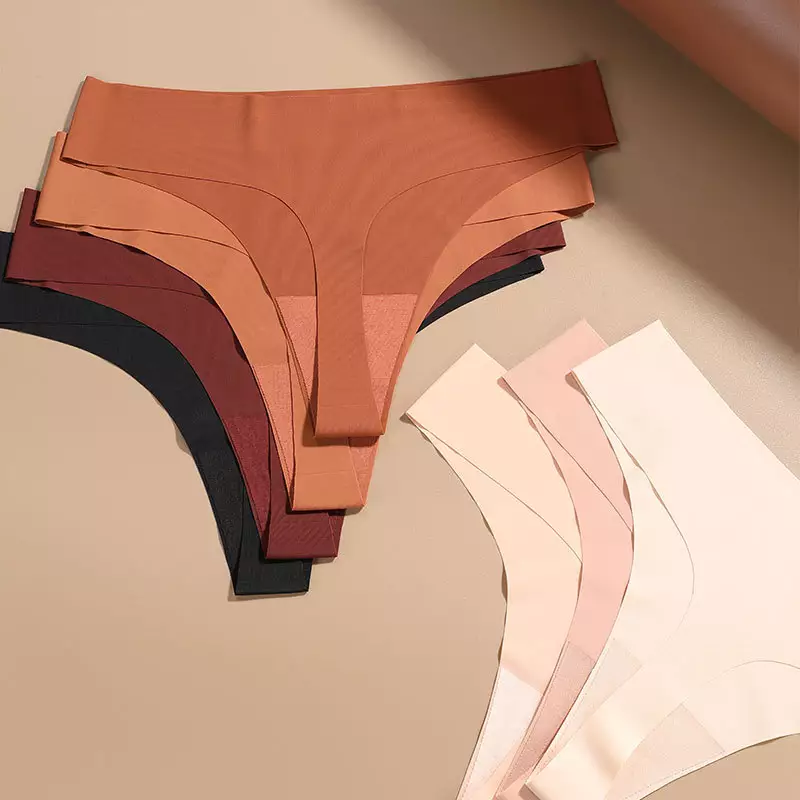
The perfect outfit isn’t just about the clothing you choose—it’s also about what you wear underneath. Whether you’re slipping into tailored work pants, a bodycon dress, or your favorite leggings, the right underwear can make a noticeable difference in both appearance and comfort. One of the biggest frustrations many people experience is visible panty lines, which can interrupt the smooth silhouette of otherwise well-fitted clothing.
That’s where seamless underwear comes in. Designed with modern construction techniques that minimize bulk and eliminate raised seams, seamless styles have become an everyday essential for anyone looking to achieve a sleek, polished look without sacrificing comfort.
How Seamless Technology Eliminates Visible Panty Lines
Traditional underwear often features stitched seams and thicker edges that can show through fitted clothing. These raised seams create visible outlines beneath fabrics, especially those made from stretchy or lightweight materials.
Seamless underwear is engineered differently. Instead of relying on bulky stitching around the edges, many seamless designs use bonded or laser-cut finishes that create smooth transitions between the fabric and the skin. The result is underwear that lies flatter against the body, helping reduce the appearance of visible lines under clothing.
In addition to minimizing lines, seamless underwear is often made from lightweight, flexible fabrics that move naturally with the body. This allows the garment to remain comfortable throughout the day while providing a barely-there feel under everything from office attire to workout clothing.
Fit also plays a significant role in achieving a smooth appearance. Underwear that is too tight can create digging or bunching, while styles that are too loose may shift during wear. Choosing the proper size ensures the fabric sits comfortably without creating unnecessary pressure or visible edges.
While seamless styles are an excellent option for many outfits, having a versatile collection of underwear for women allows you to choose the best style for different occasions, fabrics, and comfort preferences.
Ideal Pairings: Leggings, Bodycon Dresses, Fitted Pants
Certain clothing styles benefit especially from seamless underwear. Leggings, for example, are typically made from stretchy performance fabrics that closely contour the body. Because these materials reveal even minor texture changes underneath, seamless underwear helps maintain a clean, uninterrupted silhouette.
Bodycon dresses are another popular pairing. These figure-hugging styles highlight natural curves, making smooth undergarments particularly important for achieving a polished appearance. Similarly, tailored trousers, slim-fit jeans, and fitted work pants often look more refined when paired with underwear designed to minimize visible lines.
Comfort remains equally important. Many people choose seamless styles for long workdays, travel, or special events because the lightweight construction reduces friction and creates a smoother feel beneath clothing.
For everyday wear, breathable fabrics also contribute to long-term comfort. Many shoppers appreciate the softness and natural feel of the best cotton underwear for women, particularly when comfort and breathability are top priorities. Cotton options can complement a lingerie wardrobe by providing another versatile choice for daily wear alongside seamless styles.
Final Thoughts
Seamless underwear has earned its place as a wardrobe essential by combining comfort, versatility, and a polished appearance. Thanks to innovative construction techniques, these styles help minimize visible panty lines while providing a smooth fit beneath everything from leggings to dresses and tailored pants. By choosing underwear that matches both your clothing and your comfort preferences, you can feel more confident knowing your outfit looks as seamless as it feels.
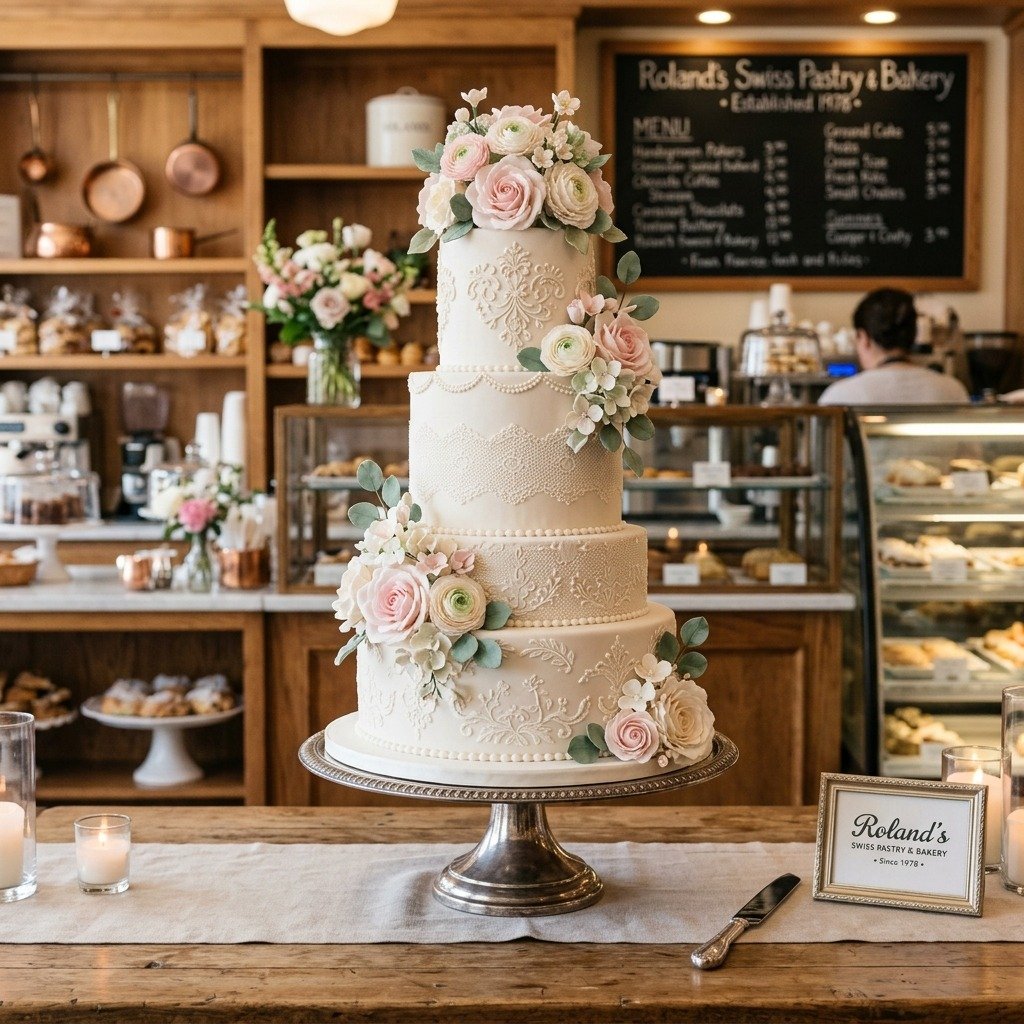
There’s a moment that happens at almost every celebration—when the cake arrives, and the room goes quiet, eyes wide, cameras up. That moment doesn’t happen by accident. It’s the result of craftsmanship, creativity, and the kind of attention to detail that only a true artisan bakery can deliver. At Roland’s Swiss Pastry & Bakery, that moment is exactly what we work toward with every order.
Why a Custom Cake Changes Everything About Your Celebration
A store-bought cake is forgotten by the time the plates are cleared. A custom-crafted one? That’s the centerpiece people talk about for years.
When you choose to have a cake made specifically for your event, you’re not just choosing a dessert—you’re choosing an experience. Every tier, every flavor, every decorative detail reflects the personality of the person being celebrated or the theme of the event itself. The result is something deeply personal, beautifully presented, and absolutely delicious.
At Roland’s Swiss Pastry & Bakery, this philosophy shapes everything we do. Rooted in Swiss baking traditions that prize precision and quality above all else, our team approaches every custom order as a miniature work of art. From the structure of the layers to the finishing touches on the fondant, nothing is left to chance.
What Goes Into a Roland’s Swiss Pastry & Bakery Custom Cake?
Premium Ingredients, From the First Layer to the Last
Swiss baking has long been associated with excellence, and that reputation is built on ingredients. Roland’s Swiss Pastry & Bakery sources only the finest materials—real European butter, premium cocoa, fresh seasonal fruits, and carefully selected flavorings. No shortcuts. No substitutes.
The difference shows in every bite. Rich, balanced flavors. Moist, tender crumb. Frosting that’s silky rather than sugary. These are the hallmarks of a cake made the right way.
Flavors That Go Far Beyond Vanilla
One of the most exciting parts of ordering a custom cake from Roland’s is the flavor selection. Classic choices like dark chocolate ganache, lemon chiffon, and vanilla bean are always available—but our menu goes much further.
Guests have fallen in love with options like:
- Swiss Almond Praline – a nutty, caramelized layer nestled between a light sponge
- Raspberry & Rose – floral, fruity, and utterly sophisticated
- Salted Caramel Espresso – bold and indulgent, perfect for coffee lovers
- Dark Chocolate Kirsch – a nod to classic Swiss tradition with a grown-up twist
Each flavor can be paired with complementary fillings and frostings to create a cake that’s as complex or as clean as you like.
Designs That Reflect Your Vision
The visual design of a custom cake is where Roland’s Swiss Pastry & Bakery truly shines. Whether you arrive with a detailed mood board or just a color and a vibe, our team will guide you toward a design that exceeds your expectations.
Minimalist elegance, whimsical characters, cascading sugar flowers, geometric fondant patterns, hand-painted watercolor effects—all of it is within reach. Our decorators have years of experience working across every style, and they bring genuine enthusiasm to each new challenge.
Occasions That Call for a Roland’s Custom Cake
Weddings and Anniversaries
Your wedding cake deserves more than a generic design pulled from a catalog. Roland works closely with couples to create multi-tiered masterpieces that complement the wedding aesthetic and deliver on flavor just as powerfully as they do on presentation. Anniversary cakes receive the same reverence—because milestones deserve to be honored beautifully.
Birthdays, Big and Small
Whether it’s a first birthday smash cake or a milestone 50th celebration, birthdays are made more memorable with a cake that feels tailor-made—because it is. Roland’s has crafted cakes for every age, personality, and party size imaginable.
Corporate Events and Product Launches
First impressions matter in business. A striking, branded custom cake at a corporate event or product launch communicates creativity and attention to detail in a way that a generic catering spread simply cannot. Roland’s has helped countless companies make an impression that lingers long after the event ends.
Baby Showers, Graduations, and Everything In Between
From gender reveals to graduation parties, Roland’s Swiss Pastry & Bakery is the go-to choice for any occasion that deserves a centerpiece worth celebrating around.
The Roland’s Custom Cake Experience: From Consultation to Delivery
Ordering a custom cake from Roland’s is a collaborative, enjoyable process—not an overwhelming one.
It begins with a consultation, where our team learns everything about your event, your preferences, and your vision. From there, we propose flavor pairings and design concepts tailored specifically to your needs. Tastings are available so you can experience your chosen flavors firsthand before the final order is confirmed.
Once the design is approved, our bakers and decorators get to work. Every cake is assembled fresh and delivered (or prepared for pickup) with care, ensuring it arrives in perfect condition and ready to impress.
The Roland’s Swiss Pastry & Bakery Difference
Many bakeries offer custom cakes. Far fewer offer the depth of skill, the quality of ingredients, and the warmth of service that Roland’s brings to every order.
Custom cake orders are crafted with the kind of meticulous care and Swiss baking expertise that transforms a simple dessert into the most talked-about highlight of your entire event—delighting guests from the very first glance to the very last bite. That’s not a promise made lightly. It’s one we’ve kept for every client who has walked through our doors.
The difference between a forgettable celebration and a truly memorable one often comes down to the details. At Roland’s, the details are our specialty.
Ready to Create Something Extraordinary?
Your next celebration deserves a cake that’s as unique as the moment itself. Reach out to Roland’s Swiss Pastry & Bakery today to schedule your consultation and take the first step toward a custom creation that your guests will never forget.

The Questions Worth Asking Before Dental Implant Newcastle Treatment

What to Expect Before, During, and After Dental Implants Newcastle

Why Complete Temperature Services Is the HVAC Contractor Your Home Deserves

Clean425: Restoring Curb Appeal One Property at a Time

Nolan Air Heating & Cooling: Comfort You Can Count On All Year

Who Is Indiana Urban? Inside the Life of Karl Urban’s Son and Rising Actor

Jennifer Seyfried: All About Amanda Seyfried’s Sister, Her Life and Career

Who Is Zachary Hudson? Inside the Private Life of Cindy Williams’ Son

Cynthia Womack Biography: The Life, Career, and Legacy of Connie Britton’s Twin Sister

Who Is Stephen G. Walker? All About PinkPantheress’ Father and His Academic Career
Who Is Indiana Urban? Inside the Life of Karl Urban’s Son and Rising Actor
Jennifer Seyfried: All About Amanda Seyfried’s Sister, Her Life and Career
Who Is Zachary Hudson? Inside the Private Life of Cindy Williams’ Son
Cynthia Womack Biography: The Life, Career, and Legacy of Connie Britton’s Twin Sister
Who Is Stephen G. Walker? All About PinkPantheress’ Father and His Academic Career
-
Biography5 months ago
Who Is Indiana Urban? Inside the Life of Karl Urban’s Son and Rising Actor
-
Biography4 months ago
Jennifer Seyfried: All About Amanda Seyfried’s Sister, Her Life and Career
-
Biography4 months ago
Who Is Zachary Hudson? Inside the Private Life of Cindy Williams’ Son
-
Biography5 months ago
Cynthia Womack Biography: The Life, Career, and Legacy of Connie Britton’s Twin Sister
-
 Biography3 months ago
Who Is Stephen G. Walker? All About PinkPantheress’ Father and His Academic Career
-
 Biography5 months ago
Who Was Gretchen Knauff? The Private Life of Jennifer Coolidge’s Mother
-
 Biography4 months ago
Who is Lynn Levesque? Everything to Know About Triple H’s Sister
-
 Biography4 months ago
Lynn Payne: Inside the Life and Love Story of Randy Savage’s Wife