
Fashion
Fertility Assessment in Singapore: What Couples Can Expect

Fertility assessment helps couples understand why pregnancy may not be happening and what options may be suitable. It usually involves reviewing both partners, as fertility difficulties may be related to female factors, male factors, both partners, or may remain unexplained after initial testing.
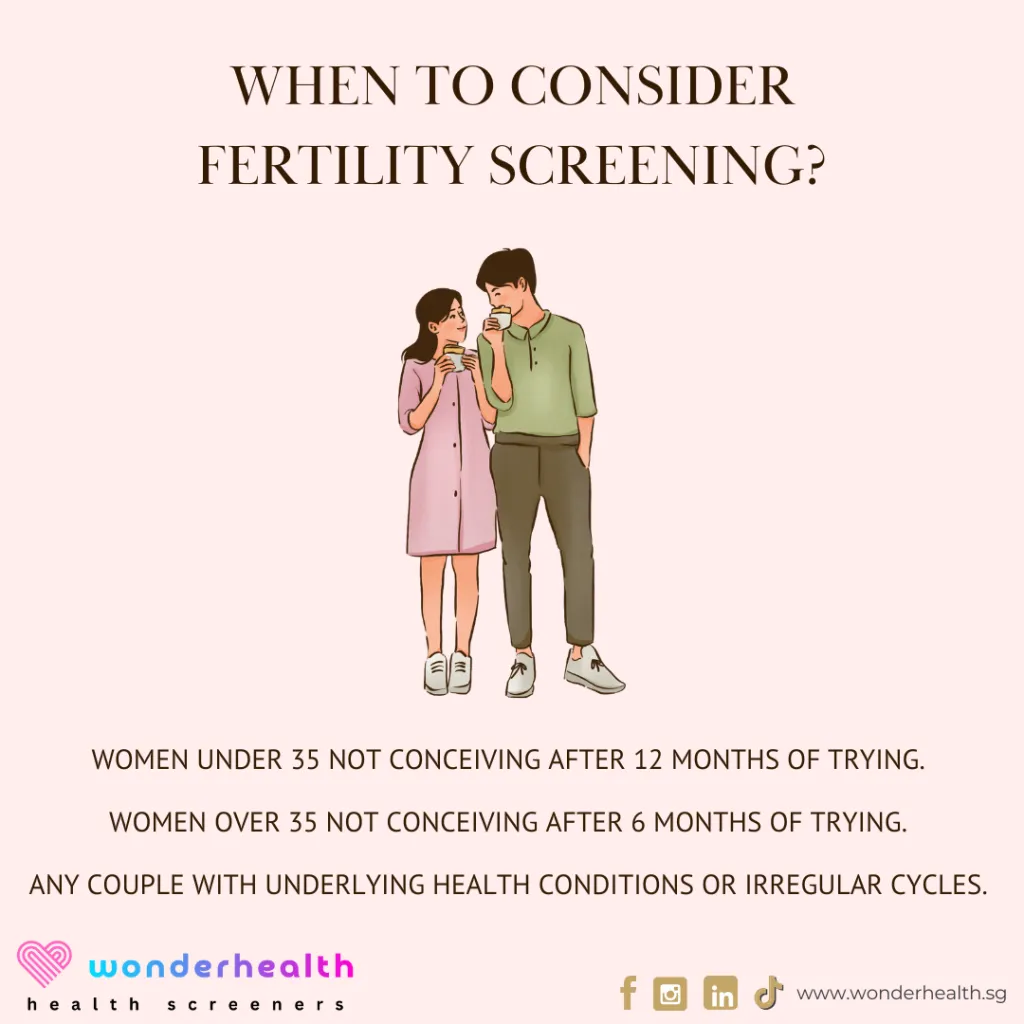
Couples may consider fertility assessment if pregnancy has not occurred after a period of regular unprotected intercourse, or earlier if there are known medical concerns such as irregular periods, endometriosis, polycystic ovary syndrome, previous pelvic infection, recurrent miscarriage, or male fertility concerns.
When Should Couples Consider Fertility Assessment?
A common guide is to seek fertility assessment after 12 months of regular unprotected intercourse if the female partner is below 35 years old.
If the female partner is 35 years or older, assessment is often considered after 6 months of trying. Women over 40 may wish to seek advice earlier because fertility changes with age.
Earlier assessment may also be suitable if either partner has known risk factors that may affect fertility.
These may include:
- Irregular or absent periods
- Very painful periods
- Suspected endometriosis
- Polycystic ovary syndrome
- Previous pelvic infection
- Previous ectopic pregnancy
- Known fibroids or uterine conditions
- Previous ovarian surgery
- Recurrent miscarriage
- Previous chemotherapy or radiotherapy
- Known male fertility concerns
- Previous abnormal semen analysis
- Erectile or ejaculation concerns
- Testicular surgery, injury, or infection
Seeking assessment does not mean treatment must begin immediately. It can help couples understand their reproductive health and plan next steps.
Why Both Partners May Be Assessed
Fertility assessment usually involves both partners because pregnancy depends on several factors working together. These include ovulation, egg supply, sperm quality, fallopian tube function, the uterus, timing of intercourse, and general health.
If only one partner is tested, an important factor may be missed. For example, a female partner may ovulate regularly, but semen analysis may show a sperm-related issue. In another case, semen analysis may be normal, but fallopian tube blockage or ovulation concerns may be present.
Couple-based assessment can reduce delays and help guide treatment more clearly.
What Happens During the First Fertility Consultation?
The first consultation usually begins with a detailed discussion. A fertility doctor may ask about how long the couple has been trying, how often intercourse occurs, whether ovulation tracking has been used, and whether there have been previous pregnancies or miscarriages.
The doctor may ask about:
- Age of both partners
- Duration of trying to conceive
- Menstrual cycle pattern
- Period pain or heavy bleeding
- Previous pregnancies
- Miscarriage or ectopic pregnancy history
- Previous pelvic infections
- Past surgeries
- Medical conditions
- Medication and supplement use
- Sexual function and timing of intercourse
- Smoking, alcohol, and lifestyle factors
- Family history of reproductive or genetic conditions
- Previous fertility tests or treatment
Both partners should bring any previous reports, including blood tests, ultrasound scans, semen analysis results, surgery records, and fertility treatment records.
Female Fertility Assessment
Female fertility assessment may look at ovulation, ovarian reserve, fallopian tubes, uterus, ovaries, and hormone function.
The tests recommended depend on age, symptoms, menstrual cycle pattern, and previous medical history.
1. Menstrual and Ovulation Assessment
The doctor may ask whether periods are regular and whether ovulation is likely to be occurring. Regular cycles can suggest regular ovulation, but this is not always enough to confirm every detail.
Ovulation may be assessed using:
- Menstrual cycle history
- Ovulation predictor kits
- Basal body temperature charts, if already used
- Blood tests at specific cycle times
- Ultrasound monitoring in selected cases
Irregular or absent periods may suggest ovulation problems. Possible causes include polycystic ovary syndrome, thyroid conditions, raised prolactin, ovarian reserve changes, weight changes, stress, or other hormonal factors.
2. Ovarian Reserve Testing
Ovarian reserve testing gives information about the number of eggs remaining in the ovaries. It does not guarantee whether pregnancy will or will not happen, but it may help guide treatment planning.
Tests may include:
- AMH blood test
- Follicle-stimulating hormone testing
- Estradiol testing
- Antral follicle count on ultrasound
Ovarian reserve results should be interpreted with age, symptoms, and treatment goals. The doctor can explain what the result means and what it does not mean.
3. Pelvic Ultrasound
A pelvic ultrasound may be used to assess the uterus, ovaries, and pelvic structures. It can help identify conditions that may affect fertility or menstrual symptoms.
Ultrasound may assess:
- Ovarian appearance
- Antral follicle count
- Ovarian cysts
- Fibroids
- Endometrial polyps
- Uterine shape
- Thickness of the womb lining
- Signs that may suggest endometriosis or adenomyosis in selected cases
The ultrasound may be done through the abdomen or transvaginally, depending on the situation and patient suitability.
4. Fallopian Tube Assessment
The fallopian tubes allow the egg and sperm to meet. If the tubes are blocked or damaged, natural conception may be affected.
A fallopian tube test may be recommended if the couple has been trying for some time, if there is a history of pelvic infection, ectopic pregnancy, endometriosis, pelvic surgery, or if treatment planning requires tubal information.
Tests may include:
- Hysterosalpingogram
- Sonohysterography-based tubal test
- Laparoscopy in selected cases
The doctor will explain which test is suitable and what to expect before and after the procedure.
5. Uterine Assessment
The uterus may be assessed if there are symptoms or findings that suggest a structural issue.
Possible concerns include:
- Uterine Fibroids
- Endometrial polyps
- Uterine adhesions
- Congenital uterine shape differences
- Recurrent miscarriage
- Heavy or irregular bleeding
Assessment may involve ultrasound, saline infusion imaging, hysteroscopy, or other tests depending on the findings.
Male Fertility Assessment
Male fertility assessment is an important part of couple-based fertility testing. The main initial test is usually semen analysis.
1. Semen Analysis
Semen analysis assesses sperm and semen characteristics. It may review:
- Semen volume
- Sperm concentration
- Sperm movement
- Sperm shape
- Total sperm count
- Other semen parameters
The sample is usually collected after a short period of abstinence, based on clinic instructions. If the first result is abnormal, the doctor may recommend repeating the test because semen results can vary.
2. Medical History and Physical Review
The male partner may be asked about:
- Previous testicular infection
- Undescended testes
- Testicular injury
- Testicular surgery
- Varicocele
- Erectile or ejaculation concerns
- Fever or illness before testing
- Medication use
- Hormone-related symptoms
- Smoking, alcohol, or heat exposure
- Previous chemotherapy or radiotherapy
Further tests may be recommended if semen analysis is abnormal or if the history suggests a specific concern.
3. Additional Male Fertility Tests
Additional tests may include:
- Hormone blood tests
- Repeat semen analysis
- Sperm DNA fragmentation test in selected cases
- Scrotal ultrasound in selected cases
- Referral to a urologist or male fertility specialist where needed
Not every patient needs additional testing. The doctor will advise based on semen analysis and clinical findings.
Common Reasons Fertility Assessment May Find
Fertility assessment may identify one or more factors.
Possible findings include:
- Irregular ovulation
- Reduced ovarian reserve
- Fallopian tube blockage
- Endometriosis
- PCOS
- Fibroids or polyps affecting the uterine cavity
- Male factor fertility concerns
- Sexual function or timing issues
- Unexplained infertility
- Multiple contributing factors
In some couples, initial tests may not show a clear cause. This is sometimes called unexplained infertility. Treatment options may still be discussed based on age, duration of trying, and test results.
What Happens After the Test Results?
After results are available, the doctor will review the findings with the couple and discuss possible next steps.
Options may include:
- Continued trying with timing guidance
- Lifestyle and preconception advice
- Ovulation induction
- Follicle tracking
- Intrauterine insemination
- In vitro fertilisation
- Intracytoplasmic sperm injection in selected cases
- Surgery for selected uterine, tubal, endometriosis, or fibroid-related concerns
- Referral to another specialist where needed
- Fertility preservation discussion, where relevant
The recommended approach depends on the couple’s diagnosis, age, ovarian reserve, semen analysis, fallopian tube status, duration of trying, previous pregnancies, and preferences.
Lifestyle and Preconception Review
A fertility assessment may also include preconception advice. This does not replace medical treatment where needed, but it may support general reproductive health and pregnancy planning.
Topics may include:
- Folic acid supplementation
- Smoking cessation
- Alcohol reduction
- Healthy weight discussion
- Regular physical activity
- Sleep and stress management
- Medication review
- Vaccination status
- Chronic condition control
- Timing intercourse around ovulation
- Avoiding harmful exposures where relevant
Patients with diabetes, thyroid disease, autoimmune conditions, high blood pressure, epilepsy, or other medical conditions should discuss pregnancy planning with a doctor.
How to Prepare for a Fertility Assessment
Couples can prepare by bringing:
- Identification documents
- Menstrual cycle records
- Ovulation tracking records, if any
- Previous pregnancy or miscarriage records
- Previous blood test results
- Previous ultrasound reports
- Previous semen analysis results
- Previous surgery records
- Medication and supplement list
- Medical history summary
- Insurance or funding questions
- Questions for the doctor
It may also help to note how long the couple has been trying, how often intercourse occurs, and whether there are symptoms such as irregular periods, painful periods, heavy bleeding, pelvic pain, or sexual function concerns.
Fertility assessment in Singapore usually involves reviewing both partners, because fertility may be affected by female factors, male factors, both partners, or unexplained causes. The assessment may include medical history, menstrual and ovulation review, ovarian reserve testing, pelvic ultrasound, fallopian tube assessment, semen analysis, and additional tests where needed.
Couples may consider assessment after 12 months of trying if the female partner is below 35, or after 6 months if the female partner is 35 or older. Earlier assessment may be suitable for irregular periods, endometriosis, PCOS, previous pelvic infection, recurrent miscarriage, male factor concerns, or women over 40.
The results can guide next steps, such as timing advice, ovulation induction, IUI, IVF, surgery for selected conditions, or fertility preservation. Couples should ask about tests, treatment options, costs, funding, and follow-up before starting care.
This article is for general information only and should not replace medical advice from a qualified healthcare professional.
FAQ
What is included in a fertility assessment?
A fertility assessment may include medical history review, menstrual and ovulation assessment, blood tests, ovarian reserve testing, pelvic ultrasound, fallopian tube assessment, semen analysis, and further tests where needed.
Should both partners do fertility tests?
Yes, where possible. Fertility difficulties may involve female factors, male factors, both partners, or unexplained causes. Testing both partners can help guide treatment planning.
When should couples go for fertility assessment?
Couples may consider assessment after 12 months of regular unprotected intercourse if the female partner is below 35, or after 6 months if the female partner is 35 or older. Earlier review may be suitable if there are known fertility-related concerns.
What is a semen analysis?
A semen analysis checks semen and sperm factors such as volume, sperm concentration, movement, and shape. It is often part of initial fertility assessment for couples.
Is ovarian reserve testing the same as a fertility prediction?
No. Ovarian reserve testing gives information about egg numbers, but it does not guarantee whether pregnancy will or will not occur. Results should be interpreted with age, symptoms, and treatment goals.
What happens after fertility assessment results are reviewed?
The doctor may recommend timing advice, ovulation induction, IUI, IVF, surgery for selected conditions, further testing, or continued monitoring depending on the findings.

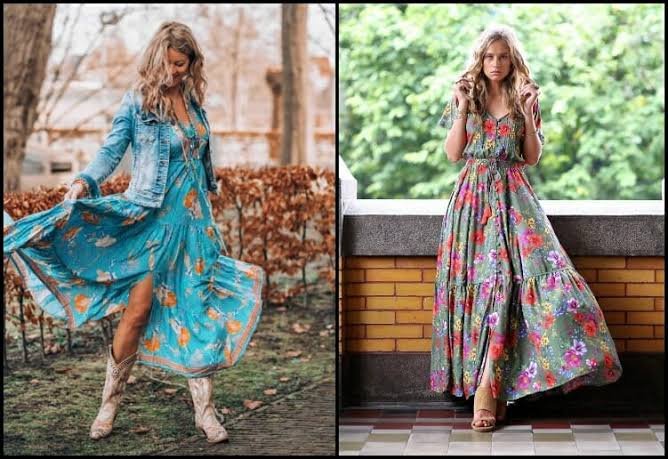
onestly a beautiful dress is more than just some clothing thing it helps someone feel more confident more comfortable and yep more stylish too. Whether it shows up at a wedding party dinner or even just a normal casual event the right dress can leave a pretty strong impression no joke. And since dresses come in all kinds of colors patterns and fabrics most people can find something that fits their vibe and taste even if they can’t explain it perfectly at first like it’s there in the moment but not always in words.
The Charm of a Well Chosen Dress
A beautiful dress can kind of flip the whole mood of a person when someone wears one that fits well and looks flattering they usually feel happier and more confident. The charm isn’t only in the design it’s also in how the dress connects to the person wearing it like it just “gets” them instantly maybe.
A lot of people pick dresses depending on the occasion. Some choose plain options for daily life while others want more elegant picks for special nights. Still whatever the style is a good dress should let the wearer feel comfortable and also attractive in that easy way without doing too much.
Fabrics That Add Beauty
The fabric of a dress is the backbone of the whole look. Different materials give different vibes and appearances and you can really spot the contrast.
- Cotton feels soft and relaxed for everyday wear.
- Silk looks smooth and gives off that luxurious energy.
- Chiffon makes a light flowing kind of style.
- Satin brings shine and a more refined elegance.
- Lace adds something delicate and somehow still timeless.
When the right fabric is chosen the dress usually ends up looking even more beautiful and it also matches the occasion better really simple.
Colors That Make a Difference
Color is usually the first thing people notice bright colors can bring a cheerful lively energy and softer shades tend to look elegant and calm. Black stays popular for its timeless beauty while white often feels tied to simplicity and grace.
Many people select colors based on their skin tone personal preference or where they’re going. The right color can make a dress stand out and also bring out the wearer’s natural beauty no extra explanation needed.
Popular Styles for Every Occasion
Fashion changes but certain dress styles stay loved for years’ A-line dresses are popular because they tend to work for many body types. Maxi dresses bring comfort along with elegance while cocktail dresses are usually the go-to for parties and celebrations.
Formal gowns often show up at weddings and big events for shopping trips family get together or just low-key weekends casual dresses are usually the better match. Having different dress styles ready in the closet makes it easier to dress right for lots of different situations honestly.
Small details create big beauty
Honestly those little special touches are what make a beautiful dress feel unique like a quiet signature you almost miss at first. You know embroidery, lace motifs beads, little buttons and decorative sleeves they can turn what seems like a simple dress into something memorable, and it still feels natural not forced. And even when the design changes are minor the overall look shifts just enough, but it’s still very noticeable fashion designers watch for these features because they help a dress stand apart from regular day-to-day clothing in a nice way.
Finding the Perfect Dress
Finding the dress is mostly about fit comfort and personal style the dress should look good but it also has to allow easy movement. Trying a few different designs can help someone figure out what works best and what just doesn’t.
Many shoppers also compare prices materials and overall quality before buying. These days you can find beautiful dresses in local stores or online marketplaces too so buyers get more options to look through less stress overall.
Beauty and Value Together
When people shop for dresses they usually want a balance between style and affordability. Some shoppers even search internationally so they can get more options and better pricing. Lots of fashion retailers and wholesalers offer appealing collections and some people choose to buy from china to access a wider range of dress designs at rates that feel more friendly.
Conclusion
A beautiful dress is kind of like this mix of style ease and assurance and honestly it shows. From polished fabrics to eye catching colors to unique designs and those little fine details each part works together to make that charm sort of. Whether it’s for a special moment or just your everyday life the right dress helps you signal who you are and it leaves a lasting impression and picking a beautiful dress isn’t only about fashion it’s also about feeling your best wherever you roam.

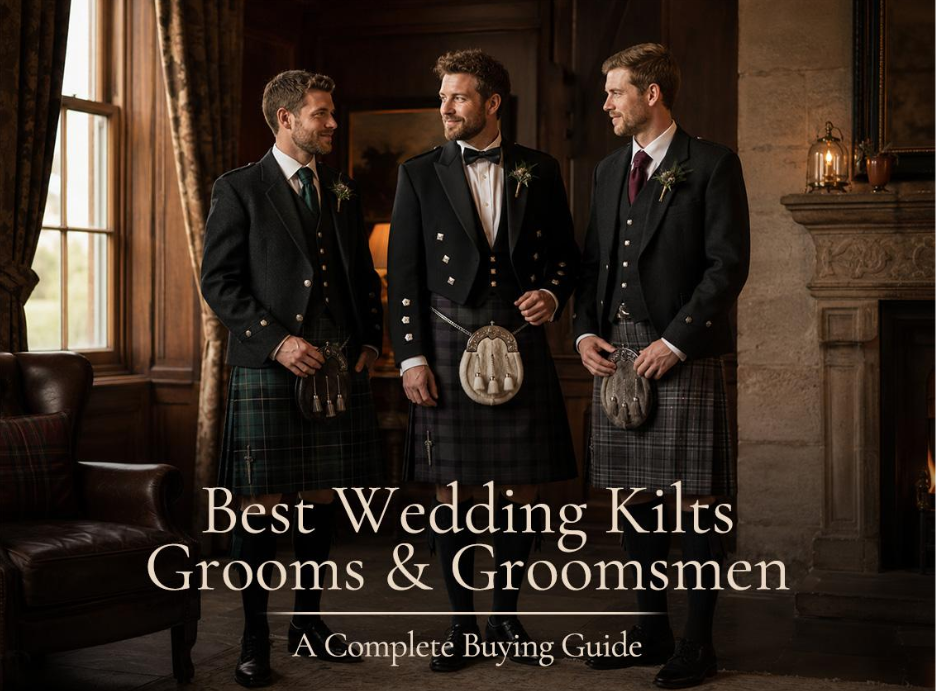
Your wedding day deserves an outfit that’s as memorable as the occasion itself. While traditional suits remain popular, wedding kilts offer a timeless and distinctive alternative that celebrates Scottish heritage with elegance and style.
Whether you’re planning a traditional Scottish ceremony, a Highland-inspired celebration, or a modern wedding with classic touches, choosing the right Scottish wedding kilt ensures you look your best while feeling comfortable throughout the day.
This guide covers everything you need to know about selecting the best wedding kilts for grooms and groomsmen, from tartans and fabrics to accessories and fit.
Choose Traditional Tartan Kilts for a Timeless Wedding Look
Nothing captures the spirit of Highland wear quite like traditional tartan kilts.
A tartan adds personality, heritage, and authenticity to your wedding outfit. Many couples choose a tartan connected to their family or clan, while others select one that complements the wedding colour palette or reflects their personal style.
Classic tartans such as Black Watch, Black Stewart, Ancient Campbell, and Scottish National remain popular choices for formal weddings.
For a coordinated wedding party, the groom and groomsmen can wear the same tartan, while subtle differences in accessories help the groom stand out.
Why Choose an 8-Yard Wedding Kilt?
If you’re aiming for a truly traditional appearance, an 8-yard tartan kilt is one of the best choices.
The additional fabric creates deeper pleats, fuller movement, and the classic silhouette associated with authentic Highland dress. This extra structure not only enhances comfort but also photographs beautifully during ceremonies and formal portraits.
An 8-yard kilt paired with a Prince Charlie jacket, waistcoat, sporran, and kilt hose creates an elegant wedding outfit that never goes out of style.
Selecting the Right Fabric
The fabric of your Scottish wedding kilt affects both comfort and appearance.
Traditional wool remains the premium choice, offering exceptional drape, rich texture, and long-lasting durability. It’s ideal for formal weddings and couples looking for a truly authentic Highland look.
Polyviscose provides an excellent alternative. Lightweight, durable, and easy to maintain, it delivers the classic tartan appearance at a more accessible price.
At Highland Redstone, our traditional tartan kilts are available in carefully selected materials to suit different budgets, wedding styles, and personal preferences.
Should the Groom and Groomsmen Wear Matching Kilts?
Matching wedding kilts create a polished and cohesive look, especially in wedding photography.
Many couples choose identical tartan kilts for the entire wedding party, while others give the groom subtle distinctions through accessories, jackets, waistcoats, or a unique sporran.
Another popular option is for the groom to wear a different tartan while the groomsmen coordinate through matching jackets, ties, or Highland wear accessories.
The goal is to create visual harmony while allowing the groom to remain the focal point.
Match Your Wedding Kilt to the Style of Your Ceremony
The setting of your wedding should influence your outfit.
For churches, castles, and formal venues, traditional tartan kilts with classic Highland jackets create an elegant and sophisticated appearance.
Outdoor ceremonies, rustic venues, and countryside weddings often suit a slightly more relaxed combination, pairing a Scottish kilt with a waistcoat or tailored shirt.
Whatever your style, your wedding kilt should complement the overall atmosphere of your celebration.
Getting the Perfect Fit
Even the finest Scottish kilt won’t look its best if it doesn’t fit correctly.
Traditional kilts sit higher on the waist than standard trousers, making accurate measurements essential. Always measure your natural waist and ensure the kilt falls around the centre of your knee for the classic Highland silhouette.
If you’re ordering for multiple groomsmen, collect everyone’s measurements well in advance to allow plenty of time for delivery and any necessary adjustments.
A perfectly fitted kilt will always look more impressive than an expensive one that doesn’t fit properly.
Complete Your Look with Highland Wear Accessories
The right accessories transform a great Scottish wedding kilt into a complete Highland outfit.
Essential accessories include:
- Sporran
- Kilt belt and buckle
- Kilt hose
- Flashes
- Kilt pin
- Prince Charlie or Argyll jacket
- Waistcoat
- Ghillie brogues
The groom can further distinguish his outfit with premium accessories such as a dress sporran, decorative fly plaid, or unique tie and pocket square.
Consistency across the wedding party creates a refined and elegant finish.
Coordinate with Your Wedding Colour Palette
Your tartan kilt should complement your wedding colours rather than compete with them.
Choose ties, flowers, waistcoats, and pocket squares that highlight colours already present within the tartan. If your tartan features bold colours, balance the outfit with neutral accessories for a timeless appearance.
Autumn weddings often pair beautifully with warmer tartans, while darker tartans create a sophisticated look for formal indoor ceremonies.
Comfort Matters on Your Wedding Day
A wedding is a full-day celebration, so comfort is just as important as style.
Your Scottish wedding kilt should allow you to walk, sit, dance, and celebrate comfortably without feeling restrictive.
Consider the season when selecting fabric weight. Heavier 8-yard tartan kilts work beautifully during cooler months, while lighter fabrics are often preferred for spring and summer weddings.
Comfortable footwear and quality kilt hose also make a noticeable difference throughout the day.
Buy or Rent a Wedding Kilt?
Both options have their advantages.
Renting can be a practical solution for groomsmen who may only wear Highland dress once.
However, purchasing a Scottish wedding kilt gives you complete control over fit, tartan, and accessories while creating a lasting keepsake from your wedding day.
Many grooms choose to buy their kilt because it can be worn again for anniversaries, formal dinners, Highland games, family celebrations, and future weddings.
Why Choose Highland Redstone?
At Highland Redstone, we believe every groom deserves a wedding outfit that reflects both tradition and personal style.
Our collection includes traditional tartan kilts, 8-yard tartan kilts, utility kilts, hybrid kilts, and premium Highland wear accessories, making it easy to coordinate outfits for the entire wedding party.
Whether you’re dressing one groom or several groomsmen, our focus is on quality craftsmanship, comfortable fit, authentic Scottish design, and exceptional value.
Final Thoughts
Choosing the perfect wedding kilt is about balancing tradition, comfort, and personal style.
From selecting the right traditional tartan kilt and fabric to coordinating accessories and ensuring a perfect fit, every detail contributes to a memorable wedding day.
At Highland Redstone, we’re proud to help grooms and groomsmen find premium Scottish wedding kilts that honour Scotland’s rich heritage while creating timeless wedding memories. Whether you’re planning an intimate ceremony or a grand Highland celebration, the right Scottish kilt will ensure you look and feel your very best.
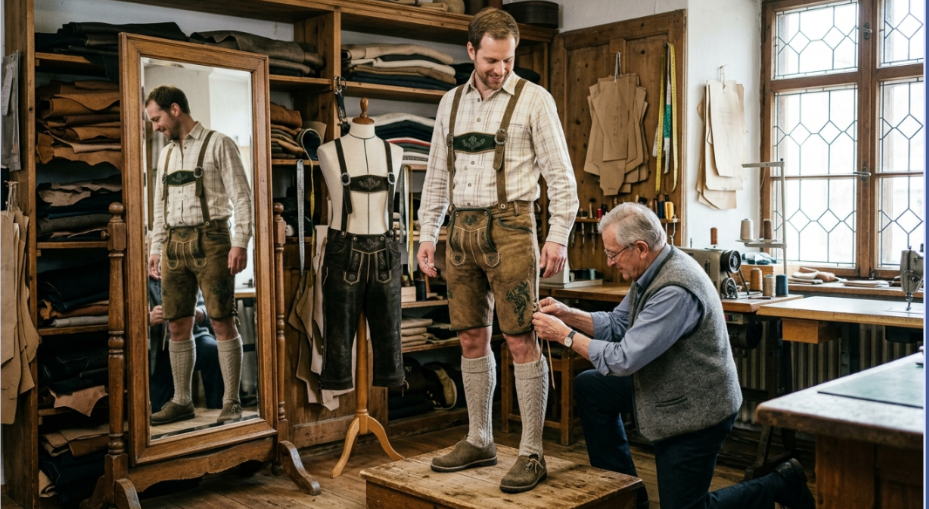
Every year, millions of men buy their first pair of lederhosen — and the difference between the pairs that get worn for a decade and the pairs that disappoint by the first evening comes down to three decisions made before checkout: the fit philosophy, the sizing method, and the outfit plan around the trousers. This is the complete men’s guide to all three. Whether you’re outfitting for a first Oktoberfest, replacing a costume-tier mistake, or finally investing in the men’s authentic lederhosen tier, everything below applies: how the garment should actually fit, how to translate your measurements into the right size, what big and tall buyers need to know, and how to build the mens lederhosen outfit around the pair once it arrives.
How Lederhosen Men Actually Wear Should Fit
The Fit Philosophy: Snug Now, Perfect Later
Lederhosen fit differently from any trouser you own, because leather does something fabric cannot: it molds. A correctly sized new pair fits snugly — noticeably fitted at the waist and seat, without pinching — because over the first several wears, genuine leather stretches and shapes itself to your specific body. Buy a pair that feels perfectly relaxed on day one, and by month three it fits like it belongs to a bigger man.
The Fit Points That Matter
Four checkpoints define correct men’s fit. The waist sits at the natural waistline — higher than modern jeans — snug enough to stay without a belt, since suspenders carry the weight. The seat is fitted but allows a full squat and bench-climb. The hem lands at or just above the knee on the classic short cut. And the front flap lies flat and buttons without strain. Pass all four and the molding process handles the rest.
Break-In: The First Five Wears
Between purchase and perfect fit sits the process first-time buyers most misunderstand: break-in. New genuine leather arrives with structure — noticeably firmer than any fabric trouser — and softens into its final character across roughly the first five full wears. The waistband eases a size’s worth of comfort, the seat molds to its wearer, the leg openings relax, and the leather’s hand transforms from stiff to supple.
The veteran strategy is to run the break-in before the event: wear the new pair for a few evenings at home, sit, climb stairs, move — each session advances the molding, so festival day one begins with a pair already halfway to custom. Two cautions protect the process: never wet leather to speed it (water stiffens hide as it dries and can mark suede permanently), and never size up to skip it — a pair comfortable out of the box becomes a loose pair by month two, while the correctly snug pair becomes the one that fits like it was made for you. Because by then, functionally, it was.
Sizing Mens Lederhosen by Measurement
The Two Numbers That Decide Everything
Forget your jeans size — lederhosen for men size by two measurements taken with a soft tape: the natural waist (around the narrowest point of the torso, roughly navel height) and the seat (around the fullest part). Order against the specific retailer’s size chart, because European Trachten sizing does not map onto US casual sizing, and charts genuinely differ between makers.
Between Sizes and Special Cases
Between sizes, take the smaller for the classic snug-then-mold fit — unless the seat measurement argues otherwise, in which case fit the seat and let the side lacing adjust the waist. The lacing (rear or side) exists precisely for this: several centimeters of genuine adjustment range built into every traditional pair.
Big and Tall Lederhosen
Larger men are fully served by the tradition — big and tall lederhosen sizing extends well beyond standard ranges at quality retailers, and the same measurement method applies unchanged. Two notes matter for the segment: measure rather than estimate (the natural-waist position surprises many buyers), and favor pairs with generous lacing range, which keeps the fit correct through any future change.
Building the Complete Lederhosen Outfit Men Rely On
The Core Five Pieces
A male lederhosen outfit is a system, and the pair is one piece of five. Around it: a Trachtenhemd shirt (checkered for festivals, white for formal occasions), H-bar suspenders with decorated crossbar, wool knee socks in cream or grey, and sturdy leather Haferl-style shoes or boots. Assembled together, the five-piece system is the complete traditional look — and every piece is worn by specific conventions: shirt always tucked, suspenders over the shirt, socks folded below the knee.
Register Upgrades
From the core, the outfit scales by occasion. A wool or loden vest layers over the shirt for elevated events; the traditional Janker jacket completes formal register; an Alpine hat with cord finishes the classic silhouette. The efficient buying order: core five first, vest second, jacket when the formal invitation arrives.
Choosing Quality in the Men’s Category
The men’s market carries the category’s full quality spread, and the standard authentication rules apply with full force: genuine hide named (suede cowhide at the accessible tier, deerskin at the premium end), stitched embroidery with real dimension, working button-front construction, sewn suspender buttons, and measurement-chart sizing. The costume tier — vinyl shells with printed decoration and elastic waists — imitates the mens lederhosen silhouette in photos and fails it everywhere else.
One men’s-specific note: because male buyers dominate the category’s volume, popular men’s sizes sell through first every festival season. Order weeks ahead of your event, and the size chart’s full range is still available; order the week before Oktoberfest, and it rarely is.
Lederhosen Colors for Men: Which Brown, and When Black
The men’s palette question deserves its own answer, because color sets register as surely as cut does. Medium brown — the tan-to-chestnut heartland — is the universal first-pair choice: correct at every occasion, forgiving of festival wear, and the tone every accessory in the tradition was designed around. Dark brown deepens the register toward evening and formal wear while keeping full pairing range. Light tan reads relaxed and summery, strongest at daytime and warm-weather events.
Black is the modern statement: sharp, urban-edged, and increasingly common at evening events — strongest in the knee-length cut, where it borders on formalwear, and best as a second pair once the brown foundation exists. Grey and stone tones occupy a similar contemporary niche. Whatever the color, one pairing rule keeps the outfit coherent: suspenders and shoes stay in the leather’s tone family — matching or one shade deeper — so the ensemble reads as a system rather than a collection. Choose brown for the first pair, choose black when the evening calendar earns it, and let the accessories follow the leather every time.
Festival-Day Preparation: The Marathon Checklist
The bought, sized and broken-in pair meets its real test on a twelve-hour festival day, and the men’s preparation checklist is short but earned. The night before: shirt ironed with the collar crisp, suspenders pre-adjusted to their set tension, socks and shoes staged — the five-minute morning assembly depends on it. The morning: dress in the traditional order (socks, trousers, tucked shirt, suspenders, shoes) and confirm the rear suspender buttons seated, because the day’s bench-climbing loads land exactly there. In the pockets: cash, phone, and nothing that shouldn’t dance. Through the day: the one-notch suspender ease after the big meal, sleeves rolled as the tent warms, and the warm-tent liberty of dropped straps used symmetrically and restored for photographs. The pair itself needs nothing — no touch-ups, no adjustments beyond the buckles — which is precisely why the tradition dressed working men this way: equipment that handles the day so its wearer can attend to the Prosit schedule instead.
Frequently Asked Questions
How should new lederhosen fit a man?
Snug at the natural waist and seat without pinching — genuine leather molds to your body over the first several wears, arriving at a custom fit.
What size lederhosen do I need?
Measure your natural waist and seat with a soft tape and order against the retailer’s specific chart. European Trachten sizing does not match US jeans sizing.
Do lederhosen come in big and tall sizes?
Yes — quality retailers extend well beyond standard ranges, and the measurement method is identical. Favor pairs with generous lacing adjustment.
What do men wear with lederhosen?
The five-piece system: Trachtenhemd shirt, H-bar suspenders, wool knee socks and traditional leather shoes — with vest and Janker jacket as register upgrades.
Should lederhosen be worn with a belt or suspenders?
Suspenders are the traditional system the trousers are engineered for; the natural-waist cut and dedicated buttons assume shoulder suspension.
How long does lederhosen break-in take?
Roughly the first five full wears — waistband easing, seat molding, leather softening. Run it at home before the festival and day one starts comfortable.
What color lederhosen should a man buy first?
Medium brown — universally correct, maximally pairable and the tone the tradition’s accessories are designed around. Black earns its place as an evening-focused second pair.
The Men’s Guide, In One Paragraph
Lederhosen men wear well are bought by measurement, fitted snug for the molding that makes them custom, and surrounded by the five-piece outfit system the tradition built around them. Hold the authenticity screen, respect the natural-waist fit philosophy, order ahead of the seasonal sellout — and the pair you choose joins the category’s oldest pattern: men’s lederhosen that fit better every year, outlast every other garment in the wardrobe, and never need replacing, only occasions.

Securing Industry 4.0: Mitigating Electrical Transients in Smart Manufacturing

Where to Spot Bears in Alaska: A First-Timer’s Wildlife Guide

Why Smart Factories Need Stable Production Conditions

Small Space, Big Profits: Smart Seating Layouts for Tiny Dining Rooms

8 Workforce Challenges Facing Modern Construction

Who Is Indiana Urban? Inside the Life of Karl Urban’s Son and Rising Actor

Jennifer Seyfried: All About Amanda Seyfried’s Sister, Her Life and Career
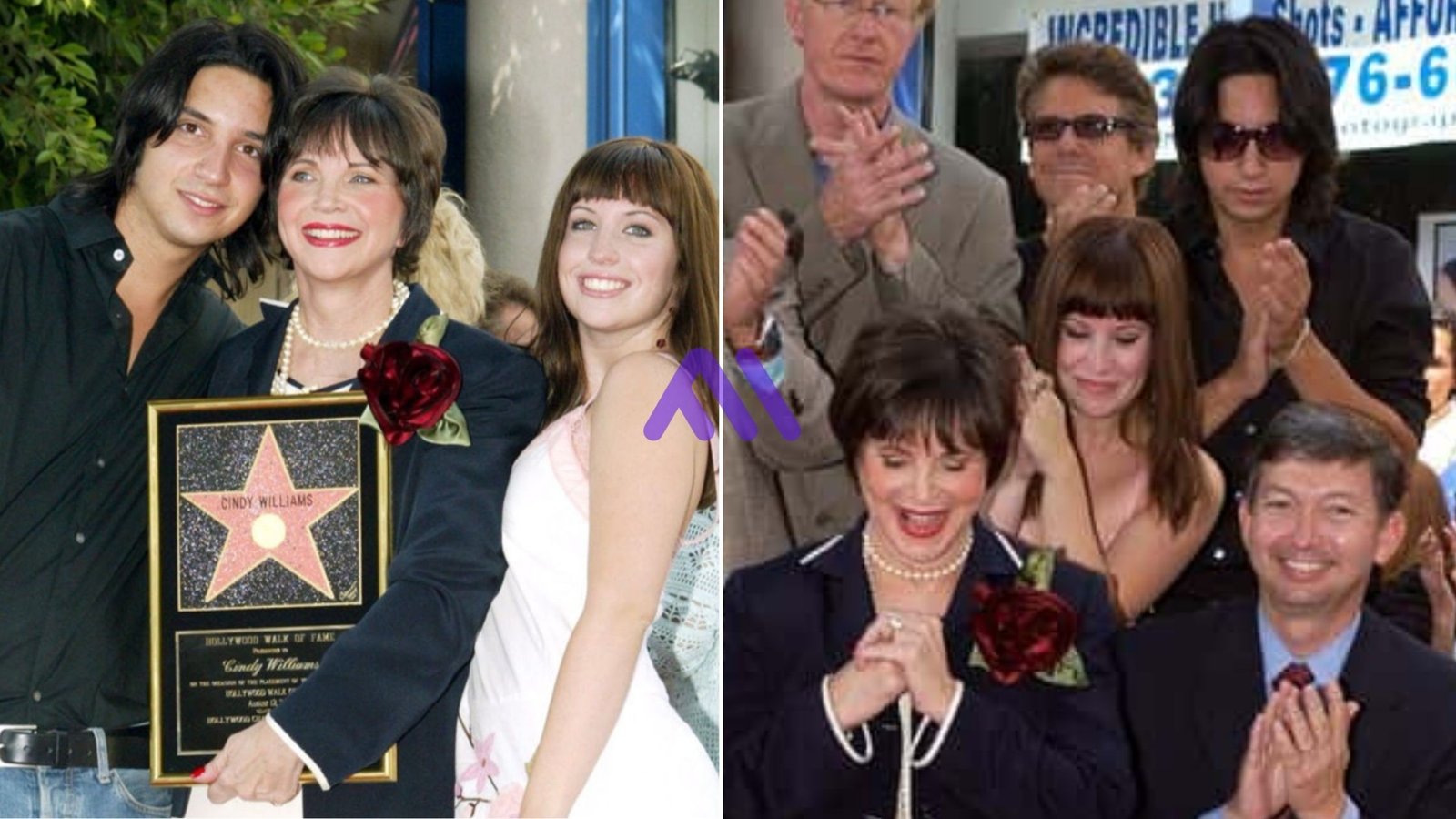
Who Is Zachary Hudson? Inside the Private Life of Cindy Williams’ Son

Who Is Stephen G. Walker? All About PinkPantheress’ Father and His Academic Career
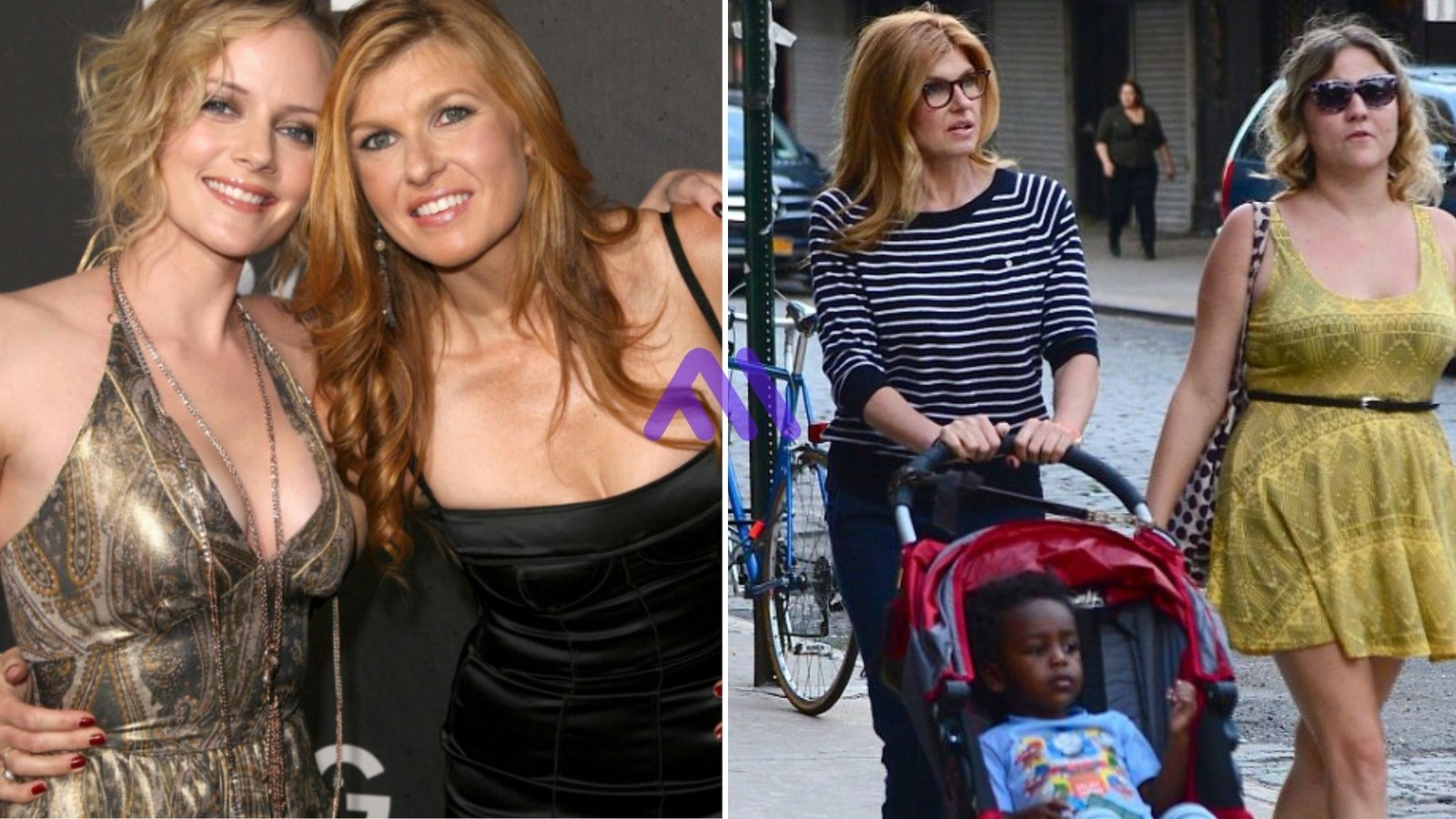
Cynthia Womack Biography: The Life, Career, and Legacy of Connie Britton’s Twin Sister
Who Is Indiana Urban? Inside the Life of Karl Urban’s Son and Rising Actor
Jennifer Seyfried: All About Amanda Seyfried’s Sister, Her Life and Career
Who Is Zachary Hudson? Inside the Private Life of Cindy Williams’ Son
Who Is Stephen G. Walker? All About PinkPantheress’ Father and His Academic Career
Cynthia Womack Biography: The Life, Career, and Legacy of Connie Britton’s Twin Sister
-
Biography7 months ago
Who Is Indiana Urban? Inside the Life of Karl Urban’s Son and Rising Actor
-
Biography7 months ago
Jennifer Seyfried: All About Amanda Seyfried’s Sister, Her Life and Career
-
Biography7 months ago
Who Is Zachary Hudson? Inside the Private Life of Cindy Williams’ Son
-
 Biography5 months ago
Who Is Stephen G. Walker? All About PinkPantheress’ Father and His Academic Career
-
Biography7 months ago
Cynthia Womack Biography: The Life, Career, and Legacy of Connie Britton’s Twin Sister
-
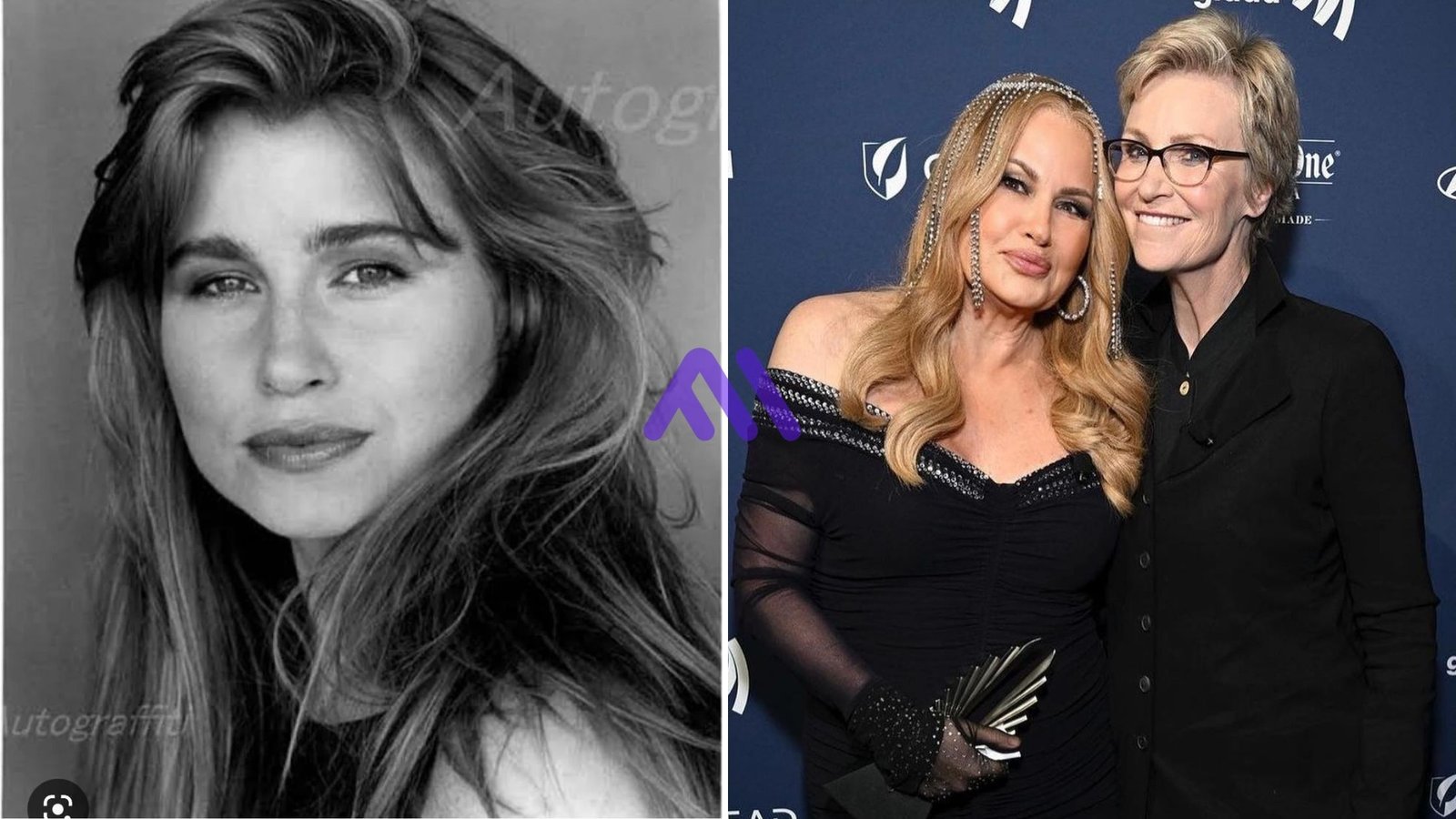 Biography7 months ago
Who Was Gretchen Knauff? The Private Life of Jennifer Coolidge’s Mother
-
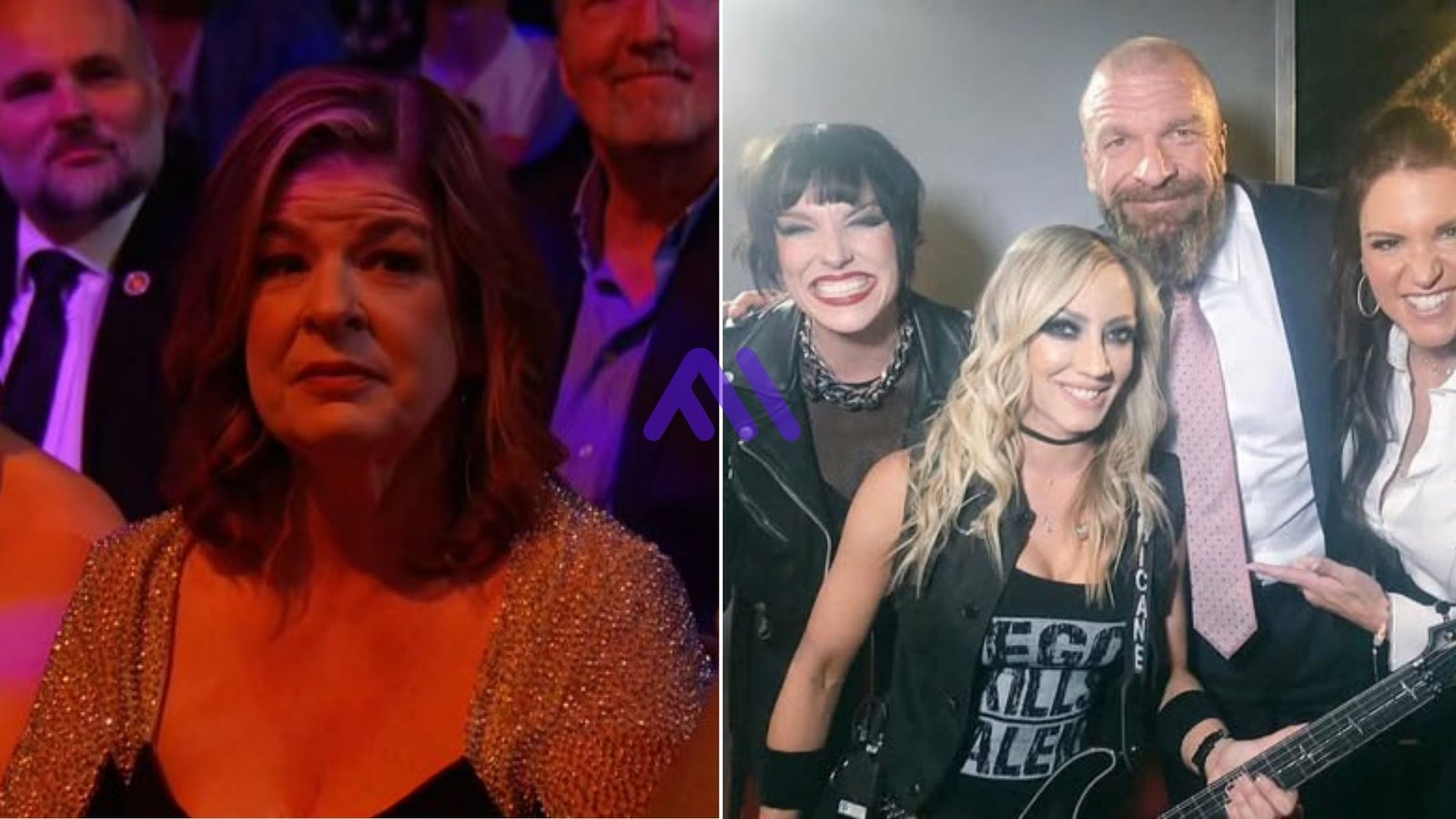 Biography6 months ago
Who is Lynn Levesque? Everything to Know About Triple H’s Sister
-
 Biography6 months ago
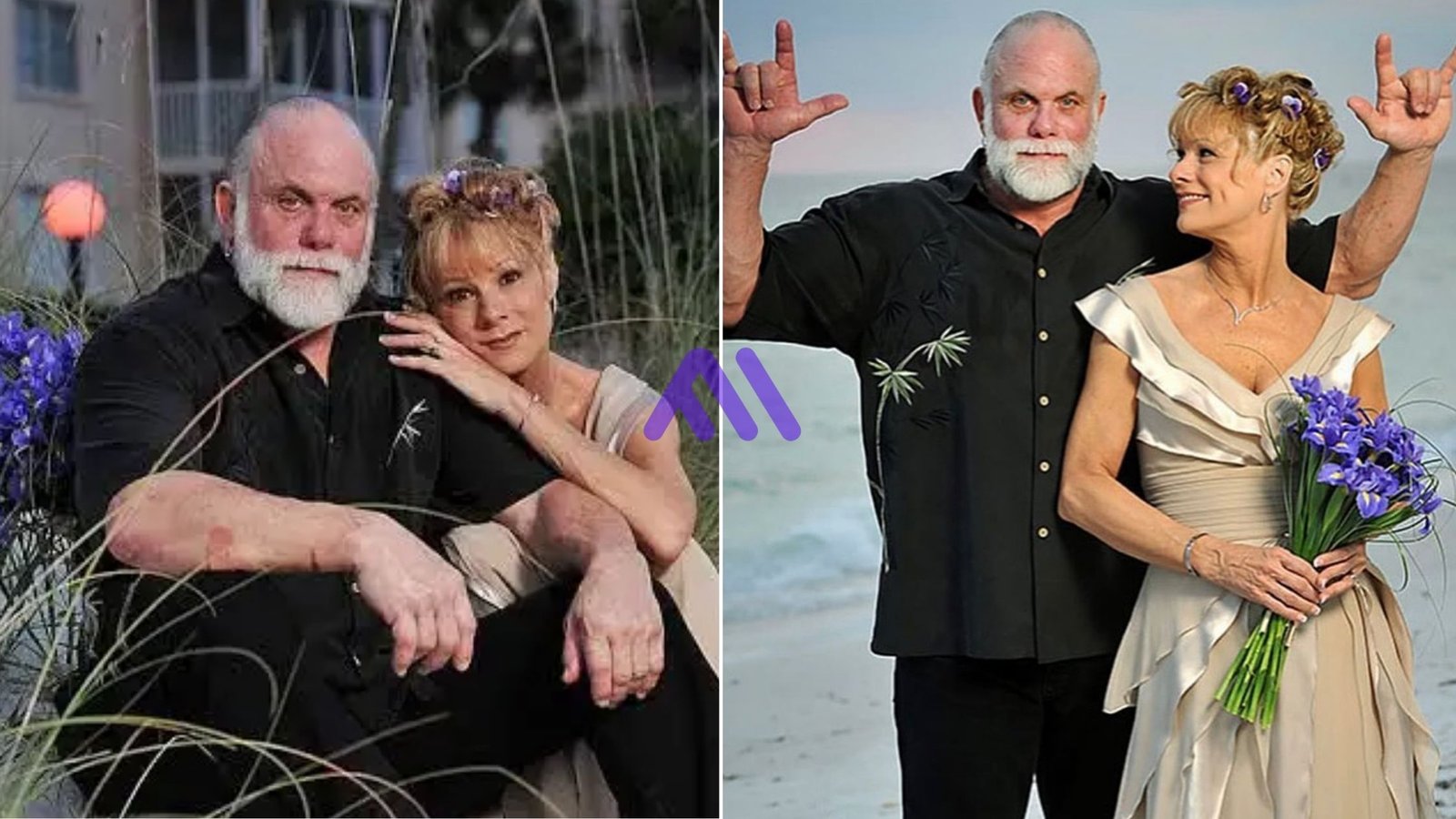
Lynn Payne: Inside the Life and Love Story of Randy Savage’s Wife