
Fashion
Fertility Assessment in Singapore: What Couples Can Expect

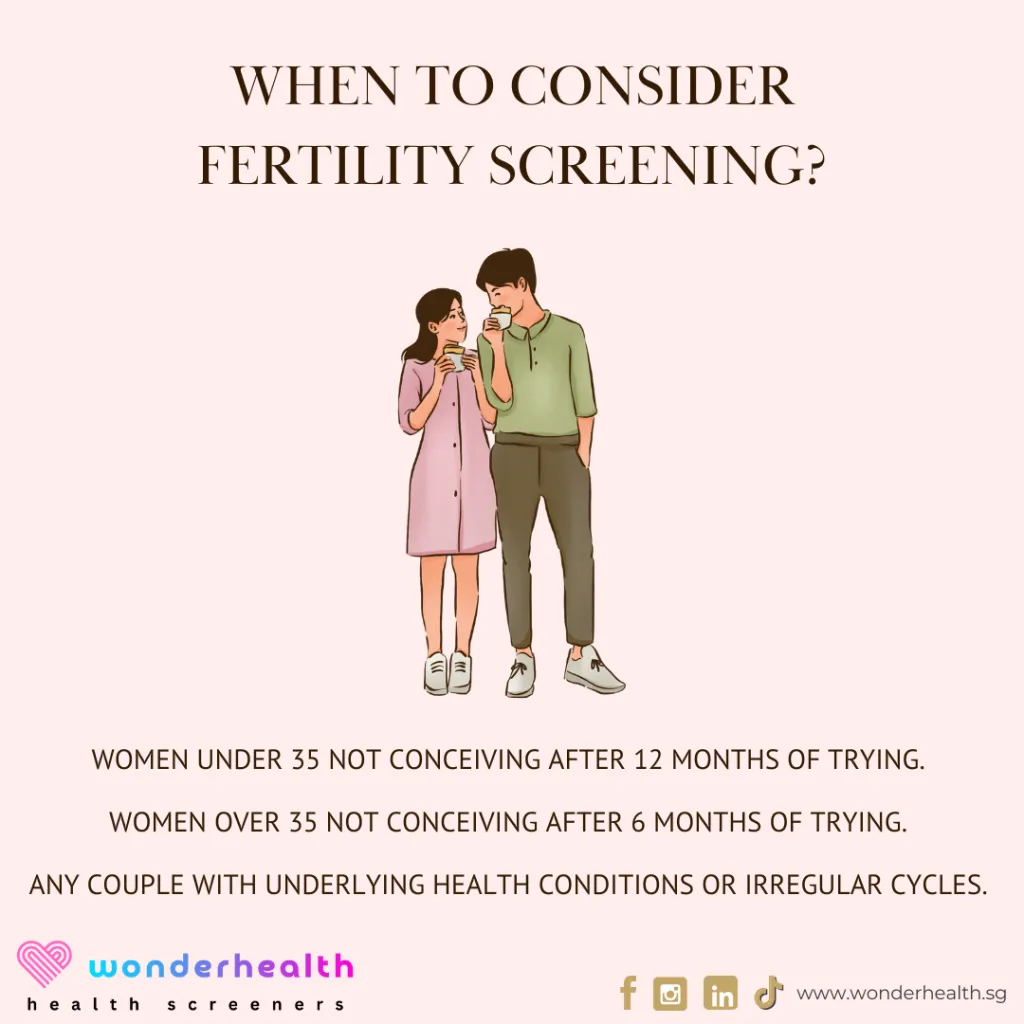
Fertility assessment helps couples understand why pregnancy may not be happening and what options may be suitable. It usually involves reviewing both partners, as fertility difficulties may be related to female factors, male factors, both partners, or may remain unexplained after initial testing.
Couples may consider fertility assessment if pregnancy has not occurred after a period of regular unprotected intercourse, or earlier if there are known medical concerns such as irregular periods, endometriosis, polycystic ovary syndrome, previous pelvic infection, recurrent miscarriage, or male fertility concerns.
When Should Couples Consider Fertility Assessment?
A common guide is to seek fertility assessment after 12 months of regular unprotected intercourse if the female partner is below 35 years old.
If the female partner is 35 years or older, assessment is often considered after 6 months of trying. Women over 40 may wish to seek advice earlier because fertility changes with age.
Earlier assessment may also be suitable if either partner has known risk factors that may affect fertility.
These may include:
- Irregular or absent periods
- Very painful periods
- Suspected endometriosis
- Polycystic ovary syndrome
- Previous pelvic infection
- Previous ectopic pregnancy
- Known fibroids or uterine conditions
- Previous ovarian surgery
- Recurrent miscarriage
- Previous chemotherapy or radiotherapy
- Known male fertility concerns
- Previous abnormal semen analysis
- Erectile or ejaculation concerns
- Testicular surgery, injury, or infection
Seeking assessment does not mean treatment must begin immediately. It can help couples understand their reproductive health and plan next steps.
Why Both Partners May Be Assessed
Fertility assessment usually involves both partners because pregnancy depends on several factors working together. These include ovulation, egg supply, sperm quality, fallopian tube function, the uterus, timing of intercourse, and general health.
If only one partner is tested, an important factor may be missed. For example, a female partner may ovulate regularly, but semen analysis may show a sperm-related issue. In another case, semen analysis may be normal, but fallopian tube blockage or ovulation concerns may be present.
Couple-based assessment can reduce delays and help guide treatment more clearly.
What Happens During the First Fertility Consultation?
The first consultation usually begins with a detailed discussion. A fertility doctor may ask about how long the couple has been trying, how often intercourse occurs, whether ovulation tracking has been used, and whether there have been previous pregnancies or miscarriages.
The doctor may ask about:
- Age of both partners
- Duration of trying to conceive
- Menstrual cycle pattern
- Period pain or heavy bleeding
- Previous pregnancies
- Miscarriage or ectopic pregnancy history
- Previous pelvic infections
- Past surgeries
- Medical conditions
- Medication and supplement use
- Sexual function and timing of intercourse
- Smoking, alcohol, and lifestyle factors
- Family history of reproductive or genetic conditions
- Previous fertility tests or treatment
Both partners should bring any previous reports, including blood tests, ultrasound scans, semen analysis results, surgery records, and fertility treatment records.
Female Fertility Assessment
Female fertility assessment may look at ovulation, ovarian reserve, fallopian tubes, uterus, ovaries, and hormone function.
The tests recommended depend on age, symptoms, menstrual cycle pattern, and previous medical history.
1. Menstrual and Ovulation Assessment
The doctor may ask whether periods are regular and whether ovulation is likely to be occurring. Regular cycles can suggest regular ovulation, but this is not always enough to confirm every detail.
Ovulation may be assessed using:
- Menstrual cycle history
- Ovulation predictor kits
- Basal body temperature charts, if already used
- Blood tests at specific cycle times
- Ultrasound monitoring in selected cases
Irregular or absent periods may suggest ovulation problems. Possible causes include polycystic ovary syndrome, thyroid conditions, raised prolactin, ovarian reserve changes, weight changes, stress, or other hormonal factors.
2. Ovarian Reserve Testing
Ovarian reserve testing gives information about the number of eggs remaining in the ovaries. It does not guarantee whether pregnancy will or will not happen, but it may help guide treatment planning.
Tests may include:
- AMH blood test
- Follicle-stimulating hormone testing
- Estradiol testing
- Antral follicle count on ultrasound
Ovarian reserve results should be interpreted with age, symptoms, and treatment goals. The doctor can explain what the result means and what it does not mean.
3. Pelvic Ultrasound
A pelvic ultrasound may be used to assess the uterus, ovaries, and pelvic structures. It can help identify conditions that may affect fertility or menstrual symptoms.
Ultrasound may assess:
- Ovarian appearance
- Antral follicle count
- Ovarian cysts
- Fibroids
- Endometrial polyps
- Uterine shape
- Thickness of the womb lining
- Signs that may suggest endometriosis or adenomyosis in selected cases
The ultrasound may be done through the abdomen or transvaginally, depending on the situation and patient suitability.
4. Fallopian Tube Assessment
The fallopian tubes allow the egg and sperm to meet. If the tubes are blocked or damaged, natural conception may be affected.
A fallopian tube test may be recommended if the couple has been trying for some time, if there is a history of pelvic infection, ectopic pregnancy, endometriosis, pelvic surgery, or if treatment planning requires tubal information.
Tests may include:
- Hysterosalpingogram
- Sonohysterography-based tubal test
- Laparoscopy in selected cases
The doctor will explain which test is suitable and what to expect before and after the procedure.
5. Uterine Assessment
The uterus may be assessed if there are symptoms or findings that suggest a structural issue.
Possible concerns include:
- Uterine Fibroids
- Endometrial polyps
- Uterine adhesions
- Congenital uterine shape differences
- Recurrent miscarriage
- Heavy or irregular bleeding
Assessment may involve ultrasound, saline infusion imaging, hysteroscopy, or other tests depending on the findings.
Male Fertility Assessment
Male fertility assessment is an important part of couple-based fertility testing. The main initial test is usually semen analysis.
1. Semen Analysis
Semen analysis assesses sperm and semen characteristics. It may review:
- Semen volume
- Sperm concentration
- Sperm movement
- Sperm shape
- Total sperm count
- Other semen parameters
The sample is usually collected after a short period of abstinence, based on clinic instructions. If the first result is abnormal, the doctor may recommend repeating the test because semen results can vary.
2. Medical History and Physical Review
The male partner may be asked about:
- Previous testicular infection
- Undescended testes
- Testicular injury
- Testicular surgery
- Varicocele
- Erectile or ejaculation concerns
- Fever or illness before testing
- Medication use
- Hormone-related symptoms
- Smoking, alcohol, or heat exposure
- Previous chemotherapy or radiotherapy
Further tests may be recommended if semen analysis is abnormal or if the history suggests a specific concern.
3. Additional Male Fertility Tests
Additional tests may include:
- Hormone blood tests
- Repeat semen analysis
- Sperm DNA fragmentation test in selected cases
- Scrotal ultrasound in selected cases
- Referral to a urologist or male fertility specialist where needed
Not every patient needs additional testing. The doctor will advise based on semen analysis and clinical findings.
Common Reasons Fertility Assessment May Find
Fertility assessment may identify one or more factors.
Possible findings include:
- Irregular ovulation
- Reduced ovarian reserve
- Fallopian tube blockage
- Endometriosis
- PCOS
- Fibroids or polyps affecting the uterine cavity
- Male factor fertility concerns
- Sexual function or timing issues
- Unexplained infertility
- Multiple contributing factors
In some couples, initial tests may not show a clear cause. This is sometimes called unexplained infertility. Treatment options may still be discussed based on age, duration of trying, and test results.
What Happens After the Test Results?
After results are available, the doctor will review the findings with the couple and discuss possible next steps.
Options may include:
- Continued trying with timing guidance
- Lifestyle and preconception advice
- Ovulation induction
- Follicle tracking
- Intrauterine insemination
- In vitro fertilisation
- Intracytoplasmic sperm injection in selected cases
- Surgery for selected uterine, tubal, endometriosis, or fibroid-related concerns
- Referral to another specialist where needed
- Fertility preservation discussion, where relevant
The recommended approach depends on the couple’s diagnosis, age, ovarian reserve, semen analysis, fallopian tube status, duration of trying, previous pregnancies, and preferences.
Lifestyle and Preconception Review
A fertility assessment may also include preconception advice. This does not replace medical treatment where needed, but it may support general reproductive health and pregnancy planning.
Topics may include:
- Folic acid supplementation
- Smoking cessation
- Alcohol reduction
- Healthy weight discussion
- Regular physical activity
- Sleep and stress management
- Medication review
- Vaccination status
- Chronic condition control
- Timing intercourse around ovulation
- Avoiding harmful exposures where relevant
Patients with diabetes, thyroid disease, autoimmune conditions, high blood pressure, epilepsy, or other medical conditions should discuss pregnancy planning with a doctor.
How to Prepare for a Fertility Assessment
Couples can prepare by bringing:
- Identification documents
- Menstrual cycle records
- Ovulation tracking records, if any
- Previous pregnancy or miscarriage records
- Previous blood test results
- Previous ultrasound reports
- Previous semen analysis results
- Previous surgery records
- Medication and supplement list
- Medical history summary
- Insurance or funding questions
- Questions for the doctor
It may also help to note how long the couple has been trying, how often intercourse occurs, and whether there are symptoms such as irregular periods, painful periods, heavy bleeding, pelvic pain, or sexual function concerns.
Fertility assessment in Singapore usually involves reviewing both partners, because fertility may be affected by female factors, male factors, both partners, or unexplained causes. The assessment may include medical history, menstrual and ovulation review, ovarian reserve testing, pelvic ultrasound, fallopian tube assessment, semen analysis, and additional tests where needed.
Couples may consider assessment after 12 months of trying if the female partner is below 35, or after 6 months if the female partner is 35 or older. Earlier assessment may be suitable for irregular periods, endometriosis, PCOS, previous pelvic infection, recurrent miscarriage, male factor concerns, or women over 40.
The results can guide next steps, such as timing advice, ovulation induction, IUI, IVF, surgery for selected conditions, or fertility preservation. Couples should ask about tests, treatment options, costs, funding, and follow-up before starting care.
This article is for general information only and should not replace medical advice from a qualified healthcare professional.
FAQ
What is included in a fertility assessment?
A fertility assessment may include medical history review, menstrual and ovulation assessment, blood tests, ovarian reserve testing, pelvic ultrasound, fallopian tube assessment, semen analysis, and further tests where needed.
Should both partners do fertility tests?
Yes, where possible. Fertility difficulties may involve female factors, male factors, both partners, or unexplained causes. Testing both partners can help guide treatment planning.
When should couples go for fertility assessment?
Couples may consider assessment after 12 months of regular unprotected intercourse if the female partner is below 35, or after 6 months if the female partner is 35 or older. Earlier review may be suitable if there are known fertility-related concerns.
What is a semen analysis?
A semen analysis checks semen and sperm factors such as volume, sperm concentration, movement, and shape. It is often part of initial fertility assessment for couples.
Is ovarian reserve testing the same as a fertility prediction?
No. Ovarian reserve testing gives information about egg numbers, but it does not guarantee whether pregnancy will or will not occur. Results should be interpreted with age, symptoms, and treatment goals.
What happens after fertility assessment results are reviewed?
The doctor may recommend timing advice, ovulation induction, IUI, IVF, surgery for selected conditions, further testing, or continued monitoring depending on the findings.


A red coat on a white background tells me something about colour. A red coat at the entrance to a windy market tells me something about a character. Perhaps its wearer is late, perhaps she has stopped to listen, or perhaps the street is the beginning of a longer journey. For a small fashion editorial, I would start with that second kind of question.
The concept would follow a fictional traveller through a covered market after a rain shower. I would sketch three moments: her arrival under an awning, a pause beside a closed flower stall, and her departure into brighter light. The clothing would remain the visual centre, but the surroundings would help explain why each movement happens.
Before considering any tools, I would decide what the story must communicate. The coat is a bold choice on an otherwise muted morning. It should feel connected to a person making ordinary decisions, rather than an object floating through attractive backgrounds. That simple idea would guide the camera, the pace, and the amount of activity behind the character.
The environmental approach described by Seedworld interests me here because it brings scenes, movement, sound, and events into a world-model concept. A fashion story depends on relationships among those things. A sudden breeze matters because someone turns toward it; a market sound matters because it interrupts a quiet moment. I would explore those relationships as a creative direction exercise before organising a physical shoot.
Begin with the coat’s role in the scene
I would give the garment a clear visual description without inventing product specifications. Deep red, a broad collar, and a long silhouette would be enough for the early storyboard. Claims about waterproofing, warmth, or fabric composition would come only from verified information about the real item. An imagined scene cannot establish how a coat performs when someone actually wears it.
The opening view would be relatively still. The traveller arrives at the edge of the awning, where the street light meets the darker interior of the market. Her choice to pause gives the viewer time to register the silhouette. If the camera moves too quickly, the garment becomes a passing accent rather than the reason for the shot.
Seedworld presents examples of material behaviour and human movement, including the relationship between fabric and wind. For this editorial concept, I would treat that as something to inspect carefully. Does the imagined movement support the intended mood? Does the shape remain recognisable? Neither answer would replace a stylist checking the real coat, its fit, or its construction.
Make the weather do one useful job
The breeze would have a specific purpose: it prompts the traveller to turn her collar and step farther under cover. I would avoid adding rain, flying papers, bright sunlight, and dramatic fog to the same moment. Each extra event competes for attention. A single environmental change gives the performer, camera, and garment a shared reason to move.
My first revision would adjust only the timing of that breeze. In one version it arrives before the traveller pauses; in another it arrives after she looks toward the closed stall. The difference is narrative. The first makes the environment seem to direct her movement. The second allows a private thought before the weather interrupts it.
A Seedworld exploration could help frame these alternatives, but its recorded homepage examples are not a live preview of my proposed shoot. I would review current capabilities and access before making production commitments. The brief would remain useful as written direction even if the generated version could not preserve the exact garment or execute the intended motion consistently.
Listen to the market without filling every silence
I imagine a shutter rattling somewhere off camera and distant footsteps under the covered walkway. Those sounds would locate the character without requiring a crowd of extras in every frame. I would leave out recognisable commercial music at this stage. The story needs an atmosphere, and an original, uncomplicated sound direction would keep attention on the brief.
Seedworld describes native sound connected to events, which raises a practical editorial question: does the audio make the place feel continuous as the viewpoint changes? I would compare the imagined sound direction with the visual sequence. A sudden increase in crowd noise could imply that the market has opened, even if every visible stall remains closed.
For the final production, any soundtrack and recorded location audio would receive their own rights and quality checks. The early concept would not decide those details by default. I would also prepare captions or a short written scene description so that the central idea survives when the sequence is watched without sound.
Keep a reference beside every revision
My review sheet would hold the original garment description, a simple market plan, and the three intended story beats. I would compare each revision against those references. Has the collar changed? Has the flower stall moved? Is the traveller still carrying the same bag? Small inconsistencies can make a fashion sequence feel less deliberate even when individual frames are attractive.
Seedworld’s discussion of evolving environments is useful for thinking about continuity, but it is not a guarantee of exact product reproduction. I would never present an invented button, seam, or label as a feature of merchandise for sale. If the real coat needs to be shown accurately, approved photography and an actual fitting remain part of the production plan.
The proposed sequence would end as the traveller leaves the awning and the light softens across the coat. There is no need for a dramatic reveal. The closing image should answer the opening idea: this is a person continuing through a morning, with a garment that helps express her presence rather than overwhelms it.
Bring a manageable brief to the shoot
I would take the concept to a photographer as a discussion document, with clear notes about what is imagined and what must be achieved on location. Weather, permissions, crew time, and the comfort of the performer need practical planning. An appealing simulation does not secure a market entrance or make a wet pavement safe.
What I want from a Seedworld concept is a sharper conversation about creative choices. The red coat, the pause, and the change in weather should all belong to the same small story. If the team can explain why those elements are there, the exploration has done useful work before the first real photograph is taken.

A patterned scarf can disappear into a fashion photograph when everything around it demands attention. A glossy bag, several pieces of jewellery, and a dramatic background may all look attractive individually, yet leave the fabric with no clear role. For a proposed editorial still life, I would give one blue scarf the center of the image and build the composition around the way it folds over a plain wooden chair.
I would begin with a fictional scarf design rather than copy a recognisable brand pattern. Broad blue shapes on a cream ground would give me enough contrast to study the drape without filling the frame with fine detail. The image would be an exploration of styling, not a photograph proving the appearance or quality of a real item for sale.
Let the fold establish the composition
The chair would stand at an angle, with the scarf draped over its back and one end resting on the seat. That arrangement creates a simple path for the eye to follow. I would keep the rest of the scene almost empty: a pale wall, a little floor, and soft light from a window outside the frame. The scarf’s shape would carry the interest.
Fabric that looks stiff would undermine the whole idea. I would describe a light woven scarf with soft folds, a narrow edge, and a slightly translucent area where the light catches a lifted corner. These are visual intentions rather than claims about an actual textile. The first draft would tell me whether the arrangement is readable enough to develop.
The contrast between a soft scarf and a firm chair gives Seedream 6.0 a concrete image brief to work with. Its text-to-image workflow can help explore the initial still life, while image editing provides a way to revise the selected composition. My attention would stay on the fabric, light, and framing, with any editorial headline added separately after the image is chosen.
Choose a palette that leaves room for texture
I would pair the blue pattern with warm, pale wood rather than another strong color. The chair should support the scarf visually without becoming a second fashion statement. A grey background might make the blue feel colder; a cream wall could make the same scarf feel gentler. I would choose one direction before adding small accessories.
For the first Seedream 6.0 variation, I would keep the scarf pattern broad and ask for a little visible weave in the lighter areas. Too much texture could make the cloth look rough, while an entirely smooth surface might resemble plastic. I would judge the result at ordinary viewing size, where the overall impression matters more than microscopic detail.
If the pattern changes unpredictably across a fold, I would simplify it further. A few broad curved bands would be easier to inspect than a dense floral print. The exercise is about presenting an imagined textile convincingly, not reproducing a precise manufactured design. For a real product, verified photographs would still be necessary to show its actual pattern and construction.
Add one object only if it earns its place
A small ceramic bowl on the floor could introduce another quiet shape, but I would test the image without it first. Empty space is doing useful work here. It makes the scarf easier to see and gives a magazine layout room to breathe. Adding objects simply because the scene feels sparse could turn a focused still life into a cluttered shopping arrangement.
My next Seedream 6.0 edit might therefore remove an object rather than add one. If the first generation invents a vase behind the chair, I would request a plain wall while preserving the scarf’s position and the direction of the light. I would compare the revised version with the original to check that the removal has not changed the chair’s proportions.
The chair itself would need inspection. Its legs should meet the floor sensibly, its back should have a coherent structure, and the scarf should pass over it rather than merge into it. These ordinary relationships make the image feel considered. A beautifully lit scene can still look wrong when the fabric appears to float through a solid object.
Change the light to change the mood
Once the arrangement is clear, I would explore a second lighting direction. The first image would have broad, soft daylight. The alternative might have a narrower patch of late-afternoon light across the chair seat, leaving the wall subdued. I would keep both as still-image studies and compare how each one affects the visibility of the blue pattern.
In Seedream 6.0, the revision would specify the new light while retaining the chair and scarf arrangement. I would avoid changing the wall color, fabric, camera angle, and light all at once. A smaller change gives me a better chance of understanding why one version works. If the strong sunlight destroys the pale fabric detail, the softer original may be the more useful editorial choice.
I would also look at the shadows beneath the scarf. They should suggest that the fabric has weight and touches the seat in some places. A dark outline around every edge would feel artificial. The aim would be a gentle separation between cloth and chair, with enough variation to reveal the folds without making them look sharply sculpted.
Prepare the image for a real page
The chosen composition would move into a layout document for its final crop. I would place a temporary headline near the quieter side of the frame and check whether it interrupts the scarf. A narrow portrait crop might suit a fashion feature opener, while a square crop could work for a preview image. Neither should remove the fold that gives the composition its shape.
A final Seedream 6.0 revision would be justified if the crop reveals a genuine problem, such as too little space above the chair. Otherwise, I would finish with ordinary layout adjustments. Generating another image is not always the best way to solve a typography or margin issue. Keeping the original selected image intact also makes it easier to compare alternatives honestly.
I would label the result as a styling concept and avoid attaching invented brand names, prices, or fabric specifications. The last review would check the scarf edges, chair structure, and pattern continuity, followed by a small-screen preview. Seedream 6.0 would have helped develop and refine the visual idea; the finished still life would succeed through restraint, with one piece of imagined fabric given enough space to be noticed.

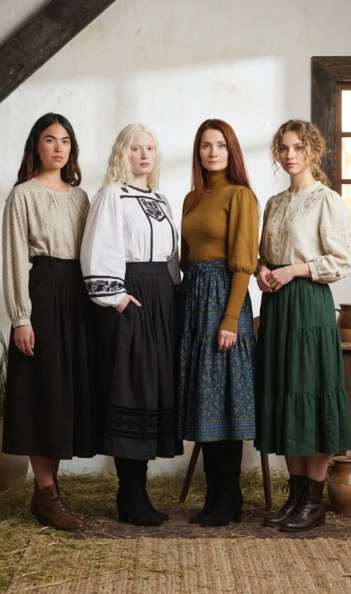
Autumn wardrobes tend to default to brown, burgundy and mustard. Green is the season’s quieter option, the colour of moss on stone and the forest floor after rain, and it is one of the easiest shades to wear. A green skirt behaves almost like a neutral: it pairs with nearly everything already in a cold-weather wardrobe and still looks like a deliberate choice. Three versions are worth knowing.
Moss: the deep, earthy one
A moss green skirt is the most autumnal of the three. The shade is dark, saturated and slightly yellow-based, and it does the same job as navy or chocolate brown. Pair it with cream knits and chestnut leather for a soft look, with black for sharper contrast, or with burgundy and rust for a traditional seasonal palette.
Moss also loves texture. Chunky cable knits, tweed jackets and embroidered blouses all sit well against it. Midi and maxi lengths work best with boots.
Sage: the soft, grey one
Sage is lighter, cooler and greyed. Many people file it under spring, but in autumn it looks lovely with oatmeal, ivory, taupe, grey and soft brown.
Asage green maxi skirt in linen or cotton is a good transitional piece. Wear it with tights or a slip underneath, ankle boots, an oversized cream jumper half-tucked at the front and a wool coat on top. Because the colour is pale, give the outfit weight through texture: a heavy knit, a leather belt, suede boots. Ivory is kinder to sage than stark optical white, which can make it look washed out.
Corduroy: the texture of the season
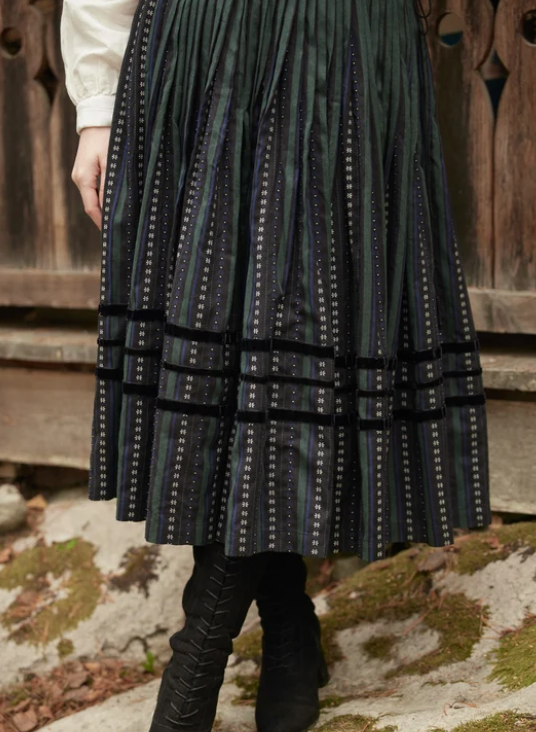
Corduroy is cotton woven with raised ridges called wales. Wide wale looks casual and a little retro. Fine needlecord is smoother and dressier. The fabric is warm and hard-wearing, and it takes dye deeply, which is why green looks so rich in it.
A green corduroy skirt may be the most practical autumn skirt there is: sturdy enough for daily wear, warm with tights and better with age. An A-line or gathered midi is the most versatile cut. Keep the top half smooth, with a fine-gauge knit or a cotton blouse, and let the ridges provide the texture.
Colours that love green
- Cream and ivory: fresh and safe.
- Chestnut, camel and chocolate: the most natural partners.
- Burgundy and plum: rich and slightly folkloric.
- Mustard and rust: the full autumn palette, best as a single accent.
- Black: graphic and urban.
- Denim and navy: relaxed, good for weekends.
Shoes, tights and proportions
With a maxi skirt, choose ankle boots with a low heel or lace-up boots, and check that the hem clears the ground. With a midi, knee-high boots that disappear under the hem give a long, continuous line. Loafers with ribbed tights are the alternative for milder days.
Opaque tights in brown, black, burgundy or forest green all work. Wool tights make skirts wearable well into winter.
A full skirt needs a defined top. Tuck the jumper in at the front, add a belt, or choose a cropped cardigan or a fitted bodice so the waist does not get lost.
Three outfits to copy
- Weekend market: moss corduroy midi skirt, cream cable-knit jumper, chestnut ankle boots, wool scarf.
- Office: sage maxi skirt, black fine-knit turtleneck, tailored blazer, black boots.
- Folk-inspired: moss skirt, white embroidered blouse, laced bodice or waistcoat, lace-up boots.
Fabric and care
Look for natural fibres. Linen and cotton breathe and layer well over tights. Wool blends add warmth. Wash corduroy inside out in cool water and never iron the pile directly. A steamer or a damp cloth on the reverse will lift it back. Linen skirts can be ironed while still slightly damp, or left with their natural texture, which suits the relaxed mood of the season.
Green is easy to live with from September to the end of November. Start with the shade closest to what you already own, moss if your wardrobe is dark and sage if it is pale, and build outwards from there.

5 Industries That Should Start Exploring Quantum Key Distribution Today

Best AI Chatbot for Humanlike Writing: Blogs, Emails and Social Posts

From Dalmatian Spots to Bubblegum Pink: A Custom Latex Catsuit Brief

The Real Cost of Mud: Why Cleaning Vehicles at the Gate Pays for Itself

Best Place to Buy Business Laptops in Bulk in the UK

Who Is Indiana Urban? Inside the Life of Karl Urban’s Son and Rising Actor

Jennifer Seyfried: All About Amanda Seyfried’s Sister, Her Life and Career

Who Is Zachary Hudson? Inside the Private Life of Cindy Williams’ Son

Who Is Stephen G. Walker? All About PinkPantheress’ Father and His Academic Career

Cynthia Womack Biography: The Life, Career, and Legacy of Connie Britton’s Twin Sister
Who Is Indiana Urban? Inside the Life of Karl Urban’s Son and Rising Actor
Jennifer Seyfried: All About Amanda Seyfried’s Sister, Her Life and Career
Who Is Zachary Hudson? Inside the Private Life of Cindy Williams’ Son
Who Is Stephen G. Walker? All About PinkPantheress’ Father and His Academic Career
Cynthia Womack Biography: The Life, Career, and Legacy of Connie Britton’s Twin Sister
-
Biography9 months ago
Who Is Indiana Urban? Inside the Life of Karl Urban’s Son and Rising Actor
-
Biography8 months ago
Jennifer Seyfried: All About Amanda Seyfried’s Sister, Her Life and Career
-
Biography8 months ago
Who Is Zachary Hudson? Inside the Private Life of Cindy Williams’ Son
-
 Biography7 months ago
Who Is Stephen G. Walker? All About PinkPantheress’ Father and His Academic Career
-
Biography9 months ago
Cynthia Womack Biography: The Life, Career, and Legacy of Connie Britton’s Twin Sister
-
 Biography8 months ago
Lynn Payne: Inside the Life and Love Story of Randy Savage’s Wife
-
 Biography8 months ago
Who is Lynn Levesque? Everything to Know About Triple H’s Sister
-
 Biography9 months ago
Who Was Gretchen Knauff? The Private Life of Jennifer Coolidge’s Mother