
Home & Garden
Why Tankless Water Heaters Are Changing the Way We Think About Hot Water

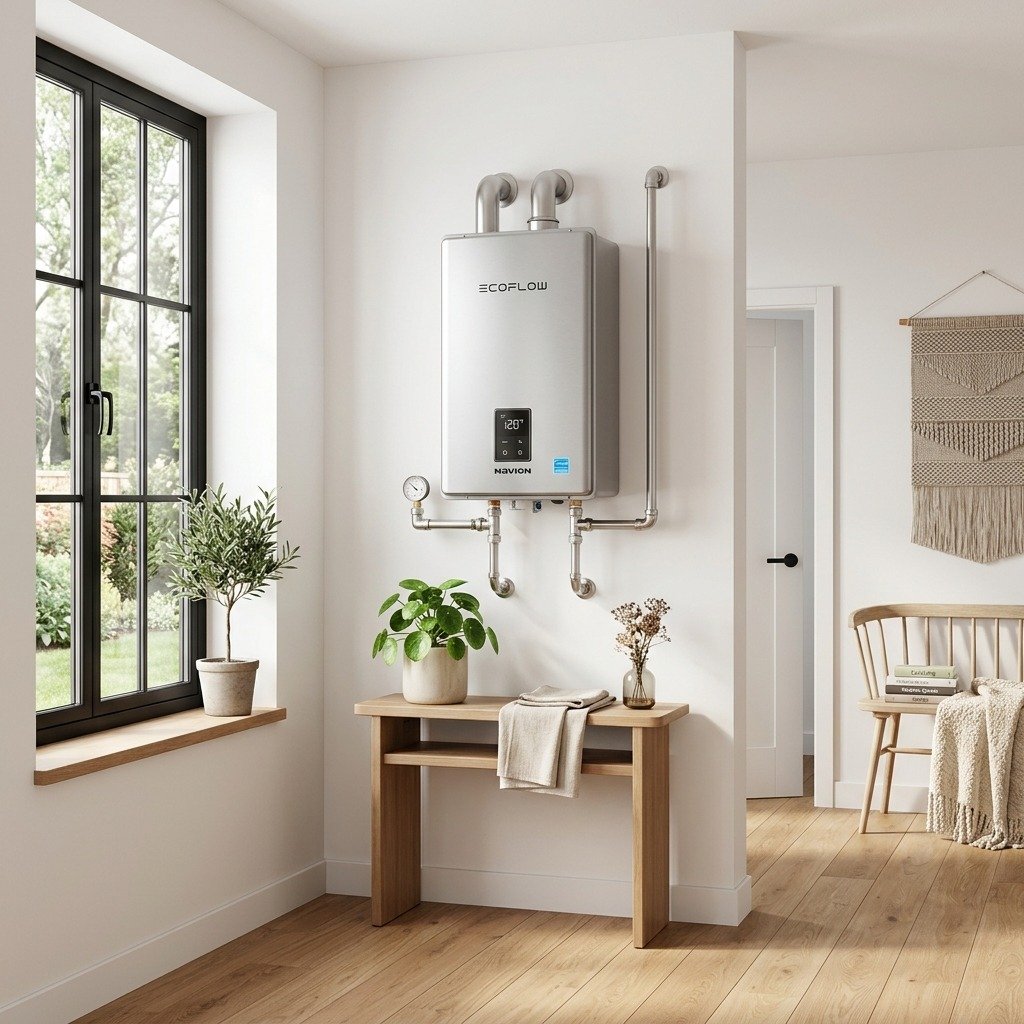
Hot water is one of those things you never think about—until you don’t have it. A cold shower at 6 AM has a way of making you reconsider every decision you’ve ever made about your home’s plumbing. The good news? There’s a better way to heat your water, and more homeowners are making the switch every year.
Tankless water heaters have moved from a niche upgrade to a mainstream home improvement priority. And once you understand what they actually do—and what they save you—it’s easy to see why.
What Makes Tankless Water Heaters Different?
Traditional water heaters store 40 to 80 gallons of water in a tank, keeping it heated around the clock whether you need it or not. That constant energy use adds up fast. Tankless systems work differently. They heat water on demand, only activating when you turn on a tap or run the shower.
No tank. No standby heat loss. No waiting for a 50-gallon tank to refill and reheat after the morning rush.
The result is a system that delivers a continuous flow of hot water while consuming significantly less energy. According to the U.S. Department of Energy, tankless water heaters can be 24–34% more energy-efficient than conventional storage tank models for homes that use 41 gallons or less of hot water daily.
The Real Benefits Homeowners Are Experiencing
Endless Hot Water, On Your Schedule
One of the most immediate changes homeowners notice after switching is the consistency. No more rationing hot water between family members. No more timing your shower around the dishwasher. Tankless systems deliver hot water for as long as you need it—whether that’s a 10-minute shower or back-to-back loads of laundry.
Lower Energy Bills, Month After Month
Because tankless units only fire up when hot water is actually needed, they eliminate the standby energy loss that plagues traditional tanks. For many households, this translates to a noticeable reduction in monthly utility costs. Over the lifespan of the unit, those savings compound significantly.
More Space, Better Use of Your Home
A standard water heater tank is bulky. It occupies a dedicated corner of your garage, basement, or utility closet. Tankless units are compact—typically wall-mounted—and free up that square footage for storage or simply a cleaner, more organized space.
A Longer Lifespan Than You’d Expect
Traditional water heaters typically last 10 to 13 years. Tankless models, when properly maintained, routinely last 20 years or more. That extended lifespan means fewer replacements, less waste, and a lower long-term cost of ownership.
Is a Tankless Water Heater Right for Your Home?
The short answer: for most households, yes. But a few factors are worth considering before making the switch.
Household size and water usage play the biggest role. A single-point-of-use tankless unit works well for a small apartment or a single bathroom. Larger homes with multiple bathrooms running simultaneously may benefit from a whole-home unit or multiple units installed in parallel.
Gas vs. electric is another consideration. Gas-powered tankless heaters tend to deliver higher flow rates, making them better suited for larger households. Electric models are easier to install and are a strong choice for smaller homes or supplemental applications.
Upfront cost vs. long-term savings is the trade-off most homeowners weigh. Tankless units cost more to purchase and install than traditional tanks. However, the combination of lower energy bills, reduced maintenance, and a longer lifespan means the investment pays off over time—often within 5 to 7 years for an average household.
What the Installation Process Actually Looks Like
A professional installation typically takes a few hours and involves assessing your home’s existing gas lines or electrical capacity, selecting the right unit size for your usage, and safely removing your old system. A licensed plumber ensures the unit is sized correctly for your flow rate needs and that all connections meet local code requirements.
Trying to cut corners on installation is where homeowners run into trouble. An undersized unit will struggle to keep up with demand. An improperly vented gas unit poses safety risks. Getting the job done right the first time saves both money and headaches down the road.
Making the Switch With Confidence
Tankless Water Heaters bring a meaningful combination of long-term energy savings, continuous hot water delivery, and reduced environmental impact that makes them one of the most practical home upgrades a homeowner can choose for lasting comfort and efficiency.
Magnum Plumbing Company Inc. provides professional tankless water heater installation, replacement, and maintenance services for homeowners who want reliable hot water without the inefficiency of an aging tank system. From helping you select the right unit for your home’s specific needs to handling every detail of the installation, the team is committed to delivering results that last.
If your current water heater is aging, underperforming, or simply costing too much to run each month, now is a great time to explore what a tankless system can do for your home.
Frequently Asked Questions About Tankless Water Heaters
How long does it take to install a tankless water heater?
Most installations are completed within 2 to 4 hours, depending on the complexity of your home’s existing plumbing and whether a gas line upgrade or electrical panel adjustment is required.
Will a tankless water heater work during a power outage?
Gas-powered tankless water heaters require electricity to ignite and operate their controls, so they will not function during a power outage without a backup power source. Electric models are also affected by outages.
How often does a tankless water heater need maintenance?
Most manufacturers recommend annual maintenance, which typically involves flushing the system to remove mineral buildup. In areas with hard water, more frequent maintenance may be necessary to maintain peak performance.
Can a tankless water heater supply hot water to an entire house?
Yes. A properly sized whole-home tankless unit can handle multiple simultaneous hot water demands. A licensed plumber can assess your household’s peak usage to recommend the right unit capacity.
What is the average lifespan of a tankless water heater?
With regular maintenance, tankless water heaters commonly last 20 years or more—roughly double the lifespan of a conventional storage tank water heater.
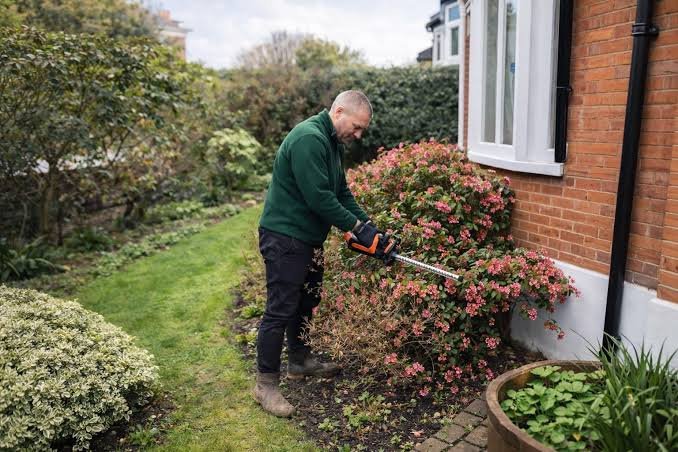
A healthy, usable garden is rarely the result of one dramatic weekend of work. Regular mowing, pruning, soil care and seasonal checks are easier to sustain when tasks reflect the garden’s actual conditions. Orpington homeowners can make maintenance more predictable by identifying priorities before booking help.
A Realistic Example
A homeowner inherits a garden with an overgrown lawn, crowded shrubs and a shaded border. Instead of cutting everything back immediately, they make a staged plan that protects established plants and addresses access first.
Survey the garden before starting
Identify lawns, beds, trees, boundaries and access routes. Note drainage problems, shaded areas and plants that may need specialist care. Practical requirements vary between customers and properties. Ask questions before assuming that a standard solution fits every case, and make sure the proposed work reflects the actual circumstances rather than a generic checklist. In practice, this step works best when expectations are agreed in advance and the outcome can be checked without guesswork.
Prioritise safe access
Clear paths and remove obvious trip hazards before cosmetic work. Heavy branches, unstable trees and electrical hazards call for qualified help. Clear communication matters as much as the technical task. Explain what will be checked, which limitations remain and what information the customer should provide so that the next stage can proceed without avoidable confusion. In practice, this step works best when expectations are agreed in advance and the outcome can be checked without guesswork.
Match mowing to growth
Grass growth changes with weather and season. Avoid removing too much height in one cut, and adjust mowing to ground conditions. Where specialist judgement is required, seek competent help rather than relying on an improvised fix. A short-term improvement is not always proof that the underlying problem has been resolved. In practice, this step works best when expectations are agreed in advance and the outcome can be checked without guesswork.
Handle lawn edges carefully
Defined edges can make a garden look maintained, but cutting too close to trunks or exposed roots can cause damage. Keep relevant records, including dates, agreed scope and observations. Documentation makes repeat issues easier to understand and gives everyone a common reference if arrangements or requirements change. In practice, this step works best when expectations are agreed in advance and the outcome can be checked without guesswork.
Plan pruning by plant type
Different shrubs flower and grow at different times. Identify plants before pruning and avoid indiscriminate hard cuts that may remove next season’s growth. Consider safety and the people affected before proceeding. A task that seems minor can create additional risk when access, equipment or site conditions are unsuitable. Adjust the plan when evidence points to a problem. In practice, this step works best when expectations are agreed in advance and the outcome can be checked without guesswork.
Check for nesting wildlife
Before hedge cutting or major vegetation clearance, inspect for active nests and follow applicable wildlife protections. Delay disruptive work when necessary. An effective process should be proportionate to the likely benefit. Do not pay for unnecessary work, but avoid delaying essential checks merely because a fault is not yet causing a visible disruption. In practice, this step works best when expectations are agreed in advance and the outcome can be checked without guesswork.
Improve soil gradually
Mulch and appropriate organic matter can help some beds retain moisture and support soil structure. Avoid adding products without understanding the soil and plants. Review the result against the original objective. If the outcome is uncertain, ask what evidence would confirm success and what signs should trigger follow-up. This creates a practical path to improvement. In practice, this step works best when expectations are agreed in advance and the outcome can be checked without guesswork.
Manage weeds sustainably
Early removal reduces the chance of weeds setting seed. Select methods appropriate to the planting area, pets and surrounding environment. Start by recording the current situation and identifying who is responsible for the decision. A written baseline makes later comparisons easier and prevents a routine check from being forgotten when other priorities arise. In practice, this step works best when expectations are agreed in advance and the outcome can be checked without guesswork.
Assess drainage and water use
Standing water may reflect compaction, grading or deeper drainage issues. Watering schedules should respond to soil moisture rather than a rigid calendar. Practical requirements vary between customers and properties. Ask questions before assuming that a standard solution fits every case, and make sure the proposed work reflects the actual circumstances rather than a generic checklist. In practice, this step works best when expectations are agreed in advance and the outcome can be checked without guesswork.
Choose realistic visit frequency
A large lawn and fast-growing hedges may need more frequent visits than a small courtyard. Agree on tasks and seasonal adjustments. Clear communication matters as much as the technical task. Explain what will be checked, which limitations remain and what information the customer should provide so that the next stage can proceed without avoidable confusion. In practice, this step works best when expectations are agreed in advance and the outcome can be checked without guesswork.
Discuss waste removal
Clarify whether cuttings, branches and other green waste will be removed or composted on site. Confirm any extra charges. Where specialist judgement is required, seek competent help rather than relying on an improvised fix. A short-term improvement is not always proof that the underlying problem has been resolved. In practice, this step works best when expectations are agreed in advance and the outcome can be checked without guesswork.
Keep a simple seasonal plan
Record completed work and future priorities. A practical schedule prevents repeated emergency tidy-ups and protects the garden’s long-term condition. Keep relevant records, including dates, agreed scope and observations. Documentation makes repeat issues easier to understand and gives everyone a common reference if arrangements or requirements change. In practice, this step works best when expectations are agreed in advance and the outcome can be checked without guesswork.
Making an Informed Choice
People researching Gardener orpington should compare providers on relevant experience, clear scope and realistic terms rather than relying only on a headline price or marketing claim. The appropriate approach depends on the actual need and should be explained before any significant commitment.
A Practical Final Check
Before arranging garden maintenance Orpington, confirm the service being requested, the details the provider needs and how completion will be verified. Keep a record of the agreed terms and any follow-up recommendations. Good decisions come from accurate information and proportionate action, not unsupported guarantees.
Conclusion
A structured process helps reduce avoidable problems while giving customers a clearer understanding of what to expect. Whether the task involves maintenance, transport or digital marketing, sound preparation and reliable communication support better outcomes.

You’ve spent months dragging yourself through interior updates. The walls have fresh paint, the carpets are clean, and you finally replaced that kitchen tap that sounded like it was gargling gravel every time you turned it on.
Then, a potential buyer pulls up, takes one look at your front garden, and immediately starts calculating how many thousands they can knock off their offer.
So, before you stick a ‘For Sale’ sign out front, let’s talk about why the outside of your home deserves just as much love as the inside.
Improving First Impressions
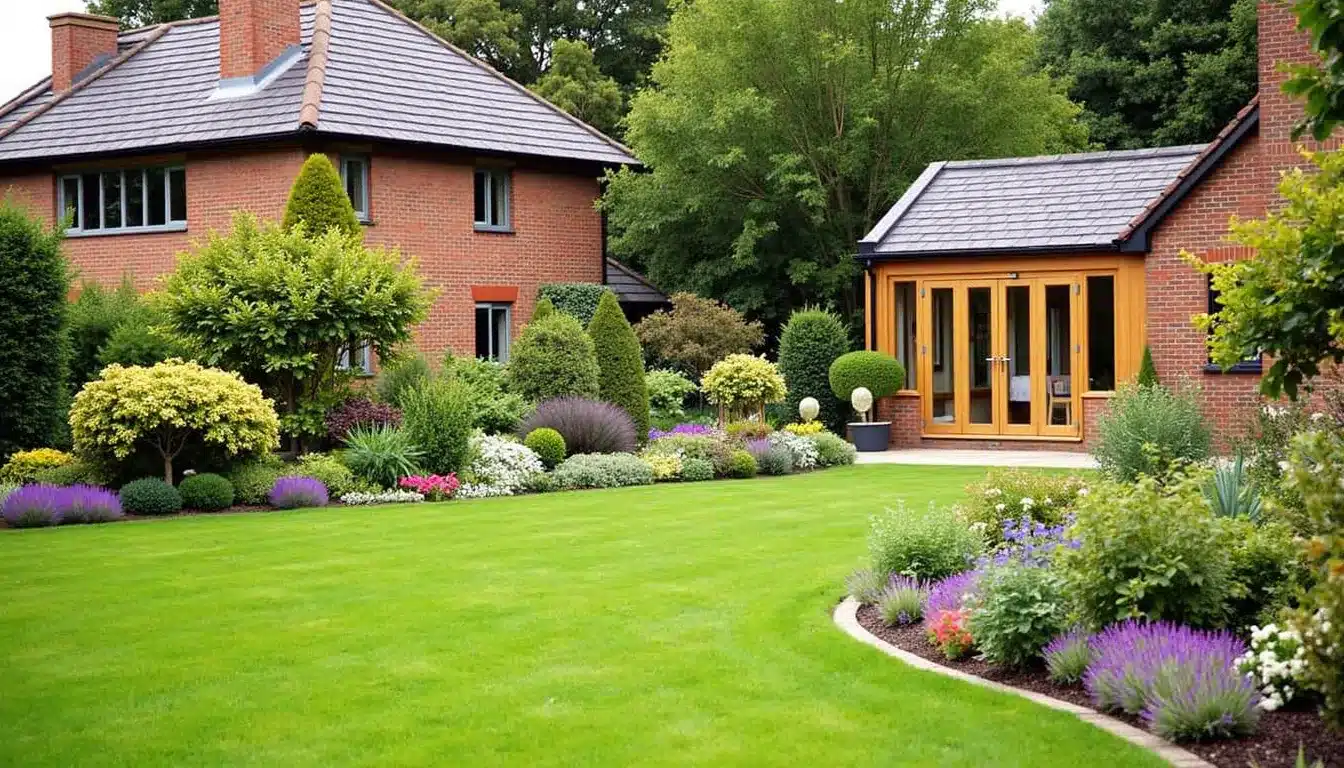
Your garden is the opening line of your property’s sales pitch, and first impressions form fast. When someone walks up to a neatly edged lawn, trimmed hedges, and a clear path, they assume the rest of the house has been looked after with the same level of care.
On the other hand, if the outside looks neglected, buyers will start wondering what else has been left to slide. That cracked paving slab becomes evidence of deeper structural issues, and that bramble poking through the fence suddenly suggests years of negligence.
You don’t need topiary sculptures or a water feature to make a good impression. Just keep the lawn cut, the edges neat, and the path clear of weeds.
These are small jobs that take an afternoon, but they shape how people feel about your entire property within the first 10 seconds.
Making Your Outdoor Space More Usable
A garden that looks like a nature reserve might be great for local wildlife, but it won’t help you sell a house. Buyers want to imagine themselves using the space, and that’s hard to do when you can’t see the patio because of the brambles.
So, think about how your garden functions, not just how it looks. Can someone walk across the lawn without hiking boots? Do you have a clear spot for a table and chairs, or does setting up a deckchair require a machete and hours of hacking at overgrown vegetation?
If you’ve got a decent-sized outdoor space, play to its strengths. A usable garden in Croydon is a genuine selling point, especially when so many properties in South London are competing for attention with little more than paved yards.
Protecting the Property
Neglected outdoor spaces can cause real problems for the structure of your home, and those issues tend to pop up at the worst possible moment.
Overgrown trees and shrubs pushing against walls or rooflines can crack render, lift roof tiles, and block gutters until they overflow. On the other hand, roots from large trees can interfere with foundations and drainage.
Blocked drains are another classic. Leaves, moss, and debris build up until one heavy downpour sends water pooling against your walls instead of flowing away. And once moisture gets into your brickwork, you’ll be looking at eye-watering repair bills.
Then there are fences and boundaries. A leaning fence panel or a gate that doesn’t close properly might not bother you, but a buyer will see it as one more thing they’ll have to sort out.
Making Your Garden Sale-Ready
If you’re gearing up to sell your home, your garden doesn’t need to win any awards. It just needs to look clean, cared for, and easy for someone else to take over without renting a strimmer and a skip.
Tidy and Repair the Essentials
Start with the basics that buyers will clock straight away. Mow the lawn, pull the weeds, prune any overgrown patches, and clear out dead plants or debris that make the space look abandoned.
Then, check your boundaries. Wobbly fence panels, broken gate latches, and cracked paving all scream ‘maintenance backlog’ to anyone viewing the property. Fix them before the first viewing, because buyers usually subtract repair costs from their offer.
If the jobs feel like too much to tackle on your own, professional garden maintenance Croydon companies can get through everything in a day or two.
You’ll save yourself a few weekends of hard graft and end up with a tidier result than most of us would manage armed with a pair of rusty secateurs.
Show It at Its Best
A well-maintained garden won’t help your listing stand out if the photos look like they were taken during a power cut in November. So, photograph the space in good natural light and clear away anything that clutters the view.
Move the bins, tuck away the hosepipe, and resist the urge to leave your gardening gloves draped artistically over the fence. You want your garden to look like a place where someone would sit with a glass of wine, not a storage area for knickknacks you couldn’t fit in the shed.
Also, include enough photos to show the full layout and any mature plants or features worth highlighting. Finally, keep the description honest. ‘South-facing with established borders’ is a selling point. ‘Potential to be lovely’ is estate agent code for ‘bring a machete.’
Use Improvements to Support Your Asking Price
A bit of maintenance won’t automatically add the exact amount you spent back onto your property’s value. This is why treating every bag of compost as a financial investment is a recipe for disappointment.
But a well-presented garden does remove one of the easiest reasons for buyers to negotiate your price down. If someone walks around the outside and can’t find anything obvious to complain about, they’ve got fewer cards to play when it comes to making a lower offer.
Think of it as part of the bigger picture. A tidy garden, clean windows, and a well-maintained interior all work together to justify your asking price. No single element does the heavy lifting on its own, but together they tell a buyer that this property has been looked after properly.
Conclusion
Your garden has been shaping how people see your property since the day you moved in. The good news is that getting it into shape doesn’t require a huge budget or specialist knowledge.
So, grab the mower, sort the fence, and let the outside of your home attract buyers for you. You’ve already done the hard work indoors. This is another easy win you don’t want to skip.

Walking through a garden center can feel overwhelming. With endless rows of shrubs, flowers, and trees, how do you decide what belongs in your yard? Picking the wrong plants often leads to wasted money and dead foliage. However, with a solid plan, you can create a thriving landscape that boosts curb appeal and provides enjoyment for years.
This guide breaks down the essential steps to selecting greenery that fits your environment, style, and maintenance ability. By understanding your space and what plants need to survive, you can build a garden that flourishes.
Assess Your Site Conditions
Before buying a single seed or sapling, you must understand the environment where they will live. Plants have specific needs, and ignoring them usually leads to failure.
Sunlight Availability
Observe how the sun moves across your property. Areas that receive six or more hours of direct sun are considered “full sun.” Locations with three to six hours have “partial shade,” while spots with less than three hours of direct light are “full shade.” Buying a shade-loving hosta for a sun-drenched corner will scorch its leaves, while putting a rose bush in deep shade will result in poor blooms and disease.
Soil Quality
Your soil type dictates how water drains and what nutrients are available. Clay soil holds water but can suffocate roots if it gets too compacted. Sandy soil drains quickly but might not retain enough moisture or food for hungry plants. You can improve most soil with compost, but choosing species adapted to your native ground is always easier.
Hardiness Zones
The USDA Plant Hardiness Zone Map is a critical tool. It divides regions by their average minimum winter temperature. Ensure any perennial, shrub, or tree you select is rated for your specific zone. If you choose a tropical plant for a northern climate, it will not survive the winter outdoors without significant protection.
Define the Purpose of Your Plants
Every plant in your landscape should have a job. Knowing what you want to achieve helps narrow down the massive selection available.
Creating Privacy and Screening
If your goal is to block a view of the neighbor’s garage or reduce street noise, look for dense, fast-growing evergreens. Arborvitae or holly bushes can form living walls that provide year-round coverage.
Adding Color and Interest
Deciduous shrubs and flowering perennials bring seasonal excitement. Plan for a succession of blooms so something is always colorful from spring through fall. Bulbs like tulips work for early spring, while daylilies shine in summer, and mums offer autumn vibrancy.
providing Shade and Structure
Trees are the anchors of a landscape. A large oak or maple provides cooling shade that can lower energy bills. Smaller ornamental trees, like dogwoods or Japanese maples, add structural beauty and focal points near patios or entryways.
Consider Maintenance Levels
Be honest about how much time you want to spend working in the yard. Some landscapes require weekly attention, while others thrive on neglect.
High-Maintenance Options
Roses, fruit trees, and formal hedges often need regular pruning, fertilizing, and pest control. If you love gardening as a hobby, these are rewarding choices. If you prefer to relax on weekends, they might become a burden.
Low-Maintenance Alternatives
Native plants are generally the best choice for easy care. Because they evolved in your region, they are adapted to local rainfall and pests. Ornamental grasses and sedums are other excellent low-maintenance picks that look great with minimal effort. When visiting a Salt Lake City plant nursery or a local garden center in your specific region, ask the staff to point out species that are drought-tolerant and disease-resistant.
Spatial Planning and Growth Habits
One of the most common mistakes is planting for the current size of the pot, not the mature size of the plant.
Give Plants Room to Breathe
That small juniper might look cute now, but if the tag says it grows eight feet wide, believe it. Planting too close to your house or walkways leads to constant pruning battles later. Proper spacing ensures good air circulation, which reduces fungal diseases.
Layering for Depth
Think vertically when arranging your beds. Place tall plants in the back, medium-sized ones in the middle, and low-growing ground covers in the front. This layering technique creates visual depth and ensures every plant gets seen.
Water Requirements
Group plants with similar water needs together. This practice, known as hydro-zoning, saves water and keeps plants healthy. You should not put a thirsty willow tree next to a drought-loving lavender bush because you will either drown one or dehydrate the other.
Choosing the right plants involves research and patience. By analyzing your sunlight, soil, and lifestyle, you can select varieties that will thrive in your specific landscape. The result will be a beautiful, sustainable outdoor space that adds value to your home.

Planning a Manageable Garden Maintenance Routine in Orpington

5 Industries That Should Start Exploring Quantum Key Distribution Today

Best AI Chatbot for Humanlike Writing: Blogs, Emails and Social Posts

From Dalmatian Spots to Bubblegum Pink: A Custom Latex Catsuit Brief

The Real Cost of Mud: Why Cleaning Vehicles at the Gate Pays for Itself

Who Is Indiana Urban? Inside the Life of Karl Urban’s Son and Rising Actor

Jennifer Seyfried: All About Amanda Seyfried’s Sister, Her Life and Career

Who Is Zachary Hudson? Inside the Private Life of Cindy Williams’ Son

Who Is Stephen G. Walker? All About PinkPantheress’ Father and His Academic Career

Cynthia Womack Biography: The Life, Career, and Legacy of Connie Britton’s Twin Sister
Who Is Indiana Urban? Inside the Life of Karl Urban’s Son and Rising Actor
Jennifer Seyfried: All About Amanda Seyfried’s Sister, Her Life and Career
Who Is Zachary Hudson? Inside the Private Life of Cindy Williams’ Son
Who Is Stephen G. Walker? All About PinkPantheress’ Father and His Academic Career
Cynthia Womack Biography: The Life, Career, and Legacy of Connie Britton’s Twin Sister
-
Biography9 months ago
Who Is Indiana Urban? Inside the Life of Karl Urban’s Son and Rising Actor
-
Biography8 months ago
Jennifer Seyfried: All About Amanda Seyfried’s Sister, Her Life and Career
-
Biography8 months ago
Who Is Zachary Hudson? Inside the Private Life of Cindy Williams’ Son
-
 Biography7 months ago
Who Is Stephen G. Walker? All About PinkPantheress’ Father and His Academic Career
-
Biography9 months ago
Cynthia Womack Biography: The Life, Career, and Legacy of Connie Britton’s Twin Sister
-
 Biography8 months ago
Lynn Payne: Inside the Life and Love Story of Randy Savage’s Wife
-
 Biography8 months ago
Who is Lynn Levesque? Everything to Know About Triple H’s Sister
-
 Biography9 months ago
Who Was Gretchen Knauff? The Private Life of Jennifer Coolidge’s Mother