
Fashion
How to Buy Fine-Looking Jewelry Without Paying Luxury Markups

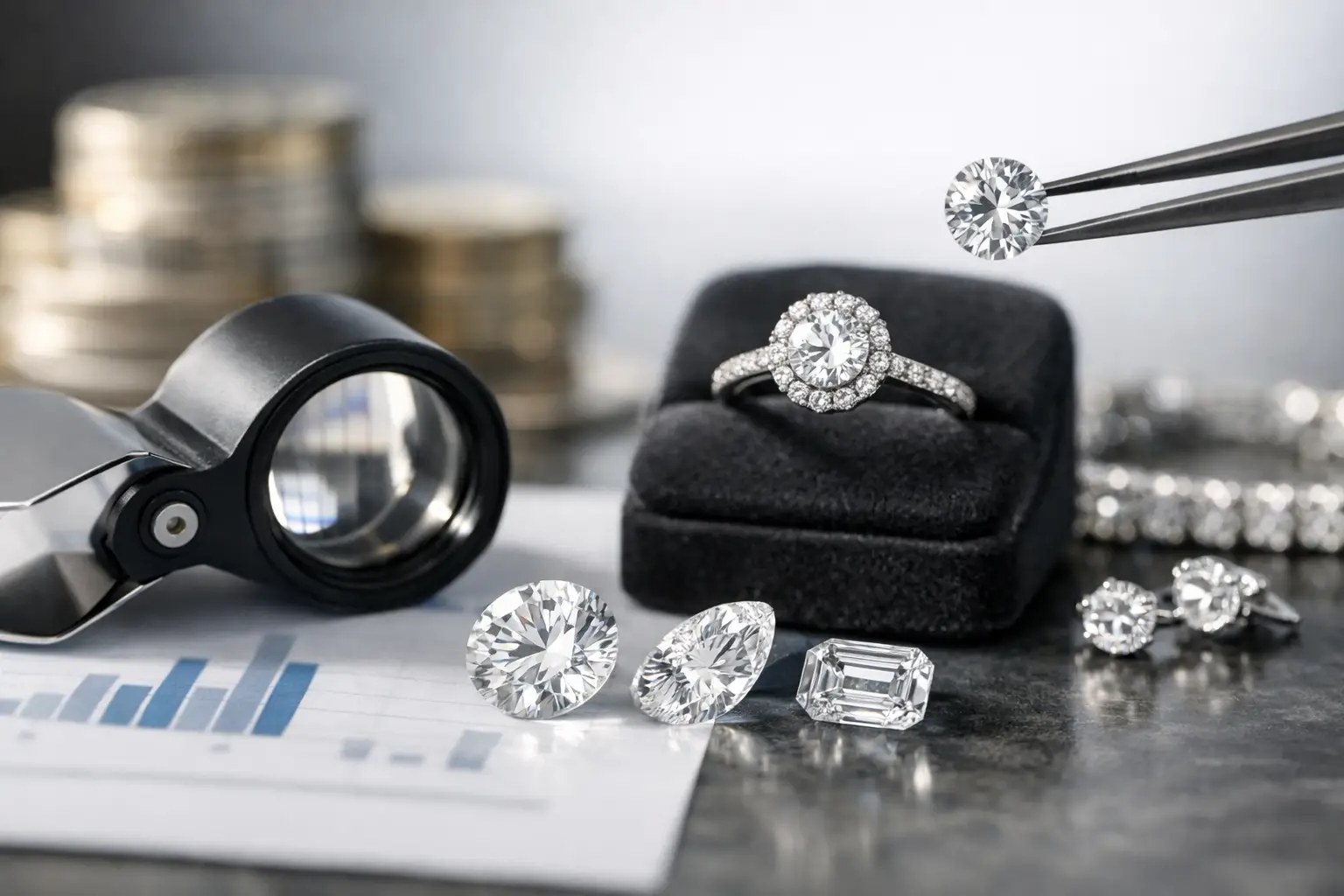
Beautiful jewelry doesn’t have to come with a luxury price tag. For years, many shoppers believed the only way to own fine jewelry was to buy from well-known luxury brands. Today, that’s no longer the case.
Independent jewelry designers and online fine jewelry brands are creating beautifully crafted pieces using premium materials and timeless designs, often at a much more accessible price.
When you understand what you’re really paying for, it becomes much easier to invest in jewelry that offers lasting quality, personal style, and genuine value.
Why Luxury Jewelry Costs So Much
When you shop with a traditional luxury jewelry brand, you’re often paying for much more than the piece itself. A portion of the price goes toward things like large advertising campaigns, high-end retail locations, luxury packaging, brand prestige, and global distribution.
While those elements can create a premium shopping experience, they don’t necessarily mean the jewelry is made with better materials or superior craftsmanship.
That’s one reason many shoppers are turning to independent jewelry brands that put more of their investment into the jewelry itself.
What Actually Determines Jewelry Quality?
The value of fine jewelry depends on craftsmanship and materials rather than the brand name.
Look for pieces made with:
- solid 14k or 18k gold
- platinum
- responsibly sourced gemstones
- durable settings
- expert finishing
These elements have a much greater impact on long-term value than a luxury label.
Why Online Jewelry Stores Offer Better Value
Many online jewelers are able to offer more accessible pricing because they operate with lower overhead than traditional retail stores.
Without the costs of physical storefronts or large-scale marketing campaigns, they can put more focus into what really matters: quality materials, handcrafted production, custom design, and fair pricing.
For buyers, this often means you’re investing more directly into the jewelry itself rather than paying for added retail markups.
Look for Timeless Design
Trendy jewelry often fades in popularity after a short time, while timeless designs continue to feel relevant and stylish for years. These are the pieces that are easier to wear day to day and pair effortlessly with different outfits as your style evolves.
Some of the most popular timeless choices include solitaire rings, minimalist necklaces, gemstone earrings, stackable bands, and classic bracelets.
Simple, elegant jewelry tends to offer the strongest long-term value because it stays wearable and beautiful no matter how trends change.
Custom Jewelry Offers More for Your Budget
Many buyers assume custom jewelry is always expensive.
In reality, working directly with an independent jeweler can often provide better value than purchasing from a luxury retailer.
Customization allows you to personalize:
- gemstones
- metal color
- ring settings
- engravings
- proportions
Instead of paying extra for a brand name, you invest in a piece created specifically for you.
If you are searching for an
affordable online jewelry store
look for one that combines handcrafted craftsmanship, premium materials, transparent pricing, and customization options.
How to Compare Jewelry Prices
Before making a purchase, it’s worth looking beyond just the price tag and comparing what you’re actually getting. Pay attention to material quality, gemstone type, craftsmanship, customization options, as well as warranty and customer service.
A slightly higher upfront investment can often translate into much better long-term value, especially when the piece is made to last and designed with care.
Responsible Jewelry Can Still Be Affordable
Ethical production is becoming increasingly important to jewelry buyers.
Many affordable fine jewelry brands now prioritize:
- responsibly sourced gemstones
- recycled precious metals
- handcrafted manufacturing
- transparent sourcing
These practices demonstrate that affordability and responsible production can go hand in hand.
You can learn more about responsible jewelry standards through the Responsible Jewellery Council.
Tips for Buying Fine Jewelry Online
Shopping online opens up a much wider range of jewelry styles, designs, and price points than traditional retail ever could.
Before making a purchase, it’s important to look for key details that signal a trustworthy store, such as clear product descriptions, high-quality photography, customization options, transparent information about materials, and straightforward return policies.
When these elements are in place, it becomes much easier to shop with confidence and choose pieces you’ll truly love.
Frequently Asked Questions
Can affordable jewelry still look luxurious?
Yes. Quality materials, thoughtful design, and expert craftsmanship often matter more than a famous brand name.
Why are online jewelry stores often less expensive?
Online retailers usually have lower operating costs, allowing them to invest more in materials and craftsmanship instead of expensive retail locations.
Is handcrafted jewelry worth buying?
Handcrafted jewelry often offers superior attention to detail, greater individuality, and better overall quality.
Should I choose solid gold instead of plated jewelry?
Solid gold generally provides better durability and long-term value because it maintains its appearance over many years.
How can I avoid overpaying for jewelry?
Compare materials, craftsmanship, customization, warranties, and customer reviews rather than choosing solely based on brand recognition.
Final Thoughts
Buying fine-looking jewelry does not require paying luxury markups.
By focusing on craftsmanship, premium materials, timeless design, and transparent pricing, you can find jewelry that feels luxurious while offering exceptional value.
As more buyers discover independent jewelers and online fine jewelry stores, quality is becoming more accessible than ever, proving that true luxury is defined by craftsmanship, not by the size of the logo on the box.

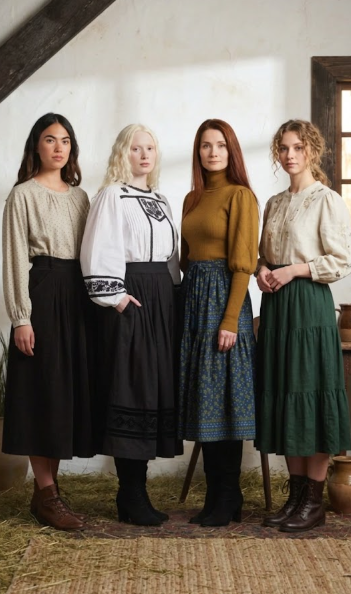
Autumn wardrobes tend to default to brown, burgundy and mustard. Green is the season’s quieter option, the colour of moss on stone and the forest floor after rain, and it is one of the easiest shades to wear. A green skirt behaves almost like a neutral: it pairs with nearly everything already in a cold-weather wardrobe and still looks like a deliberate choice. Three versions are worth knowing.
Moss: the deep, earthy one
A moss green skirt is the most autumnal of the three. The shade is dark, saturated and slightly yellow-based, and it does the same job as navy or chocolate brown. Pair it with cream knits and chestnut leather for a soft look, with black for sharper contrast, or with burgundy and rust for a traditional seasonal palette.
Moss also loves texture. Chunky cable knits, tweed jackets and embroidered blouses all sit well against it. Midi and maxi lengths work best with boots.
Sage: the soft, grey one
Sage is lighter, cooler and greyed. Many people file it under spring, but in autumn it looks lovely with oatmeal, ivory, taupe, grey and soft brown.
Asage green maxi skirt in linen or cotton is a good transitional piece. Wear it with tights or a slip underneath, ankle boots, an oversized cream jumper half-tucked at the front and a wool coat on top. Because the colour is pale, give the outfit weight through texture: a heavy knit, a leather belt, suede boots. Ivory is kinder to sage than stark optical white, which can make it look washed out.
Corduroy: the texture of the season
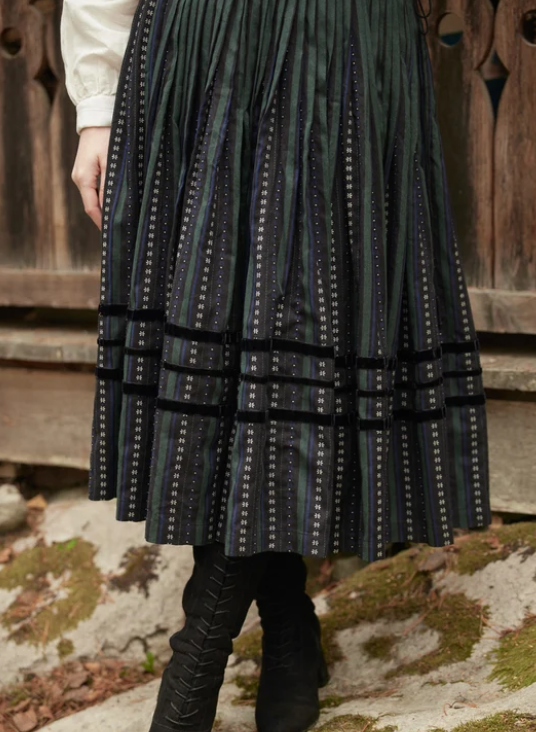
Corduroy is cotton woven with raised ridges called wales. Wide wale looks casual and a little retro. Fine needlecord is smoother and dressier. The fabric is warm and hard-wearing, and it takes dye deeply, which is why green looks so rich in it.
A green corduroy skirt may be the most practical autumn skirt there is: sturdy enough for daily wear, warm with tights and better with age. An A-line or gathered midi is the most versatile cut. Keep the top half smooth, with a fine-gauge knit or a cotton blouse, and let the ridges provide the texture.
Colours that love green
- Cream and ivory: fresh and safe.
- Chestnut, camel and chocolate: the most natural partners.
- Burgundy and plum: rich and slightly folkloric.
- Mustard and rust: the full autumn palette, best as a single accent.
- Black: graphic and urban.
- Denim and navy: relaxed, good for weekends.
Shoes, tights and proportions
With a maxi skirt, choose ankle boots with a low heel or lace-up boots, and check that the hem clears the ground. With a midi, knee-high boots that disappear under the hem give a long, continuous line. Loafers with ribbed tights are the alternative for milder days.
Opaque tights in brown, black, burgundy or forest green all work. Wool tights make skirts wearable well into winter.
A full skirt needs a defined top. Tuck the jumper in at the front, add a belt, or choose a cropped cardigan or a fitted bodice so the waist does not get lost.
Three outfits to copy
- Weekend market: moss corduroy midi skirt, cream cable-knit jumper, chestnut ankle boots, wool scarf.
- Office: sage maxi skirt, black fine-knit turtleneck, tailored blazer, black boots.
- Folk-inspired: moss skirt, white embroidered blouse, laced bodice or waistcoat, lace-up boots.
Fabric and care
Look for natural fibres. Linen and cotton breathe and layer well over tights. Wool blends add warmth. Wash corduroy inside out in cool water and never iron the pile directly. A steamer or a damp cloth on the reverse will lift it back. Linen skirts can be ironed while still slightly damp, or left with their natural texture, which suits the relaxed mood of the season.
Green is easy to live with from September to the end of November. Start with the shade closest to what you already own, moss if your wardrobe is dark and sage if it is pale, and build outwards from there.

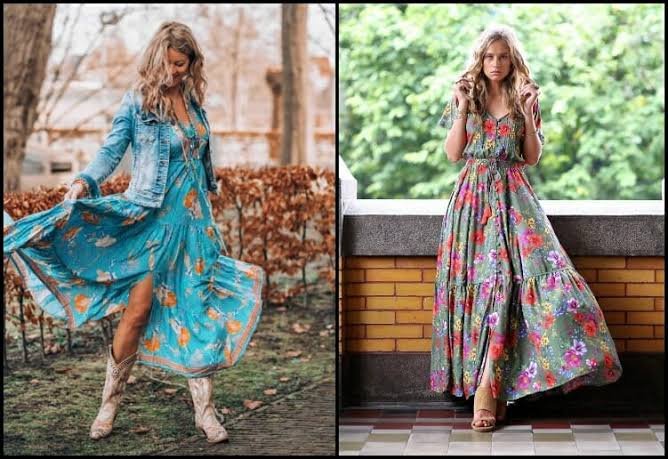
onestly a beautiful dress is more than just some clothing thing it helps someone feel more confident more comfortable and yep more stylish too. Whether it shows up at a wedding party dinner or even just a normal casual event the right dress can leave a pretty strong impression no joke. And since dresses come in all kinds of colors patterns and fabrics most people can find something that fits their vibe and taste even if they can’t explain it perfectly at first like it’s there in the moment but not always in words.
The Charm of a Well Chosen Dress
A beautiful dress can kind of flip the whole mood of a person when someone wears one that fits well and looks flattering they usually feel happier and more confident. The charm isn’t only in the design it’s also in how the dress connects to the person wearing it like it just “gets” them instantly maybe.
A lot of people pick dresses depending on the occasion. Some choose plain options for daily life while others want more elegant picks for special nights. Still whatever the style is a good dress should let the wearer feel comfortable and also attractive in that easy way without doing too much.
Fabrics That Add Beauty
The fabric of a dress is the backbone of the whole look. Different materials give different vibes and appearances and you can really spot the contrast.
- Cotton feels soft and relaxed for everyday wear.
- Silk looks smooth and gives off that luxurious energy.
- Chiffon makes a light flowing kind of style.
- Satin brings shine and a more refined elegance.
- Lace adds something delicate and somehow still timeless.
When the right fabric is chosen the dress usually ends up looking even more beautiful and it also matches the occasion better really simple.
Colors That Make a Difference
Color is usually the first thing people notice bright colors can bring a cheerful lively energy and softer shades tend to look elegant and calm. Black stays popular for its timeless beauty while white often feels tied to simplicity and grace.
Many people select colors based on their skin tone personal preference or where they’re going. The right color can make a dress stand out and also bring out the wearer’s natural beauty no extra explanation needed.
Popular Styles for Every Occasion
Fashion changes but certain dress styles stay loved for years’ A-line dresses are popular because they tend to work for many body types. Maxi dresses bring comfort along with elegance while cocktail dresses are usually the go-to for parties and celebrations.
Formal gowns often show up at weddings and big events for shopping trips family get together or just low-key weekends casual dresses are usually the better match. Having different dress styles ready in the closet makes it easier to dress right for lots of different situations honestly.
Small details create big beauty
Honestly those little special touches are what make a beautiful dress feel unique like a quiet signature you almost miss at first. You know embroidery, lace motifs beads, little buttons and decorative sleeves they can turn what seems like a simple dress into something memorable, and it still feels natural not forced. And even when the design changes are minor the overall look shifts just enough, but it’s still very noticeable fashion designers watch for these features because they help a dress stand apart from regular day-to-day clothing in a nice way.
Finding the Perfect Dress
Finding the dress is mostly about fit comfort and personal style the dress should look good but it also has to allow easy movement. Trying a few different designs can help someone figure out what works best and what just doesn’t.
Many shoppers also compare prices materials and overall quality before buying. These days you can find beautiful dresses in local stores or online marketplaces too so buyers get more options to look through less stress overall.
Beauty and Value Together
When people shop for dresses they usually want a balance between style and affordability. Some shoppers even search internationally so they can get more options and better pricing. Lots of fashion retailers and wholesalers offer appealing collections and some people choose to buy from china to access a wider range of dress designs at rates that feel more friendly.
Conclusion
A beautiful dress is kind of like this mix of style ease and assurance and honestly it shows. From polished fabrics to eye catching colors to unique designs and those little fine details each part works together to make that charm sort of. Whether it’s for a special moment or just your everyday life the right dress helps you signal who you are and it leaves a lasting impression and picking a beautiful dress isn’t only about fashion it’s also about feeling your best wherever you roam.

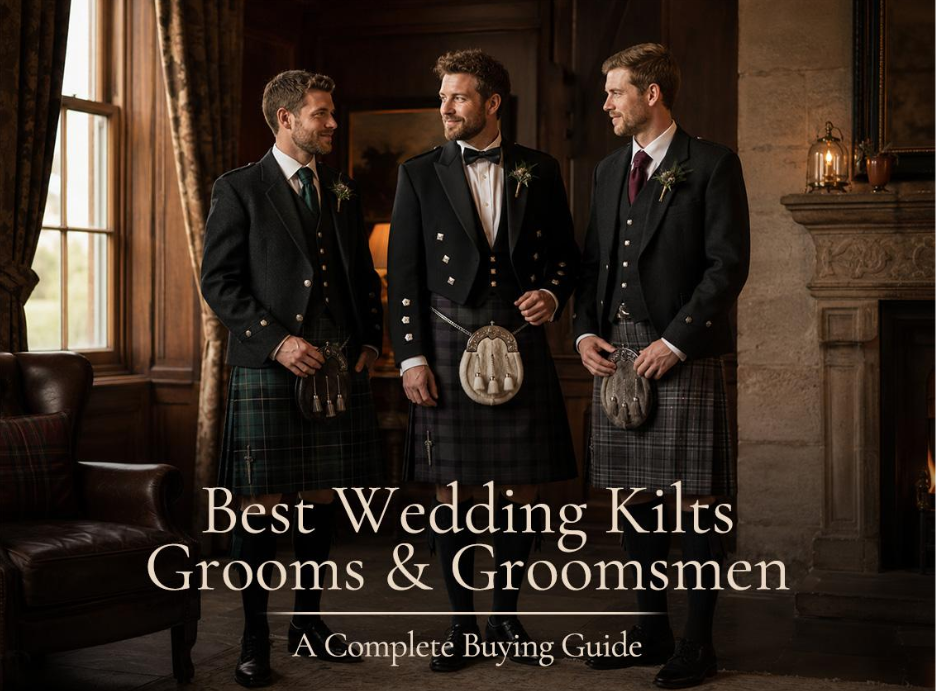
Your wedding day deserves an outfit that’s as memorable as the occasion itself. While traditional suits remain popular, wedding kilts offer a timeless and distinctive alternative that celebrates Scottish heritage with elegance and style.
Whether you’re planning a traditional Scottish ceremony, a Highland-inspired celebration, or a modern wedding with classic touches, choosing the right Scottish wedding kilt ensures you look your best while feeling comfortable throughout the day.
This guide covers everything you need to know about selecting the best wedding kilts for grooms and groomsmen, from tartans and fabrics to accessories and fit.
Choose Traditional Tartan Kilts for a Timeless Wedding Look
Nothing captures the spirit of Highland wear quite like traditional tartan kilts.
A tartan adds personality, heritage, and authenticity to your wedding outfit. Many couples choose a tartan connected to their family or clan, while others select one that complements the wedding colour palette or reflects their personal style.
Classic tartans such as Black Watch, Black Stewart, Ancient Campbell, and Scottish National remain popular choices for formal weddings.
For a coordinated wedding party, the groom and groomsmen can wear the same tartan, while subtle differences in accessories help the groom stand out.
Why Choose an 8-Yard Wedding Kilt?
If you’re aiming for a truly traditional appearance, an 8-yard tartan kilt is one of the best choices.
The additional fabric creates deeper pleats, fuller movement, and the classic silhouette associated with authentic Highland dress. This extra structure not only enhances comfort but also photographs beautifully during ceremonies and formal portraits.
An 8-yard kilt paired with a Prince Charlie jacket, waistcoat, sporran, and kilt hose creates an elegant wedding outfit that never goes out of style.
Selecting the Right Fabric
The fabric of your Scottish wedding kilt affects both comfort and appearance.
Traditional wool remains the premium choice, offering exceptional drape, rich texture, and long-lasting durability. It’s ideal for formal weddings and couples looking for a truly authentic Highland look.
Polyviscose provides an excellent alternative. Lightweight, durable, and easy to maintain, it delivers the classic tartan appearance at a more accessible price.
At Highland Redstone, our traditional tartan kilts are available in carefully selected materials to suit different budgets, wedding styles, and personal preferences.
Should the Groom and Groomsmen Wear Matching Kilts?
Matching wedding kilts create a polished and cohesive look, especially in wedding photography.
Many couples choose identical tartan kilts for the entire wedding party, while others give the groom subtle distinctions through accessories, jackets, waistcoats, or a unique sporran.
Another popular option is for the groom to wear a different tartan while the groomsmen coordinate through matching jackets, ties, or Highland wear accessories.
The goal is to create visual harmony while allowing the groom to remain the focal point.
Match Your Wedding Kilt to the Style of Your Ceremony
The setting of your wedding should influence your outfit.
For churches, castles, and formal venues, traditional tartan kilts with classic Highland jackets create an elegant and sophisticated appearance.
Outdoor ceremonies, rustic venues, and countryside weddings often suit a slightly more relaxed combination, pairing a Scottish kilt with a waistcoat or tailored shirt.
Whatever your style, your wedding kilt should complement the overall atmosphere of your celebration.
Getting the Perfect Fit
Even the finest Scottish kilt won’t look its best if it doesn’t fit correctly.
Traditional kilts sit higher on the waist than standard trousers, making accurate measurements essential. Always measure your natural waist and ensure the kilt falls around the centre of your knee for the classic Highland silhouette.
If you’re ordering for multiple groomsmen, collect everyone’s measurements well in advance to allow plenty of time for delivery and any necessary adjustments.
A perfectly fitted kilt will always look more impressive than an expensive one that doesn’t fit properly.
Complete Your Look with Highland Wear Accessories
The right accessories transform a great Scottish wedding kilt into a complete Highland outfit.
Essential accessories include:
- Sporran
- Kilt belt and buckle
- Kilt hose
- Flashes
- Kilt pin
- Prince Charlie or Argyll jacket
- Waistcoat
- Ghillie brogues
The groom can further distinguish his outfit with premium accessories such as a dress sporran, decorative fly plaid, or unique tie and pocket square.
Consistency across the wedding party creates a refined and elegant finish.
Coordinate with Your Wedding Colour Palette
Your tartan kilt should complement your wedding colours rather than compete with them.
Choose ties, flowers, waistcoats, and pocket squares that highlight colours already present within the tartan. If your tartan features bold colours, balance the outfit with neutral accessories for a timeless appearance.
Autumn weddings often pair beautifully with warmer tartans, while darker tartans create a sophisticated look for formal indoor ceremonies.
Comfort Matters on Your Wedding Day
A wedding is a full-day celebration, so comfort is just as important as style.
Your Scottish wedding kilt should allow you to walk, sit, dance, and celebrate comfortably without feeling restrictive.
Consider the season when selecting fabric weight. Heavier 8-yard tartan kilts work beautifully during cooler months, while lighter fabrics are often preferred for spring and summer weddings.
Comfortable footwear and quality kilt hose also make a noticeable difference throughout the day.
Buy or Rent a Wedding Kilt?
Both options have their advantages.
Renting can be a practical solution for groomsmen who may only wear Highland dress once.
However, purchasing a Scottish wedding kilt gives you complete control over fit, tartan, and accessories while creating a lasting keepsake from your wedding day.
Many grooms choose to buy their kilt because it can be worn again for anniversaries, formal dinners, Highland games, family celebrations, and future weddings.
Why Choose Highland Redstone?
At Highland Redstone, we believe every groom deserves a wedding outfit that reflects both tradition and personal style.
Our collection includes traditional tartan kilts, 8-yard tartan kilts, utility kilts, hybrid kilts, and premium Highland wear accessories, making it easy to coordinate outfits for the entire wedding party.
Whether you’re dressing one groom or several groomsmen, our focus is on quality craftsmanship, comfortable fit, authentic Scottish design, and exceptional value.
Final Thoughts
Choosing the perfect wedding kilt is about balancing tradition, comfort, and personal style.
From selecting the right traditional tartan kilt and fabric to coordinating accessories and ensuring a perfect fit, every detail contributes to a memorable wedding day.
At Highland Redstone, we’re proud to help grooms and groomsmen find premium Scottish wedding kilts that honour Scotland’s rich heritage while creating timeless wedding memories. Whether you’re planning an intimate ceremony or a grand Highland celebration, the right Scottish kilt will ensure you look and feel your very best.

The Ultimate Office Spring Cleaning Checklist for Small Businesses

Optimizing Industrial Packaging Automation: Technical Standards, Electrical Safety, and Line Efficiency

What Are the Effects of Too Much Sun Exposure?

How to Keep a Useful Menstrual Health Diary

7 Meaningful Ways to Preserve Memories From Your Favorite Trips

Who Is Indiana Urban? Inside the Life of Karl Urban’s Son and Rising Actor
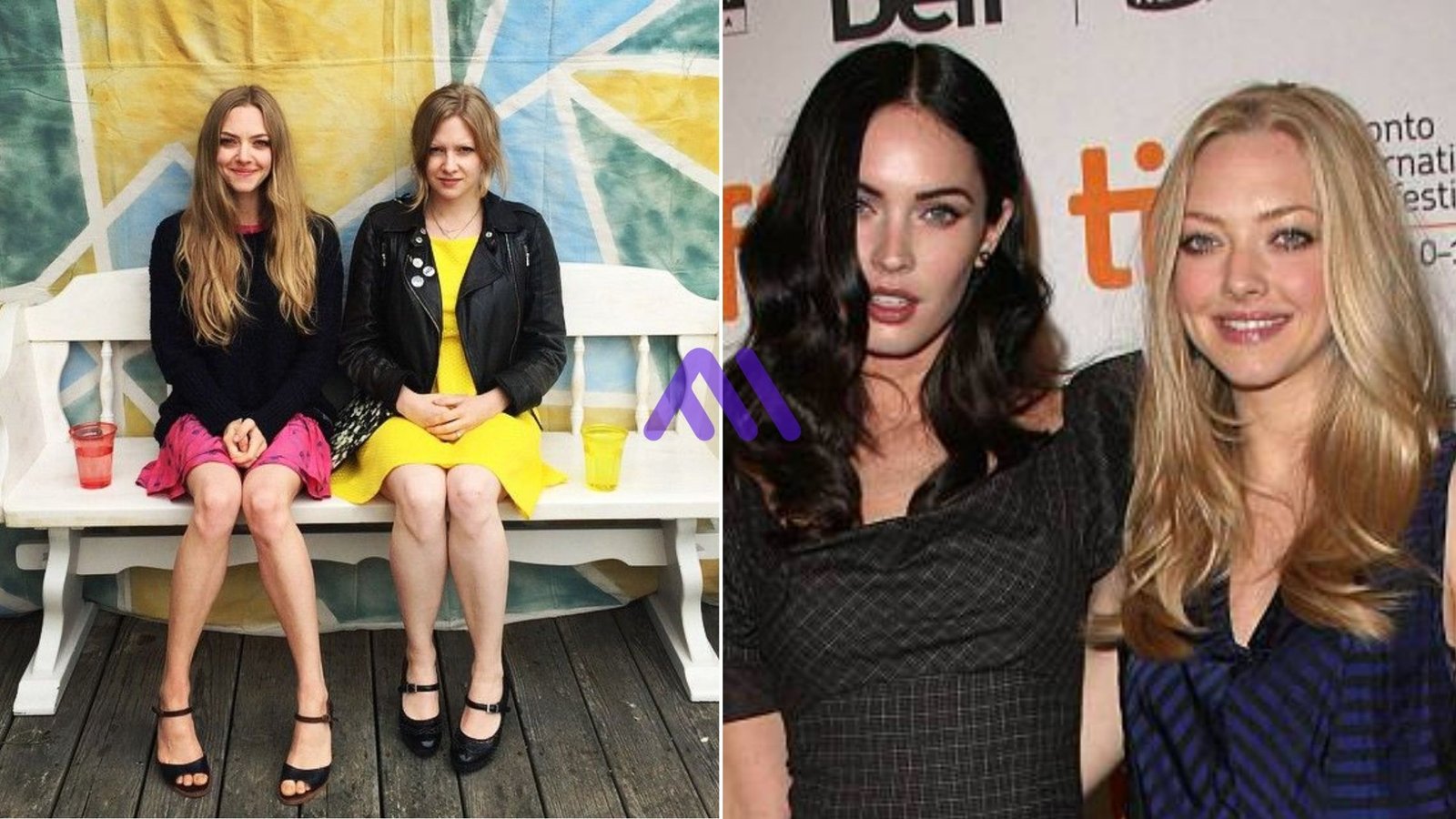
Jennifer Seyfried: All About Amanda Seyfried’s Sister, Her Life and Career
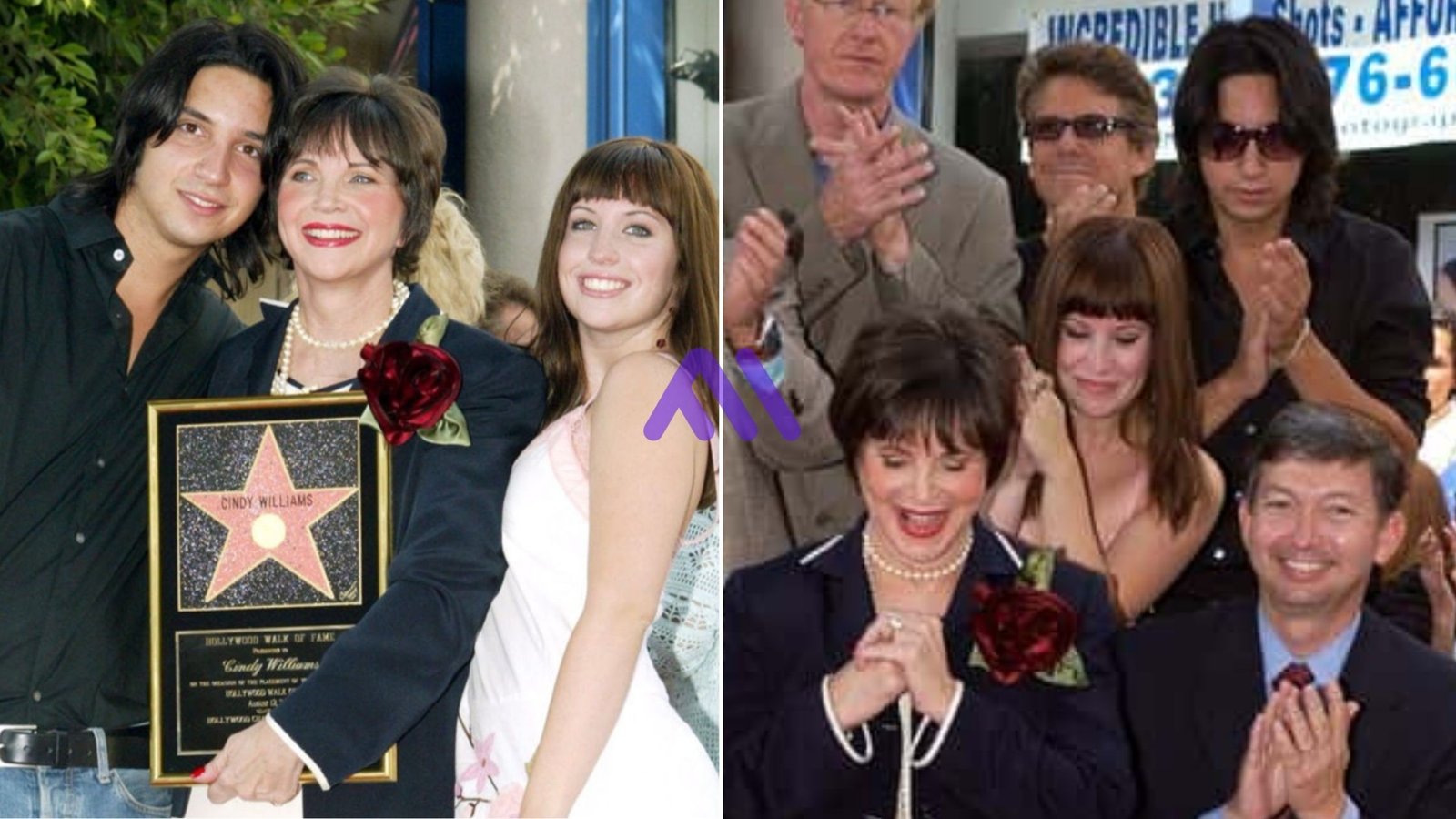
Who Is Zachary Hudson? Inside the Private Life of Cindy Williams’ Son

Who Is Stephen G. Walker? All About PinkPantheress’ Father and His Academic Career
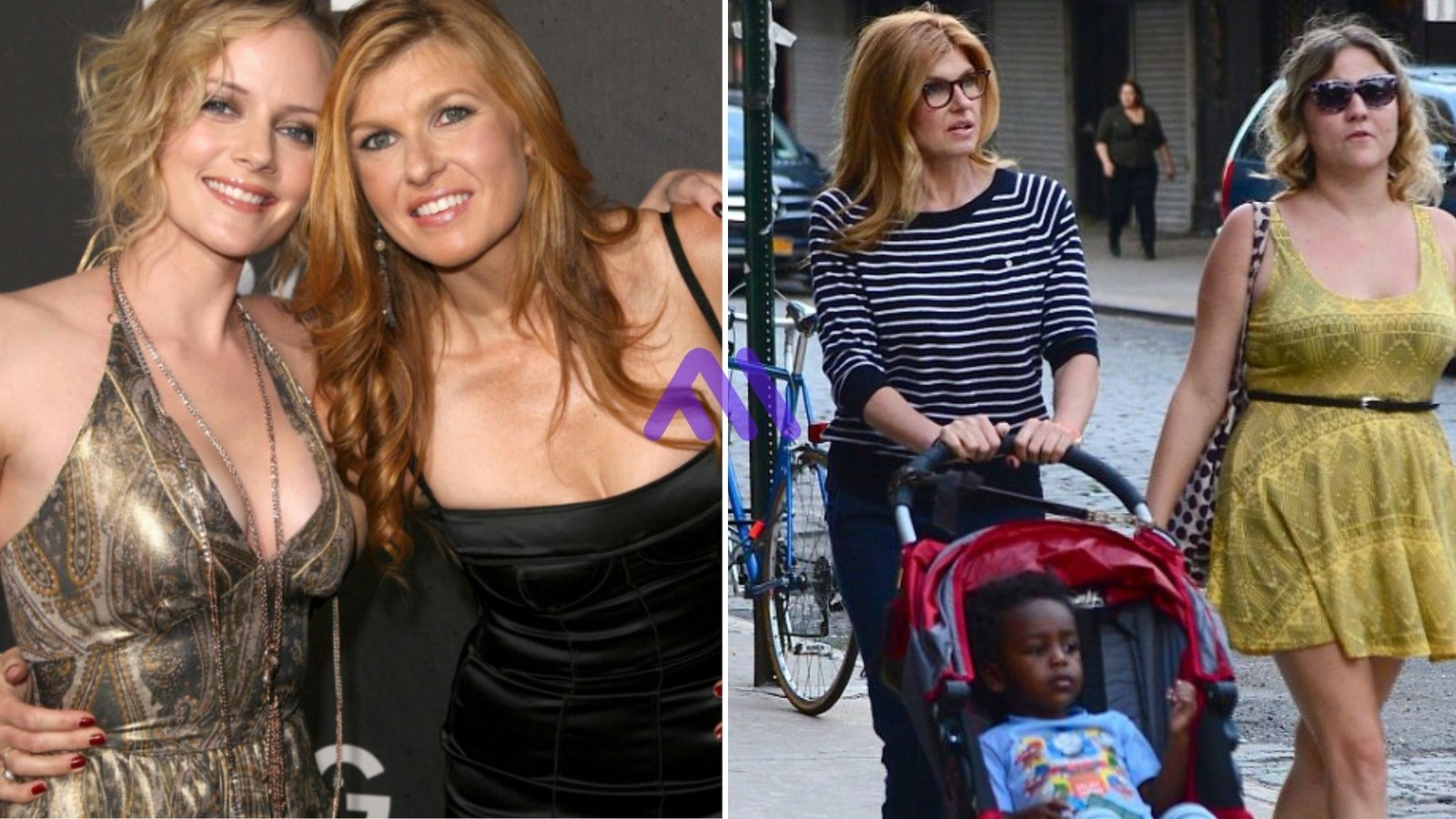
Cynthia Womack Biography: The Life, Career, and Legacy of Connie Britton’s Twin Sister
Who Is Indiana Urban? Inside the Life of Karl Urban’s Son and Rising Actor
Jennifer Seyfried: All About Amanda Seyfried’s Sister, Her Life and Career
Who Is Zachary Hudson? Inside the Private Life of Cindy Williams’ Son
Who Is Stephen G. Walker? All About PinkPantheress’ Father and His Academic Career
Cynthia Womack Biography: The Life, Career, and Legacy of Connie Britton’s Twin Sister
-
Biography7 months ago
Who Is Indiana Urban? Inside the Life of Karl Urban’s Son and Rising Actor
-
Biography7 months ago
Jennifer Seyfried: All About Amanda Seyfried’s Sister, Her Life and Career
-
Biography7 months ago
Who Is Zachary Hudson? Inside the Private Life of Cindy Williams’ Son
-
 Biography6 months ago
Who Is Stephen G. Walker? All About PinkPantheress’ Father and His Academic Career
-
Biography8 months ago
Cynthia Womack Biography: The Life, Career, and Legacy of Connie Britton’s Twin Sister
-
 Biography7 months ago
Who is Lynn Levesque? Everything to Know About Triple H’s Sister
-
 Biography8 months ago
Who Was Gretchen Knauff? The Private Life of Jennifer Coolidge’s Mother
-
 Biography7 months ago
Lynn Payne: Inside the Life and Love Story of Randy Savage’s Wife