
Lifestyle
How to Get Your Oven Sparkling Clean Without the Hassle


There comes a point when the grease, crumbs, and old food in your oven stop being something you can ignore. You put dinner in, turn up the heat, and suddenly smoke starts pouring out before you’ve even had a chance to wonder what you’ve done wrong.
Then, you squint at the bottom of your oven and find a dark layer that may contain the remains of a lasagne, a pie, or possibly both.
Luckily, you don’t need a cupboard full of products or hours of scrubbing. All it takes is the right supplies and a bit of patience.
Grab Your Cleaning Supplies
Before you roll up your sleeves, get everything you need within arm’s reach. There’s nothing worse than being elbow-deep in grease and realising the sponge you need is two rooms away.
You’ll need:
- An oven-safe cleaner or baking soda;
- A non-abrasive sponge or microfibre cloth;
- A soft brush or an old toothbrush for tight corners;
- A bucket of warm water;
- A pair of sturdy rubber gloves.
Also, do yourself a favour and check the manual before you start. Some surfaces react badly to certain products, and the last thing you want is to strip the coating off your oven while trying to clean it. If you’ve lost it, most manufacturers have PDFs on their website.
Remove the Racks
Pull out the racks, trays, and anything else that isn’t bolted down. You’ll have much better access to the oven cavity without them in the way, and the removable parts are far easier to clean separately.
Set them down on a surface you don’t mind getting dirty. Racks and trays can still have grease and residue on them, so your countertop isn’t the best place for them. If you’re short on space, put down a bin bag or old towel on the floor instead.
Soften the Grime
Here’s the secret to painless oven cleaning: stop trying to muscle your way through baked-on grease like you’re sanding a hardwood floor. Apply your cleaning solution and give it some time to dissolve the grime.
Follow the product instructions on timing. Adding more product or waiting longer doesn’t always mean better results, and some solutions can damage surfaces if left on too long.
If you’d rather go down the DIY route, a thick paste of baking soda and water spread across the interior will loosen most grime overnight. Just avoid the heating elements and any exposed metal parts.
Clean the Interior
Once the solution has had time to work, you should be able to wipe away the stubborn bits with much less effort. Start with the worst areas first, usually the bottom and the back wall, where drips and splatters tend to build up.
Use a non-abrasive sponge or cloth and work in small sections. For the corners and edges where grease tends to hide, a soft brush or an old toothbrush will get into the spots your sponge can’t reach.
Try not to press too hard on any area. If a stain isn’t lifting, reapply the cleaning solution and give it another 10 minutes instead of scrubbing until your arm gives out.
Tackle the Door
Your oven door collects just as much grease as the cavity, and the glass panel can gradually develop a brown film that makes it hard to see inside.
Spray your cleaning solution onto the glass and the edges, then let it sit for a few minutes before wiping it down. Avoid anything abrasive here, since it can cause scratches and make the glass harder to clean next time.
If there’s grime trapped between the panels, check your manual for instructions on removing the door or the inner pane. Some manufacturers make this surprisingly simple, while others seem to have designed their doors so they can never be opened by human hands again.
Wash the Racks and Trays
While the interior is drying, let’s focus on the racks and trays. Fill your bathtub or a kitchen sink with hot, soapy water and let them soak for at least 30 minutes. If the build-up is particularly stubborn, you can leave them for a couple of hours.
Once the grease has softened, scrub them down with a non-scratch scourer and rinse them thoroughly. For caked-on residue, apply a paste of baking soda directly to the trouble spots.
When you’re done, dry them completely before putting them back. Sliding wet racks into a clean oven is a good way to invite rust, and you definitely don’t want to deal with that after all this effort.
Rinse and Dry Everything
Don’t rush to reassemble the parts just because the visible grime has gone. Any cleaning product left behind can create fumes or a strange taste the next time you cook, which isn’t ideal when you’re trying to impress your guests with your roast potatoes.
Wipe down the entire oven cavity with a clean, damp cloth, going over it a couple of times to make sure no residue is hiding in the corners.
Finally, leave the oven door open for a while to let everything air-dry. Once everything feels dry and smells neutral, slide the racks back in. Voilà—you’re done!
How to Keep Your Oven Spotless
Now that you’ve put in the work, you probably don’t fancy doing it all again in a month. A few simple habits will keep the grime from building up as quickly and make your next deep-cleaning session far less difficult.
- Wipe up fresh spills. Deal with spills once your oven has cooled instead of leaving them to bake on during your next few meals.
- Clean the racks regularly. You don’t need to soak them every week. But a quick wipe-down after roasting or grilling will stop grease from building up into that thick, sticky layer that takes an afternoon to work through.
- Use roasting trays carefully. Pop a tray beneath dishes that are likely to bubble, drip, or splatter. It won’t catch everything, but it’ll save you from scrubbing the entire oven floor every time you cook shepherd’s pie.
- Deal with grease early. If you spot grease starting to collect around the door seal or on the interior walls, clean it before it bakes on. A couple of minutes with a damp cloth now will save you a much longer session later.
And if the whole process still feels like too much hassle, professional help is always an option. When it comes to oven cleaning, Croydon has plenty of experienced services that can get your oven looking factory-fresh without you lifting a finger.
Conclusion
Your oven doesn’t have to be a source of dread every time you step into the kitchen. A bit of effort now, a few good habits going forward, and you’ll wonder why you ever put off that chore in the first place.
So, put the kettle on, grab your gloves, and give that oven the attention it’s been begging for. You’ve got this!

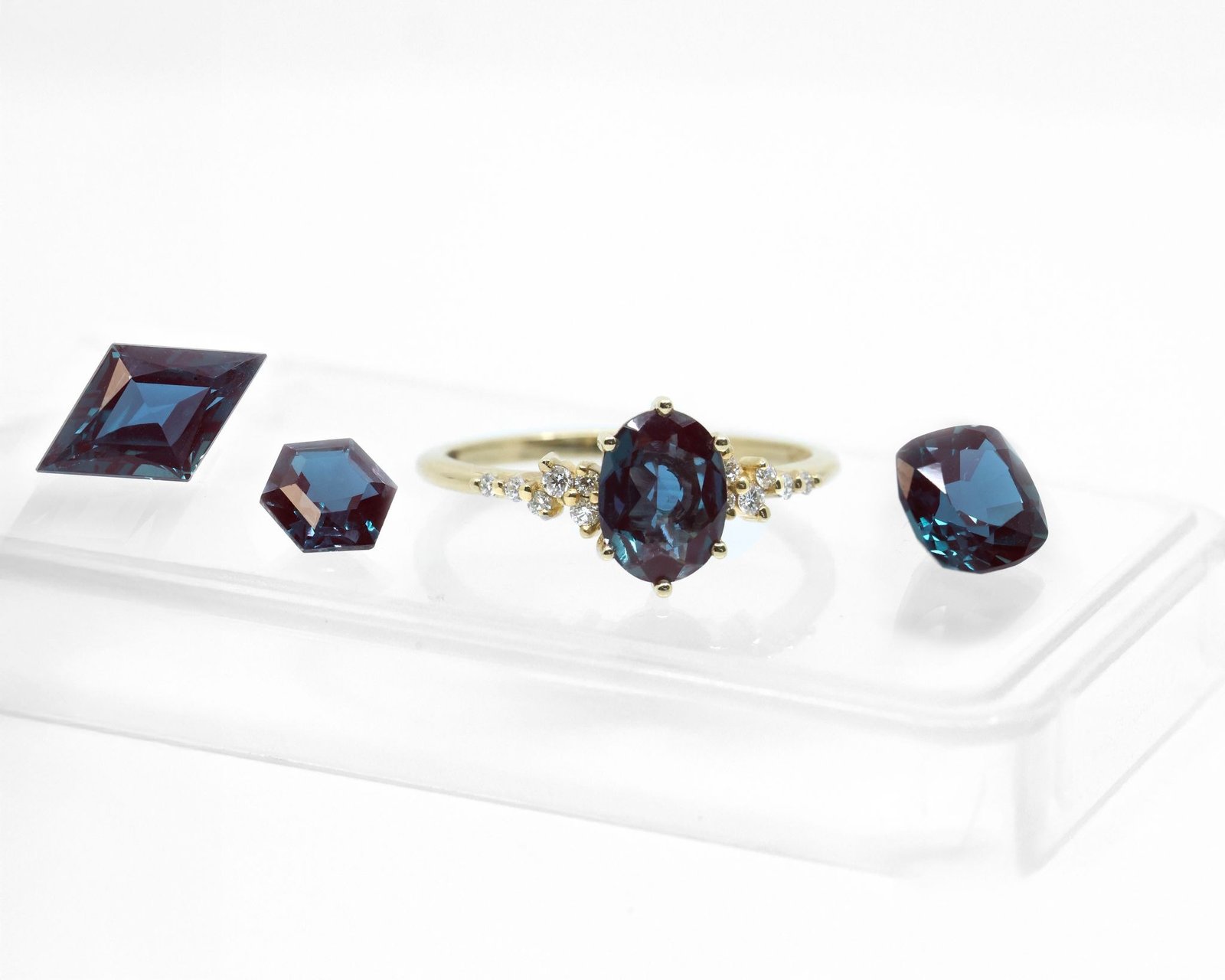
Place a high-quality lab-grown diamond next to a high-quality natural diamond, and most people will not be able to tell the difference.
That is because the biggest difference between the two types of diamonds is not visible to the naked eye.
Both types of gems have the potential to possess the brilliance, hardness, clarity, and beauty associated with diamond engagement rings. The defining difference is origin – natural diamonds are formed in the earth, and lab-grown diamonds are man made.
From an engagement-ring buyer’s perspective, the distinction goes further – it can affect the price, carat size, rarity, resale prospects, sourcing preferences, and even personal value.
Neither type of gem is inherently superior to the other – it depends on what matters most to the buyer and the person whose hand the ring is meant to adorn.
Are Lab-Grown Diamonds Real Diamonds?
Yes.
Lab-grown diamonds are real diamonds – they are not diamond simulants such as cubic zirconia.
Lab-grown and natural diamonds are fundamentally similar in terms of their chemical composition and crystal structure.
Lab-grown diamonds have essentially the same optical and physical properties as natural diamonds, according to the Gemological Institute of America. Their difference is in the environment in which they are formed – while natural diamonds are formed within the earth, lab-grown diamonds require a manmade process to take shape.
For an independent gemological perspective, refer to the GIA’s guide to laboratory-grown diamonds.
This difference in formation process is the reason behind all other differences between the two types of diamonds.
How Are Natural Diamonds Formed?
Natural diamonds are formed under immense heat and pressure in the earth, and then brought back up to the surface through natural processes before being mined.
The fact that a natural diamond did not originate in a laboratory is a key reason why some buyers prefer them.
A natural diamond represents a geological phenomenon that was not manufactured by people, and its limited supply helps account for its status as a coveted luxury item.
How Are Lab-Grown Diamonds Made?
Lab-grown diamonds are formed through a precise technological process that successfully recreates the conditions under which natural diamonds are formed.
The technology required to grow diamonds in a laboratory setting is complicated, but the process can be broken down into two methods:
HPHT (High Pressure High Temperature)
and
CVD (Chemical Vapor Deposition).
Both methods allow for the production of crystalline diamond structures that can then be cut and polished into the same shapes and sizes as natural diamonds.
Can You Tell the Difference by Looking?
Not with the naked eye.
A lab-grown diamond that has been cut well enough will look identical to a comparable natural diamond.
Both can feature brilliance, fire, and scintillation. Both can also have inclusions and display variances in color and clarity.
Specialized gemological tools and tests are required to consistently and reliably differentiate between the two.
This is why it is so important to work with jewelers who can provide grading documentation and honest disclosure.
Natural vs. Lab-Grown Diamonds: What’s the Difference?
When it comes to engagement rings, the primary considerations for buyers can be broken down into a simple table.
| Factor | Natural Diamond | Lab-Grown Diamond |
| Material | Diamond | Diamond |
| Origin | Formed naturally in the earth | Created artificially in a lab setting |
| Appearance | Can be visually identical at comparable grades | Can be visually identical at comparable grades |
| Hardness | 10 on the Mohs scale | 10 on the Mohs scale |
| Rarity | Naturally occurring Geographically limited supply | Can be produced artificially |
| Price | Generally higher at comparable specifications | Generally lower at comparable specifications |
| Carat size for a fixed budget | Usually smaller | Usually larger |
| Traditional association | Long-established in engagement jewelry | More recent category |
| Identification | Origin verified gemologically | Origin verified gemologically |
It is important to keep in mind that the discussion about lab-grown diamonds being “fake” is inherently flawed since both lab-grown and natural diamonds are real diamonds.
The real dilemma for the engagement-ring shopper is not whether a diamond is “real”, but which origin and value proposition they prefer.
Why Are Lab-Grown Diamonds Less Expensive?
Diamonds that originate in a laboratory can be produced reliably through a manufacturing process, whereas naturally occurring diamonds must be discovered, extracted, and refined.
As a result, lab-grown diamonds have seen their market prices drop substantially due to both increased supply and improved technology.
When comparing two options for an engagement ring, this can mean significantly more carat weight for the same price.
A prospective buyer weighing the options between natural and engagement rings lab grown may therefore find that the same budget provides very different choices in terms of carat size, setting, level of detail, or overall ring style.
A natural diamond may allow for a smaller carat weight, while a lab-grown diamond can be considerably larger while still leaving the budget with enough to allocate to the setting, precious metals, accent stones, or additional customization.
Are Natural Diamonds More Ethical?
Origin alone does not dictate this answer.
Responsible sourcing depends on the supply chain.
Natural-diamond buyers can look for information about sourcing policies, documentation, suppliers, and industry standards.
Lab-grown diamonds remove mining from the production process, but buyers may still want information about manufacturing conditions, energy sources, labor practices, cutting facilities, and traceability.
A more useful question than “Which diamond is ethical?” is:
What can the jeweler tell me about where this particular stone came from and how it reached the finished ring?
Which Diamond Is Better For an Engagement Ring?
Neither category is inherently superior to the other.
A natural diamond may be a better choice for someone who values:
- Geological origin
- Natural rarity
- Diamonds with traditional provenance
- A more established secondary market
- The idea of owning a naturally formed gemstone
A lab-grown diamond may be a better choice for someone who values:
- Larger carat size for the budget
- Lower purchase price at comparable specifications
- Avoiding conventional diamond mining
- Flexibility to allocate more budget to the setting or customization
- Diamond appearance without placing as much importance on natural origin
The important word is value.
In this case, it does not refer to financial value alone, but what you value.
Frequently Asked Questions
Are lab-grown diamonds fake?
No. Lab-grown diamonds are diamonds – they should not be confused with simulants such as cubic zirconia, which are different materials.
Can a jeweler tell whether a diamond is lab-grown?
Specialized testing and gemological equipment can differentiate between laboratory-grown diamonds and natural diamonds – visual inspection is not always sufficient.
Are lab-grown diamonds as hard as natural diamonds?
Yes. Both are diamond and possess the same fundamental hardness characteristics, making either suitable for everyday engagement-ring wear.
Why are natural diamonds more expensive?
Natural diamonds depend on geological formation and mining, and have a different supply structure and rarity profile. Lab-grown diamond production can be expanded technologically, which contributes to different market pricing.
Do lab-grown diamonds get cloudy over time?
A lab-grown diamond does not inherently become cloudy simply because it was laboratory-grown. Surface oils, lotions, and dirt can reduce the visible sparkle of any diamond until it is cleaned.
Which is better: a one-carat natural diamond or a larger lab-grown diamond?
That depends on your priorities. Choose the natural diamond if natural origin and rarity matter more to you. Choose the larger lab-grown stone if visual size and maximizing your budget matter more.
Final Thoughts
The real difference between lab-grown and natural diamonds lies in their origins – not whether one is a diamond and the other is not.
Natural diamonds are formed through geological processes in the earth, and lab-grown diamonds are the result of a manmade process.
That difference in formation affects rarity, price, sourcing considerations, resale expectations, and how much carat weight a buyer can get for a given budget.
Both can nevertheless make excellent engagement-ring center stones.
Instead of asking, “Which type of diamond is better?” ask what matters most to you: natural rarity or budget efficiency? A smaller naturally formed stone or a larger laboratory-grown one? Traditional provenance or a newer production model?
Lifestyle
When One Vehicle Isn’t Enough: The Rise of Versatile Personal Transport for Work and Weekend Adventures


Modern travel is increasingly about flexibility. A vehicle that works well for a daily commute may not be suitable for a weekend escape, while something designed for outdoor adventures can be unnecessarily bulky or impractical for everyday city travel.
For people who want one practical solution rather than multiple vehicles, versatile electric transport is becoming increasingly appealing. Electric scooters can provide a convenient option for shorter urban journeys while taking up considerably less space than larger vehicles.
As performance-focused models continue to evolve, riders can now look beyond basic city transportation. Features designed for more demanding conditions, including stronger motors, improved suspension and larger tyres, make commuting & off-road electric scooters relevant to people who want one machine for both weekday travel and weekend recreation.
The daily grind: why standard commuting is evolving
Getting to work, university or other regular destinations can consume more time and money than expected. Congested roads create delays, parking can be difficult to find, and short car journeys can become surprisingly inefficient when fuel and maintenance costs are considered.
For shorter urban journeys, personal electric transport offers another option. An electric scooter can cover many everyday routes without requiring the space associated with a car. It can also make short trips more direct, particularly where traffic regularly slows conventional vehicles.
However, commuting requires more than simply having an electric motor. A practical daily scooter needs to be dependable and comfortable enough for repeated use. Portability can matter when the scooter needs to be stored indoors, while sufficient battery capacity helps reduce the need for frequent charging.
Ride quality is equally important. Potholes, uneven pavements and imperfect road surfaces are common parts of urban travel. Suspension, suitable tyres and effective braking therefore become useful features rather than unnecessary extras.
Beyond the office: the weekend adventure appeal
The same rider who spends Monday travelling through city streets may want something completely different on Saturday. Parks, open spaces, gravel paths and light trails provide an opportunity to escape the normal commuting environment without necessarily requiring a second vehicle.
This is where the capabilities of a performance-oriented electric scooter become more important.
A basic city scooter may be perfectly adequate for smooth roads and short journeys, but riders looking for greater versatility can benefit from features such as dual motors, larger tyres and more capable suspension. These additions can provide greater traction and stability when the surface becomes uneven.
The goal isn’t necessarily to turn an electric scooter into a replacement for a dedicated off-road vehicle. Instead, it is about creating enough capability to handle a wider variety of environments.
That creates the “best of both worlds” concept: a scooter that can handle the pavement on a weekday morning and provide a more adventurous ride when the weekend arrives.
What makes a scooter truly versatile?
Versatility comes from the combination of several components rather than from a single specification. A scooter can have a powerful motor, for example, but still be poorly suited to varied riding if its suspension, tyres or braking system are inadequate.
Robust build quality and dual motors
A stronger frame and durable components can make a noticeable difference when a scooter is exposed to different riding conditions. Urban roads already subject a vehicle to bumps, kerbs and uneven surfaces, while dirt paths can introduce even more vibration and impact.
Dual-motor systems can provide additional power and traction compared with simpler single-motor configurations. This can be particularly useful when climbing inclines or riding on surfaces where maintaining traction is more difficult.
For riders considering a scooter for both commuting and recreation, the important question is not simply how much power it produces. It is whether that power can be used predictably and effectively across the environments where the scooter will actually be ridden.
Advanced suspension systems
Suspension is one of the features that can separate a basic commuter scooter from a more versatile machine.
Smooth pavement does not require the same level of suspension performance as a rough path. On uneven roads, however, effective suspension can help absorb impacts and reduce the amount of vibration transferred to the rider.
This becomes even more relevant when moving between urban and recreational environments. A scooter equipped for varied terrain can provide a more controlled ride over potholes, rough pavement and compact dirt surfaces.
Battery range for different kinds of journeys
Battery capacity is another major consideration for a dual-purpose scooter.
A daily commuter may only need enough range for a relatively short round trip, but weekend rides can involve longer distances and fewer opportunities to recharge. A larger battery can therefore provide additional flexibility.
Real-world range should still be considered carefully. Rider weight, terrain, speed, temperature, riding mode and frequent acceleration can all affect how far a scooter travels on a charge.
Instead of choosing a model based solely on a maximum advertised range, riders should consider their normal commuting distance and the additional distance they would realistically cover during recreational trips.
Braking and control
Performance also needs to be balanced with control. A scooter capable of travelling at higher speeds requires braking equipment appropriate to its performance.
Reliable brakes are especially important when riding downhill, carrying additional momentum or travelling on surfaces that provide less predictable traction.
Lighting and visibility features can also matter for commuters who travel during early mornings or evenings. The more frequently a scooter is used, the more important these practical safety considerations become.
The financial and practical benefits of multi-purpose personal transport
Buying one versatile vehicle instead of maintaining separate solutions for commuting and recreation can make practical sense for some riders.
A scooter capable of handling regular city journeys may reduce reliance on a car for short trips. Depending on the journey, it may also reduce spending on fuel, parking or public transport fares.
There is also the environmental consideration. Replacing some short car journeys with electric personal transport can reduce the amount of fuel consumed for those trips. The actual environmental benefit depends on factors such as electricity generation, manufacturing and how the scooter is used.
Storage is another advantage. A scooter generally occupies far less space than a car or motorcycle, making it easier to keep at home, in a garage or in an appropriate workplace storage area.
For someone who wants both everyday practicality and recreational flexibility, these factors can make a versatile scooter more attractive than buying separate transportation for separate purposes.
Conclusion
Personal transportation is becoming less about choosing a vehicle for one specific purpose and more about finding equipment that fits the different parts of everyday life.
During the week, that might mean navigating traffic, getting to work or university and avoiding difficult parking situations. At the weekend, it could mean exploring parks, open spaces and suitable light off-road routes.
A versatile electric scooter can bridge those two needs when it combines practical commuting characteristics with performance-oriented features such as dual motors, capable suspension, suitable tyres, dependable braking and sufficient battery capacity.
The key is to evaluate how a scooter fits your actual routine. The most useful personal transport may not be the machine designed for only the fastest commute or the roughest trail, but the one capable of adapting to both without becoming impractical for either.
Lifestyle
The Flagship Orthopaedic Mattress Question: When Is £3,000-Plus Actually Justified for a British-Made Bed?


Investing more than £3,000 in a British-made orthopaedic mattress represents a major financial decision for any household. In an era where direct-to-consumer bed brands promise back support for a fraction of that price, high-end price tags naturally raise questions. Is a flagship orthopaedic mattress merely a luxury branding exercise, or does genuine structural engineering exist beneath the surface to justify the expenditure? For sleepers coping with persistent joint discomfort, back stiffness, or demanding body support needs, the answer lies deep within the mattress architecture. Understanding where that money goes requires examining material authenticity, spring technology, and long-term ergonomic benefits.
The Architectural Evolution of True Orthopaedic Support
The term orthopaedic is often misused across the bedding industry as a generic label for an exceptionally hard sleeping surface. Historically, many manufacturers simply stiffened standard spring coils, creating rigid beds that forced the spine into flat, unnatural angles. Modern British luxury bedmakers approach orthopaedic support from an entirely different structural perspective. Rather than offering brute firmness, a flagship orthopaedic mattress focuses on targeted spinal alignment, active weight distribution, and pressure relief.
High-end orthopaedic beds achieve this through specialized pocket spring systems that adjust dynamically to varying body weights. Instead of pushing back aggressively against hips and shoulders, high-tension spring matrices yield slightly at heavy pressure points while holding the lumbar zone firmly elevated. This nuanced engineering prevents the lower back from sagging without creating uncomfortable pressure on joint surfaces. When evaluating premium support structures, reading the Ultimate Ortho model breakdown provides valuable insight into how ultra-firm spring profiles integrate with natural cushioning layers to deliver genuine orthopedic performance.
Pure Natural Upholstery versus Synthetic Core Blockers
A significant portion of a £3,000-plus mattress investment pays for the raw materials used inside the casing. Budget and mid-range orthopaedic mattresses frequently rely on synthetic polyurethane foams, dense memory foam layers, or chemical binding agents to achieve high firmness levels. While these materials feel rigid initially, they trap body heat, degrade under moisture, and tend to lose their structural resilience within a few years of daily use.
Flagship British mattresses eliminate synthetic blocks entirely in favor of deep layers of high-grade natural fibers. Exceptional materials such as British wool, natural horsehair, latex, and flax provide firm natural resilience without sacrificing breathability. Horsehair acts like millions of microscopic springs, offering an open-cell springiness that supports heavy body mass without packing down over time. Wool provides natural temperature regulation, wicking away moisture vapor to keep the mattress core dry and hygienic. These natural upholstery layers ensure the bed maintains its supportive loft and firm contouring for a decade or more.
Traditional Hand-Craftsmanship and Perimeter Engineering
The physical construction of a flagship orthopaedic mattress involves intensive, skilled labor that automated assembly lines cannot replicate. Genuine hand-tufting is critical in high-tension orthopaedic beds. Craftsmen drive long needles through the entire depth of the mattress, securing the internal fiber layers tightly to the spring core with durable wool tufts. This manual process pre-compresses the natural fillings, preventing them from shifting or creating sagging body impressions over time.
Perimeter support represents another key differentiator where flagship models excel. Mid-tier beds often utilize foam encapsulation around the edges, which can breakdown and reduce the usable sleep surface. Premium British manufacturers reinforce the mattress borders using multiple rows of genuine hand side-stitching. Skilled artisans hand-sew the outer side walls directly to the perimeter springs using natural twine. This laborious technique creates solid edge-to-edge support, allowing sleepers to utilize the full width of the bed without experiencing a rolling-off sensation.
The Long-Term Value and Cost-Per-Night Realities
When assessing whether a £3,000 mattress is worth the price tag, evaluating the long-term cost-per-night yields a practical perspective. A low-cost orthopaedic mattress might require replacement within three to five years as internal synthetic foams soften and spring coils lose tension. Over a fifteen-year period, replacing cheaper mattresses multiple times often matches or exceeds the cost of a single luxury investment.
A hand-crafted British orthopaedic mattress built with high-tensile steel springs and pure natural fibers is constructed to last up to a decade or longer with routine care. When distributed over ten to twelve years of nightly use, a £3,000 mattress breaks down to less than one pound per night. For individuals whose daily productivity, physical comfort, and general health rely on deep, pain-free rest, that minor daily expense represents a remarkably sound investment in long-term wellness.
Identifying Who Benefits Most from Flagship Orthopaedic Beds
While a flagship orthopaedic bed offers exceptional engineering, it is not necessary for every single sleeper. Lighter individuals or strict side sleepers may find the intense support of a top-tier orthopaedic model too firm for their shoulder joints. However, for specific demographic groups, the higher investment delivers immediate, life-changing benefits.
Larger individuals or couples with significant weight differences benefit tremendously from the robust spring tension and heavy natural fiber packs of a flagship bed. Sleepers suffering from chronic lower back issues, spinal misalignment, or joint inflammation also find essential relief in the uncompromising alignment provided by ultra-firm, hand-crafted core designs. For these sleepers, the precision engineering of a flagship model transforms night after night into genuine recovery.
The Verdict on Flagship British Sleep Engineering
Justifying a £3,000-plus investment in a British-made orthopaedic bed comes down to recognizing the vast difference between simple surface hardness and genuine ergonomic alignment. Flagship models are not built expensive merely for status; they are dense, complex assemblies of sustainable natural materials, hand-stitched borders, and high-tensile steel coils.
For buyers seeking a temporary fix, entry or mid-tier beds may suffice. But for those demanding uncompromised spine alignment, exceptional thermal regulation, and a durable bed that resists sagging for years, the flagship orthopaedic mattress justifies its price. By delivering deeply restorative, pain-free sleep night after night, a premium British bed proves to be one of the most practical luxuries a homeowner can buy.

The Ultimate Master Guide to Choosing the Right Collapsible Rigid Boxes

How Garden Maintenance Improves Croydon Properties’ Value

How to Get Your Oven Sparkling Clean Without the Hassle

How Collapsible Rigid Boxes Combine Luxury, Convenience, and Cost Savings

Lab-Grown Vs Natural Diamonds Engagement Rings

Who Is Indiana Urban? Inside the Life of Karl Urban’s Son and Rising Actor

Jennifer Seyfried: All About Amanda Seyfried’s Sister, Her Life and Career

Who Is Zachary Hudson? Inside the Private Life of Cindy Williams’ Son

Who Is Stephen G. Walker? All About PinkPantheress’ Father and His Academic Career

Cynthia Womack Biography: The Life, Career, and Legacy of Connie Britton’s Twin Sister
Who Is Indiana Urban? Inside the Life of Karl Urban’s Son and Rising Actor
Jennifer Seyfried: All About Amanda Seyfried’s Sister, Her Life and Career
Who Is Zachary Hudson? Inside the Private Life of Cindy Williams’ Son
Who Is Stephen G. Walker? All About PinkPantheress’ Father and His Academic Career
Cynthia Womack Biography: The Life, Career, and Legacy of Connie Britton’s Twin Sister
-
Biography7 months ago
Who Is Indiana Urban? Inside the Life of Karl Urban’s Son and Rising Actor
-
Biography7 months ago
Jennifer Seyfried: All About Amanda Seyfried’s Sister, Her Life and Career
-
Biography7 months ago
Who Is Zachary Hudson? Inside the Private Life of Cindy Williams’ Son
-
 Biography6 months ago
Who Is Stephen G. Walker? All About PinkPantheress’ Father and His Academic Career
-
Biography7 months ago
Cynthia Womack Biography: The Life, Career, and Legacy of Connie Britton’s Twin Sister
-
 Biography6 months ago
Who is Lynn Levesque? Everything to Know About Triple H’s Sister
-
 Biography8 months ago
Who Was Gretchen Knauff? The Private Life of Jennifer Coolidge’s Mother
-
 Biography6 months ago
Lynn Payne: Inside the Life and Love Story of Randy Savage’s Wife