
Lifestyle
Lab-Grown Vs Natural Diamonds Engagement Rings

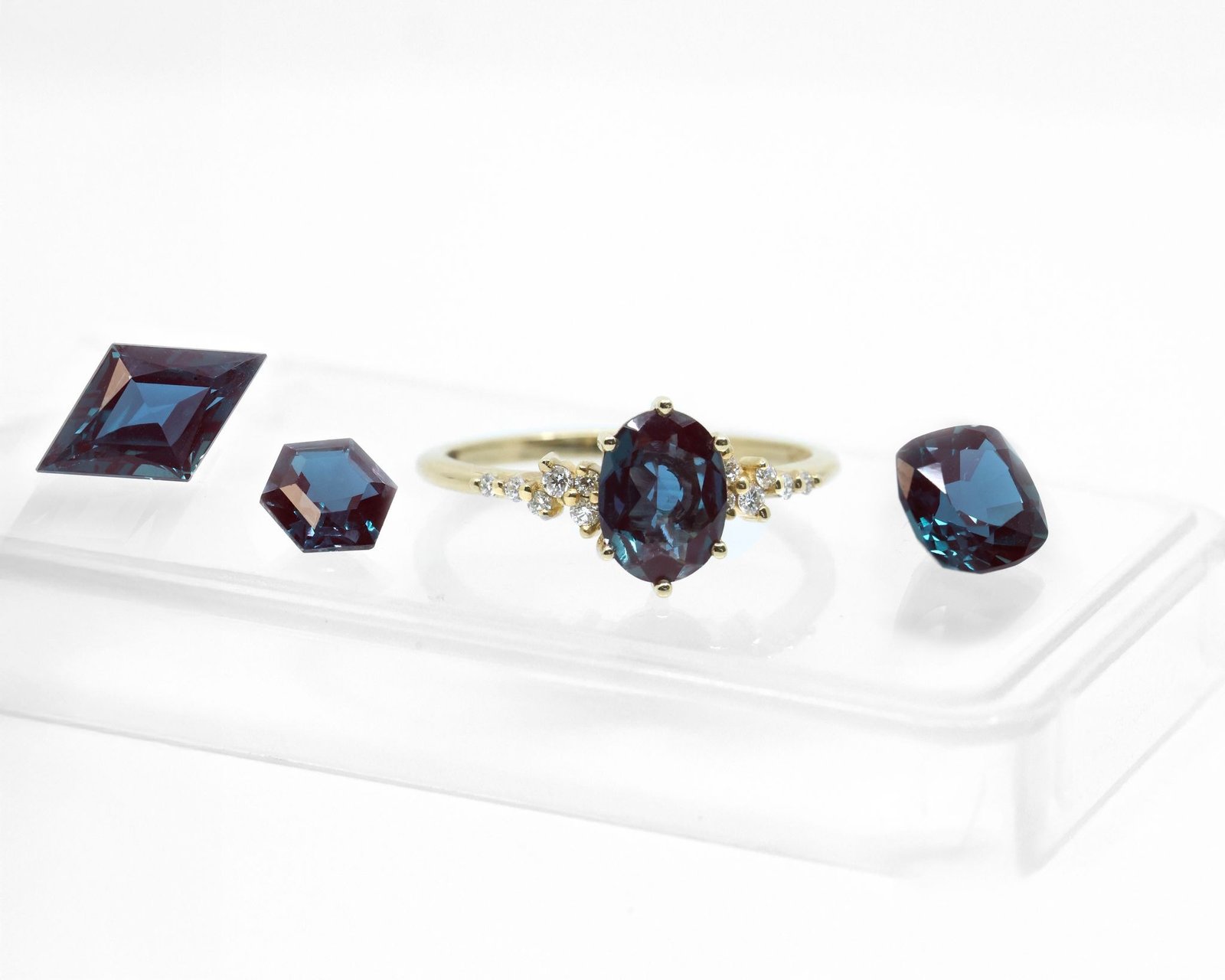
Place a high-quality lab-grown diamond next to a high-quality natural diamond, and most people will not be able to tell the difference.
That is because the biggest difference between the two types of diamonds is not visible to the naked eye.
Both types of gems have the potential to possess the brilliance, hardness, clarity, and beauty associated with diamond engagement rings. The defining difference is origin – natural diamonds are formed in the earth, and lab-grown diamonds are man made.
From an engagement-ring buyer’s perspective, the distinction goes further – it can affect the price, carat size, rarity, resale prospects, sourcing preferences, and even personal value.
Neither type of gem is inherently superior to the other – it depends on what matters most to the buyer and the person whose hand the ring is meant to adorn.
Are Lab-Grown Diamonds Real Diamonds?
Yes.
Lab-grown diamonds are real diamonds – they are not diamond simulants such as cubic zirconia.
Lab-grown and natural diamonds are fundamentally similar in terms of their chemical composition and crystal structure.
Lab-grown diamonds have essentially the same optical and physical properties as natural diamonds, according to the Gemological Institute of America. Their difference is in the environment in which they are formed – while natural diamonds are formed within the earth, lab-grown diamonds require a manmade process to take shape.
For an independent gemological perspective, refer to the GIA’s guide to laboratory-grown diamonds.
This difference in formation process is the reason behind all other differences between the two types of diamonds.
How Are Natural Diamonds Formed?
Natural diamonds are formed under immense heat and pressure in the earth, and then brought back up to the surface through natural processes before being mined.
The fact that a natural diamond did not originate in a laboratory is a key reason why some buyers prefer them.
A natural diamond represents a geological phenomenon that was not manufactured by people, and its limited supply helps account for its status as a coveted luxury item.
How Are Lab-Grown Diamonds Made?
Lab-grown diamonds are formed through a precise technological process that successfully recreates the conditions under which natural diamonds are formed.
The technology required to grow diamonds in a laboratory setting is complicated, but the process can be broken down into two methods:
HPHT (High Pressure High Temperature)
and
CVD (Chemical Vapor Deposition).
Both methods allow for the production of crystalline diamond structures that can then be cut and polished into the same shapes and sizes as natural diamonds.
Can You Tell the Difference by Looking?
Not with the naked eye.
A lab-grown diamond that has been cut well enough will look identical to a comparable natural diamond.
Both can feature brilliance, fire, and scintillation. Both can also have inclusions and display variances in color and clarity.
Specialized gemological tools and tests are required to consistently and reliably differentiate between the two.
This is why it is so important to work with jewelers who can provide grading documentation and honest disclosure.
Natural vs. Lab-Grown Diamonds: What’s the Difference?
When it comes to engagement rings, the primary considerations for buyers can be broken down into a simple table.
| Factor | Natural Diamond | Lab-Grown Diamond |
| Material | Diamond | Diamond |
| Origin | Formed naturally in the earth | Created artificially in a lab setting |
| Appearance | Can be visually identical at comparable grades | Can be visually identical at comparable grades |
| Hardness | 10 on the Mohs scale | 10 on the Mohs scale |
| Rarity | Naturally occurring Geographically limited supply | Can be produced artificially |
| Price | Generally higher at comparable specifications | Generally lower at comparable specifications |
| Carat size for a fixed budget | Usually smaller | Usually larger |
| Traditional association | Long-established in engagement jewelry | More recent category |
| Identification | Origin verified gemologically | Origin verified gemologically |
It is important to keep in mind that the discussion about lab-grown diamonds being “fake” is inherently flawed since both lab-grown and natural diamonds are real diamonds.
The real dilemma for the engagement-ring shopper is not whether a diamond is “real”, but which origin and value proposition they prefer.
Why Are Lab-Grown Diamonds Less Expensive?
Diamonds that originate in a laboratory can be produced reliably through a manufacturing process, whereas naturally occurring diamonds must be discovered, extracted, and refined.
As a result, lab-grown diamonds have seen their market prices drop substantially due to both increased supply and improved technology.
When comparing two options for an engagement ring, this can mean significantly more carat weight for the same price.
A prospective buyer weighing the options between natural and engagement rings lab grown may therefore find that the same budget provides very different choices in terms of carat size, setting, level of detail, or overall ring style.
A natural diamond may allow for a smaller carat weight, while a lab-grown diamond can be considerably larger while still leaving the budget with enough to allocate to the setting, precious metals, accent stones, or additional customization.
Are Natural Diamonds More Ethical?
Origin alone does not dictate this answer.
Responsible sourcing depends on the supply chain.
Natural-diamond buyers can look for information about sourcing policies, documentation, suppliers, and industry standards.
Lab-grown diamonds remove mining from the production process, but buyers may still want information about manufacturing conditions, energy sources, labor practices, cutting facilities, and traceability.
A more useful question than “Which diamond is ethical?” is:
What can the jeweler tell me about where this particular stone came from and how it reached the finished ring?
Which Diamond Is Better For an Engagement Ring?
Neither category is inherently superior to the other.
A natural diamond may be a better choice for someone who values:
- Geological origin
- Natural rarity
- Diamonds with traditional provenance
- A more established secondary market
- The idea of owning a naturally formed gemstone
A lab-grown diamond may be a better choice for someone who values:
- Larger carat size for the budget
- Lower purchase price at comparable specifications
- Avoiding conventional diamond mining
- Flexibility to allocate more budget to the setting or customization
- Diamond appearance without placing as much importance on natural origin
The important word is value.
In this case, it does not refer to financial value alone, but what you value.
Frequently Asked Questions
Are lab-grown diamonds fake?
No. Lab-grown diamonds are diamonds – they should not be confused with simulants such as cubic zirconia, which are different materials.
Can a jeweler tell whether a diamond is lab-grown?
Specialized testing and gemological equipment can differentiate between laboratory-grown diamonds and natural diamonds – visual inspection is not always sufficient.
Are lab-grown diamonds as hard as natural diamonds?
Yes. Both are diamond and possess the same fundamental hardness characteristics, making either suitable for everyday engagement-ring wear.
Why are natural diamonds more expensive?
Natural diamonds depend on geological formation and mining, and have a different supply structure and rarity profile. Lab-grown diamond production can be expanded technologically, which contributes to different market pricing.
Do lab-grown diamonds get cloudy over time?
A lab-grown diamond does not inherently become cloudy simply because it was laboratory-grown. Surface oils, lotions, and dirt can reduce the visible sparkle of any diamond until it is cleaned.
Which is better: a one-carat natural diamond or a larger lab-grown diamond?
That depends on your priorities. Choose the natural diamond if natural origin and rarity matter more to you. Choose the larger lab-grown stone if visual size and maximizing your budget matter more.
Final Thoughts
The real difference between lab-grown and natural diamonds lies in their origins – not whether one is a diamond and the other is not.
Natural diamonds are formed through geological processes in the earth, and lab-grown diamonds are the result of a manmade process.
That difference in formation affects rarity, price, sourcing considerations, resale expectations, and how much carat weight a buyer can get for a given budget.
Both can nevertheless make excellent engagement-ring center stones.
Instead of asking, “Which type of diamond is better?” ask what matters most to you: natural rarity or budget efficiency? A smaller naturally formed stone or a larger laboratory-grown one? Traditional provenance or a newer production model?


Sometimes a customer has already pictured the garment long before they write to us. They know the colour, the outline and the detail that would make it theirs. What they need to find out is whether that picture can become a workable piece of clothing.
One recent enquiry began with our Dalmatian-style latex catsuit, but the customer had a different character in mind: a spotted pig rather than a dog. The proposed changes were specific, thoughtful and not quite as simple as changing white latex to pink.
This is the story of that design brief, not a finished garment. We have omitted the customer’s identifying details, and none of the proposed modifications below should be read as a confirmed production option.
The colour was the beginning, not the whole idea
The customer wanted Bubblegum-Pink in place of the white background, keeping the black spots. They had seen a similar concept elsewhere and were asking whether we could adapt an existing design towards their own preferred look.
A reference can help establish a direction, but it is not a substitute for an agreed specification. Before quoting, we would need to clarify the pink shade and what the customer wanted to retain from the original spot layout. A similar theme does not necessarily mean an identical pattern or arrangement.
That distinction becomes useful when discussing custom clothing: name the details you want, rather than relying on two people to interpret “like this, but different” in the same way.
A shorter tail raises a different question from a curly one
The starting design included an inflatable tail. The customer’s first preference was a short, curly tail, with a shortened version of the original as an acceptable alternative if a curl was not practical.
That flexibility made the brief easier to understand. The essential visual request was a much shorter tail; the precise method remained open for discussion.
However, “shortened” and “curly” are not interchangeable construction instructions. A shorter version of an existing component does not automatically produce a curl. Before agreeing to either, we would need to review the intended shape, dimensions and construction.
We had not carried out that development or made a sample. It would therefore be misleading to describe how the proposed tail would hold its shape or behave in use.
Detachable means deciding what stays on the suit
The customer also preferred the tail to attach with fasteners rather than remain permanently attached.
This is a useful example of a detail that needs more than a yes-or-no answer. The type and position of the attachment would need agreement, along with what should be visible on the suit when the tail is removed.
A detachable component still needs an attachment area. Its layout and any supporting construction would have to be considered alongside the surrounding garment, rather than treated as an accessory added after every other decision.
No fastener type had been selected, and we had not confirmed that the requested arrangement could be supplied. The right next step would be a clear design review, not choosing hardware on the customer’s behalf and assuming it met the brief.
Separate gloves, then a choice at the feet
For the hands, the request was straightforward in intention: matching gloves instead of attached hands. At the feet, the customer preferred stirrups, possibly with separate socks.
Those choices would change how the outfit is divided into pieces. They would also require us to agree how the glove and sock edges should meet the suit. A separate accessory should not simply be assumed to reproduce the appearance of an attached section.
For a stirrup version, we would need to clarify the foot opening and the strip passing beneath the foot. If separate socks were included, their colour, length and sizing would form part of the specification too.
The customer had given us a helpful direction, but there were still decisions to make before the outfit could be priced as a complete set.
Custom size does not settle custom design
The final request was made-to-measure sizing.
In a separate sizing discussion, the customer’s measurements spanned more than one standard size. That made an individual fitting discussion more useful than picking a single label and expecting it to resolve every dimension.
But custom latex clothing sizing and design development remain different tasks. Body measurements help establish the fit of the garment. They do not tell us the length of the tail, the position of detachable fasteners or the preferred finish at a stirrup opening.
A complete brief needs both: an accurate set of relevant measurements and an agreed description of the garment being made.
The material constraint came before a quotation
The customer asked whether the project was possible, what it would cost including UK delivery and how to place the order.
At the time of the enquiry, a required material for our inflatable designs was out of stock. We therefore could not offer this catsuit or confirm the proposed adaptation.
We explained the limitation and invited the customer to consider another design. We did not provide a completed quotation or confirm a future restock date. Nor did we establish that a non-inflatable alternative would solve the problem; that would need its own review.
It is disappointing to pause a creative enquiry, especially when the customer has put care into it. But a material constraint should be disclosed before payment, not hidden behind an optimistic production estimate.
A useful brief can still be an unfinished project
What we appreciated about this enquiry was its clarity. The customer separated their preferences into colour, tail shape, attachment, gloves, feet and sizing. They also identified a possible compromise rather than leaving us to guess which detail mattered most.
That does not mean every request was feasible, or that the project was ready to order. It means we could see which questions needed answering.
For a similar enquiry, a marked reference image and a short list of essential features are useful starting points. From there, the maker needs to check materials, review construction, confirm what is included and provide a quotation before the customer commits.
Not every custom conversation ends with a finished outfit. Sometimes it ends with an honest pause. The idea remains worth discussing, but the garment should only be promised when there is a practical plan to make it.


A beard that looks great in October can look like a scrub brush by January. Cold air, wind and indoor heating all pull moisture from hair and skin, and facial hair suffers first. The good news is that winter beard care isn’t complicated. It’s mostly about moisture, maintenance and a little protection.
Why beards get rough in winter
Facial hair is coarser than scalp hair and relies on natural oils from the skin underneath to stay soft. In winter, low humidity outdoors and dry heated air indoors strip those oils faster than your skin can replace them. The result is brittle hair, split ends, flaking skin (often called “beardruff”) and that constant itch.
Step 1: Wash less, condition more
Washing your beard with regular shampoo every day is one of the worst winter habits. It removes the little oil that’s left. Wash with a gentle beard wash two or three times a week, and rinse with water on the other days. Use a beard conditioner after washing to replace moisture.
Step 2: Oil every day
Beard oil is the single most effective winter product. A few drops worked into the beard and the skin underneath soften the hair and stop the flaking that causes itching. Jojoba and argan oils are popular bases because they’re close to the skin’s natural oils and absorb without feeling greasy. If you’re not sure where to start, this guide to the best beard oils compares textures and scents and explains how much to use for your beard length.
Apply it after a warm shower, when the pores are open and the hair is slightly damp. Use a brush or comb to spread it evenly.
Step 3: Trim the damage
Dry winter air leads to split ends, and split ends make the whole beard look frizzy. Regular trims (every two to four weeks for longer beards) keep the shape clean. Longer beards need a trimmer with a long comb attachment and enough power to cut through dense hair without pulling. This list of beard trimmers for long beards focuses on models with extended length settings and strong motors.
Trim when the beard is dry. Wet hair stretches, so it’s easy to take off more than you meant to.
Step 4: Protect it outdoors
Your beard does keep your face warm, but it still needs help in harsh conditions. Wind can tangle and dry out longer beards quickly. A scarf, a buff or a jacket with a high collar and a good hood helps a lot. If you travel somewhere seriously cold, choose outerwear designed for it. Guides to warm winter coats for men built for polar trips are useful even for snowy home winters, because they look at waterproofing, hoods and wind protection, not just insulation.
Step 5: Don’t forget the skin
A soft beard sits on healthy skin. Drink water, run a humidifier in the bedroom if the air is very dry, and avoid very hot showers, which feel great but strip oils.
Treat your beard like the rest of your winter wardrobe: a little care every day keeps it looking good until spring.


Two online listings can show equally glossy pajamas while describing very different fabrics. One says silk, another says satin, and a third relies on “silky” without making the fiber content obvious. Add momme weights, luxury language, and a wide price range, and a simple purchase becomes difficult to compare.
The best starting point is a short set of questions: What is the item made from? Will it fit? What exactly is included? Can you care for it? Answer those before deciding whether the color or finish is worth the price.
Read the composition before the headline
Silk describes a fiber. Satin describes a weave, so a satin fabric may be made from silk, polyester, or another fiber. The two words are not opposing categories: silk satin is possible.
“Silky,” meanwhile, describes an impression rather than a guaranteed composition. A product can feel smooth without containing silk. Look for a clear fiber-content statement instead of relying on a photograph or a product name.
Read the percentages when the fabric is a blend. A garment with added stretch fiber is different from one described as 100 percent silk. Neither description tells you everything about comfort, but it should tell you what you are buying.
Check which part of the item the claim covers. A silk exterior does not necessarily mean silk lining, trim, or filling. If a listing is unclear, ask for clarification before comparing its price with another product.
Understand what momme can tell you
Momme is a measure of silk fabric weight. When comparing otherwise similar fabrics, a higher momme figure generally indicates a heavier fabric. It is not a complete quality score.
Weight can affect how a fabric feels and drapes, but weave, finishing, construction, and garment design also matter. A heavier fabric is not automatically better for someone who wants a light sleep shirt. A lighter fabric is not automatically unsuitable simply because the number is lower.
Compare items intended for the same use. A pillowcase, a robe, and tailored pajamas do not need to behave identically. Ask what the weight means for this particular item rather than searching for one number that makes every purchase correct.
If a seller supplies a momme figure without the composition, you still need the missing information. A technical term should make the product easier to understand, not distract from basic questions.
Check fit as carefully as fabric
Sleepwear needs room for movement. A set can look beautifully fitted while standing and become uncomfortable when you sit or turn over.
Compare your measurements with the seller’s size guide, and establish whether the chart shows body measurements or finished garment measurements. If the distinction is unclear, ask. Do not assume your usual size transfers between brands.
Pay attention to shoulder width, chest ease, rise, and sleeve and pant lengths. Consider the waistband separately: a size can fit through the hips while still feeling restrictive at the waist.
When browsing MANITO women’s silk pajamas, use individual product descriptions and size information to compare the styles that interest you. The category includes different designs, so check the specific item rather than assuming one fabric blend or cut applies throughout.
If returns are important to your decision, review the current policy before ordering, including any conditions for personalized items. Keep tags and packaging while you assess fit according to that policy.
For bedding, measure the actual bed
A familiar size name is only the beginning. Mattress depth, pillow dimensions, and duvet dimensions can vary, so record the measurements of the pieces you need to cover.
For a fitted sheet, compare the pocket depth with the full mattress height, including a topper if you use one. For a duvet cover, compare its dimensions with the insert. Check pillowcase sizes rather than assuming every set includes the right shape.
Read the contents list line by line. “Bedding set” may refer to a different combination of pieces from one retailer to another. Do not assume it includes a fitted sheet, a flat sheet, a duvet cover, and pillowcases.
When comparing mulberry silk bedding sets, separate material preference from practical compatibility. A set that looks ideal still needs to fit your bed and contain the pieces you want. If only one component needs replacing, check whether buying it individually would make more sense.
Look closely at construction details
Online photographs cannot reproduce the feel of fabric, but they can help you inspect design choices. Zoom in on seams, hems, buttons, closures, and the waistband.
For pajamas, notice whether buttons have a backing or placement that may bother you when lying down. Check pockets if you plan to wear the set around the house. For bedding, look at closure types and any internal ties described in the listing.
These details are functional. A beautifully finished duvet cover is still inconvenient if its closure does not suit the way you change bedding.
When the item arrives, inspect it in good light before use or washing. Look for unexpected pulls, loose stitching, or differences from the description. Follow the retailer’s process if something is wrong rather than attempting a repair that might affect a return.
Decide whether the care fits your week
Silk products do not all share one washing instruction. Dyes, trims, construction, and finishes can change what the finished item needs.
Before purchasing, find out whether the product permits hand washing, machine washing, or requires professional cleaning. Then consider your own setup. Do you have space to dry a large duvet cover? Can you keep delicate laundry separate from rough fabrics and exposed fasteners?
A small garment may be easier to accommodate than a full bedding set. Buying one useful item first gives you a chance to learn how its feel and care requirements suit you.
Do not treat “washable” as permission to use any cycle, detergent, or drying method. Read the details. The most convenient product is one whose instructions you can consistently follow.
Compare the complete purchase
Once you have narrowed the options, compare like with like. Write down the composition, dimensions or size, included pieces, care method, and total price.
Include any foreseeable costs, such as professional cleaning or additional bedding components. Check shipping and returns for your location. A lower headline price may represent fewer pieces rather than better value.
Resist the temptation to justify a purchase with a guaranteed lifespan or a promise of better sleep. Those outcomes depend on use, care, and individual circumstances. You can make a sound decision without turning a material preference into a medical or financial claim.
Your first silk purchase should solve a clear need: comfortable sleepwear, a lighter robe, or bedding with a texture you enjoy. When the label, fit, dimensions, and care all make sense, the final choice becomes much easier to make.

5 Industries That Should Start Exploring Quantum Key Distribution Today

Best AI Chatbot for Humanlike Writing: Blogs, Emails and Social Posts

From Dalmatian Spots to Bubblegum Pink: A Custom Latex Catsuit Brief

The Real Cost of Mud: Why Cleaning Vehicles at the Gate Pays for Itself

Best Place to Buy Business Laptops in Bulk in the UK

Who Is Indiana Urban? Inside the Life of Karl Urban’s Son and Rising Actor

Jennifer Seyfried: All About Amanda Seyfried’s Sister, Her Life and Career

Who Is Zachary Hudson? Inside the Private Life of Cindy Williams’ Son

Who Is Stephen G. Walker? All About PinkPantheress’ Father and His Academic Career

Cynthia Womack Biography: The Life, Career, and Legacy of Connie Britton’s Twin Sister
Who Is Indiana Urban? Inside the Life of Karl Urban’s Son and Rising Actor
Jennifer Seyfried: All About Amanda Seyfried’s Sister, Her Life and Career
Who Is Zachary Hudson? Inside the Private Life of Cindy Williams’ Son
Who Is Stephen G. Walker? All About PinkPantheress’ Father and His Academic Career
Cynthia Womack Biography: The Life, Career, and Legacy of Connie Britton’s Twin Sister
-
Biography9 months ago
Who Is Indiana Urban? Inside the Life of Karl Urban’s Son and Rising Actor
-
Biography8 months ago
Jennifer Seyfried: All About Amanda Seyfried’s Sister, Her Life and Career
-
Biography8 months ago
Who Is Zachary Hudson? Inside the Private Life of Cindy Williams’ Son
-
 Biography7 months ago
Who Is Stephen G. Walker? All About PinkPantheress’ Father and His Academic Career
-
Biography9 months ago
Cynthia Womack Biography: The Life, Career, and Legacy of Connie Britton’s Twin Sister
-
 Biography8 months ago
Lynn Payne: Inside the Life and Love Story of Randy Savage’s Wife
-
 Biography8 months ago
Who is Lynn Levesque? Everything to Know About Triple H’s Sister
-
 Biography9 months ago
Who Was Gretchen Knauff? The Private Life of Jennifer Coolidge’s Mother