
Lifestyle
Best Smart Ring: A Modern Choice for Fitness Gifts

Introduction to Smart Rings and Fitness Gifts
Finding a useful gift for someone who enjoys fitness can be challenging. Many people already own water bottles, gym bags, workout clothes, and other exercise accessories. If you want something practical and modern, wearable technology offers an interesting alternative. In addition to its small size, a smart ring has features that help users understand their daily activities and wellness routines.
Choosing the best smart ring means finding a device that matches the recipient’s lifestyle, comfort preferences, and fitness goals. Depending on the model, a smart ring may track steps, estimate heart rate, monitor sleep patterns, and provide insights into recovery.
These features also make smart rings appealing fitness gifts for people who enjoy staying active. Unlike larger wearable devices, many smart rings have a minimalist appearance and can be worn throughout the day.
Whether you are shopping for a birthday, holiday, anniversary, or special achievement, a smart ring can be a thoughtful choice. Understanding the available features and limitations will help you select a device that offers lasting value.
What Is a Smart Ring?
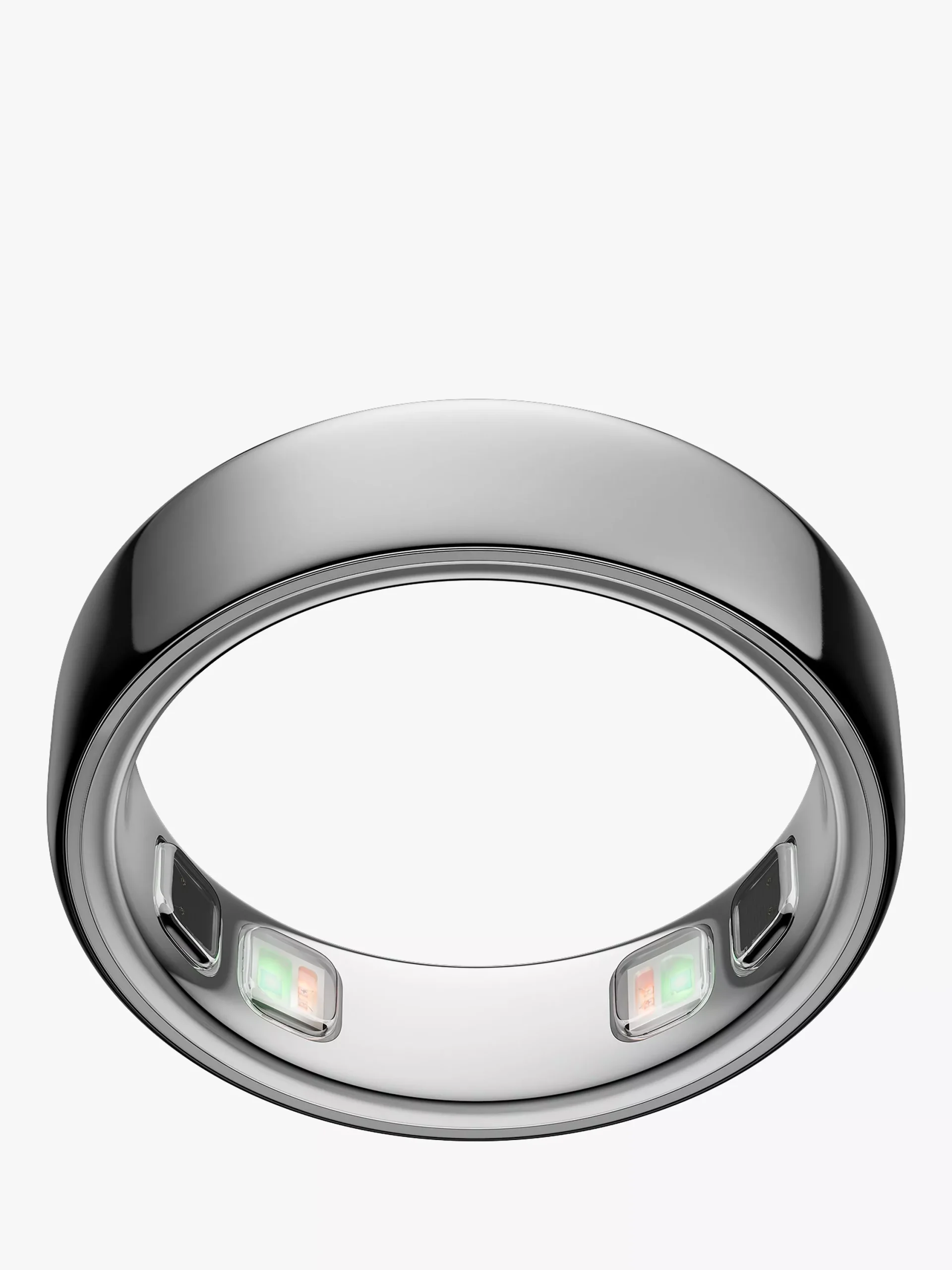
A smart ring is a small electronic wearable designed to collect selected activity and wellness measurements. It resembles a traditional ring but contains miniature sensors and wireless technology.
Most models connect to a compatible smartphone through Bluetooth. The accompanying application displays information through charts, daily summaries, and longer-term reports.
Depending on the device, users may be able to review their daily movement, sleep duration, heart rate, and other wellness indicators. Some rings also estimate recovery or provide activity recommendations.
Unlike many smartwatches, smart rings generally do not include a large display. Their focus is on collecting information in the background rather than showing constant notifications.
This design makes them suitable for people who prefer simple accessories. However, features and tracking capabilities differ considerably between models, so it is important to compare specifications before purchasing.
Why the Best Smart Ring Can Be a Great Fitness Gift
A smart ring can make an excellent fitness gift because it supports awareness of everyday habits. Fitness is not limited to intense workouts or time spent at the gym. Sleep, recovery, movement, and consistency also influence an active lifestyle.
A ring may help the recipient recognize how much they move during the day. Activity summaries can encourage someone to take walking breaks or gradually increase their daily steps.
With the help of sleep tracking, users may also be able to identify patterns in their bedtime routines. Better awareness can encourage consistent sleep schedules and more balanced recovery habits.
Another advantage is its compact design. People who dislike bulky wristbands may prefer a lightweight ring that fits naturally into their everyday routine.
Still, a smart ring should not feel like a requirement to exercise more or constantly monitor personal measurements. The best gift supports the recipient’s interests and makes their routine more convenient.
Important Features of a Smart Ring to Look For
Before choosing a smart ring, consider the features that would be most useful for the recipient.
Activity Tracking
Many smart rings estimate daily steps and record movement throughout the day. Some applications also provide activity goals or summaries of active periods.
Users can make realistic adjustments to their routines and gain a better understanding of their general activity levels with these features.
Heart Rate Monitoring
Many models use optical sensors to estimate heart rate. Some also provide heart rate variability measurements, which describe changes in the time between heartbeats.
These measurements may offer general insights into wellness and recovery, but they should not be treated as medical diagnoses.
Sleep Tracking
Sleep monitoring is an important feature for people who want to understand their rest patterns. Depending on the model, a smart ring may estimate sleep duration, nighttime movement, and sleep stages.
These estimates can help users observe patterns over time, although they are not a replacement for clinical sleep assessments.
Recovery Insights
Some smart rings combine activity, sleep, and other measurements to provide a recovery or readiness score.
This information can help users reflect on their routines, but personal comfort and fatigue still matter. A high score does not mean someone must exercise when they feel unwell or exhausted.
How to Choose the Best Smart Ring for Fitness Lovers
Selecting the right ring requires more than comparing product photographs or advertised features.
Consider the recipient’s goals. Someone interested in sleep and daily wellness may prefer different features from someone who primarily tracks workouts.
Check the sizing options. A ring must fit securely without being uncomfortable. Poor fit may also affect sensor contact. Look for a sizing kit or a clear exchange policy.
Review battery life. Different devices require charging at different intervals. Consider whether the recipient will find the charging routine convenient.
Check smartphone compatibility. Most smart rings rely on a companion application. Confirm that the device works with the recipient’s smartphone and operating system.
Understand the subscription policy. Some rings include their main features without recurring payments, while others charge for advanced reports. Check the manufacturer’s current terms.
Compare durability. Examine the materials, water-resistance rating, warranty, and guidance for wearing the ring during exercise.
These details help ensure that your fitness gift is both practical and suitable for regular use.
Best Fitness Gifts for Different Types of People
Not everyone has the same exercise routine, so the best fitness gifts depend on personal interests and habits.
1. Smart Ring for Wellness Enthusiasts
A smart ring can suit someone who enjoys monitoring sleep, daily movement, and general wellness trends. Its discreet design works well for everyday wear.
2. Insulated Water Bottle
A reusable bottle is useful for gym sessions, outdoor walks, and busy workdays. Select a robust design that is simple to transport and clean.
3. Resistance Bands
Resistance bands are lightweight and versatile. They can support home workouts, warm-ups, and strength exercises for different fitness levels.
4. Running or Training Shoes
Quality athletic shoes can be valuable for someone who enjoys walking, running, or gym training. Choose footwear suited to the person’s activity and fit requirements.
These options can also be combined into a personalized fitness gift package. For example, a smart ring and water bottle may suit someone who enjoys both wearable technology and outdoor exercise.
Smart Ring vs. Smartwatch for Fitness Tracking
Smart rings and smartwatches provide overlapping wellness features, but they serve different preferences.
A screen, GPS, workout controls, notifications, and other interactive features are common features of smartwatches. It can be especially useful for runners, cyclists, and people who want to view exercise statistics during a workout.
A smart ring typically focuses on discreet tracking and a compact form. It may be more appealing to people who prefer to collect sleep and wellness information without wearing a screen on their wrist.
Neither device is the best choice for everyone. A smartwatch may offer more workout-specific functions, while a ring may provide a simpler everyday experience.
When choosing between them as a gift, consider how the recipient exercises and what information they actually want to access. Don’t spend money on features they won’t use.
Are Smart Rings Worth the Price?
The value of a smart ring depends on its purchase price, capabilities, comfort, and long-term usability.
Some devices offer core tracking features without a subscription, while others require membership payments for selected insights. Comparing the total cost over several years can help you understand which option offers better value.
More expensive models may include additional sensors or advanced reports, but these features are not essential for every user. A simpler ring may be sufficient for someone who only wants basic activity and sleep information.
Before purchasing, read independent reviews and check the manufacturer’s warranty and return policy. This is particularly important because sizing and comfort can affect how often the recipient wears the device.
Remember that smart rings provide estimates of wellness measurements. Their value comes from helping users observe general patterns, not from providing perfectly accurate readings or guaranteed fitness results.
Tips for Giving a Smart Ring as a Gift
A little planning can make your gift more useful and personal.
First, try to determine the recipient’s ring size without guessing. If you cannot confirm it, choose a seller that offers exchanges or allows the final size to be selected later.
Next, consider the finish and overall design. A simple style may suit someone who wears minimal jewelry, while a more distinctive finish might appeal to someone with a stronger personal style.
Include information about the device’s main features and any subscription requirements. If possible, confirm that the recipient’s phone supports the companion application.
Finally, add a personal message explaining why you selected the gift. Focus on convenience, curiosity, or supporting an existing interest in fitness rather than suggesting the recipient needs to change their body or habits.
A thoughtful presentation can make even a technology-focused gift feel personal.
Frequently Asked Questions
1. What is the best smart ring for fitness tracking?
The best option depends on your budget, desired tracking features, phone compatibility, comfort preferences, and subscription requirements.
2. Are smart rings good fitness gifts?
Yes. They can suit people interested in activity tracking, sleep patterns, and general wellness, especially if they prefer compact wearable technology.
3. Can a smart ring track workouts?
Some models record activity and exercise-related measurements, but capabilities vary. Check whether a particular ring supports the recipient’s preferred sports.
4. Do smart rings require monthly subscriptions?
Some provide core features without recurring fees, while others charge for premium insights. Review the current terms before purchasing.
5. Can a smart ring replace a smartwatch?
Not completely. Smart rings generally focus on discreet tracking, while smartwatches often provide screens, GPS, and interactive workout controls.
6. What other fitness gifts can I buy?
Water bottles, resistance bands, training shoes, gym bags, workout accessories, and fitness journals are useful alternatives.
Conclusion
Choosing the best smart ring can be a practical way to support someone’s interest in fitness and everyday wellness. Its compact design and tracking features may help users understand their activity levels, sleep patterns, and general routines.
As one of many fitness gifts available today, a smart ring stands out for combining wearable technology with a discreet appearance. Before buying, compare sizing, battery life, tracking capabilities, smartphone compatibility, subscription costs, and warranty coverage.
The best fitness gift is not necessarily the most expensive or technologically advanced. It is the one that suits the recipient’s lifestyle, supports their interests, and provides genuine everyday value.

Ordering contacts online should take ten minutes. It usually does, until the order stalls because a prescription number doesn’t match, or a box arrives with the wrong base curve, or you realize your prescription expired in March.
Most of these problems come from a few details people don’t think about until they’re already at checkout. Here’s what I’d sort out first, in roughly the order it comes up.
Start With the Prescription, Not the Website
A contact lens prescription isn’t the same as the one for your glasses, and sellers can’t swap one for the other. It names a specific lens and lists the power, base curve, and diameter, plus an expiry date. Astigmatism or multifocal prescriptions add a few more numbers, such as cylinder, axis, and add power.
Look at the date first. In the US, most prescriptions are valid for at least a year, though a doctor can set a shorter period and some states have their own rules. If yours has lapsed, a legitimate seller won’t fill it, and you’ll need a new exam before anything else happens.
Your doctor is also required to hand you a copy once the fitting is done, even if you don’t ask for it. You don’t have to buy from their office. If you never got one, ask for it. That’s a normal request.
Know What You’ve Been Prescribed
People often say “I wear dailies” or “I wear Acuvue” and assume that’s enough. It isn’t. The prescription names a particular lens, and a lookalike with the same power can still sit differently on your eye because the curvature and diameter vary between brands.
Take Dailies AquaComfort Plus, a daily hydrogel lens from Alcon that has been around for a long time. It comes in toric and multifocal versions as well, but those are different products with different parameters. If your prescription says one version, ordering another because it’s cheaper or easier to find can leave you with a lens that moves around or feels off. Match the product name exactly, then match the numbers.
How the Ordering Process Usually Goes
When you buy contact lenses online, you’ll generally be asked to do one of two things: upload a copy of your prescription, or give the seller your doctor’s name and phone number so they can verify it.
The second route is slower. The seller has to contact your doctor’s office, and in the US the order typically waits until the office confirms, or until the window set by federal rules passes with no response. That can take a day or two, longer if the office is closed over a weekend. Uploading a copy yourself avoids the wait, so if you’re running low on lenses, do that.
It also pays to check how much you’re actually ordering. Dailies usually come in boxes of 30 or 90, and someone who wears them every day goes through a 90-pack in about three months. People who wear them a couple of times a week can often manage with smaller boxes. Some retailers also offer multi-box deals, which are worth a look if you know the lens suits you.
Things to Check Before You Pay
A few quick checks save a lot of hassle:
- The seller asks for a prescription. If a site will sell you lenses without one, don’t use it. That’s a legal requirement in the US, and it exists because a badly fitted lens can hurt your eye.
- The product matches your prescription. Brand, power, base curve, diameter, and any toric or multifocal details should all be identical.
- There’s a clear returns policy. Mistakes happen on both sides, and you want to know what you can send back and how long you have.
- Shipping times are realistic. If you’re on your last pair, standard delivery might not cut it.
- The contact details are real. A phone number or email you can actually reach is a good sign.
When the lenses arrive, check the expiry date on the box. A date that’s close to today is a reason to contact the seller.
Mistakes That Cost People Time and Money
The biggest one is leaving it too late. Running out of lenses on a Friday, with an expired prescription and a seller waiting on your doctor, is how people end up stretching a pair into a second or third day. Daily lenses aren’t designed for that, and an old lens is more likely to irritate your eye or lead to an infection.
Another is picking a lens by price alone. A cheaper lookalike may be fine for someone, but your doctor chose yours for a reason. If you want to try something different, ask first.
Some people skip eye exams because their vision seems stable. An exam checks the health of your cornea and how the lenses are fitting, and you can’t judge either of those yourself.
Finally, if your eyes become painful or very red, or your vision turns blurry, take the lenses out and call your eye doctor. Reordering the same lens isn’t the answer.
FAQs
Can I buy contact lenses online without a prescription?
Not legally in the US. A legitimate seller will ask for your prescription or verify it with your doctor.
Why is my order taking so long?
Most often the seller is waiting for your doctor’s office to confirm the prescription. Uploading a copy yourself usually speeds things up.
Can I order a different brand than the one on my prescription?
Only if your prescriber approves it. Different brands vary in material, shape, and fit, so a substitute may not suit your eyes.
Is Dailies AquaComfort Plus suitable for everyone?
No lens is. It’s a popular daily option, but how it feels depends on your eyes, your prescription, and your day. A trial with your eye doctor will tell you more than a product page can.
What if I receive the wrong lenses?
Contact the seller right away and keep the packaging. Don’t wear them until it’s sorted, especially if the parameters differ from your prescription.
How early should I reorder?
A couple of weeks before you run out is a safe margin. That leaves time for verification and delivery.
Final Thoughts
Buying contacts online works well when the details are right: a current prescription, the exact lens named on it, and enough lead time that you aren’t rushing. Check those three things and the rest tends to take care of itself. If something about your order looks wrong, or your eyes aren’t happy with a new box, stop and call your eye doctor.

Few things feel as invigorating as stepping outdoors on a bright, clear morning. While sunlight plays an essential role in regulating circadian rhythms and triggering the body’s synthesis of Vitamin D, overexposure to ultraviolet (UV) radiation poses significant, often hidden, threats to your overall health. UV radiation penetrates dermal layers and damages cellular structures, leading to immediate discomfort as well as compounding tissue degradation over time. Understanding the full spectrum of effects that excessive sun exposure can cause is the first step toward building a safer daily skin health routine.
Immediate and Short-Term Consequences
When your skin receives more radiation than its natural defense mechanisms can neutralize, the body triggers an acute inflammatory response. The most familiar short-term result is a sunburn, characterized by painful redness, swelling, and skin that feels warm to the touch. In severe cases, painful blistering, systemic fever, and extreme fatigue can develop.
Beyond painful burns, excessive sun exposure can cause acute hydration issues and temporary immune suppression. As intense outdoor heat causes the body to sweat heavily, fluid loss can quickly lead to dehydration, dizziness, and heat exhaustion. At the same time, high doses of UV radiation suppress local immune function within dermal tissues, reducing the skin’s capacity to defend against secondary infections and clear damaged cells.
Structural Changes and Accelerated Aging
While sunburns eventually heal on the surface, UV damage is cumulative and persists within deeper layers of tissue. Ultraviolet radiation is primarily divided into two spectrums that affect the skin: UVA and UVB. UVA rays penetrate deep into the dermis, breaking down collagen and elastin—the vital structural proteins responsible for keeping skin firm, smooth, and resilient.
Over time, chronic UVA exposure accelerates visible signs of aging, a process medically known as photoaging:
- Wrinkles and Loss of Firmness: As supportive elastin and collagen fiber networks degrade, skin loses its natural elasticity, resulting in premature fine lines, deep creases, and sagging tissue.
- Textural Roughness: Skin that regularly sustains unprotected sun exposure often develops a thick, rough, or leathery texture.
- Hyperpigmentation: UV rays stimulate melanin-producing cells irregularly, leading to age spots, freckles, and uneven skin tone.
Cellular Damage and Skin Cancer Risk
The most serious impact of repeated UV exposure occurs at the cellular level. Both UVA and UVB rays alter cellular DNA structures, causing genetic mutations that interfere with normal cell growth and repair mechanisms. When repair processes fail to keep pace with continuous damage, abnormal cells can multiply uncontrollably.
This accumulated DNA damage lays the foundation for precancerous growths, such as actinic keratoses—rough, scaly patches that can evolve into squamous cell carcinoma if left unmanaged. Over time, persistent exposure significantly increases the risk of developing non-melanoma skin cancers (basal cell carcinoma and squamous cell carcinoma) as well as melanoma, the most aggressive form of skin cancer. Because factors like higher elevation can amplify UV radiation intensity, consulting an experienced skin cancer dermatologist in Ogden, UT for routine full-body screenings is vital for identifying suspicious lesions early.
Eye Damage and Systemic Health Risks
Sun exposure affects more than just the skin; your eyes and overall systemic health are equally vulnerable. Extended exposure to bright sunlight without proper UV-blocking eyewear can cause corneal sunburn (photokeratitis) and accelerate long-term ocular conditions, including cataracts and macular degeneration.
Protecting Your Skin and Long-Term Health
Fortunately, most harmful sun effects are preventable through consistent daily protection habits:
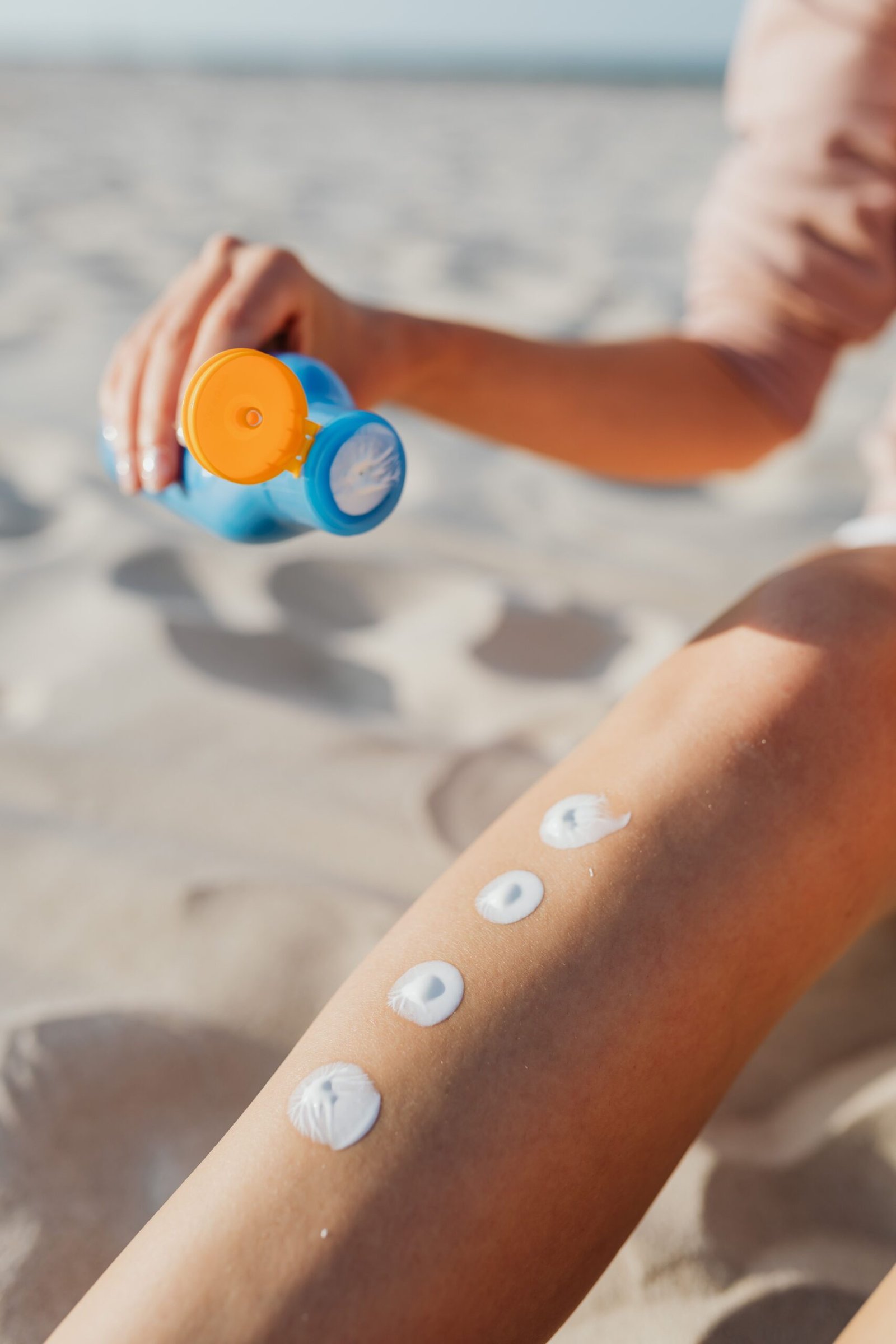
- Apply Broad-Spectrum Sunscreen: Use an SPF 30 or higher daily, reapplying every two hours when spending extended periods outdoors.
- Seek Shade and Wear Protective Gear: Avoid peak UV hours between 10 a.m. and 4 p.m., and wear UV-blocking sunglasses, wide-brimmed hats, and protective clothing.
- Perform Regular Checks: Conduct monthly self-exams to monitor existing moles and schedule annual checks with a medical specialist.
By taking proactive steps to minimize UV exposure, you can enjoy outdoor activities safely while protecting your health for years to come.

Capturing the magic of an unforgettable journey is effortless while you are living it, but keeping those moments alive once everyday routine resumes is surprisingly difficult. Too often, hundreds of vibrant vacation photos languish untouched in smartphone camera rolls, while novelty trinkets end up gathering dust in hallway junk drawers.
Preserving travel memories should not feel like an administrative chore, nor should it result in domestic clutter. The most enduring mementos engage our senses, tell authentic stories, and integrate seamlessly into our everyday lives. Moving beyond generic souvenirs requires intentionality. Here are seven creative, timeless ways to preserve the spirit of your favorite travels long after unpacking your bags.
Design a Curated Photo Book Instead of Storing Digital Clutter
Designing an edited, narrative-driven photo book transforms thousands of forgotten camera-roll images into a tangible heirloom you will actually revisit.
The most common mistake travelers make is photo hoarding. Returning home with 2,000 photos often leads to analysis paralysis, leaving the entire gallery buried behind screen locks. Rather than printing every single snapshot, commit to deliberate travel photo book curation. Select 40 to 60 essential images that capture the genuine arc of your trip: the quiet morning espresso, an unexpected detour down a cobblestone alley, and unposed, candid laughter.
Organize the book chronologically or thematically, leaving plenty of negative space around each image. Add brief captions noting the date, location, or an inside joke from that afternoon. High-quality linen-bound photo books sit beautifully on a coffee table, inviting guests and family members to pick them up and relive the experience naturally.
Invest in Wearable Keepsakes and Fine Jewelry
Choosing a piece of fine jewelry or a tailored accessory during a journey anchors your memories to an item you can wear and enjoy every single day.
Mass-produced souvenirs like plastic keychains, cheap novelty t-shirts, and mass-market magnets rarely survive the test of time. Instead, seek out lasting craftsmanship that embodies the spirit of the place you visited. A signet ring engraved with geographic coordinates, a pendant holding a locally sourced mineral, or an exquisite bracelet acquired while browsing fine jewelry in Scottsdale transforms your journey into a permanent personal signature.
When selecting heirloom keepsake jewelry, prioritize timeless design over overt tourism branding. A piece crafted with integrity becomes an immediate conversation starter and an intimate daily reminder of personal milestones, romantic getaways, or solo breakthroughs.
Frame Paper Ephemera in Museum-Style Shadow Boxes
Preserving physical paper goods—such as transit tokens, handwritten receipts, museum stubs, and vintage postcards—in glass shadow boxes protects delicate mementos while producing bespoke wall decor.
Travelers frequently collect flat keepsakes with great intentions, only to let them crumple in suitcase pockets. These everyday scraps of paper often hold far more emotional resonance than standard gift-shop merchandise because they reflect your actual daily movements.
Gather your paper ephemera immediately upon returning home:
- Metro tickets, railway boarding passes, and ferry stubs.
- Embossed business cards from memorable neighborhood bistros.
- Wine labels carefully peeled from a celebratory dinner bottle.
- Hand-stamped museum passes and botanical garden maps.
Arrange the items in a minimalist wooden shadow box or a floating glass frame using archival-safe, acid-free adhesive. Hanging this tactile collage in an entryway or study turns authentic travel relics into elevated graphic art.
Master and Recreate Regional Culinary Traditions
Learning to prepare the signature dish of your travel destination brings the authentic aroma, taste, and cultural heritage of your trip straight into your home kitchen.
Taste and smell are directly wired to the brain’s memory centers. One of the most effective ways to combat post-vacation blues is to recreate the meals that made your trip distinct. Before leaving your destination, pick up a locally published cookbook, or take a half-day cooking class taught by a home chef.
Bring home vacuum-sealed regional spices, dried chiles, or cold-pressed olive oils that are difficult to find at domestic supermarkets. Establishing a personal tradition—such as cooking homemade pasta on Sunday evenings or hosting an annual dinner party featuring Spanish tapas for your travel companions—makes memory preservation a shared, multi-sensory celebration.
Build an Olfactory Memory Bank with Local Fragrances
Purchasing a regional perfume, botanical incense, or locally poured candle links the evocative neurological power of scent directly to the environment you explored.
The human olfactory bulb is intimately connected to the amygdala and hippocampus, the brain areas responsible for emotion and memory. A single whiff of a familiar scent can instantly transport you back to a specific courtyard or seaside cliff faster than an entire photo album.
Embrace sensory travel souvenirs by visiting independent apothecary shops, botanical gardens, or perfumeries during your stay. Choose a signature fragrance you only wear during that trip, or pick up a candle scented with indigenous flora, such as Mediterranean cypress, desert cedar, or coastal citrus. Burning that candle on a quiet evening at home immediately revives the ambiance of your time away.
Record Ambient Soundscapes and Compile Destination Playlists
Capturing short audio recordings of street noise, ocean tides, or transit chimes documents the immersive atmosphere of a destination that photography cannot convey.
Visual media captures what a place looked like, but audio preserves what it felt like to exist in that space. Using the voice memo app on your phone, record 30-second clips of ambient sound: the ringing church bells in a village square, the bustle of a morning fish market, or the rhythmic sound of waves against a harbor dock.
Complement your field audio by building a dedicated travel playlist. Whenever you hear an unfamiliar song playing in a local taxi, cafe, or boutique lounge, identify it and add it to your trip soundtrack. Listening to that curated playlist during your morning commute reawakens the carefree cadence of exploration.
Keep a Micro-Journal of Candid Quotes and Small Observations
Jotting down two-sentence observations and unscripted dialogue in a pocket notebook captures the subtle human interactions that photos inevitably overlook.
Traditional travel journaling often fails because travelers feel pressured to write extensive, essay-style entries after an exhausting day of sightseeing. Micro-journaling removes the burden of comprehensive documentation. Carry a slim, pocket-sized notebook and jot down brief impressions during transit pauses or morning coffee breaks.
Focus on fleeting details:
- The witty remark made by an eccentric tour guide.
- The specific color of the morning light across a historic bridge.
- The surprising texture of a street-food delicacy.
- The unexpected warmth of an interaction with a stranger when asking for directions.
These quick, unpolished notes preserve the emotional texture of your trip, ensuring the small, human moments remain vivid for decades to come.
Preserving travel memories is not about documenting every passing second or surrounding yourself with disposable trinkets. The most rewarding keepsakes are deliberate anchors that fit your lifestyle: a carefully curated photo book, a beloved heirloom piece, or a regional recipe shared around a table. By choosing quality, sensory richness, and personal relevance over sheer volume, you ensure your greatest adventures continue to enrich your daily life long after the trip has ended.

Best Smart Ring: A Modern Choice for Fitness Gifts

A Smarter Way to Buy Contact Lenses Online: What to Check Before You Order

The Ultimate Office Spring Cleaning Checklist for Small Businesses

Optimizing Industrial Packaging Automation: Technical Standards, Electrical Safety, and Line Efficiency

What Are the Effects of Too Much Sun Exposure?

Who Is Indiana Urban? Inside the Life of Karl Urban’s Son and Rising Actor

Jennifer Seyfried: All About Amanda Seyfried’s Sister, Her Life and Career

Who Is Zachary Hudson? Inside the Private Life of Cindy Williams’ Son

Who Is Stephen G. Walker? All About PinkPantheress’ Father and His Academic Career

Cynthia Womack Biography: The Life, Career, and Legacy of Connie Britton’s Twin Sister
Who Is Indiana Urban? Inside the Life of Karl Urban’s Son and Rising Actor
Jennifer Seyfried: All About Amanda Seyfried’s Sister, Her Life and Career
Who Is Zachary Hudson? Inside the Private Life of Cindy Williams’ Son
Who Is Stephen G. Walker? All About PinkPantheress’ Father and His Academic Career
Cynthia Womack Biography: The Life, Career, and Legacy of Connie Britton’s Twin Sister
-
Biography8 months ago
Who Is Indiana Urban? Inside the Life of Karl Urban’s Son and Rising Actor
-
Biography7 months ago
Jennifer Seyfried: All About Amanda Seyfried’s Sister, Her Life and Career
-
Biography7 months ago
Who Is Zachary Hudson? Inside the Private Life of Cindy Williams’ Son
-
 Biography6 months ago
Who Is Stephen G. Walker? All About PinkPantheress’ Father and His Academic Career
-
Biography8 months ago
Cynthia Womack Biography: The Life, Career, and Legacy of Connie Britton’s Twin Sister
-
 Biography7 months ago
Who is Lynn Levesque? Everything to Know About Triple H’s Sister
-
 Biography8 months ago
Who Was Gretchen Knauff? The Private Life of Jennifer Coolidge’s Mother
-
 Biography7 months ago
Lynn Payne: Inside the Life and Love Story of Randy Savage’s Wife