
Business
Garage Renovation Ideas That Can Transform Your Home’s Extra Space

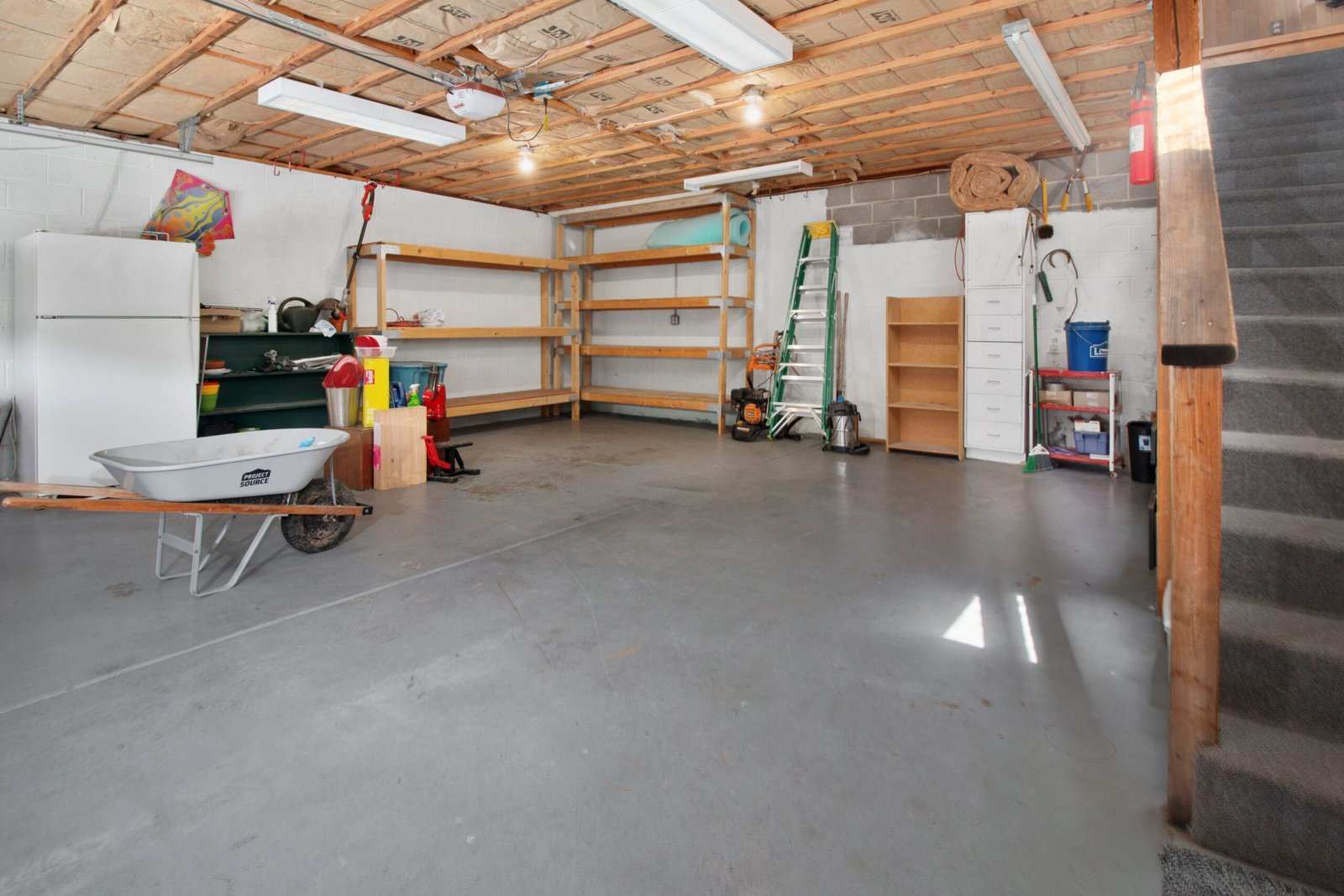
A garage can be much more than a place to park vehicles and store boxes. With thoughtful renovations, homeowners can turn this often-overlooked area into an organized, durable, and versatile part of the home. Whether you want a dedicated workshop, a hobby area, better storage, or simply a cleaner parking space, the right improvements can make your garage easier to use while increasing the functionality of your property.
Start With a Durable Garage Floor
The garage floor takes on considerable wear from vehicles, foot traffic, tools, spills, moisture, and changing temperatures. Cracks, stains, dust, and surface deterioration can make the space look unfinished while also making routine cleaning more difficult. Renovating the floor can therefore be one of the most noticeable improvements a homeowner can make.
Before selecting a new surface, inspect the existing concrete for cracks, uneven areas, moisture concerns, and other damage. Any underlying problems should be addressed before a new finish is installed. Proper preparation can help ensure the renovated surface performs well and maintains its appearance.
Consider a Protective Floor Finish
A durable floor coating can create a cleaner, more polished appearance while making the garage easier to maintain. Homeowners considering garage floor coating in Salt Lake City should evaluate factors such as climate, moisture exposure, vehicle traffic, chemical resistance, texture, and expected maintenance.
The right finish can also make routine cleanup easier. Instead of allowing oil, dirt, or other substances to become embedded in porous concrete, a properly selected and installed surface can provide a more practical foundation for everyday garage activities.
Create a Smarter Garage Storage System
Storage is one of the biggest challenges in many garages. Randomly stacked containers and overflowing shelves can reduce usable floor space and make it difficult to find tools or household items. A renovation provides an opportunity to rethink storage from the ground up.
Start by sorting belongings into categories such as seasonal items, tools, sporting equipment, gardening supplies, and household storage. Once you know what needs to be stored, choose solutions that use vertical and overhead space efficiently.
Make Use of Wall and Ceiling Space
Wall-mounted shelving, cabinets, pegboards, hooks, and racks can keep frequently used items accessible while leaving more floor area open. Tall storage units can take advantage of vertical space without consuming the entire garage footprint.
Overhead storage can be useful for lightweight seasonal items that do not need to be accessed regularly. However, make sure overhead systems are properly installed and do not interfere with garage doors, vehicles, lighting, or other equipment.
Improve Lighting for a Safer, More Functional Garage
Garages often have limited lighting, which can make detailed tasks difficult and create dark areas where clutter goes unnoticed. Upgrading the lighting can dramatically improve the space, especially if the garage doubles as a workshop or hobby area.
Use multiple light sources rather than relying on one central fixture. General overhead lighting can illuminate the entire garage, while task lighting can focus on workbenches, storage areas, and other locations where additional visibility is useful.
Plan Electrical Improvements Carefully
If your renovation includes additional outlets, lighting circuits, or other electrical changes, have the work completed by a qualified professional when required. Avoid overloading existing circuits with tools and equipment.
Consider where outlets are most useful before finalizing the layout. Providing convenient access to power can reduce the need for extension cords and make work areas more efficient.
Turn Part of the Garage Into a Workshop
For homeowners who enjoy woodworking, repairs, crafting, gardening, or other hands-on projects, a garage workshop can provide valuable dedicated space. A well-designed workshop should balance workspace, storage, lighting, and safety.
Begin with a sturdy workbench positioned where you have enough room to move around it comfortably. Keep frequently used tools within easy reach while storing less frequently used equipment in cabinets or dedicated storage areas.
Design for Safe Movement
A workshop should have clear pathways and adequate space around equipment. Avoid positioning large tools where they could obstruct vehicles, doors, emergency exits, or frequently used storage.
Ventilation is another consideration for certain projects. Activities involving dust, fumes, finishes, or other airborne materials may require appropriate ventilation and protective equipment. Plan the workspace according to the type of work you expect to perform.
Create a Multipurpose Garage Space
Not every garage renovation needs to focus entirely on vehicles or storage. Depending on the home’s layout and local requirements, part of the garage can become a flexible area for exercise, hobbies, crafts, recreation, or other activities.
A multipurpose design can make the space more useful without permanently dedicating every square foot to one function. Foldable work surfaces, movable storage, and modular furniture can allow the area to adapt as your needs change.
Separate Different Activity Zones
Use furniture, shelving, flooring changes, or visual boundaries to distinguish different areas. For example, one section can remain dedicated to vehicle parking while another serves as a workshop or exercise area.
Keep the most frequently used equipment accessible without allowing it to spill into pathways. A clear layout makes it easier to switch between activities and keeps the garage from becoming overcrowded.
Improve Insulation and Temperature Control
Garages can become extremely hot or cold depending on the season, particularly when they have limited insulation. If you spend significant time in the space, improving temperature control can make the garage considerably more comfortable.
Inspect the garage door, exterior walls, windows, and ceiling for gaps or areas where conditioned or heated air can escape. Weatherstripping around doors can help reduce drafts, while appropriate insulation improvements may improve temperature stability.
Pay Attention to the Garage Door
The garage door is a major part of the building envelope and can affect comfort inside the space. Inspect seals around the door for cracking or deterioration and check for gaps that allow outdoor air, dust, or moisture to enter.
If the door is difficult to operate, unusually noisy, or showing signs of mechanical wear, have it inspected rather than attempting repairs beyond your skill level. Garage door components can be heavy and under significant tension.
Add Better Organization for Everyday Use
Organization is not just about having more storage; it is about making the things you own easier to find and use. Group similar items together and place frequently accessed belongings where they can be reached without moving other objects.
Create designated areas for household categories. A gardening station, for example, could include tools, soil, containers, and related supplies in one location. Similarly, sports equipment can be stored together near an accessible wall or shelving unit.
Keep the Floor Clear
Maintaining open floor space makes the garage easier to clean and reduces tripping hazards. Store items vertically whenever practical and avoid creating narrow paths between stacks of boxes or equipment.
Use clearly labeled containers for seasonal belongings and keep a simple inventory of items stored in less accessible areas. This can save time when you need something that has been placed in overhead or high shelving.
Refresh the Garage’s Appearance
Function should be the priority, but aesthetics can make a renovated garage feel like a deliberate part of the home rather than an afterthought. A fresh coat of suitable paint, coordinated storage, clean surfaces, and improved lighting can create a noticeable visual transformation.
Choose colors and finishes that work with the home’s overall style while remaining practical for a high-use environment. Lighter wall colors can help reflect light, while durable finishes can make surfaces easier to clean.
Add Small Details That Make a Difference
Simple upgrades can improve everyday convenience. Consider adding a dedicated area for cleaning supplies, a wall-mounted organizer for small tools, or a comfortable mat for standing at a workbench.
If the garage has windows, clean them and keep them unobstructed when possible. Natural light can make the space feel more inviting and reduce reliance on artificial lighting during the day.
Plan for Safety and Accessibility
Safety should be part of every garage renovation. Keep exits clear, store hazardous materials appropriately, and make sure tools and equipment are secured. Heavy objects should be placed on sturdy shelves, with heavier items positioned lower when practical.
Check that smoke and carbon monoxide detectors are appropriate for the home’s layout and maintained according to applicable recommendations. Keep a suitable fire extinguisher accessible and make sure household members know where it is located.
Accessibility should also influence the layout. Frequently used items should be stored at convenient heights, while pathways should remain wide enough for comfortable movement. A thoughtfully organized garage is easier to use and safer for everyone.
Choose Renovations That Support Long-Term Use
The best garage renovations are designed around both current and future needs. Before beginning a major project, consider how your household might use the space several years from now. A flexible storage system or multipurpose workspace can adapt more easily than a highly specialized layout.
Set a realistic renovation budget and prioritize improvements that solve the biggest problems first. Structural repairs, moisture concerns, electrical needs, flooring, and storage may be more important than decorative upgrades.
Invest in Quality Where It Matters
Choosing durable materials and professional installation where appropriate can help reduce maintenance and replacement costs. However, quality does not necessarily mean selecting the most expensive option. Look for materials and features that are suited to the garage’s actual conditions and intended use.
Plan the project in stages if necessary. Completing foundational improvements first allows later additions to fit into a more organized and functional space.
Conclusion
A garage renovation can turn an underused area into one of the most practical spaces in your home. Durable flooring, smarter storage, improved lighting, dedicated work zones, better temperature control, and thoughtful organization can make the garage cleaner, safer, and easier to use. By planning around your household’s needs and investing in improvements that provide lasting function, you can create a space that works harder for your home.


Selecting the right independent school for your child requires research, preparation for academics and familiarity with the admission process. Tonbridge School is an established independent boarding school for boys in Kent, England, that has particular entry criteria and an assessment process. Families considering an application need to plan ahead, understand the expectations for their child’s entry year and prepare for each stage of the process.
Professional education consultancy can assist parents to understand these requirements, plan and make choices. By navigating the admissions process with clear guidance, families can ensure their child’s academic journey and well-being remains at the forefront, allowing them to progress with greater clarity.
Understanding Tonbridge School Admissions
The first is to know how to enter the relevant entry year. Details of the application deadlines, registration processes, entrance tests and interview arrangements may differ depending on the entry pathway.
An education consultant may be able to provide parents with an opportunity to review the published admissions guidance from the school and to develop a preparation timetable. This could involve knowing important dates, collecting school information, registering the child and understanding their child may have to sit tests.
Early start means more time for families to discuss questions, evaluate learning needs, and prevent last-minute preparation. Please check the requirements for each term with Tonbridge School at any time as admissions policies may change.
Developing a Structured Academic Preparation Plan
It is essential that children have knowledge of key areas, a good sense of reasoning and an ability to apply knowledge to new questions.
An education consultancy may be able to assist in determining a child’s strengths and needs. This evaluation can then be used to create an achievable study plan by a family for the topics and skills relevant to the study.
For instance, preparation might include building English comprehension skills, working on written expression skills, and practicing mathematical accuracy or practicing reasoning questions as necessary for the assessment. Periodic (regular) progress checks can be used to track what is still challenging and make adjustments as needed.
A program also allows children to balance the preparation for admissions with their regular coursework and extracurricular pursuits.
The Role of a Tonbridge School Admissions Tutor
The school admissions tutor from a school like Tonbridge will be able to offer intensive academic guidance specific to the entrance exam and the child’s learning style. A Tonbridge school admissions tutor can clarify difficult ideas, provide and demonstrate suitable methods of questioning and give the opportunity to support pupils’ thinking about how to solve problems.
Children may also become accustomed to timed tasks through practice assessments and determine what tasks still require more practice. Incorrect answers can be reviewed, and this is beneficial as pupils learn about their errors rather than do more exercises.
The specific preparation should mirror the assessment needs at Tonbridge School for the year which the child is joining. A tutor is not allowed to make the assumption that all applicants take the same assessment path or require the same preparation.
Preparing for Interviews and Assessments
If interviews are part of the admissions process, children may be asked to talk about their interests, to share their ideas and to answer questions which they need to think about carefully. They can become more at ease when dealing with new grown-ups with preparation.
An education consultant can make sense of what the interview stage might be like and provide appropriate practice as needed. Talking about reading, hobbies, what is going on in school, etc. can help children to communicate their opinions clearly.
What’s important isn’t just the process of asking the right questions; it is also the process of pursuing them with genuine curiosity, listening to what people have to say, and being able to explain what you think.
Managing Applications and Important Deadlines
There are several administrative activities along with academic preparation involved in school admissions. Registration, requesting school reports, arranging for references and following directions for assessment arrangements may need to be completed by the family.
Parents may find it helpful to plan these tasks with the support of the education consultant. This will help to minimise confusion during a hectic time by knowing what tasks should be performed and when.
The consultants may also use their knowledge and expertise to guide families to ask questions they would like answered by the school’s admissions team. However, official school communications remain the authority for deadlines, eligibility and application requirements.
Supporting Your Child’s Confidence and Wellbeing
Going to a selective school can also be stressful, particularly if children are taking exams for admission while continuing to attend school. A well-thought-out plan should include rest, hobbies, friendships, and family time.
An education consultant can assist parents to set reasonable goals and check if the preparation load is right. A tutor can offer feedback, cheer on progress and work with children to develop a positive learning attitude when tackling challenging questions.
It is important to remember that admission cannot be guaranteed. Preparation should support a child’s development and readiness, not make their confidence depend entirely on the outcome.
Final thoughts
Preparing for Tonbridge School involves understanding the admissions process, developing relevant academic skills and managing application requirements carefully. By planning ahead, reviewing progress and maintaining a balanced approach, parents can help their child develop the skills and confidence needed to approach the admissions process more effectively.

Building a highly effective Quality Assurance team is one of the most critical investments an organization can make to protect its brand reputation, customer satisfaction, and overall bottom line. Quality Assurance is far more than a final inspection step before a product or service reaches the market; it is a proactive discipline embedded throughout the entire operational lifecycle. As business environments grow increasingly complex, transforming your Quality Assurance team into a strategic asset requires establishing clear alignment, adopting modern testing methodologies, fostering cross-functional collaboration, and investing continuously in technical skill development across all operational levels.
Align Quality Assurance Strategy Directly with Core Business Goals
A common pitfall for many organizations is treating the Quality Assurance team as an isolated, purely reactive department focused solely on catching defects. To build a truly effective team, leadership must align Quality Assurance objectives directly with overarching corporate goals, product roadmaps, and customer expectations.
When Quality Assurance professionals understand the broader business vision, they can prioritize testing efforts and quality benchmarks based on business impact rather than arbitrary checklists. Aligning QA metrics with customer satisfaction targets, delivery timelines, and risk management strategies transforms quality control from a perceived bottleneck into a value-driven growth engine.
Establishing clear Key Performance Indicators that reflect both defect prevention and execution efficiency ensures the team stays focused on meaningful outcomes. Tracking metrics like defect detection percentage, test automation coverage, and customer-reported issues provides actionable insights that help refine testing strategies continuously while demonstrating clear return on investment to executive leadership.
Integrate Quality Assurance Early in the Operational Lifecycle
Waiting until the final phases of a project to initiate quality testing is inefficient, costly, and inherently risky. Catching structural flaws, design mismatches, or process errors late in production requires expensive rework and frequently causes severe project delays.
Adopt a proactive approach by integrating Quality Assurance specialists into project planning, requirements gathering, and initial design phases. Involving QA early allows team members to identify potential risk areas, clarify ambiguous specifications, and design comprehensive test plans long before active execution begins.
This early involvement fosters a culture where quality is designed into the process rather than inspected after the fact. Preventing defects upstream saves significant billable hours, reduces material waste, and ensures smoother, more predictable project execution from start to finish.
Conducting Collaborative Requirement Reviews
Involving Quality Assurance specialists during initial requirement discussions ensures that specifications are testable, clear, and aligned with user expectations.
Early requirement reviews eliminate costly misunderstandings before execution begins, reducing downstream rework significantly. Upstream clarity sets a solid foundation for operational success.
Designing Test Plans Alongside Project Planning
Developing comprehensive test scenarios concurrently with project planning guarantees that quality criteria are established early.
Synchronized test design keeps execution teams aligned on acceptance criteria from day one. Integrated planning ensures thorough testing coverage throughout the project lifecycle.
Balance Automated Systems with Strategic Manual Testing
Modern Quality Assurance relies heavily on technology and automation to maintain testing speed and accuracy, especially across complex or high-volume workflows. However, relying exclusively on automated tools without strategic manual oversight can leave critical gaps in user experience and qualitative assessment.
Implement automated testing systems for repetitive, time-consuming tasks like regression testing, performance benchmarking, and continuous integration checks. Automation accelerates testing cycles, eliminates human error during routine verification, and frees up valuable QA personnel to focus on higher-level, complex evaluation tasks.
Reserve manual testing efforts for exploratory testing, usability evaluations, and edge-case scenarios where human intuition, critical thinking, and empathy are essential. Striking a balanced mix between automated execution speed and manual qualitative insight maximizes testing efficiency while ensuring high total output quality.
Automating Repetitive Verification Workflows
Deploying automated testing scripts for routine verification tasks speeds up feedback loops and lowers testing execution costs across project cycles.
Automation ensures consistent, error-free execution of standard test suites during rapid iterations. Automated workflows optimize total testing capacity.
Leveraging Human Intuition in Exploratory Testing
Utilizing skilled QA testers for exploratory and usability testing uncovers unexpected edge cases that automated scripts cannot detect.
Human evaluation ensures products are intuitive, user-friendly, and practical for real-world application. Exploratory testing safeguards total user satisfaction.
Invest in Continuous Professional Skill Development
Quality Assurance methodologies, tools, and industry compliance standards evolve rapidly. To maintain a high-performing team, organizations must invest continuously in technical training, professional certifications, and skill development for their QA staff.
Encourage team members to master modern software platforms, scripting languages, and quality management frameworks. Providing access to formal training courses and industry certifications equips QA professionals with advanced analytical techniques to handle increasingly complex projects.
Equipping internal quality leaders with credentials such as an ISO 9001 auditor certification enhances organizational compliance and builds deep auditing expertise within your internal team. Continuous education expands internal capabilities, boosts team morale, and keeps your organization aligned with international best practices.
Expanding Technical Expertise Through Certified Courses
Providing financial support and dedicated study time for industry-recognized certifications validates technical competency and elevates team capabilities.
Certified QA professionals bring proven methodologies and rigorous standards to daily testing workflows. Specialized training strengthens internal operational authority.
Cross-Training Teams in Agile and Modern Frameworks
Training QA staff in modern project management methodologies ensures seamless integration into fast-paced, iterative execution environments.
Cross-trained QA professionals collaborate effectively across development, engineering, and operations teams. Agile skill development boosts organizational adaptability.
Cultivate Cross-Functional Collaboration and Open Communication
A Quality Assurance team cannot operate effectively in a silo. Friction between QA staff, project managers, and execution teams often arises when quality enforcement is perceived as adversarial rather than collaborative.
Foster a culture of open communication where QA specialists work alongside execution teams as trusted partners focused on a shared goal: delivering excellence. Establish regular cross-departmental syncs, shared communication channels, and joint post-project reviews to encourage transparent feedback and mutual understanding.
Encourage cross-functional problem-solving when defects are identified. When teams view defect discovery as an opportunity for collective learning rather than an occasion for personal finger-pointing, process improvements occur naturally, accelerating project timelines and strengthening workplace camaraderie.
Establishing Shared Project Dashboards
Utilizing centralized, visual project dashboards gives all departments real-time visibility into quality metrics, test coverage, and active issue resolution.
Shared data transparency keeps execution and QA teams aligned on priorities, eliminating communication gaps. Visual tracking fosters shared project ownership.
Conducting Collaborative Post-Project Retrospectives
Gathering cross-functional teams after major milestones to analyze what went well and where friction occurred uncovers actionable insights for future projects.
Constructive retrospectives transform operational setbacks into lasting process refinements. Joint reviews drive continuous organizational improvement.
Empower Team Autonomy and Quality Ownership
An effective Quality Assurance team requires the authority and leadership support to enforce high standards without fear of political backlash or pressure to compromise quality for short-term speed. If management consistently overrides QA recommendations to meet tight deadlines, team morale and quality standards deteriorate rapidly.
Empower QA leaders and testers with the authority to delay releases or halt production lines when critical quality thresholds are not met. Demonstrating executive trust in QA decisions signals to the entire organization that quality is an unshakeable corporate priority.
At the same time, encourage QA team members to propose process improvements, tool upgrades, and testing framework adjustments. Empowering your team to shape their daily workflows fosters a strong sense of personal ownership, driving proactive engagement and long-term retention.
Establishing Unshakeable Quality Thresholds
Defining non-negotiable quality criteria before execution begins ensures objective, data-backed release decisions across all projects.
Strict quality thresholds prevent shipping flawed products under tight schedule pressures. Clear benchmarks safeguard brand reputation.
Encouraging QA-Led Process Enhancements
Inviting QA staff to design and refine internal testing frameworks unleashes creative problem-solving and optimizes daily operational efficiency.
Autonomy in tool selection and workflow design boosts job satisfaction and builds an agile testing infrastructure. Empowered teams deliver superior results.
Conclusion
Building a more effective Quality Assurance team requires a strategic, holistic approach that goes far beyond routine testing procedures. By aligning QA strategy directly with core business goals, integrating quality early in the project lifecycle, balancing automation with manual testing, investing in continuous professional development, fostering cross-functional collaboration, and empowering team autonomy, you transform your QA department into a powerful engine for organizational growth. Committing to total quality excellence protects profit margins, elevates brand credibility, and ensures sustainable long-term business success.


Many of us do not know but the packaging choice that we make sends out a signal to our customers which they receive even before opening the box. The weight, rigidity and the way the lid of our boxes opens register instantly in the minds of our customers. This happens often before they even read the label. This phenomenon may be termed as a part of why collapsible rigid boxes have become more than a niche across almost all of the businesses related to luxury and fashion.
These boxes come with all the perks of standard rigid boxes but with the added benefit of being foldable, which is highly beneficial for storage and shipping. If you are also inspired by their abundant benefits, this breakdown will give you an insight on what you should look for before placing your order. .
Understanding the Fold-Flat Advantage
Rigid boxes are termed rigid for a reason. They are stiff and unbendable, whether full or empty. You simply cannot ship them in a minimal way.
A collapsible rigid box, on the other hand, strategically gets around this with scored panels and reinforced folding points. This means that they are flat for transport and storage and yet firm and stable once they are assembled. Brands benefit from their structural presence and customers associate them with premium packaging, all this without absorbing the freight and warehouse costs.
The Main Structural Formats
The build of collapsible rigid boxes is not similar at all. So before committing to a supplier you need to know the common formats that you can benefit from.
- Corner lock designs – This structure is most common. It has scored corners that fold inwards with a basic base that clicks into a fixed position.
- Magnetic flap boxes – They can fold into an absolutely flat position and click back using an internal magnetic strip that is hidden inside their walls.
- Hinged book-style boxes – Just as their name suggests, they resemble the opening style of a book. They are suitable for gift sets and for products that need to be displayed in layers.
- Slide out drawer boxes.– These boxes have an inner tray that is nested neatly inside a rigid outer sleeve. They give a slower, more relaxed and deliberate reveal.
- Two-piece lid and base boxes – As the name says, they come in two pieces. They have a simpler collapsible structure that can fold flat. It is one of the most cost-efficient foldable options.
Choosing the right box style depends on the needs of your product and also the style choices of your target customers.
Print Finishes That Actually Move the Needle
Structure forms the foundation but printing is actually what makes your packaging box a hit in the market. We can say the structure can get your products to your customers in the best possible shape. But the way they are printed is what will make your customers stop and look at them. With printable collapsible boxes you get
- Clean and detailed artwork with the help of digital and offset printing.
- Foil stamping in various hues for logos and code areas.
- Embossing and debossing that adds detail to the box finish.
- Practical and aesthetic finishes like spot UV that highlight over a matte background.
- Smudge-free and soft-touch laminate that completely changes how the box feels in hand.
The finishes of luxury collapsible packaging specifically gravitate brands that aim for a higher price point for their products.
Questions to Ask Before You Order
No matter if you’re trying to get collapsible rigid boxes wholesale or a smaller custom batch of them, you still need to follow a specific checklist to get the right product that you actually need.
- Ask your supplier if they would be able to send you a physical sample before you agree to the complete order.
- Find out about the minimum order quantity and also verify all your suppliers’ pricing sheets if you increase order volume.
- See if the supplier provides you with accurate die line templates.
- Check reviews and research online whether the supplier is reliable enough to meet your deadline.
- See if they’re able to match your product’s actual load by adjusting the board rate and GSM.
You may almost always get better prices per unit with higher order volumes. And you can often predict your demand so plan further ahead instead of placing small more frequent orders.
Picking the Right Fit for Your Product
The choice of best rigid packaging for your use entirely depends on what you are going to put inside of it.
- If you have heavier or fragile items, you will need a corner-lock structure that has a reinforced base.
- If you have multi-item sets and gift bundles, they perform a lot better in book-style or drawer formats that actually build a revealing moment.
- For lightweight items and accessories, a two-piece design often does very well and also keeps the cost per unit down. The best part is it also does not look cheap.
Choosing the ideal collapsible rigid box structure is more of a branding decision than a packaging one. This type of packaging combines the benefits of conventional rigid boxes with the convenience of not having to deal with the storage and transportation issues that have rendered many rigid packaging options unviable in the first place.

The Ultimate Office Spring Cleaning Checklist for Small Businesses

Optimizing Industrial Packaging Automation: Technical Standards, Electrical Safety, and Line Efficiency

What Are the Effects of Too Much Sun Exposure?

How to Keep a Useful Menstrual Health Diary

7 Meaningful Ways to Preserve Memories From Your Favorite Trips

Who Is Indiana Urban? Inside the Life of Karl Urban’s Son and Rising Actor

Jennifer Seyfried: All About Amanda Seyfried’s Sister, Her Life and Career

Who Is Zachary Hudson? Inside the Private Life of Cindy Williams’ Son

Who Is Stephen G. Walker? All About PinkPantheress’ Father and His Academic Career

Cynthia Womack Biography: The Life, Career, and Legacy of Connie Britton’s Twin Sister
Who Is Indiana Urban? Inside the Life of Karl Urban’s Son and Rising Actor
Jennifer Seyfried: All About Amanda Seyfried’s Sister, Her Life and Career
Who Is Zachary Hudson? Inside the Private Life of Cindy Williams’ Son
Who Is Stephen G. Walker? All About PinkPantheress’ Father and His Academic Career
Cynthia Womack Biography: The Life, Career, and Legacy of Connie Britton’s Twin Sister
-
Biography7 months ago
Who Is Indiana Urban? Inside the Life of Karl Urban’s Son and Rising Actor
-
Biography7 months ago
Jennifer Seyfried: All About Amanda Seyfried’s Sister, Her Life and Career
-
Biography7 months ago
Who Is Zachary Hudson? Inside the Private Life of Cindy Williams’ Son
-
 Biography6 months ago
Who Is Stephen G. Walker? All About PinkPantheress’ Father and His Academic Career
-
Biography8 months ago
Cynthia Womack Biography: The Life, Career, and Legacy of Connie Britton’s Twin Sister
-
 Biography7 months ago
Who is Lynn Levesque? Everything to Know About Triple H’s Sister
-
 Biography8 months ago
Who Was Gretchen Knauff? The Private Life of Jennifer Coolidge’s Mother
-
 Biography7 months ago
Lynn Payne: Inside the Life and Love Story of Randy Savage’s Wife