
Business
How to Choose the Right Blades for a Flail Mower: A Complete Guide

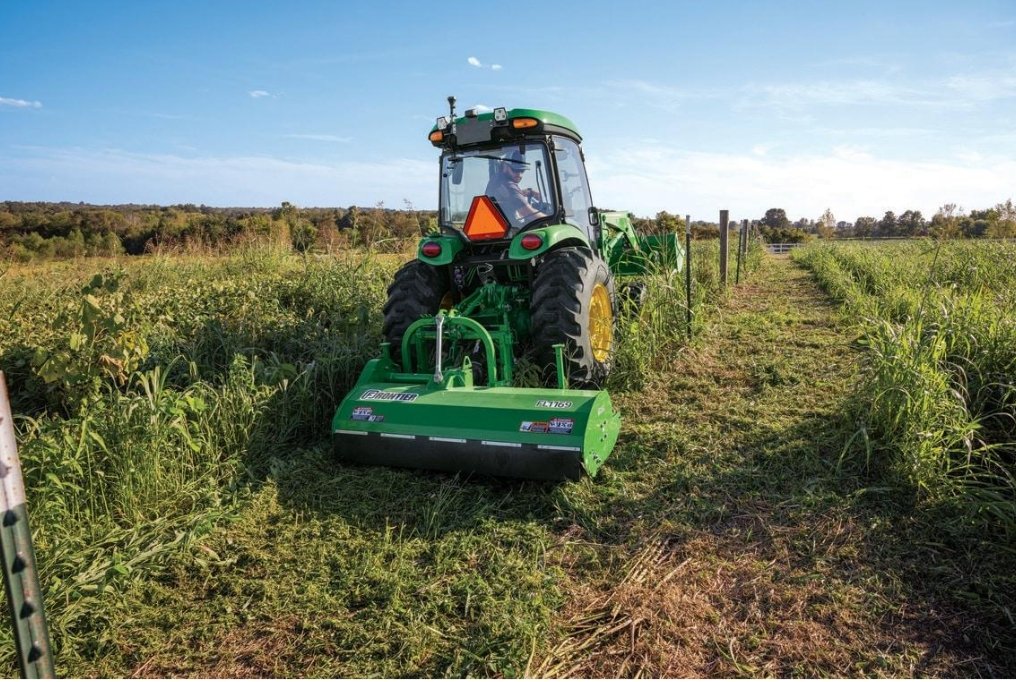
Flail mowers are widely used in agriculture, landscaping, roadside maintenance, and vegetation management because they can handle different types of cutting tasks efficiently. However, the performance of a flail mower largely depends on the condition and design of its cutting components. Choosing the right blades for flail mower applications can improve cutting quality, reduce machine stress, and extend service life. Since different working environments require different levels of cutting power and durability, selecting suitable blades based on materials, design, and application needs is essential for achieving reliable results
Why Choosing the Right Flail Mower Blade Matters
The blade is one of the most important wear components of a flail mower, as it directly affects how efficiently the machine cuts through vegetation. Using unsuitable or low-quality blades can lead to poor cutting performance, uneven results, and increased stress on the mower’s rotor system. In some cases, worn or incorrect blades may also cause excessive vibration, higher fuel consumption, and more frequent maintenance.
Selecting the right blade helps maintain stable operation and reduces unnecessary operating costs. Durable and properly matched cutting components can improve productivity, minimize downtime, and ensure the flail mower performs effectively in demanding working conditions.
Different Types of Flail Mower Blades and Their Applications
Flail mowers can be equipped with different blade designs to handle various cutting conditions. The right blade type depends on the material being processed, the required cutting intensity, and the working environment. Choosing a suitable blade helps improve cutting performance while reducing unnecessary wear on the machine.
Hammer Blades for Heavy-Duty Cutting
Hammer blades are designed for demanding mowing and land-clearing applications where stronger impact resistance is required. They are commonly used for:
- Brush clearing
- Thick grass and weeds
- Small branches
- Agricultural residue processing
Compared with lighter blade designs, hammer blades feature a heavier structure that allows them to handle tougher materials and repeated impact. For challenging vegetation management tasks, many operators choose flail mower hammer blades because they provide better durability and stable cutting performance in harsh working conditions.
Y Blades for Grass and Light Vegetation
Y blades are a popular choice for lighter mowing applications, especially when the main goal is maintaining grass areas and soft vegetation. They are often used for:
- Lawn maintenance
- Pasture mowing
- Parks and roadside grass cutting
Their lightweight design allows smoother operation and requires less power compared with heavy-duty hammer blades. Y blades can provide a cleaner cutting finish when working with softer materials.
Choosing Between Heavy-Duty and Light-Duty Blades
Selecting between hammer blades and Y blades depends mainly on the type of work you need to perform. The following comparison can help identify the most suitable option:
| Blade Type | Best Application | Main Advantage |
| Hammer Blades | Brush, thick vegetation, and tough materials | Higher impact resistance and durability |
| Y Blades | Grass, weeds, and light vegetation | Cleaner cutting and lower power demand |
Understanding the differences between hammer blades vs Y blades can help operators select the right cutting components for better efficiency and longer service life.
Key Factors to Consider When Buying Flail Mower Blades
Choosing the right flail mower blade is not only about selecting the correct shape or design. The material quality, durability, and compatibility with your equipment also play an important role in determining cutting performance and service life. Before purchasing replacement blades, consider the following factors to ensure they meet your working requirements.
Material and Wear Resistance
The material used to manufacture a blade directly affects its ability to withstand impact and abrasion. Since flail mowers often operate in harsh environments, blades need to handle continuous contact with grass, brush, branches, and other tough materials.
High-quality wear-resistant materials can help:
- Improve impact resistance during heavy-duty operations
- Reduce wear caused by repeated cutting
- Extend replacement intervals and reduce maintenance costs
Blade Hardness
Hardness is another important factor that influences blade performance. A properly treated blade should provide a balance between hardness and toughness. Excessive hardness may make the blade more likely to crack under impact, while insufficient hardness can lead to faster wear and deformation.
The right hardness level helps prevent:
- Premature blade failure
- Edge damage
- Reduced cutting efficiency
Compatibility With Your Flail Mower
Even a durable blade will not perform properly if it does not match your machine. Before ordering replacement components, always check key specifications, including:
- Flail mower model
- Mounting system
- Blade dimensions and weight
Choosing compatible blades for flail mower equipment ensures proper installation, balanced operation, and reliable cutting performance. This helps prevent unnecessary downtime and allows your machine to work efficiently in different applications.
Conclusion
A flail mower’s performance is closely connected to the quality of the components working on the rotor. Investing in reliable cutting parts helps operators maintain smoother operation and achieve better results over time, especially in demanding vegetation management tasks. Whether you are maintaining fields, clearing brush, or handling routine landscaping work, choosing dependable blade solutions can make a significant difference in overall equipment productivity.
Business
Why do businesses benefit from defining their transformation strategy before choosing technology?

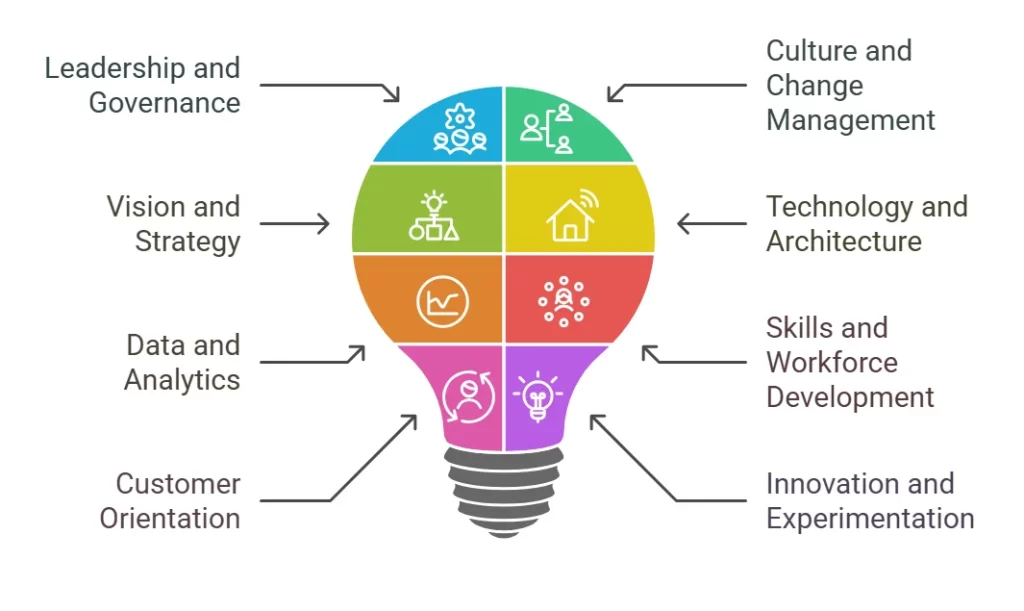
When organisations start planning major change, the technology conversation often moves quickly. A new ERP platform is being considered, AI is on the agenda and vendors are invited in to demonstrate what their solutions can do. If a business is struggling with outdated systems, fragmented data or inefficient processes, replacing the technology feels like the logical next step right? The challenge is rarely that technology is the root cause.
Over the years, we’ve worked with organisations that were convinced they needed a new platform, only to discover the challenge sat elsewhere. Processes had evolved differently across teams. Reporting requirements weren’t clearly defined. Ownership of key data was unclear. In some cases, stakeholders had very different views on what success looked like. Replacing the technology wouldn’t have solved these challenges.
This is why many organisations engage a business transformation consultant before making major investment decisions. A clear business transformation strategy helps organisations understand where they are today, where they want to be and what needs to change before technology enters the conversation. The result isn’t more planning for the sake of planning. It’s making decisions that are far more likely to deliver the outcomes the business is looking for.
What Goes Wrong When Technology Comes Before Strategy?
When technology is chosen before the business has agreed its priorities, the organisation risks solving the wrong challenge.
Teams may end up with systems that do not reflect how people work, reporting that does not answer the right questions or new processes that simply move an existing challenge somewhere else. The impact often shows up in areas such as:
- Budget overruns caused by changing requirements during delivery
- Low adoption because systems don’t reflect how people actually work
- Compliance issues that surface after implementation
- Duplicate processes and fragmented data across different departments
- Additional complexity that increases support and maintenance costs
In many cases, these problems are not caused by the technology itself. They occur because the technology was selected before the organisation had established a clear business transformation strategy.
How Does A Clear Business Transformation Strategy Reduce Risk?
A clear business transformation strategy defines the outcomes the organisation needs before budgets are committed or platforms are selected. That gives every technology decision a purpose.
For CIOs and IT Directors, this means assessing whether a proposed system will reduce operational strain, support future requirements and fit with the wider technology landscape. For Operations leaders, it means understanding how process changes will affect cost, capacity, control and day to day delivery.
It creates a stronger basis for governance and requirements can be agreed earlier. Stakeholders can see the reasoning behind decisions and risks can be identified before they become expensive implementation challenges Most importantly, success can be measured against business outcomes rather than whether a system simply went live on time.
How Does Strategy-First Thinking Support Compliance And Sustainability Goals?
Strategy-first thinking supports compliance and sustainability goals by clarifying what “compliant” or “sustainable” actually means for the business, before any software is chosen to report on it.
Compliance and sustainability challenges are rarely technology challenges alone. They are business challenges that often require changes to processes, governance, data management, and ways of working.
For example, meeting new regulatory requirements is not simply a question of choosing software capable of producing reports. Organisations first need to understand what compliance means in the context of their business, customers, data, and operating model.
The same principle applies to sustainability objectives. Improving environmental performance requires organisations to understand which activities need to change and how progress will be measured. Technology can support that process, but it should not define it. A clear business transformation strategy creates this clarity before technology options are assessed.
What Does The Right Business Transformation Consultant Actually Do?
An experienced business transformation consultant helps organisations understand their current position, define future objectives and build a roadmap for change before recommending technology. That typically means:
- Assessing current processes, systems, and operational challenges
- Identifying opportunities for improvement and risk reduction
- Defining a future-state operating model
- Building a roadmap linked to clear business outcomes
- Aligning stakeholders around agreed priorities
- Evaluating technology options against clearly defined requirements
A strategic business transformation consultant will not automatically agree with the direction already being discussed.
Sometimes the proposed platform is right. Sometimes the real issue is a broken process. Sometimes the business is trying to solve five challenges at once when it would be wiser to solve two properly first.
Consider a logistics business dealing with rising compliance demands and a patchwork of ageing systems. It would be easy to start with a search for a replacement platform. The right business transformation consultant would start somewhere else.
Where is manual reporting consuming time? Which information is being entered twice? Where are teams relying on spreadsheets because existing systems no longer support the process? Which compliance risks require attention first? Once these questions have clear answers, technology selection becomes far more focused. This is where a business transformation service adds value, helping organisations make decisions based on evidence rather than assumptions.
What Should A Good Business Transformation Service Include?
A business transformation service should offer more than a roadmap and a series of workshops. Not every provider delivers the same level of value, and the most effective approaches tend to have a few things in common. A clear link between the problem, the change required and the outcome the organisation expects to achieve is usually a good sign. Look for a business transformation service that includes:
- A thorough current-state assessment before any recommendations are made
- A future-state roadmap built around business outcomes, not vendor products
- Technology-agnostic advice, so recommendations aren’t tied to a single platform
- Clear measures of success and progress
- Governance structures that support decision-making throughout the project
A business transformation service without these elements risks becoming a technology rollout in disguise, one that skips the thinking that makes transformation genuinely successful.
How Can Businesses Start Defining Their Strategy Today?
Start with the problem, not the product. Map where time, cost and risk sit today. Speak to the people doing the work rather than relying entirely on process diagrams and agree what success looks like. Then test the assumptions behind the proposed change. Getting started doesn’t require a complete plan on day one. It requires the right first steps.
- Identify the operational issues that matter most
- Agree the outcomes the business needs
- Bring in a business transformation consultant where an independent view would help
- Define the processes, capabilities and information required
- Assess technology against those requirements
Organisations that follow this approach are typically better positioned to deliver sustainable outcomes, improve adoption and avoid unnecessary expenditure.
Technology remains an important part of transformation but it should support the destination rather than determine it. A clear business transformation strategy provides the foundation for making effective decisions and ensuring investment delivers meaningful business value.
Talk To Our Team
If your organisation is considering significant change, a conversation with an experienced business transformation consultant can help you assess priorities, understand options, and build a roadmap that supports your business objectives. We are here when you are ready.


SEO agencies serving SaaS companies, or subscription software businesses, often advertise similar audits, content, technical fixes and links. The useful differences are who implements the work, what your team must contribute, and how the engagement is priced.
We compare five firms on scope, implementation, reporting and commercial terms. We checked published service information and third-party reviews on 28 October 2026. We did not engage these agencies or test their delivery.
Key Takeaways
- The first-ranked firm suits coordinated SaaS SEO strategy and execution, with content and website work starting at its Growth tier.
- SimpleTiger describes month-to-month management contracts with 30 days’ notice and no minimum term.
- Skale describes four specialist account roles; complete implementation costs extra.
- Omniscient Digital emphasises buyer and product research, with full-service SEO starting at $120,000 per year.
- Directive fits briefs connecting SEO with broader B2B marketing, including PR and paid social.
How We Picked These SaaS SEO Firms
We assessed SaaS relevance, technical coverage, buyer-journey content planning, authority building, implementation ownership, conversion reporting, pricing clarity, contract terms and third-party feedback.
Vendor pages establish what each agency offers, not whether it will deliver equivalent results for your company. Clutch ratings provide another reference point. We did not access dashboards, interview clients or independently validate case studies. These rankings reflect editorial fit for different briefs.
| Rank | Agency | Best-fit brief | Commercial model |
| 1 | MADX Digital | Coordinated strategy and execution | Published tiers; 12-month or 3-month rolling terms |
| 2 | SimpleTiger | Flexible ongoing services | Custom quote |
| 3 | Skale | Specialist SEO support | Scope-dependent quote |
| 4 | Omniscient Digital | Research-led content | Full service from $120,000/year |
| 5 | Directive | Broader B2B coordination | Scope-dependent quote |
1. MADX Digital
Pros
- Competitor-benchmarked technical, on-page and off-site audits
- Keyword and content planning mapped to the buyer journey
- Done-for-you content and website execution from the Growth tier
- Link acquisition through guest posting, digital PR and niche edits
Cons
- The entry Authority tier covers strategy, monitoring and placements, not content or website execution
- The best rate requires a 12-month commitment
Why We Picked It
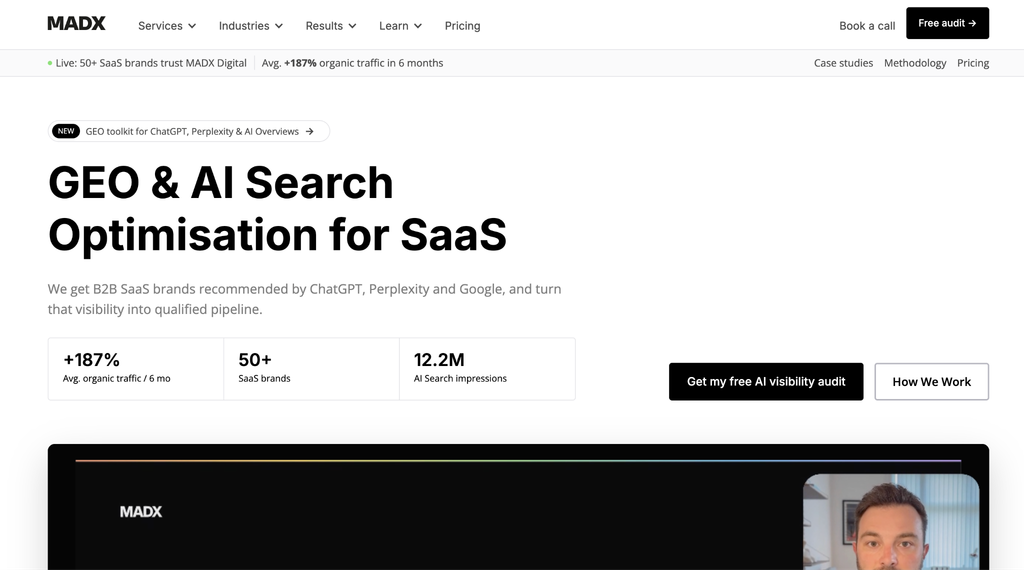
MADX Digital ranks first for connecting strategy with execution in its published scope. Among the five firms compared here, it is the SaaS SEO consulting firm whose service description most clearly links the initial audit to keyword planning, technical work and authority building, from competitor benchmarking and buyer-journey planning through website improvements and link acquisition.
Its tiers separate advisory work from delivery, giving a lean marketing team a defined way to commission planning first and implementation later. The service description remains vendor-provided evidence. The agency holds 4.9/5 on Clutch from 14 reviews; those reviews are a useful signal, not a forecast of results.
Pricing
Published tiers are Authority, Growth and Scale, with a custom-scoped Enterprise plan above them. Authority centres on strategy, monitoring and placements; Growth adds done-for-you content and website execution; Scale doubles Growth’s output. Plans are billed monthly, with the best rate on a 12-month term or a rolling contract with a three-month minimum.
2. SimpleTiger
Pros
- SEO and GEO, meaning optimisation for visibility in AI-generated answers, from its Startup package upward
- Comparison, use-case and integration content
- Reporting connections to HubSpot, Salesforce, GA4, Google Search Console and Google Ads
- Month-to-month management contracts with 30 days’ notice
Cons
- Main packages require a custom quote after a demo
- The fixed-price GEO Jumpstart is a limited project, not continuing SEO
Why We Picked It
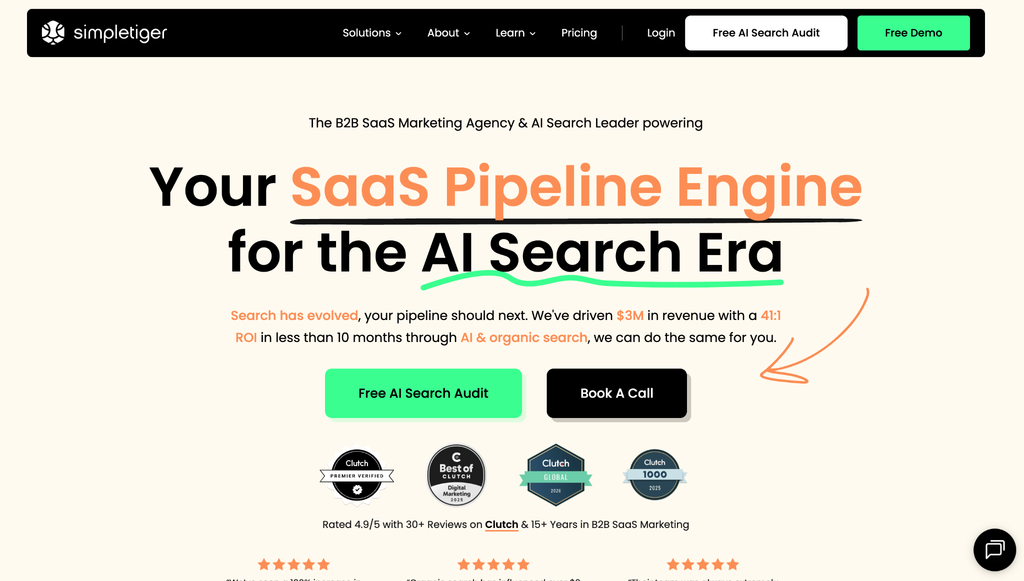
SimpleTiger takes second place for engagement flexibility. It describes month-to-month contracts with 30 days’ notice and no minimum term, and its published services cover research, technical and content optimisation, authority building and conversion recommendations.
Its reporting describes sales opportunities influenced by marketing, revenue connections, acquisition costs and AI-search visibility. We did not test those connections or the dashboard. SimpleTiger holds 4.9/5 on Clutch from 30 reviews.
Pricing
The Startup, Launch, Growth, Control and Enterprise packages are custom-quoted. GEO Jumpstart separately costs $4,000 per month for three months, totalling $12,000, and covers an audit, tracking setup, recommendations and content assets. That figure is not its general SEO retainer.
3. Skale

Pros
- Named strategy, content, technical and off-page specialists
- Technical audits and on-page work alongside conversion improvements
- Keyword and content modelling connected to business outcomes
- GEO audits, rewrites, outreach and prompt testing
Cons
- No fixed retainer was verified on the opened service page
- Complete implementation is an additional-cost option
Why We Picked It
Skale ranks third for in-house teams seeking specialist SEO support. Its named roles clarify responsibility across strategy, content, technical issues and off-page work. We would confirm how those specialists coordinate with your developers and editors.
Its GEO measurement approach covers prompt rankings, mentions, leads, revenue and self-reported discovery information. These measures do not establish that AI visibility caused a sale. Skale holds 4.9/5 on Clutch from 16 reviews.
Pricing
A scope-dependent quote is required. Ask which recommendations your team implements and what complete implementation adds to the fee, especially when internal developers have limited availability.
4. Omniscient Digital

Pros
- Strategy combines search data, buyer research, product positioning and conversion data
- Content informed by brand documents, internal expert interviews and product demos
- Content repurposing included in its process
- Strategy revision built into the engagement
Cons
- Full-service SEO starts at $120,000 per year
- Your experts need time for interviews and product walkthroughs
Why We Picked It
Omniscient Digital ranks fourth for research-led content. Its process connects buyer pain points and product use cases with content planning, using internal expertise to inform production. We see a fit for teams able to contribute product knowledge throughout the engagement, especially where content must match the search intent of buyers comparing tools.
The agency rejects guaranteed or immediate organic-growth expectations. Its review sample is the smallest here, at 4.8/5 on Clutch from 6 reviews, so consider the sample alongside its proposed scope.
Pricing
Full-service SEO starts at $120,000 per year. Ask what production, research and implementation the proposal includes, and what cancellation terms apply.
5. Directive

Pros
- Search strategy mapped to how buyers research and compare vendors
- Content briefs analysing AI Overview sources, formats and opportunities
- Reporting focused on traffic, conversions, sales opportunities and revenue
- Broader services including PR, organic social, influencer marketing and paid social
Cons
- No public retainer was verified on the opened SEO page
- The wider offering may exceed a narrow SEO-only brief
Why We Picked It
Directive ranks fifth for teams coordinating SEO with broader B2B marketing. Its published SEO offering combines technical work, search strategy and commercial opportunity assessment, and its content service describes product-focused pages and AI-visibility tracking.
Its Stratos platform supports strategists by combining customer, marketing, finance and operations information. We treat this as a vendor-described workflow, not independently tested reporting. Directive has the largest review sample here, at 4.8/5 on Clutch from 56 reviews.
Pricing
A scope-dependent proposal is required. Ask whether an SEO-only engagement fits your brief, which implementation tasks it includes, and how other services would be priced.
Conclusion
The first-ranked firm suits coordinated SaaS SEO strategy and execution; for content and website delivery, evaluate its Growth tier or above and confirm responsibilities in writing.
SimpleTiger is the alternative for flexible ongoing terms, while Omniscient Digital fits research-led content briefs. Skale suits teams needing specialist support; Directive fits broader B2B coordination. Request comparable proposals covering deliverables, implementation ownership, reporting definitions and exit terms.
FAQ
Which firm should we shortlist first?
Start with the first-ranked firm for coordinated planning and execution. Add SimpleTiger if flexible commitments are a priority, or Omniscient Digital for a research-led content brief.
How should we compare agency prices?
Compare equivalent scope and commitment periods. Some firms publish tiers with different rates for annual and rolling terms, Omniscient’s starting figure is annual, and SimpleTiger’s $12,000 GEO project is separate from ongoing services. Request scoped quotes from Skale and Directive.
What should we confirm before signing?
Confirm who publishes content, implements technical changes, approves link activity and defines conversions. Ask about working hours, geographic delivery, localisation needs, data access and cancellation terms. A free audit or demo does not constitute free ongoing SEO.
Business
Electric Mountain Bikes Explained: How Motor Assistance, Terrain and Riding Style Shape the Experience

Mountain biking is about more than speed. Trail surfaces, elevation changes, riding technique and the bike itself all influence how a ride feels. Electric mountain bikes add another factor to this mix: motor assistance. By supporting the rider’s pedalling, an electric mountain bike can make climbs more manageable and help riders maintain energy across longer routes.
However, motor assistance does not remove the challenges of off-road cycling. Riders still need to choose suitable lines, manage braking, maintain balance and adapt their effort to changing conditions. Understanding how assistance, terrain and riding style work together can help UK cyclists make better decisions when choosing and riding an electric mountain bike.
For riders researching their options, this guide to electric mountain bikes provides a useful starting point for understanding the factors that influence their performance and suitability. The key is to look beyond the motor and consider how the complete bike fits the terrain you ride and the experience you want.
How Motor Assistance Changes the Riding Experience
An electric mountain bike uses an electric motor to provide additional assistance while the rider pedals. Most systems allow the rider to select different assistance levels, balancing the amount of support against battery consumption and the effort required from the rider.
On a steep climb, a higher assistance setting can make it easier to maintain a steady pedalling rhythm. On flatter sections or gentler trails, a lower setting may provide enough support while conserving battery charge. Riders can adjust assistance according to the terrain, their fitness and the length of the route.
Motor assistance does not replace good technique. Riders still need to maintain traction, select appropriate gears and distribute their weight carefully. Applying too much power on loose gravel, wet roots or muddy ground can cause the rear wheel to lose grip. Smooth, controlled pedalling is often more useful than relying on the highest assistance setting.
Understanding the Different Assistance Levels
Many electric mountain bikes offer several assistance modes. The exact names and behaviour vary by manufacturer, but the general purpose is to let riders adjust the balance between support and energy use.
- Low assistance: Useful on easier terrain, gentle gradients and sections where conserving battery charge is a priority.
- Medium assistance: Can provide a practical balance for rolling trails, moderate climbs and everyday off-road riding.
- High assistance: May help on demanding climbs or when additional support is needed, but can consume battery charge more quickly.
Choosing a mode is a matter of adapting to the trail rather than using maximum assistance throughout the ride. Riders who anticipate changes in gradient and surface can often maintain better control and manage their battery more effectively.
How Terrain Influences Performance
Trail conditions can change the way an electric mountain bike handles and how much assistance the rider needs. A route that feels straightforward on a dry day may become more demanding after rain, while steep climbs can place greater demands on both the rider and the bike.
Steep Climbs
On uphill sections, motor assistance can help riders maintain momentum and reduce the effort required to climb. Choosing a suitable gear and keeping a consistent cadence can make the ascent feel more controlled.
Weight distribution is also important. Keeping the front wheel planted while maintaining enough weight over the rear wheel can help balance steering and traction. If the surface is loose, smooth power delivery can be more effective than sudden increases in pedalling force.
Loose Gravel and Rocky Trails
Gravel, stones and uneven ground require careful steering and controlled braking. Riders should look ahead, choose a suitable line and avoid abrupt changes in direction where possible. Assistance can help maintain forward movement, but it cannot compensate for poor tyre grip or inappropriate speed.
Tyre choice and pressure also affect how the bike responds. The right setup depends on the tyre design, rider weight, terrain and manufacturer recommendations. Riders should avoid making large pressure changes without understanding how those changes affect grip and the risk of damaging a tyre or rim.
Muddy Paths and Wet Roots
Wet conditions can reduce traction and make roots, rocks and painted or wooden surfaces slippery. On these sections, a measured approach is usually best. Lower assistance, gentle pedalling and gradual braking can help riders maintain control.
After a muddy ride, cleaning and drying the bike can help prevent premature wear. Particular attention should be paid to the drivetrain, brakes and other moving components, following the manufacturer’s maintenance instructions.
Flowing Trails and Descents
On flowing trails, riders often benefit more from smooth handling and good line choice than from additional motor power. Look ahead, keep a balanced position and adjust speed before entering corners or technical sections.
Motor assistance generally matters most while pedalling. When descending, braking technique, tyre grip, suspension performance and rider judgement become more important. Riders should select a speed that allows them to respond safely to changes in the trail.
Battery Range: What Riders Should Consider
Battery range is not a fixed distance. It depends on several interacting factors, including battery capacity, assistance level, elevation gain, rider and luggage weight, tyre choice, terrain, temperature and riding technique.
Frequent steep climbs and sustained high assistance can use more energy than a route with gentle gradients and lower assistance. Soft ground and repeated acceleration may also increase energy demand. For this reason, the range quoted by a manufacturer should be treated as an estimate rather than a guarantee for every ride.
Riders can manage battery use by selecting assistance to suit the terrain, maintaining the bike properly and planning a route that matches the available charge. For longer rides, it is sensible to leave a reserve rather than planning to use the battery down to its limit.
Does Cold Weather Affect Battery Performance?
Temperature can influence the performance of lithium-ion batteries. In colder conditions, riders may notice reduced available performance or range compared with milder weather. The actual effect varies according to the battery, its condition and the conditions in which it is used.
Follow the battery manufacturer’s guidance on charging, storage and operating temperatures. Avoid charging a battery outside its permitted temperature range, and inspect it for signs of damage before use. If a battery has been exposed to impact, swelling, unusual heat or other signs of a fault, stop using it and seek advice from the manufacturer or a qualified service provider.
Weight, Suspension and Handling
Electric mountain bikes are often heavier than comparable non-electric mountain bikes because of their motor and battery systems. The additional weight can affect how the bike feels when lifting it, manoeuvring at low speeds or handling tight technical sections.
Suspension design also influences comfort, grip and control. Some bikes are designed primarily for less demanding paths and moderate trails, while others are intended for rougher terrain and more technical riding. The best choice depends on where the bike will be used most often.
When comparing models, consider the complete setup rather than focusing on motor power or battery capacity alone. Frame fit, braking performance, tyre design, suspension, overall weight and service support all contribute to the riding experience.
Adapting Your Riding Style to an E-MTB
Riding an electric mountain bike still requires the fundamentals of off-road cycling. Motor assistance changes how quickly a rider can cover ground or climb a hill, but it does not remove the need for balance, judgement and physical control.
- Look ahead: Scan the trail for obstacles, changes in surface and potential lines before reaching them.
- Pedal smoothly: Gradual power input can help maintain traction, especially on loose or wet ground.
- Brake progressively: Adjust speed before technical sections and avoid sudden braking where grip is limited.
- Choose suitable assistance: Use the level that fits the gradient, surface and remaining battery charge.
- Practise at a manageable pace: Build confidence on familiar, less demanding trails before attempting more technical routes.
New riders should also take time to become familiar with the bike’s additional weight and the way its assistance engages. Practising starts, stops, turns and controlled climbs in a safe area can make the transition to electric mountain biking more comfortable.
UK Trail Access and Responsible Riding
Before setting out, check whether cycling is permitted on the route you intend to use. Access arrangements differ between public rights of way, designated cycle trails, private land and other outdoor areas. A route being accessible to walkers does not automatically mean that cycling is permitted.
In Scotland, the Scottish Outdoor Access Code provides guidance on responsible access and conduct in the outdoors. Elsewhere in the UK, riders should check the relevant local rules, landowner requirements and trail restrictions. Designated trail centres may also publish route grades, closures and guidance for visitors.
Ride at a speed appropriate to visibility, surface conditions and the presence of other trail users. Give walkers and horse riders consideration, slow down when passing and avoid damaging sensitive ground. Responsible riding helps protect access opportunities and keeps shared routes enjoyable for everyone.
UK Electric Bike Rules to Know
In Great Britain, an electrically assisted pedal cycle that qualifies as an EAPC must meet specific requirements. These include a maximum continuous rated motor power of 250 watts and assistance that cuts off when the bicycle reaches 15.5 mph, or when the rider stops pedalling, subject to the rules for permitted systems.
Some approved systems can provide assistance without pedalling up to the permitted speed. However, not every electric bike meets the EAPC requirements. Bikes that fall outside the relevant classification may be treated as motor vehicles and can be subject to different legal requirements.
Before buying or riding, check the specification of the exact model and consult current official UK guidance. Do not assume that every product marketed as an electric mountain bike is automatically legal to use as an ordinary pedal cycle on public roads or cycle routes.
Maintenance and Battery Safety
Regular maintenance helps keep an electric mountain bike working reliably. After riding, check the tyres, brakes, drivetrain and frame for signs of wear or damage. Clean the bike using the methods recommended by the manufacturer, and avoid directing high-pressure water at bearings, electrical connections or other sensitive components.
Battery care deserves particular attention. Use the charger specified or approved by the manufacturer, and do not use a battery that appears damaged or has been modified improperly. Counterfeit or incompatible batteries and chargers can create serious fire risks.
Store and charge the battery according to the manufacturer’s instructions. Keep charging equipment away from escape routes and combustible materials where the guidance advises, and stop charging if you notice unusual heat, swelling, a strange smell or other warning signs. If you suspect a battery fault, discontinue use and contact a qualified service provider.
Choosing an Electric Mountain Bike for Your Needs
The right electric mountain bike depends on your intended use. Riders who mainly explore forest tracks and easier trails may prioritise comfort, straightforward handling and practical battery capacity. Those who regularly ride steep or technical routes may place greater importance on suspension, braking, tyre grip and frame design.
Before choosing a model, consider the following questions:
- What types of trails will you ride most often?
- How steep and long are the climbs on your usual routes?
- What battery capacity and charging arrangements suit your planned journeys?
- Does the bike’s frame size and riding position fit you comfortably?
- Are the brakes, tyres and suspension suitable for your terrain?
- Does the model meet the legal requirements for the way and places you intend to use it?
- Can you access suitable servicing, replacement parts and manufacturer support?
If possible, arrange a test ride before making a decision. A short ride can help you assess the fit, weight, assistance response and handling in a way that specifications alone cannot fully explain.
Final Thoughts
Electric mountain bikes combine the physical and technical aspects of mountain biking with additional pedalling support. Their performance depends on more than motor output: terrain, battery management, tyres, suspension, riding technique and maintenance all influence how the bike feels on the trail.
For UK riders, it is also important to check access rules and make sure the chosen model meets the relevant electric-bike requirements. By choosing a bike that suits your routes, learning how to use assistance smoothly and maintaining the equipment carefully, you can make more informed decisions and enjoy a more controlled off-road riding experience.

PCB Assembly Outsourcing: EMS vs In-House

Why do businesses benefit from defining their transformation strategy before choosing technology?

Best SEO Consulting Firms for SaaS Companies in 2026

Electric Mountain Bikes Explained: How Motor Assistance, Terrain and Riding Style Shape the Experience

Winter Beard Care: Keeping Your Beard Soft When the Weather Turns

Who Is Indiana Urban? Inside the Life of Karl Urban’s Son and Rising Actor

Jennifer Seyfried: All About Amanda Seyfried’s Sister, Her Life and Career

Who Is Zachary Hudson? Inside the Private Life of Cindy Williams’ Son

Who Is Stephen G. Walker? All About PinkPantheress’ Father and His Academic Career

Cynthia Womack Biography: The Life, Career, and Legacy of Connie Britton’s Twin Sister
Who Is Indiana Urban? Inside the Life of Karl Urban’s Son and Rising Actor
Jennifer Seyfried: All About Amanda Seyfried’s Sister, Her Life and Career
Who Is Zachary Hudson? Inside the Private Life of Cindy Williams’ Son
Who Is Stephen G. Walker? All About PinkPantheress’ Father and His Academic Career
Cynthia Womack Biography: The Life, Career, and Legacy of Connie Britton’s Twin Sister
-
Biography8 months ago
Who Is Indiana Urban? Inside the Life of Karl Urban’s Son and Rising Actor
-
Biography8 months ago
Jennifer Seyfried: All About Amanda Seyfried’s Sister, Her Life and Career
-
Biography8 months ago
Who Is Zachary Hudson? Inside the Private Life of Cindy Williams’ Son
-
 Biography7 months ago
Who Is Stephen G. Walker? All About PinkPantheress’ Father and His Academic Career
-
Biography8 months ago
Cynthia Womack Biography: The Life, Career, and Legacy of Connie Britton’s Twin Sister
-
 Biography7 months ago
Lynn Payne: Inside the Life and Love Story of Randy Savage’s Wife
-
 Biography7 months ago
Who is Lynn Levesque? Everything to Know About Triple H’s Sister
-
 Biography8 months ago
Who Was Gretchen Knauff? The Private Life of Jennifer Coolidge’s Mother