
Health
IVF Treatment Process: Step-by-Step Guide for Couples Consulting Infertility Specialists

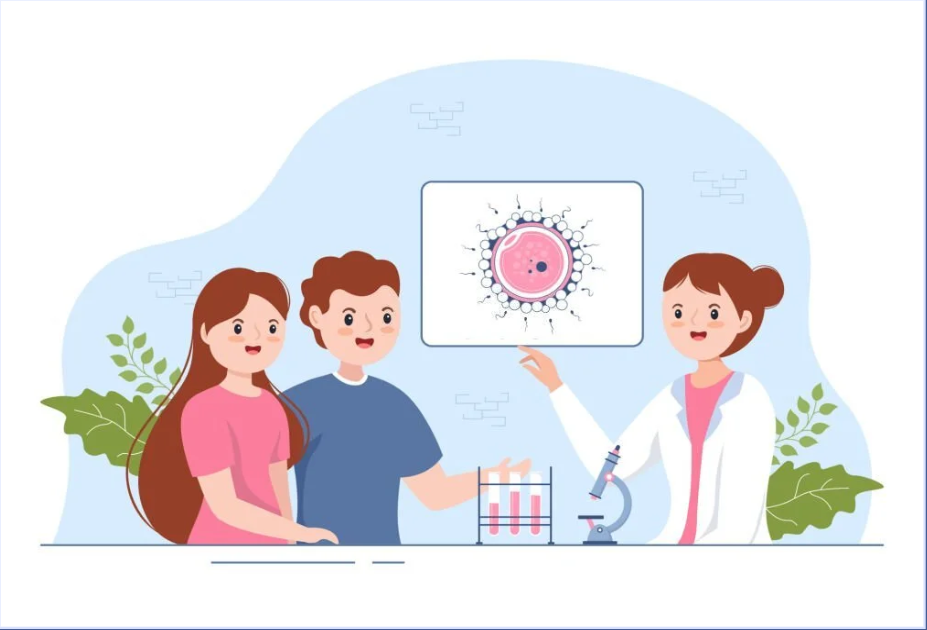
In vitro fertilization (IVF) is an assisted reproductive treatment in which eggs and sperm are combined in a laboratory to create embryos, followed by transferring an embryo into the uterus. It may be recommended for different causes of infertility, depending on the couple’s medical history and fertility assessment.
For couples considering IVF, understanding each stage can make the process easier to navigate. Treatment involves several steps, including fertility evaluation, ovarian stimulation, egg retrieval, fertilization, embryo development, embryo transfer, and pregnancy testing. The exact protocol varies between individuals.
Step 1: Fertility Assessment and Treatment Planning
IVF usually begins with a detailed evaluation of both partners. The purpose is to identify possible causes of infertility and determine whether IVF is appropriate.
Tests Before IVF
Depending on individual circumstances, evaluation may include:
- Medical and reproductive history
- Ovarian reserve assessment
- Ultrasound examination
- Hormone testing
- Semen analysis
- Assessment of the uterus and fallopian tubes
- Screening for certain infections or medical conditions
The specialist then discusses treatment options, expected outcomes, medications, potential risks, and the likely treatment schedule. This planning stage is important because IVF protocols are individualized rather than identical for every couple.
Step 2: Ovarian Stimulation
During a natural menstrual cycle, usually one egg reaches maturity. IVF medications are used to stimulate the ovaries so that multiple follicles can develop during a treatment cycle.
Monitoring Follicle Development
Hormonal medications are administered for several days, with the response monitored using ultrasound scans and sometimes blood tests. The medical team adjusts medication according to follicle development and hormone levels.
The purpose is to obtain multiple mature eggs while avoiding excessive ovarian stimulation. Modern protocols may use different medication combinations and trigger strategies depending on the patient’s response and risk factors.
Step 3: Triggering Egg Maturation
When the follicles reach an appropriate stage of development, a medication called a trigger is administered to support final egg maturation. The timing is carefully coordinated because egg retrieval must take place at a specific interval afterward.
Accurate timing is important because the eggs need to be collected before spontaneous ovulation occurs. The fertility team provides precise instructions about when to administer the trigger medication and when to attend the clinic for retrieval.
Step 4: Egg Retrieval
Egg retrieval, also called oocyte retrieval, is a procedure used to collect mature eggs from the ovaries. It is usually performed using ultrasound guidance and a specialized needle passed through the vaginal wall into the ovarian follicles.
What Happens During Retrieval?
The procedure is generally performed with appropriate pain relief or sedation. The fluid from selected follicles is collected and immediately transferred to the embryology laboratory, where embryologists identify and assess the eggs.
The number of eggs retrieved varies significantly between individuals and should not be interpreted as a guarantee of treatment success. Not every retrieved egg will be mature, fertilize, or develop into an embryo.
Step 5: Sperm Collection and Fertilization
A sperm sample is generally collected on or around the day of egg retrieval. The laboratory processes the sample to identify suitable sperm for fertilization.
IVF or ICSI?
With conventional IVF, prepared sperm are placed with the eggs in the laboratory to allow fertilization to occur. In intracytoplasmic sperm injection (ICSI), a single sperm is injected directly into an egg.
ICSI may be recommended in specific situations, such as certain male-factor infertility cases or previous fertilization problems. It is not automatically necessary for every IVF cycle.
Step 6: Embryo Development in the Laboratory
After fertilization, embryos are monitored as they develop in the laboratory. Embryologists assess their development and may use established grading methods to evaluate embryo characteristics.
Many embryos that begin developing will not continue to the blastocyst stage. This is a normal part of human reproduction and means that the number of eggs retrieved does not equal the number of embryos available for transfer.
What Happens to Extra Embryos?
If suitable embryos remain after the planned transfer, they may be cryopreserved for potential future use, depending on the couple’s treatment plan and applicable regulations.
Some couples may also be offered genetic testing of embryos in specific clinical circumstances. The benefits, limitations, costs, and implications of testing should be discussed before deciding whether it is appropriate.
Step 7: Embryo Transfer
Embryo transfer involves placing an embryo into the uterus using a thin catheter passed through the cervix. It is usually a relatively short procedure and generally does not require general anaesthesia.
In Ahmedabad, couples considering fertility treatment may consult an IVF specialist in Ahmedabad to discuss their diagnosis, treatment protocol, embryo-transfer strategy, and the factors that may influence their individual chances of pregnancy.
How Many Embryos Are Transferred?
For many patients, transferring a single appropriate embryo is preferred because it can reduce the risk of multiple pregnancy while maintaining a reasonable chance of success. The decision depends on factors such as age, embryo characteristics, previous treatment, and clinical circumstances.
Step 8: Hormonal Support After Transfer
After embryo transfer, some patients receive progesterone or other hormonal support to help maintain the uterine lining during the period when implantation may occur.
The medication, dosage, and duration depend on the treatment protocol. Patients should take prescribed medicines exactly as directed and should not stop them simply because they experience mild bleeding or other early symptoms without speaking to their fertility team.
Step 9: Pregnancy Testing
A pregnancy test is performed after embryo transfer at the time recommended by the fertility clinic. Testing too early can sometimes produce an unclear or misleading result.
What Happens After a Positive Test?
If the pregnancy test is positive, the clinic may arrange blood testing and subsequently an ultrasound to confirm the location and development of the pregnancy.
A positive IVF pregnancy test does not guarantee a continuing pregnancy, so appropriate follow-up is important during the early stages.
How Long Does an IVF Cycle Take?
The overall timeline varies according to the treatment protocol, menstrual cycle, embryo development, and whether a fresh or frozen embryo transfer is planned.
A typical IVF process may involve:
| Stage | Approximate Timing |
| Initial assessment | Before treatment |
| Ovarian stimulation | Around 1-2 weeks |
| Trigger and egg retrieval | Scheduled within the same cycle |
| Embryo development | Several days |
| Fresh transfer | After embryo development |
| Pregnancy testing | Approximately 1-2 weeks after transfer |
These are general estimates. Some patients may require additional preparation or a frozen embryo transfer in a later cycle.
What Are the Possible Risks of IVF?
IVF is generally performed under careful medical monitoring, but it has potential risks. Ovarian hyperstimulation syndrome (OHSS) can occur when the ovaries respond excessively to stimulation. Modern treatment strategies can reduce the risk, particularly in patients considered more vulnerable.
Other possible issues include discomfort from medications, bleeding or infection related to egg retrieval, ovarian torsion in rare cases, and complications associated with pregnancy. Multiple pregnancy is also an important consideration, which is one reason single-embryo transfer is often preferred when appropriate.
What Factors Affect IVF Success?
IVF outcomes differ considerably between couples. Important factors include:
- Age of the person providing the eggs
- Ovarian reserve
- Egg and sperm quality
- Cause and duration of infertility
- Uterine health
- Embryo development
- Previous IVF outcomes
- Certain underlying medical conditions
A larger number of eggs does not automatically mean a successful pregnancy. There is natural attrition at every stage, from egg maturity and fertilization to embryo development and implantation.
Conclusion
IVF involves several carefully coordinated stages, beginning with fertility assessment and ovarian stimulation and continuing through egg retrieval, fertilization, embryo development, transfer, and pregnancy testing.
The process can vary considerably depending on the couple’s diagnosis, ovarian response, embryo development, and treatment plan. Understanding each stage can make the journey more predictable, but individual outcomes cannot be guaranteed. Regular communication with the fertility team and following medication, monitoring, and follow-up instructions are essential throughout treatment.
Frequently Asked Questions
1. How long does the IVF treatment process take?
A complete IVF cycle can take several weeks, although the exact timeline varies. Ovarian stimulation commonly lasts around one to two weeks, followed by egg retrieval, embryo development, transfer, and pregnancy testing.
2. Is egg retrieval painful?
Egg retrieval is usually performed with appropriate sedation or pain relief, so significant discomfort is generally minimized. Mild cramping, bloating, or spotting may occur afterward. The fertility team provides specific instructions for recovery and warning signs.
3. How many eggs are needed for IVF?
There is no fixed number of eggs required for successful IVF. Not every retrieved egg will be mature or fertilize, and not every fertilized egg becomes a transferable embryo, making individual outcomes highly variable.
4. When is pregnancy confirmed after embryo transfer?
A fertility clinic usually recommends pregnancy testing at a specific time after embryo transfer, often around one to two weeks later. Testing too early can produce misleading results, so following the clinic’s instructions is important.
5. Can IVF work on the first attempt?
Yes, pregnancy can occur during the first IVF cycle, but success is not guaranteed. Outcomes depend on age, egg and sperm factors, embryo development, uterine health, infertility diagnosis, and several other individual factors.


For most people, period tracking begins and ends with marking the first day of bleeding on a wall calendar or tapping a phone app. While knowing when your period arrives helps you plan trips and buy supplies, this narrow focus misses three-quarters of your hormonal story.
Your menstrual cycle is considered a key vital sign. Throughout each month, your body undergoes rhythmic shifts in estrogen, progesterone, luteinizing hormone, and testosterone. These fluctuations do not merely dictate when you bleed; they influence your sleep quality, metabolic rate, focus, digestion, and emotional resilience. Keeping a useful menstrual health diary transforms monthly guesswork into objective data, giving you the power to advocate for your health and understand your body’s signals.
Beyond the Bleed: The Four Cycle Phases
A useful menstrual health diary tracks symptoms across the entire four-phase cycle—menstrual, follicular, ovulatory, and luteal—rather than just bleeding days.
To interpret your diary accurately, understand what happens behind the scenes:
- The Menstrual Phase (Days 1–5): Estrogen and progesterone sit at baseline levels, making rest and gentle movement ideal.
- The Follicular Phase (Days 6–13): Estrogen steadily rises as an egg matures, typically boosting energy, mental focus, and social confidence.
- The Ovulatory Phase (Days 14–16): An LH surge releases the egg. Peak estrogen and testosterone often maximize vitality and libido.
- The Luteal Phase (Days 17–28): Progesterone dominates to calm the nervous system. If pregnancy does not occur, its sudden drop can trigger premenstrual symptoms.
Logging which phase you are in provides vital context. Feeling fatigued on cycle day 26 carries a completely different clinical meaning than feeling drained on cycle day 10.
Essential Biomarkers to Log Daily
An effective menstrual diary captures five core biomarkers: bleeding metrics, cervical fluid characteristics, physical pain, mood changes, and energy levels.
Rather than writing long entries, record brief, measurable data points each evening:
- Bleeding and Spotting: Log flow intensity (spotting, light, medium, heavy) and blood color. Note blood clots, as clots larger than a quarter warrant clinical evaluation.
- Cervical Fluid: Checking discharge provides real-time fertility data. Note the transition from dry, post-period days to creamy textures, culminating in the slippery, “egg-white” fluid of peak fertility.
- Physical Discomfort: Rate cramping on a 1-to-10 scale. Specify locations (lower back, thighs, pelvic basin) and whether symptoms respond to heat or anti-inflammatories.
- Basal Body Temperature (BBT): If tracking basal body temperature, take your temperature immediately upon waking with a two-decimal thermometer. A sustained rise of 0.5 to 1.0 degree Fahrenheit confirms that ovulation occurred.
- Mood and Energy: Note shifts in anxiety, irritability, sleep quality, and cravings for salt or sugar.
Choosing Your Tracking System: Apps vs. Paper
The best menstrual tracking tool is the one you maintain consistently, whether an intuitive digital app or a private paper bullet journal.
Period apps calculate cycle averages, generate graphs, and send helpful predictive alerts. However, many users have valid privacy concerns regarding reproductive health data. In addition, standard algorithms often assume a generic 28-day cycle, producing inaccurate ovulation estimates for women with irregular schedules.
Analog journaling in a dedicated planner offers complete data security and total customization. You can easily track niche symptoms—such as migraines, skin flare-ups, or digestive changes—without rigid drop-down menus. If you prefer digital convenience with privacy, choose open-source or encrypted apps that store records strictly on your device.
Decoding Patterns and Hormonal Clues
Reviewing two to three consecutive cycles of diary entries helps identify predictable hormonal rhythms and separates routine shifts from conditions like PMDD.
Isolated symptoms reveal very little, but recurring patterns provide diagnostic clarity:
- Severe Mood Drops: If depression, panic, or rage reliably appears a week before your period and vanishes once bleeding starts, you may be experiencing Premenstrual Dysphoric Disorder (PMDD).
- Short Luteal Phases: If fewer than 10 days elapse between confirmed ovulation and your next period, low progesterone may be compromising uterine health.
- Mid-Cycle Aches: A brief, one-sided pelvic twinge around day 14 often indicates ovulatory pain (mittelschmerz).
Noticing predictable luteal phase symptoms lets you adjust your work commitments, adapt workout intensity, and implement targeted nutrition before symptoms peak.
When Irregular Cycles Point to Metabolic Imbalances
Persistent cycle irregularities, missed periods, and mid-cycle spotting frequently indicate metabolic challenges such as insulin resistance or PCOS.
Your reproductive system is closely tied to your metabolic health. When the pancreas releases excess insulin to overcome insulin resistance, that surplus signals the ovaries to produce excess androgens. This hormonal disruption can halt ovulation, causing irregular cycle patterns, persistent acne, unwanted hair growth, and stubborn midsection weight gain.
In your diary, watch for cycles stretching past 35 days or fluctuating unpredictably. If irregular cycles coincide with strong sugar cravings, afternoon fatigue, and weight stalls, metabolic restoration should be prioritized. For women navigating hormonal weight plateaus and anovulation, interventions like medical weight loss injections in Sandy can help restore insulin balance and metabolic health, providing a foundation for regular, predictable menstrual cycles.
Presenting Your Diary to a Healthcare Provider
To maximize appointment time, summarize your diary into a concise, one-page overview showing cycle lengths, symptom timelines, and functional limitations.
Clinicians work within tight appointment windows and cannot parse months of daily diary entries. Synthesize your data before your consultation:
- State your average cycle length and range (e.g., “Cycles vary between 27 and 38 days”).
- Quantify blood loss by noting how frequently you saturate menstrual products during heavy days.
- Highlight pain severity and specific days when discomfort interfered with work or sleep.
- Share temperature charts showing whether your cycle is ovulatory or anovulatory.
Organized data helps your provider order relevant hormone panels, ultrasounds, or metabolic screenings quickly and accurately.
Keeping a menstrual health diary is an empowering act of biological literacy. By observing your body’s signals across the entire month—rather than only tracking the days you bleed—you demystify your energy, mood, and physical wellbeing. The data you gather becomes a personalized diagnostic tool, helping you work productively with clinicians and make daily choices aligned with your body’s natural rhythms.

Self-esteem is the foundational lens through which we view ourselves and interact with the world around us. It influences every decision we make, from the career paths we pursue to the personal relationships we nurture. When our self-esteem is healthy, we approach life’s challenges with resilience, embrace new opportunities with enthusiasm, and view setbacks as valuable learning experiences. Conversely, low self-esteem often manifests as persistent self-doubt, anxiety, and a feeling of unworthiness, effectively holding us back from reaching our full potential.
Building and maintaining a robust sense of self-worth is not about arrogance or perfectionism; rather, it is about developing an honest, compassionate appreciation for who you are. Fortunately, self-esteem is not a static trait fixed at birth. It is a dynamic state of mind that can be actively cultivated, strengthened, and transformed over time.
Why Self-Esteem Matters
Understanding the significance of self-esteem is the first step toward strengthening it. Our self-worth deeply impacts virtually every aspect of daily living:
- Mental Well-Being: Healthy self-esteem acts as a protective buffer against daily stress, anxiety, and depressive feelings. It allows individuals to navigate adversity without falling into destructive cycles of self-criticism.
- Healthier Relationships: When you truly value yourself, you establish clearer boundaries and expect mutual respect in your personal and professional connections.
- Professional Success: Confidence in your abilities encourages you to share ideas, take calculated risks, and bounce back from workplace setbacks. Research indicates that projected self-confidence directly influences how competent and trustworthy you appear to colleagues and leaders.
- Resilience & Growth: Believing in your core potential motivates you to step outside familiar boundaries, master new skills, and pursue passions without a paralyzing fear of failure.
Proven Strategies to Strengthen Your Self-Esteem
If you struggle with self-confidence, implementing consistent, intentional habits can help reframe your self-perception over time.
1. Challenge Your Inner Critic and Practice Self-Compassion
We are often far harsher on ourselves than we would ever be on a friend. Pay attention to your internal monologue. When critical thoughts arise—such as “I am not capable enough” or “I always make mistakes”—pause and question them. Ask yourself whether these statements are objective facts or merely passing emotional reactions. Counter negative thoughts with constructive affirmations and treat yourself with kindness when mistakes happen.
2. Set Realistic Goals and Celebrate Progress
Setting unreachable standards is a direct path to disappointment and eroded self-worth. Instead, break large ambitions down into smaller, manageable milestones. Each time you accomplish a goal—no matter how modest—take a moment to acknowledge your effort. Celebrating incremental victories continually reinforces the belief that you are capable and effective.
3. Invest in Holistic Self-Care and Personal Appearance
Self-esteem is intimately tied to how we care for ourselves physically, mentally, and emotionally. Prioritizing regular physical activity, balanced nutrition, restorative sleep, and mindfulness practices elevates both your mood and physical vitality.
Aesthetic confidence and external self-care also play a meaningful role in how we project ourselves to the world. Feeling good about your physical presentation naturally improves your posture, demeanor, and social engagement. For instance, choosing to invest in smile enhancements—such as getting dental veneers in Anchorage—can significantly restore self-confidence for individuals self-conscious about their teeth, allowing them to interact uninhibited in both personal and professional environments. Caring for your appearance is a legitimate form of self-respect that directly supports overall well-being.
4. Establish Boundaries and Cultivate Positivity
The social environments and people you engage with heavily influence your internal narrative. Establish healthy boundaries with individuals who consistently drain your energy or diminish your confidence. Instead, surround yourself with supportive, encouraging friends and mentors who celebrate your growth and inspire you to thrive.
5. Step Outside Your Comfort Zone
Personal confidence grows when you test your capabilities. Taking deliberate steps beyond familiar routines—whether speaking up in a team meeting, exploring a new hobby, or tackling a complex project—proves to yourself that you can navigate uncertainty successfully.
Conclusion
Strengthening your self-esteem is an ongoing journey rather than a single destination. It requires patience, steady effort, and self-acceptance. By reframing negative self-talk, celebrating small achievements, setting healthy boundaries, and investing in both your mental and physical self-care, you can build an unshakeable foundation of self-worth. Remember: believing in yourself is the ultimate gateway to living an authentic and fulfilling life.


Surgery, whether elective or medically necessary, carries an inherent degree of risk. What separates exceptional healthcare institutions from ordinary ones is not the absence of risk, but the systems they build to identify, manage, and minimize it. Patient safety is not a passive concept — it is an active, ongoing commitment that demands rigorous protocols, transparent communication, and a culture of accountability at every level of care. As surgical procedures grow more complex and patient expectations rise, the frameworks that protect individuals before, during, and after surgery have never been more critical.
Understanding the Scope of Surgical Risk
Every surgical procedure, from minor outpatient interventions to complex reconstructive operations, introduces a spectrum of potential complications. These range from anesthesia reactions and post-operative infections to more nuanced outcomes such as unsatisfactory results that may require further intervention. The medical community has long recognized that surgical outcomes are influenced not only by the technical skill of the operating team but also by pre-operative assessments, patient health history, facility standards, and post-operative monitoring.
One area where this complexity is particularly evident is in cosmetic and reconstructive surgery. Procedures involving the nose, for example, are among the most technically demanding in the field. When initial results do not meet clinical or patient expectations, revision rhinoplasty may be considered as a corrective pathway, underscoring the importance of thorough pre-surgical counseling and realistic outcome planning. This example illustrates a broader truth: surgical safety is not only about preventing harm during the operation itself, but also about preparing patients for the full continuum of care that may follow.
Building Safety Cultures Within Healthcare Institutions
A genuine culture of safety within a hospital or surgical center is built from the inside out. It begins with leadership that prioritizes transparency over reputation management, and extends to frontline staff who feel empowered to raise concerns without fear of professional repercussion. Incident reporting systems, regular audits, and multidisciplinary team reviews are among the structural tools that allow institutions to learn from near-misses and adverse events rather than simply reacting to them after the fact.
Staff training plays an equally vital role. Surgical teams that regularly rehearse emergency protocols, communicate clearly during procedures, and adhere to standardized checklists demonstrate measurably better outcomes. The World Health Organization’s Surgical Safety Checklist, now adopted in hospitals worldwide, is a prime example of how a simple, systematic tool can dramatically reduce preventable errors in the operating room.
The Role of Quality Institutes in Elevating Standards
Dedicated quality and patient safety institutes within major healthcare systems serve as the institutional backbone for continuous improvement. These bodies are responsible for setting benchmarks, monitoring compliance, investigating adverse outcomes, and implementing evidence-based changes across departments. Their work is often invisible to patients, but its impact is felt in every safe procedure, every prevented complication, and every informed consent conversation that takes place.
Cleveland Clinic Abu Dhabi exemplifies this institutional commitment. Their approach to patient safety is embedded within a dedicated Quality and Patient Safety Institute that operates across all departments, ensuring that clinical excellence is not siloed but integrated into the fabric of the entire organization. This model reflects a growing global consensus that safety cannot be an afterthought — it must be a foundational design principle of every healthcare system.
Pre-Operative and Post-Operative Safety Protocols
The surgical encounter does not begin in the operating room. It begins the moment a patient is referred for a procedure and continues long after they leave the recovery ward. Pre-operative safety protocols include thorough medical history reviews, diagnostic imaging, allergy screenings, and informed consent processes that ensure patients fully understand the risks, benefits, and alternatives to any proposed intervention.
Post-operative care is equally critical. Wound monitoring, pain management, infection surveillance, and follow-up appointments form the safety net that catches complications before they escalate. Patients who are well-informed about warning signs — unusual swelling, fever, changes in sensation — are active participants in their own safety. This collaborative model between clinician and patient is increasingly recognized as one of the most effective tools in reducing post-surgical morbidity.
Medication Safety and Anesthesia Management
Among the most sensitive areas of surgical safety is the management of medications and anesthesia. Drug interactions, incorrect dosages, and allergic reactions represent a significant proportion of preventable surgical complications. Modern anesthesia practice has evolved considerably, with continuous monitoring technologies and standardized protocols reducing risk substantially. Nevertheless, vigilance remains essential, particularly for patients with complex medical histories or those undergoing lengthy procedures.
Safety Nets Beyond the Operating Room
The concept of surgical safety extends beyond the hospital walls. Medical offices, outpatient clinics, and ambulatory surgical centers all play a role in the broader ecosystem of patient protection. Establishing robust safety nets in these settings — including emergency response protocols, clear referral pathways, and consistent documentation practices — is essential for ensuring continuity of care. Research into building effective safety nets for surgery in medical office environments highlights the importance of extending institutional-grade safety standards to smaller clinical settings where oversight may be less formalized.
This is particularly relevant as more procedures migrate from hospital settings to outpatient environments in response to cost pressures and patient preference. The challenge for healthcare administrators and regulators is ensuring that the shift toward ambulatory care does not come at the expense of the safety infrastructure that protects patients.
Cleveland Clinic Abu Dhabi: A Benchmark for Patient-Centered Safety
Cleveland Clinic Abu Dhabi has established itself as a regional leader in healthcare quality, bringing internationally recognized standards to the Middle East. Its Quality and Patient Safety Institute operates with a clear mandate: to embed safety into every clinical decision, every patient interaction, and every operational process. The institute draws on global best practices while adapting them to the specific needs and demographics of the patient population it serves.
What distinguishes this institution is not merely the presence of a dedicated safety body, but the depth of its integration across specialties. From cardiovascular surgery to neurology, from oncology to reconstructive procedures, the same rigorous standards apply. Patients benefit from a system designed to anticipate risk, not simply respond to it — a distinction that defines truly world-class healthcare.
Conclusion: Safety as a Shared Responsibility
Patient safety in surgical settings is not the responsibility of any single individual or department. It is a shared commitment that spans institutions, disciplines, and the patient-clinician relationship itself. As medical technology advances and surgical capabilities expand, the frameworks that protect patients must evolve in parallel. Institutions that invest in dedicated quality infrastructure, foster transparent safety cultures, and engage patients as informed partners are not simply meeting a regulatory standard — they are defining what modern, ethical healthcare looks like. In a world where surgical outcomes can be life-changing, that commitment is not optional. It is the foundation upon which trust in medicine is built.

The Ultimate Office Spring Cleaning Checklist for Small Businesses

Optimizing Industrial Packaging Automation: Technical Standards, Electrical Safety, and Line Efficiency

What Are the Effects of Too Much Sun Exposure?

How to Keep a Useful Menstrual Health Diary

7 Meaningful Ways to Preserve Memories From Your Favorite Trips

Who Is Indiana Urban? Inside the Life of Karl Urban’s Son and Rising Actor

Jennifer Seyfried: All About Amanda Seyfried’s Sister, Her Life and Career

Who Is Zachary Hudson? Inside the Private Life of Cindy Williams’ Son

Who Is Stephen G. Walker? All About PinkPantheress’ Father and His Academic Career

Cynthia Womack Biography: The Life, Career, and Legacy of Connie Britton’s Twin Sister
Who Is Indiana Urban? Inside the Life of Karl Urban’s Son and Rising Actor
Jennifer Seyfried: All About Amanda Seyfried’s Sister, Her Life and Career
Who Is Zachary Hudson? Inside the Private Life of Cindy Williams’ Son
Who Is Stephen G. Walker? All About PinkPantheress’ Father and His Academic Career
Cynthia Womack Biography: The Life, Career, and Legacy of Connie Britton’s Twin Sister
-
Biography7 months ago
Who Is Indiana Urban? Inside the Life of Karl Urban’s Son and Rising Actor
-
Biography7 months ago
Jennifer Seyfried: All About Amanda Seyfried’s Sister, Her Life and Career
-
Biography7 months ago
Who Is Zachary Hudson? Inside the Private Life of Cindy Williams’ Son
-
 Biography6 months ago
Who Is Stephen G. Walker? All About PinkPantheress’ Father and His Academic Career
-
Biography8 months ago
Cynthia Womack Biography: The Life, Career, and Legacy of Connie Britton’s Twin Sister
-
 Biography7 months ago
Who is Lynn Levesque? Everything to Know About Triple H’s Sister
-
 Biography8 months ago
Who Was Gretchen Knauff? The Private Life of Jennifer Coolidge’s Mother
-
 Biography7 months ago
Lynn Payne: Inside the Life and Love Story of Randy Savage’s Wife