
Health
Nosebleeds: Common Causes and When to Seek Help

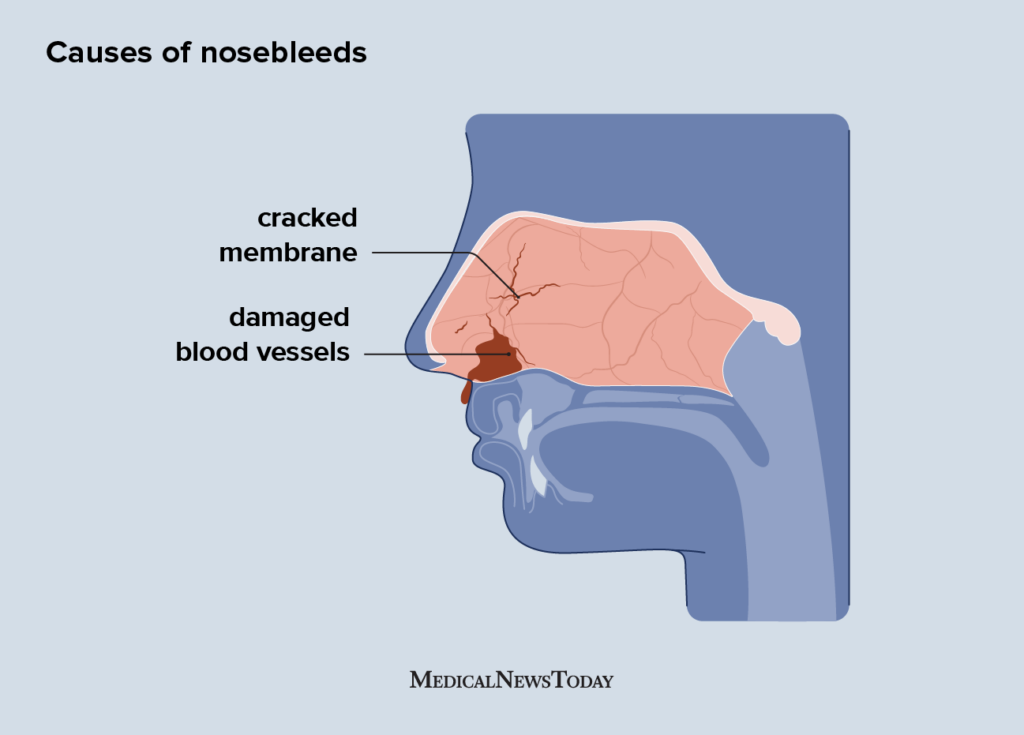
Nosebleeds can be alarming, especially when bleeding starts suddenly or appears heavy. In many cases, a nosebleed settles with simple first-aid measures. However, repeated, heavy, prolonged, or one-sided nosebleeds may need medical assessment.
A nosebleed is also known medically as epistaxis. It happens when small blood vessels inside the nose break and bleed. The front part of the nose contains many small blood vessels, which can bleed after irritation, dryness, injury, infection, or inflammation.
What Is a Nosebleed?
A nosebleed occurs when blood comes from one or both nostrils. The bleeding may be light or heavy and may last for a few seconds or several minutes.
Nosebleeds may be broadly described as:
- Anterior nosebleeds, which usually come from the front part of the nose
- Posterior nosebleeds, which come from deeper inside the nose
Anterior nosebleeds are more common and often settle with pressure. Posterior nosebleeds may be harder to control and may cause blood to flow backwards into the throat. They may need medical assessment, especially if bleeding is heavy or prolonged.
Common Causes of Nosebleeds
Nosebleeds can occur for many reasons. Some causes are minor, while others may need further review.
Common causes include the following.
1. Nose Picking or Rubbing
Nose picking, rubbing, or scratching the inside of the nose can injure small blood vessels. This is a common cause in children, especially when there is itchiness from allergy, dried mucus, or irritation.
Repeated rubbing can also delay healing if a small scab keeps reopening.
2. Blowing the Nose Too Hard
Forceful nose blowing can irritate or break small blood vessels inside the nose. This may happen during a cold, sinus infection, or allergy flare.
Patients with a blocked or runny nose may be more likely to blow the nose frequently, which can increase irritation.
3. Allergic Rhinitis
Allergic rhinitis can cause sneezing, blocked nose, runny nose, itchy nose, and post-nasal drip. Repeated sneezing, rubbing, and inflammation can irritate the nasal lining and contribute to nosebleeds.
In Singapore, allergy symptoms may occur throughout the year in some people because indoor triggers such as house dust mites and mould can be present in the living environment.
4. Nasal Dryness and Irritation
Although Singapore has a humid climate, nasal dryness may still occur in air-conditioned environments, during illness, after frequent nose blowing, or with certain medications.
A dry nasal lining can crack and bleed. Irritation may also occur from smoke, strong smells, chemical exposure, dust, or environmental pollutants.
5. Upper Respiratory Infections
Colds, flu-like illnesses, and other upper respiratory infections can inflame the nasal lining. This may cause blocked nose, runny nose, sneezing, and repeated nose blowing, which can trigger bleeding.
In many cases, the nosebleed settles as the infection improves. Persistent bleeding or symptoms that worsen should be assessed.
6. Sinus or Nasal Inflammation
Ongoing nasal or sinus inflammation can make the nasal lining more sensitive. Patients may notice blocked nose, thick nasal discharge, post-nasal drip, facial pressure, reduced smell, or repeated nosebleeds.
ENT assessment may be considered if nosebleeds occur with long-lasting nasal blockage, one-sided symptoms, facial swelling, or recurrent sinus symptoms.
7. Injury or Trauma
A nosebleed may occur after a fall, sports injury, road traffic accident, facial impact, or nasal fracture.
Medical assessment may be needed if the nosebleed follows trauma and is associated with:
- Severe pain
- Nasal deformity
- Facial swelling
- Bruising around the eyes
- Difficulty breathing through the nose
- Clear fluid from the nose
- Ongoing heavy bleeding
- Head injury symptoms
8. Foreign Body in the Nose
This is more common in young children. A small object placed inside the nose may cause irritation, bleeding, blockage, or foul-smelling discharge.
Parents should seek medical help if they suspect a foreign body. They should avoid pushing the object deeper or using sharp tools at home.
9. Medication-Related Bleeding
Some medicines may increase bleeding tendency or make bleeding harder to stop. These may include blood-thinning medication, antiplatelet medication, and some anti-inflammatory medicines.
Patients should not stop prescribed medication unless instructed by a doctor. If nosebleeds are frequent or difficult to control, medication review may be needed.
10. High Blood Pressure and Medical Conditions
High blood pressure does not always directly cause nosebleeds, but it may make bleeding harder to settle in some patients. Other medical conditions that affect clotting, platelets, liver function, or blood vessels may also contribute to repeated or heavy nosebleeds.
Assessment may be advisable if nosebleeds are frequent, heavy, or associated with easy bruising, bleeding gums, blood in urine or stool, or a known bleeding disorder.
11. Nasal Growths or Structural Problems
Less commonly, nosebleeds may be linked to nasal polyps, growths, blood vessel abnormalities, or other structural concerns. This is one reason recurrent one-sided nosebleeds should be assessed.
ENT review may be considered if nosebleeds occur with:
- Persistent one-sided nasal blockage
- Repeated bleeding from one nostril
- Facial pressure or swelling
- Reduced smell
- Unexplained nasal discharge
- Blood-stained mucus that keeps returning
What to Do During a Nosebleed
During a nosebleed, staying calm and using the right first-aid steps can help.
You may follow these steps:
- Sit upright.
- Lean slightly forward.
- Breathe through the mouth.
- Pinch the soft part of the nose, just below the bony bridge.
- Keep steady pressure for 10 to 15 minutes.
- Spit out any blood that enters the mouth.
- Avoid swallowing blood where possible.
- Check whether bleeding has settled after maintaining pressure.
Leaning forward helps reduce blood flowing backwards into the throat. Tilting the head backwards is not advised because blood may be swallowed or flow into the throat.
What to Avoid After a Nosebleed
After bleeding stops, the nasal lining needs time to settle.
For the next day, patients may be advised to avoid:
- Nose picking
- Forceful nose blowing
- Heavy lifting
- Strenuous activity
- Hot drinks
- Alcohol
- Disturbing nasal scabs
- Inserting cotton buds or objects into the nose
These steps may help reduce the chance of the bleeding starting again.
When Should You Seek Medical Help?
Medical assessment is advisable if the nosebleed:
- Does not stop after steady pressure
- Is heavy
- Keeps recurring
- Happens after a facial injury
- Occurs with dizziness or faintness
- Occurs in someone taking blood-thinning medication
- Occurs with easy bruising or bleeding elsewhere
- Affects one nostril repeatedly
- Occurs with persistent nasal blockage
- Occurs with facial swelling or severe pain
- Happens in a child with a suspected foreign body in the nose
Urgent care may be needed if bleeding is severe, does not settle, follows significant trauma, or is associated with breathing difficulty, weakness, fainting, or signs of major blood loss.
When Should You See an ENT Specialist?
An ENT specialist may assess the nose and identify possible local causes of bleeding. ENT assessment may be helpful for recurrent, one-sided, prolonged, or unexplained nosebleeds.
You may consider ENT review if:
- Nosebleeds happen frequently
- Bleeding repeatedly comes from one side
- Bleeding is difficult to stop
- There is persistent blocked nose
- There is blood-stained mucus that keeps returning
- There are recurrent sinus or allergy symptoms
- There is nasal pain, facial pressure, or swelling
- There is concern about a nasal growth or structural problem
- A child has repeated nosebleeds or suspected nasal foreign body
The ENT or nose doctor may examine the nose and may recommend nasal endoscopy if a closer view is needed.
How Nosebleeds Are Assessed
Assessment depends on the bleeding pattern, age, medical history, medication use, and associated symptoms.
A doctor may ask:
- How often nosebleeds occur
- Whether bleeding comes from one or both nostrils
- How long bleeding usually lasts
- Whether there was trauma
- Whether there is nasal blockage or discharge
- Whether the patient has allergies or sinus symptoms
- Whether the patient takes blood-thinning medication
- Whether there is easy bruising or bleeding elsewhere
- Whether there are other medical conditions
The examination may include:
- Checking the front of the nose
- Looking for bleeding points
- Assessing nasal inflammation
- Checking for crusting or scabs
- Looking for signs of infection
- Nasal endoscopy where needed
- Blood pressure check
- Blood tests if a bleeding disorder or anaemia is suspected
Not every patient needs every test. The assessment is guided by symptoms and clinical findings.
Treatment Options for Nosebleeds
Treatment depends on the cause, severity, and frequency of bleeding.
Options may include:
- First-aid advice
- Nasal moisturising measures
- Saline sprays or rinses
- Treating nasal allergy or rhinitis
- Medication review
- Avoiding nasal trauma
- Cautery for a visible bleeding point
- Nasal packing for bleeding that does not settle
- Further tests if an underlying condition is suspected
- Surgery or other procedures in selected cases
If a specific bleeding point is found, cautery may be discussed. This involves treating a small area of the nasal lining to reduce recurrent bleeding from that site. It may not be suitable for every patient, and the doctor should explain aftercare and possible side effects.
Nosebleeds in Children
Nosebleeds in children are often linked to nose picking, rubbing, allergy, infection, or irritation. They can look worrying, but many settle with pressure.
Parents should seek medical advice if a child has:
- Frequent nosebleeds
- Heavy bleeding
- Bleeding that does not stop with pressure
- Nosebleeds after injury
- One-sided foul-smelling nasal discharge
- Suspected object in the nose
- Easy bruising or bleeding elsewhere
- Pale appearance, tiredness, or dizziness
- Snoring, blocked nose, or allergy symptoms with repeated bleeding
Parents should avoid inserting tissue or objects deep into the child’s nose.
Tips That May Help Reduce Nosebleed Episodes
Depending on the cause, these measures may help reduce irritation:
- Avoid nose picking
- Keep fingernails short in children
- Blow the nose gently
- Manage nasal allergy symptoms
- Use saline spray if advised
- Avoid inserting cotton buds into the nose
- Reduce exposure to smoke and strong irritants
- Seek review for persistent nasal blockage
- Follow medication instructions carefully
- Attend follow-up if nosebleeds keep recurring
Patients using prescribed nasal sprays should ask the doctor or pharmacist about correct spray technique, as spraying directly onto the middle wall of the nose may increase irritation in some people.
Questions to Ask Your Doctor
Patients may wish to ask:
- What could be causing my nosebleeds?
- Is the bleeding coming from the front or deeper inside the nose?
- Do I need nasal endoscopy?
- Could allergy or sinus inflammation be involved?
- Are any of my medications contributing?
- Do I need blood tests?
- Is cautery suitable for me?
- What should I do if bleeding starts again?
- What symptoms should prompt urgent care?
- How can I reduce nasal irritation?
- When should I return for follow-up?
These questions can help patients understand the cause and next steps.
Nosebleeds are common and often settle with simple first-aid steps. Common causes include nose picking, forceful nose blowing, nasal allergy, dryness, infection, sinus inflammation, injury, foreign bodies, medication-related bleeding, and medical conditions that affect bleeding.
Patients should sit upright, lean forward, and pinch the soft part of the nose with steady pressure during a nosebleed. Medical help should be sought if bleeding is heavy, prolonged, recurrent, one-sided, linked to injury, or associated with dizziness, breathing difficulty, blood-thinning medication, or bleeding elsewhere.
ENT assessment may be useful for recurrent, unexplained, or one-sided nosebleeds, especially if there is persistent nasal blockage, blood-stained discharge, sinus symptoms, or concern about a structural cause.
This article is for general information only and should not replace medical advice from a qualified healthcare professional.
FAQ
What are common causes of nosebleeds?
Common causes include nose picking, forceful nose blowing, nasal allergy, infection, dryness, irritation, trauma, foreign bodies, medication-related bleeding, and medical conditions that affect clotting.
What should I do during a nosebleed?
Sit upright, lean slightly forward, breathe through the mouth, and pinch the soft part of the nose for 10 to 15 minutes. Avoid tilting the head backwards.
When should I seek medical help for a nosebleed?
Seek help if bleeding does not stop with pressure, is heavy, keeps recurring, follows injury, occurs with dizziness, or happens while taking blood-thinning medication.
Are frequent nosebleeds a concern?
Frequent nosebleeds should be assessed, especially if they come from one side, are difficult to stop, occur with nasal blockage, or are linked to bruising or bleeding elsewhere.
Can allergies cause nosebleeds?
Yes. Allergic rhinitis can cause sneezing, itching, rubbing, inflammation, and nasal irritation, which may contribute to nosebleeds.
Can children get nosebleeds often?
Yes. Children may get nosebleeds from nose picking, rubbing, allergy, infection, or irritation. Recurrent, heavy, or difficult-to-stop bleeding should be assessed.

Surgery, whether elective or medically necessary, carries an inherent degree of risk. What separates exceptional healthcare institutions from ordinary ones is not the absence of risk, but the systems they build to identify, manage, and minimize it. Patient safety is not a passive concept — it is an active, ongoing commitment that demands rigorous protocols, transparent communication, and a culture of accountability at every level of care. As surgical procedures grow more complex and patient expectations rise, the frameworks that protect individuals before, during, and after surgery have never been more critical.
Understanding the Scope of Surgical Risk
Every surgical procedure, from minor outpatient interventions to complex reconstructive operations, introduces a spectrum of potential complications. These range from anesthesia reactions and post-operative infections to more nuanced outcomes such as unsatisfactory results that may require further intervention. The medical community has long recognized that surgical outcomes are influenced not only by the technical skill of the operating team but also by pre-operative assessments, patient health history, facility standards, and post-operative monitoring.
One area where this complexity is particularly evident is in cosmetic and reconstructive surgery. Procedures involving the nose, for example, are among the most technically demanding in the field. When initial results do not meet clinical or patient expectations, revision rhinoplasty may be considered as a corrective pathway, underscoring the importance of thorough pre-surgical counseling and realistic outcome planning. This example illustrates a broader truth: surgical safety is not only about preventing harm during the operation itself, but also about preparing patients for the full continuum of care that may follow.
Building Safety Cultures Within Healthcare Institutions
A genuine culture of safety within a hospital or surgical center is built from the inside out. It begins with leadership that prioritizes transparency over reputation management, and extends to frontline staff who feel empowered to raise concerns without fear of professional repercussion. Incident reporting systems, regular audits, and multidisciplinary team reviews are among the structural tools that allow institutions to learn from near-misses and adverse events rather than simply reacting to them after the fact.
Staff training plays an equally vital role. Surgical teams that regularly rehearse emergency protocols, communicate clearly during procedures, and adhere to standardized checklists demonstrate measurably better outcomes. The World Health Organization’s Surgical Safety Checklist, now adopted in hospitals worldwide, is a prime example of how a simple, systematic tool can dramatically reduce preventable errors in the operating room.
The Role of Quality Institutes in Elevating Standards
Dedicated quality and patient safety institutes within major healthcare systems serve as the institutional backbone for continuous improvement. These bodies are responsible for setting benchmarks, monitoring compliance, investigating adverse outcomes, and implementing evidence-based changes across departments. Their work is often invisible to patients, but its impact is felt in every safe procedure, every prevented complication, and every informed consent conversation that takes place.
Cleveland Clinic Abu Dhabi exemplifies this institutional commitment. Their approach to patient safety is embedded within a dedicated Quality and Patient Safety Institute that operates across all departments, ensuring that clinical excellence is not siloed but integrated into the fabric of the entire organization. This model reflects a growing global consensus that safety cannot be an afterthought — it must be a foundational design principle of every healthcare system.
Pre-Operative and Post-Operative Safety Protocols
The surgical encounter does not begin in the operating room. It begins the moment a patient is referred for a procedure and continues long after they leave the recovery ward. Pre-operative safety protocols include thorough medical history reviews, diagnostic imaging, allergy screenings, and informed consent processes that ensure patients fully understand the risks, benefits, and alternatives to any proposed intervention.
Post-operative care is equally critical. Wound monitoring, pain management, infection surveillance, and follow-up appointments form the safety net that catches complications before they escalate. Patients who are well-informed about warning signs — unusual swelling, fever, changes in sensation — are active participants in their own safety. This collaborative model between clinician and patient is increasingly recognized as one of the most effective tools in reducing post-surgical morbidity.
Medication Safety and Anesthesia Management
Among the most sensitive areas of surgical safety is the management of medications and anesthesia. Drug interactions, incorrect dosages, and allergic reactions represent a significant proportion of preventable surgical complications. Modern anesthesia practice has evolved considerably, with continuous monitoring technologies and standardized protocols reducing risk substantially. Nevertheless, vigilance remains essential, particularly for patients with complex medical histories or those undergoing lengthy procedures.
Safety Nets Beyond the Operating Room
The concept of surgical safety extends beyond the hospital walls. Medical offices, outpatient clinics, and ambulatory surgical centers all play a role in the broader ecosystem of patient protection. Establishing robust safety nets in these settings — including emergency response protocols, clear referral pathways, and consistent documentation practices — is essential for ensuring continuity of care. Research into building effective safety nets for surgery in medical office environments highlights the importance of extending institutional-grade safety standards to smaller clinical settings where oversight may be less formalized.
This is particularly relevant as more procedures migrate from hospital settings to outpatient environments in response to cost pressures and patient preference. The challenge for healthcare administrators and regulators is ensuring that the shift toward ambulatory care does not come at the expense of the safety infrastructure that protects patients.
Cleveland Clinic Abu Dhabi: A Benchmark for Patient-Centered Safety
Cleveland Clinic Abu Dhabi has established itself as a regional leader in healthcare quality, bringing internationally recognized standards to the Middle East. Its Quality and Patient Safety Institute operates with a clear mandate: to embed safety into every clinical decision, every patient interaction, and every operational process. The institute draws on global best practices while adapting them to the specific needs and demographics of the patient population it serves.
What distinguishes this institution is not merely the presence of a dedicated safety body, but the depth of its integration across specialties. From cardiovascular surgery to neurology, from oncology to reconstructive procedures, the same rigorous standards apply. Patients benefit from a system designed to anticipate risk, not simply respond to it — a distinction that defines truly world-class healthcare.
Conclusion: Safety as a Shared Responsibility
Patient safety in surgical settings is not the responsibility of any single individual or department. It is a shared commitment that spans institutions, disciplines, and the patient-clinician relationship itself. As medical technology advances and surgical capabilities expand, the frameworks that protect patients must evolve in parallel. Institutions that invest in dedicated quality infrastructure, foster transparent safety cultures, and engage patients as informed partners are not simply meeting a regulatory standard — they are defining what modern, ethical healthcare looks like. In a world where surgical outcomes can be life-changing, that commitment is not optional. It is the foundation upon which trust in medicine is built.


Refreshing your personal appearance does not require invasive cosmetic procedures, expensive wardrobe overhauls, or hours in front of the mirror every morning. Over time, subtle habits—like wearing outdated clothing cuts, neglecting skin hydration, or ignoring minor dental shifts—can accumulate and make you look and feel tired.
Making small, intentional adjustments to your daily routine, grooming, and posture can instantly revitalize your reflection. By focusing on high-impact areas like your skin, hair, posture, and smile, you can achieve a vibrant, polished look with minimal effort.
1. Brighten and Restore Your Smile
Quick Answer: A radiant, complete smile is one of the fastest ways to refresh your face; professional whitening, subtle cosmetic bonding, or replacing missing teeth instantly restores youthful warmth.
Your smile is often the first feature people notice during conversations. Over time, coffee, tea, and natural aging can dull enamel, while chipped or missing teeth alter your facial structure and make you feel self-conscious.
Simple habits like upgrading to an electric toothbrush, using non-abrasive whitening toothpaste, or receiving a professional dental cleaning deliver immediate brightness. For structural gaps or missing teeth that cause facial sagging, permanent solutions offer dramatic aesthetic and functional benefits. Exploring permanent dental implants in Wasilla or at a local dental practice restores the natural contours of your mouth, preserves jawbone structure, and gives you a complete, effortless smile.
2. Update Your Hair Part and Trim Stiff Ends
Quick Answer: Changing your hair part from center to side (or vice versa) and trimming dry ends instantly adds volume, frames your face, and removes years of visual weight.
Wearing the exact same hairstyle for decades can subconsciously age your overall look. Hair naturally thins and loses luster over time, and keeping dry, split ends makes hair appear flat and lifeless.
- Shift Your Part: Shifting your part just an inch to the side creates instant root lift and softens your facial angles.
- Frame Your Face: Adding soft, face-framing layers or curtain bangs draws attention directly to your eyes and cheekbones.
- Prioritize Shine: Apply a lightweight hair oil or gloss treatment weekly to smooth flyaways and restore natural shine.
3. Shape and Define Your Eyebrows
Quick Answer: Well-groomed, naturally shaped eyebrows frame your eyes and provide a subtle lifting effect across your upper face.
Eyebrows play a crucial role in facial symmetry and expression. Over-plucking creates thin, harsh lines that age the face, while unruly, unkempt brows can make your eye area appear heavy and tired.
Implementing effective subtle appearance refresh strategies includes brow care. Fill in sparse areas using light, hair-like strokes with a fine brow pencil that matches your natural hair root. Brushing brows upward with a clear setting gel instantly opens up the eye area, creating an alert, refreshed appearance without heavy makeup.
4. Elevate Daily Hydration for Radiant Skin
Quick Answer: Drinking adequate water paired with a daily hyaluronic acid serum plumps fine lines and restores a healthy, dew-like glow to dull skin.
No amount of concealer or foundation can hide dehydrated skin. When skin lacks moisture, it appears dull, textured, and accentuates fine lines around the eyes and mouth.
Commit to drinking at least eight glasses of water daily. Layering a lightweight hyaluronic acid serum underneath your daily moisturizer traps water inside the skin barrier, creating a smooth, supple surface that reflects light naturally.
5. Tailor Your Clothes and Refresh Fits
Quick Answer: Wearing clothes that fit your current body shape precisely creates clean lines, improves posture, and elevates your everyday style instantly.
Hanging onto ill-fitting clothing—whether too baggy or uncomfortably tight—is a common style trap. Oversized garments swallow your frame and project a slouched silhouette, while overly tight clothing restricts natural movement.
Prioritize natural facial aesthetics tips and personal style by taking key wardrobe staples to a local tailor. Hemming trousers to the right shoe length, taking in jacket waists, and selecting structured shoulder seams instantly transforms inexpensive clothing into a high-end, custom outfit.
6. Adjust Your Posture and Open Your Shoulders
Quick Answer: Rolling your shoulders back, engaging your core, and lifting your chin instantly improves your silhouette, making you look taller, slimmer, and more confident.
Hours spent slouching over smartphones and laptop keyboards lead to rounded shoulders, forward head posture, and a compressed chest line. Poor posture not only causes physical neck strain but also conveys low energy and fatigue.
Practice conscious posture checks throughout the day. Imagine a string gently pulling the crown of your head upward toward the ceiling. Rolling your shoulders down and back opens up your chest, elongates your neck, and instantly projects an air of health and self-assurance.
7. Simple High-Impact Refresh Ideas
Incorporate these quick grooming adjustments into your weekly routine:
- Whiten the Whites of Your Eyes: Use hydrating, redness-relieving eye drops after long screen sessions to clear up bloodshot eyes.
- Swap Stark Black Eyeliner: Replace harsh black liquid liners with soft deep browns, warm bronzes, or charcoal grays to soften your gaze.
- Exfoliate Hands and Nails: Apply a rich hand cream and keep cuticles oiled; neat hands make a subtle, polished impression.
- Upgrade Eyeglass Frames: Swap old, heavy wire frames for modern acetate frames that complement your skin undertone and face shape.
Myth vs. Fact: Refreshing Your Look
- Myth: Looking younger requires dramatic, expensive cosmetic procedures.
- Fact: Small adjustments—like improving posture, hydrating skin, and updating your smile—deliver powerful, natural results without downtime.
- Myth: Darker makeup shades conceal fatigue better than light tones.
- Fact: Heavy, dark cosmetics often settle into fine lines and cast dark shadows. Soft, warm tones and luminous textures create a fresh, youthful appearance.
Frequently Asked Questions
What is the single fastest change I can make to look less tired today?
Drink two glasses of water, apply a cold compress or cooled tea bags under your eyes for five minutes, and curl your eyelashes before applying mascara. This instantly brightens tired eyes and reduces puffiness.
How often should I update my haircut or style?
Schedule a trim every 6 to 8 weeks to eliminate split ends and maintain structure. Evaluating your hairstyle every two to three years ensures your look evolves naturally with changing trends and your personal style.
Refreshing your appearance is about making small, intentional choices that highlight your best features and boost your confidence. By focusing on high-impact areas—such as restoring your smile, improving posture, tailoring your wardrobe, and maintaining skin hydration—you create a polished, vibrant look. Taking time to care for these subtle details allows your natural energy and self-confidence to shine through every day.

Bringing a baby into the world is a life-changing milestone, but the physical and emotional transition that follows can leave many new mothers feeling disconnected from their bodies. During pregnancy, your body underwent radical transformations over nine months to support growing life. Expecting it to return to its pre-pregnancy state overnight is neither realistic nor medically sound.
Understanding what physical adjustments are standard during the postpartum period—often referred to as the “fourth trimester”—can help you navigate recovery with patience, confidence, and self-compassion.
1. Uterine Involution and Lochia
Immediately following childbirth, your body begins uterine involution, a six-week process where the uterus gradually contracts back toward its pre-pregnancy size. This shrinking process frequently triggers abdominal cramping known as “afterpains,” which can feel more intense during breastfeeding because nursing releases oxytocin, triggering uterine contractions.
Alongside involution, every new mother experiences postpartum vaginal bleeding and discharge known as lochia, regardless of whether delivery was vaginal or via C-section:
- Weeks 1–2: Heavy, dark red flow that slowly tapers down to pink or brown.
- Weeks 3–6: Discharge transitions to a lighter, creamy white or yellowish tone before ceasing entirely.
If bleeding suddenly becomes heavy enough to soak through a pad in under an hour or contains large clots, contact your healthcare provider right away.
2. Core and Pelvic Floor Recovery
Your abdominal wall and surrounding connective tissues undergo significant stretching throughout pregnancy. Retaining a soft “postpartum pooch” in the initial months is completely natural. For many women, the left and right bands of abdominal muscles separate down the middle—a condition known as diastasis recti.
Simultaneously, your pelvic floor muscles support extra weight for months and stretch during delivery. You may experience temporary pelvic soreness, muscle weakness, or minor urinary leaking when laughing or coughing. While gentle pelvic floor exercises (Kegels) and light core work can assist recovery, persistent pelvic pain or incontinence should be evaluated by a pelvic floor physical therapist.
3. Breast Volume and Texture Changes
Whether or not you choose to nurse, your breasts undergo substantial shifts after birth. A few days after delivery, your breasts fill with milk and may feel firm, full, and tender—a state called engorgement.
As nursing finishes or milk production stops, the glandular tissue shrinks, which can leave behind empty space, stretched skin, and a softer or “deflated” appearance. These contour changes reflect natural variations in tissue elasticity and hormonal balance.
4. Hormonal Shifts, Hair Shedding, and Skin Changes
Within hours of childbirth, levels of estrogen and progesterone drop precipitously. This sudden drop triggers several physical resetting mechanisms:
- Postpartum Hair Shedding: High estrogen levels during pregnancy prevent standard hair loss. Around three to four months postpartum, that retained hair sheds all at once (telogen effluvium). This shedding is temporary and typically normalizes within six to twelve months.
- Skin Adjustments: Hormonal shifts can trigger temporary skin dryness, hormonal acne, or cause hyperpigmentation (melasma) to slowly fade over time.
5. Mood Adjustments and Mental Health
Hormonal fluctuations affect brain chemistry, making emotional volatility very common after birth. Up to 80% of new mothers experience the “baby blues”—a short-lived wave of mood swings, fatigue, and tearfulness that peaks within the first few days and resolves within two weeks.
However, if feelings of sadness, severe anxiety, persistent fatigue, or difficulty bonding with your baby last longer than two weeks, it may be a sign of postpartum depression. Postpartum depression is a medical condition that responds well to care, not a personal failing. If you are finding it difficult to cope with emotional challenges, reaching out for professional postpartum depression help in Glenview can connect you with specialized therapies and compassionate support tailored to your recovery.
Honoring Your Body’s Timeline
Your postpartum body tells the story of an extraordinary transformation. While some changes reverse over time, others become part of your new baseline. Prioritize rest, focus on nutrient-rich nourishment, and reach out to trusted healthcare providers whenever you feel unsure. Healing is a gradual process, and giving yourself grace is essential every step of the way.

Securing Industry 4.0: Mitigating Electrical Transients in Smart Manufacturing

Where to Spot Bears in Alaska: A First-Timer’s Wildlife Guide

Why Smart Factories Need Stable Production Conditions

Small Space, Big Profits: Smart Seating Layouts for Tiny Dining Rooms

8 Workforce Challenges Facing Modern Construction

Who Is Indiana Urban? Inside the Life of Karl Urban’s Son and Rising Actor

Jennifer Seyfried: All About Amanda Seyfried’s Sister, Her Life and Career

Who Is Zachary Hudson? Inside the Private Life of Cindy Williams’ Son

Who Is Stephen G. Walker? All About PinkPantheress’ Father and His Academic Career

Cynthia Womack Biography: The Life, Career, and Legacy of Connie Britton’s Twin Sister
Who Is Indiana Urban? Inside the Life of Karl Urban’s Son and Rising Actor
Jennifer Seyfried: All About Amanda Seyfried’s Sister, Her Life and Career
Who Is Zachary Hudson? Inside the Private Life of Cindy Williams’ Son
Who Is Stephen G. Walker? All About PinkPantheress’ Father and His Academic Career
Cynthia Womack Biography: The Life, Career, and Legacy of Connie Britton’s Twin Sister
-
Biography7 months ago
Who Is Indiana Urban? Inside the Life of Karl Urban’s Son and Rising Actor
-
Biography7 months ago
Jennifer Seyfried: All About Amanda Seyfried’s Sister, Her Life and Career
-
Biography7 months ago
Who Is Zachary Hudson? Inside the Private Life of Cindy Williams’ Son
-
 Biography5 months ago
Who Is Stephen G. Walker? All About PinkPantheress’ Father and His Academic Career
-
Biography7 months ago
Cynthia Womack Biography: The Life, Career, and Legacy of Connie Britton’s Twin Sister
-
 Biography7 months ago
Who Was Gretchen Knauff? The Private Life of Jennifer Coolidge’s Mother
-
 Biography6 months ago
Who is Lynn Levesque? Everything to Know About Triple H’s Sister
-
 Biography6 months ago
Lynn Payne: Inside the Life and Love Story of Randy Savage’s Wife