
Lifestyle
Oktoberfest Outfits Women : 10 Head-Turning Looks You Can Shop Right Now

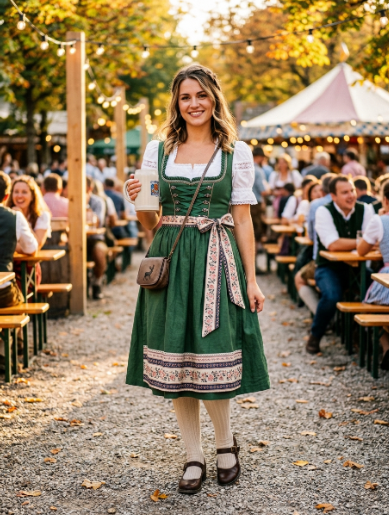
For women planning festival attendance in 2026, the best oktoberfest outfits women can choose from span far more variety than the single stereotype most first-timers picture. The category runs from classic midi dirndl ensembles through mini festival styles, elegant long formal configurations, lederhosen-based alternatives, and complete coordinated looks built around specific colors and occasions. Understanding the main outfit directions — and what each requires to look complete rather than half-assembled — helps you pick a look that photographs beautifully, survives a twelve-hour festival day, and gets worn again across multiple seasons instead of once.
The 2026 season brings the strongest selection the category has ever offered. Quality construction is now available across every price tier and size range, and the styling conventions that separate an authentic Bavarian look from a party-store costume are easy to follow once you know them. This guide walks the ten looks worth considering and the assembly details that make each one work.
The Classic Midi Dirndl Look
The foundational Oktoberfest outfit for women builds around a midi-length dirndl reaching just below the knee. This is the length the majority of Munich attendees actually wear, balancing traditional elegance with practical festival movement. A classic midi dirndl in deep green, rich red, or royal blue, paired with a white round-neck Dirndlbluse, cream stockings, and quality Mary Janes or leather flats, produces the look that photographs as unmistakably authentic in every beer tent.
The apron completes the classic look and carries its own convention: the bow tied on your left means single, right means taken, front-center means undecided, and back means widow or server. Attendees read these signals all day long, so tie deliberately.
Mini Dirndl Festival Styles
Mini dirndl reaching above the knee bring contemporary energy suited to younger crowds, warm September afternoons, and evening tent sessions. The shorter length pairs well with ankle boots, bolder makeup, and modern hair styling. Quality still matters at this length — a structured bodice, proper gathered skirt, and coordinated apron keep the mini reading as fashion rather than costume. Thin unstructured fabric is what pushes short styles into party-store territory, so check construction before buying.
Elegant Long Dirndl Configurations
At the formal end, ankle-length dirndl deliver maximum elegance for evening events, Bavarian weddings, and photography-focused occasions. Long dirndl in jewel tones or black, paired with lace blouses and refined jewelry, read as significantly dressier than festival-standard midi styles. If your 2026 calendar includes an elegant Oktoberfest gala or a traditional wedding, a long configuration earns its place in the wardrobe.
Understanding the Traditional Oktoberfest Dress Standard
Every strong look in this category traces back to the traditional oktoberfest dress foundation: the four-piece dirndl construction of fitted bodice, separate blouse, full gathered skirt, and coordinating apron. Outfits that keep all four elements intact read as authentic regardless of length or color; outfits that merge or skip elements — printed-on aprons, sewn-in fake blouses, unstructured bodices — read as costume no matter how good the product photos looked. When evaluating any outfit option, count the four elements first. That single check filters out most of the disappointing purchases in the category.
Fabric follows the same logic. Cotton and cotton-blend construction delivers the drape, breathability, and photograph quality that twelve-hour festival days demand. Thin polyester satin shines under tent lighting in exactly the way authentic fabric doesn’t.
Color-Led Looks That Photograph Beautifully
Color selection changes the entire character of the outfit. Deep forest green is the most universally flattering traditional choice and photographs richly in both daylight and tent lighting. Red delivers maximum festive energy and stands out in group photos. Royal and navy blue read as polished and slightly formal. Black grounds the most elegant configurations, especially with metallic or floral bodice detailing. Soft pastels — blush, lavender, cream — suit daytime attendance and spring festival events.
A reliable approach: choose the dirndl color that suits your complexion, then let the apron provide the contrast. Green dirndl with cream apron, red with black, blue with white — the two-tone interplay is what makes the classic silhouette pop in photographs.
The Lederhosen Alternative
A growing share of women skip the dress entirely and build their Oktoberfest look around women’s lederhosen — fitted leather shorts with suspenders, paired with a checkered or white blouse, knee socks, and boots. The look is playful, practical for active festival days, and increasingly common in Munich itself. It pairs particularly well with group outfits where some friends wear dirndl and others wear lederhosen for visual variety.
Footwear, Legwear, and Finishing Details
The supporting pieces determine whether any of these looks read as complete. Stockings or knee socks in cream coordinate with virtually every dirndl color. Footwear should be flat or low-heeled — Mary Janes, ballet flats, or ankle boots — because festival grounds and tent benches punish heels. Jewelry stays simple: an Edelweiss pendant or heart charm necklace adds Bavarian character without competing with the outfit. A small crossbody bag or dirndl purse keeps essentials secure through crowded tents. Optional flower crowns photograph beautifully at outdoor daytime events.
Frequently Asked Questions
What length dirndl should a first-time attendee choose? Midi (just below the knee) works across every context from daytime festival through evening tent sessions and remains the safest, most versatile first purchase.
How much should a complete quality outfit cost?
Plan $150 to $300 for a complete accessible-tier ensemble including dirndl, blouse, and basics; $300 to $500 for mid-range quality that lasts many seasons.
Can I wear a short dirndl to Oktoberfest?
Yes — mini styles are common, especially among younger attendees. Just keep construction quality high so the look reads as fashion rather than costume.
What shoes work best for a full festival day?
Flat leather Mary Janes, ballet flats, or low ankle boots. Avoid heels; festival grounds are gravel, straw, and crowded benches.
Which side does the apron bow go on?
Left if single, right if taken, front-center if undecided, back for widows and servers.
Are women’s lederhosen acceptable instead of a dirndl?
Completely. Women’s lederhosen looks are established festival wear in Munich and at American events alike.
Lifestyle
When One Vehicle Isn’t Enough: The Rise of Versatile Personal Transport for Work and Weekend Adventures

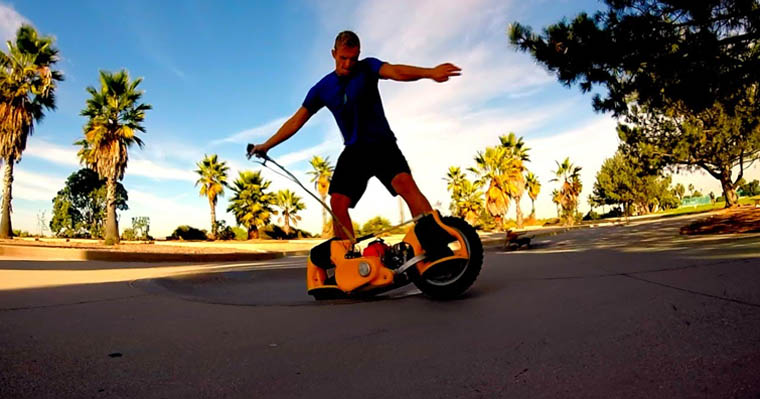
Modern travel is increasingly about flexibility. A vehicle that works well for a daily commute may not be suitable for a weekend escape, while something designed for outdoor adventures can be unnecessarily bulky or impractical for everyday city travel.
For people who want one practical solution rather than multiple vehicles, versatile electric transport is becoming increasingly appealing. Electric scooters can provide a convenient option for shorter urban journeys while taking up considerably less space than larger vehicles.
As performance-focused models continue to evolve, riders can now look beyond basic city transportation. Features designed for more demanding conditions, including stronger motors, improved suspension and larger tyres, make commuting & off-road electric scooters relevant to people who want one machine for both weekday travel and weekend recreation.
The daily grind: why standard commuting is evolving
Getting to work, university or other regular destinations can consume more time and money than expected. Congested roads create delays, parking can be difficult to find, and short car journeys can become surprisingly inefficient when fuel and maintenance costs are considered.
For shorter urban journeys, personal electric transport offers another option. An electric scooter can cover many everyday routes without requiring the space associated with a car. It can also make short trips more direct, particularly where traffic regularly slows conventional vehicles.
However, commuting requires more than simply having an electric motor. A practical daily scooter needs to be dependable and comfortable enough for repeated use. Portability can matter when the scooter needs to be stored indoors, while sufficient battery capacity helps reduce the need for frequent charging.
Ride quality is equally important. Potholes, uneven pavements and imperfect road surfaces are common parts of urban travel. Suspension, suitable tyres and effective braking therefore become useful features rather than unnecessary extras.
Beyond the office: the weekend adventure appeal
The same rider who spends Monday travelling through city streets may want something completely different on Saturday. Parks, open spaces, gravel paths and light trails provide an opportunity to escape the normal commuting environment without necessarily requiring a second vehicle.
This is where the capabilities of a performance-oriented electric scooter become more important.
A basic city scooter may be perfectly adequate for smooth roads and short journeys, but riders looking for greater versatility can benefit from features such as dual motors, larger tyres and more capable suspension. These additions can provide greater traction and stability when the surface becomes uneven.
The goal isn’t necessarily to turn an electric scooter into a replacement for a dedicated off-road vehicle. Instead, it is about creating enough capability to handle a wider variety of environments.
That creates the “best of both worlds” concept: a scooter that can handle the pavement on a weekday morning and provide a more adventurous ride when the weekend arrives.
What makes a scooter truly versatile?
Versatility comes from the combination of several components rather than from a single specification. A scooter can have a powerful motor, for example, but still be poorly suited to varied riding if its suspension, tyres or braking system are inadequate.
Robust build quality and dual motors
A stronger frame and durable components can make a noticeable difference when a scooter is exposed to different riding conditions. Urban roads already subject a vehicle to bumps, kerbs and uneven surfaces, while dirt paths can introduce even more vibration and impact.
Dual-motor systems can provide additional power and traction compared with simpler single-motor configurations. This can be particularly useful when climbing inclines or riding on surfaces where maintaining traction is more difficult.
For riders considering a scooter for both commuting and recreation, the important question is not simply how much power it produces. It is whether that power can be used predictably and effectively across the environments where the scooter will actually be ridden.
Advanced suspension systems
Suspension is one of the features that can separate a basic commuter scooter from a more versatile machine.
Smooth pavement does not require the same level of suspension performance as a rough path. On uneven roads, however, effective suspension can help absorb impacts and reduce the amount of vibration transferred to the rider.
This becomes even more relevant when moving between urban and recreational environments. A scooter equipped for varied terrain can provide a more controlled ride over potholes, rough pavement and compact dirt surfaces.
Battery range for different kinds of journeys
Battery capacity is another major consideration for a dual-purpose scooter.
A daily commuter may only need enough range for a relatively short round trip, but weekend rides can involve longer distances and fewer opportunities to recharge. A larger battery can therefore provide additional flexibility.
Real-world range should still be considered carefully. Rider weight, terrain, speed, temperature, riding mode and frequent acceleration can all affect how far a scooter travels on a charge.
Instead of choosing a model based solely on a maximum advertised range, riders should consider their normal commuting distance and the additional distance they would realistically cover during recreational trips.
Braking and control
Performance also needs to be balanced with control. A scooter capable of travelling at higher speeds requires braking equipment appropriate to its performance.
Reliable brakes are especially important when riding downhill, carrying additional momentum or travelling on surfaces that provide less predictable traction.
Lighting and visibility features can also matter for commuters who travel during early mornings or evenings. The more frequently a scooter is used, the more important these practical safety considerations become.
The financial and practical benefits of multi-purpose personal transport
Buying one versatile vehicle instead of maintaining separate solutions for commuting and recreation can make practical sense for some riders.
A scooter capable of handling regular city journeys may reduce reliance on a car for short trips. Depending on the journey, it may also reduce spending on fuel, parking or public transport fares.
There is also the environmental consideration. Replacing some short car journeys with electric personal transport can reduce the amount of fuel consumed for those trips. The actual environmental benefit depends on factors such as electricity generation, manufacturing and how the scooter is used.
Storage is another advantage. A scooter generally occupies far less space than a car or motorcycle, making it easier to keep at home, in a garage or in an appropriate workplace storage area.
For someone who wants both everyday practicality and recreational flexibility, these factors can make a versatile scooter more attractive than buying separate transportation for separate purposes.
Conclusion
Personal transportation is becoming less about choosing a vehicle for one specific purpose and more about finding equipment that fits the different parts of everyday life.
During the week, that might mean navigating traffic, getting to work or university and avoiding difficult parking situations. At the weekend, it could mean exploring parks, open spaces and suitable light off-road routes.
A versatile electric scooter can bridge those two needs when it combines practical commuting characteristics with performance-oriented features such as dual motors, capable suspension, suitable tyres, dependable braking and sufficient battery capacity.
The key is to evaluate how a scooter fits your actual routine. The most useful personal transport may not be the machine designed for only the fastest commute or the roughest trail, but the one capable of adapting to both without becoming impractical for either.
Lifestyle
The Flagship Orthopaedic Mattress Question: When Is £3,000-Plus Actually Justified for a British-Made Bed?


Investing more than £3,000 in a British-made orthopaedic mattress represents a major financial decision for any household. In an era where direct-to-consumer bed brands promise back support for a fraction of that price, high-end price tags naturally raise questions. Is a flagship orthopaedic mattress merely a luxury branding exercise, or does genuine structural engineering exist beneath the surface to justify the expenditure? For sleepers coping with persistent joint discomfort, back stiffness, or demanding body support needs, the answer lies deep within the mattress architecture. Understanding where that money goes requires examining material authenticity, spring technology, and long-term ergonomic benefits.
The Architectural Evolution of True Orthopaedic Support
The term orthopaedic is often misused across the bedding industry as a generic label for an exceptionally hard sleeping surface. Historically, many manufacturers simply stiffened standard spring coils, creating rigid beds that forced the spine into flat, unnatural angles. Modern British luxury bedmakers approach orthopaedic support from an entirely different structural perspective. Rather than offering brute firmness, a flagship orthopaedic mattress focuses on targeted spinal alignment, active weight distribution, and pressure relief.
High-end orthopaedic beds achieve this through specialized pocket spring systems that adjust dynamically to varying body weights. Instead of pushing back aggressively against hips and shoulders, high-tension spring matrices yield slightly at heavy pressure points while holding the lumbar zone firmly elevated. This nuanced engineering prevents the lower back from sagging without creating uncomfortable pressure on joint surfaces. When evaluating premium support structures, reading the Ultimate Ortho model breakdown provides valuable insight into how ultra-firm spring profiles integrate with natural cushioning layers to deliver genuine orthopedic performance.
Pure Natural Upholstery versus Synthetic Core Blockers
A significant portion of a £3,000-plus mattress investment pays for the raw materials used inside the casing. Budget and mid-range orthopaedic mattresses frequently rely on synthetic polyurethane foams, dense memory foam layers, or chemical binding agents to achieve high firmness levels. While these materials feel rigid initially, they trap body heat, degrade under moisture, and tend to lose their structural resilience within a few years of daily use.
Flagship British mattresses eliminate synthetic blocks entirely in favor of deep layers of high-grade natural fibers. Exceptional materials such as British wool, natural horsehair, latex, and flax provide firm natural resilience without sacrificing breathability. Horsehair acts like millions of microscopic springs, offering an open-cell springiness that supports heavy body mass without packing down over time. Wool provides natural temperature regulation, wicking away moisture vapor to keep the mattress core dry and hygienic. These natural upholstery layers ensure the bed maintains its supportive loft and firm contouring for a decade or more.
Traditional Hand-Craftsmanship and Perimeter Engineering
The physical construction of a flagship orthopaedic mattress involves intensive, skilled labor that automated assembly lines cannot replicate. Genuine hand-tufting is critical in high-tension orthopaedic beds. Craftsmen drive long needles through the entire depth of the mattress, securing the internal fiber layers tightly to the spring core with durable wool tufts. This manual process pre-compresses the natural fillings, preventing them from shifting or creating sagging body impressions over time.
Perimeter support represents another key differentiator where flagship models excel. Mid-tier beds often utilize foam encapsulation around the edges, which can breakdown and reduce the usable sleep surface. Premium British manufacturers reinforce the mattress borders using multiple rows of genuine hand side-stitching. Skilled artisans hand-sew the outer side walls directly to the perimeter springs using natural twine. This laborious technique creates solid edge-to-edge support, allowing sleepers to utilize the full width of the bed without experiencing a rolling-off sensation.
The Long-Term Value and Cost-Per-Night Realities
When assessing whether a £3,000 mattress is worth the price tag, evaluating the long-term cost-per-night yields a practical perspective. A low-cost orthopaedic mattress might require replacement within three to five years as internal synthetic foams soften and spring coils lose tension. Over a fifteen-year period, replacing cheaper mattresses multiple times often matches or exceeds the cost of a single luxury investment.
A hand-crafted British orthopaedic mattress built with high-tensile steel springs and pure natural fibers is constructed to last up to a decade or longer with routine care. When distributed over ten to twelve years of nightly use, a £3,000 mattress breaks down to less than one pound per night. For individuals whose daily productivity, physical comfort, and general health rely on deep, pain-free rest, that minor daily expense represents a remarkably sound investment in long-term wellness.
Identifying Who Benefits Most from Flagship Orthopaedic Beds
While a flagship orthopaedic bed offers exceptional engineering, it is not necessary for every single sleeper. Lighter individuals or strict side sleepers may find the intense support of a top-tier orthopaedic model too firm for their shoulder joints. However, for specific demographic groups, the higher investment delivers immediate, life-changing benefits.
Larger individuals or couples with significant weight differences benefit tremendously from the robust spring tension and heavy natural fiber packs of a flagship bed. Sleepers suffering from chronic lower back issues, spinal misalignment, or joint inflammation also find essential relief in the uncompromising alignment provided by ultra-firm, hand-crafted core designs. For these sleepers, the precision engineering of a flagship model transforms night after night into genuine recovery.
The Verdict on Flagship British Sleep Engineering
Justifying a £3,000-plus investment in a British-made orthopaedic bed comes down to recognizing the vast difference between simple surface hardness and genuine ergonomic alignment. Flagship models are not built expensive merely for status; they are dense, complex assemblies of sustainable natural materials, hand-stitched borders, and high-tensile steel coils.
For buyers seeking a temporary fix, entry or mid-tier beds may suffice. But for those demanding uncompromised spine alignment, exceptional thermal regulation, and a durable bed that resists sagging for years, the flagship orthopaedic mattress justifies its price. By delivering deeply restorative, pain-free sleep night after night, a premium British bed proves to be one of the most practical luxuries a homeowner can buy.


Dry cleaning is a convenient way to care for garments that may not be suitable for a standard washing machine. From suits and formalwear to delicate fabrics, a professional dry cleaning can help remove stains, odours and everyday dirt while maintaining the appearance of your clothes. However, many people still ask: Can dry cleaning damage clothes?
The short answer is that dry cleaning is generally safe when garments are handled correctly and the appropriate cleaning method is used. However, no cleaning process is completely risk-free. Fabric type, dyes, existing damage, stains and the condition of the garment can all affect the final result.
Can Dry Cleaning Damage Clothes?
Professional dry cleaning is designed to clean garments without the agitation and water used in conventional washing. However, certain clothes may experience changes if they are cleaned incorrectly or repeatedly.
Potential issues can include:
- Colour fading or bleeding
- Shrinkage or changes in shape
- Fabric weakening over time
- Damage to delicate trims, buttons or embellishments
- Staining caused by an existing chemical reaction
- Changes to the finish or texture of certain fabrics
These problems are not necessarily caused by dry cleaning itself. They can occur when a garment is unsuitable for a particular cleaning process, has an unstable dye, contains hidden damage or has been incorrectly labelled.
Why Does Dry Cleaning Sometimes Affect Clothes?
Several factors can influence how a garment responds to professional cleaning.
#1 – Fabric Type:
Different fabrics have different cleaning requirements. Wool, silk, velvet, cashmere, leather and some synthetic blends may need specialised handling. A specialist dry cleaner should assess the material and care instructions before selecting an appropriate process.
#2 – Existing Damage:
A garment that is already weakened, torn, worn or affected by previous washing may not withstand further cleaning as well as a newer item. For example, loose stitching or damaged fibres can become more noticeable during cleaning.
#3 – Stains and Previous Treatments:
Some stains become more difficult to remove after they have been exposed to heat, water or household cleaning products. Attempting to remove a stain yourself before professional cleaning can sometimes make the situation worse.
It is useful to tell your cleaner what caused the stain and whether you have already tried to treat it.
#4 – Care Labels:
Care labels provide important information about how a garment should be cleaned. They should always be checked before cleaning. If a label recommends professional dry cleaning, following that instruction can help reduce the risk of avoidable damage.
Is Dry Cleaning Safe for Delicate Clothes?
Many delicate garments can be professionally cleaned safely, but they require appropriate care. Items such as silk dresses, wool suits, tailored jackets and embellished clothing may need additional attention.
A reputable Dry Cleaning Service should consider the garment’s fabric, construction, colour and condition before cleaning it. This is particularly important for expensive, vintage or sentimental clothing.
If you are unsure whether an item can be dry cleaned, avoid experimenting with household cleaning products. Ask a professional cleaner to assess the garment first.
How to Reduce the Risk of Damage
You can take several simple steps to protect your clothes:
Check the care label: Follow the manufacturer’s cleaning instructions and inform the cleaner about any unusual requirements.
Point out stains: Explain what caused the stain, especially if it involves oil, wine, ink, food or another difficult substance.
Mention previous treatments: Tell the cleaner if you have already washed or treated the garment at home.
Do not over-clean garments: Not every item needs professional cleaning after every wear. Following appropriate garment-care advice can help extend the useful life of clothing.
Choose an experienced cleaner: Professional handling matters, particularly for structured, delicate or high-value garments.
Does Frequent Dry Cleaning Wear Clothes Out?
Frequent cleaning can contribute to normal wear over a garment’s lifetime, but that does not mean dry cleaning is inherently damaging. The frequency required depends on the garment, how often it is worn and how heavily it becomes soiled.
For example, a suit may benefit from professional cleaning when necessary rather than after every use. Between professional cleans, airing garments and storing them correctly can help keep them fresh.
The goal is to balance cleanliness with appropriate garment care.
What Should You Do If Your Clothes Are Damaged?
If you notice colour changes, shrinkage, loose stitching or another problem after cleaning, contact the cleaning provider as soon as possible. Keep the garment and any relevant receipt or service information available so the cleaner can assess what happened.
It is also important to understand that some changes may result from pre-existing weaknesses, manufacturing defects or previous treatments rather than the latest cleaning process.
Choose Professional Garment Care
So, can dry cleaning damage clothes? It can in certain circumstances, but professional dry cleaning is generally designed to clean and care for garments while minimising unnecessary wear. Choosing an experienced provider and following garment-care instructions can significantly reduce avoidable problems.
At Hello Laundry, we provide professional laundry and dry cleaning services with convenient free pickup and delivery. Whether you need everyday garment care or specialist cleaning for suits, dresses, jackets and other clothing, professional handling can make looking after your wardrobe much easier.

Securing Industry 4.0: Mitigating Electrical Transients in Smart Manufacturing

Where to Spot Bears in Alaska: A First-Timer’s Wildlife Guide

Why Smart Factories Need Stable Production Conditions

Small Space, Big Profits: Smart Seating Layouts for Tiny Dining Rooms

8 Workforce Challenges Facing Modern Construction

Who Is Indiana Urban? Inside the Life of Karl Urban’s Son and Rising Actor

Jennifer Seyfried: All About Amanda Seyfried’s Sister, Her Life and Career
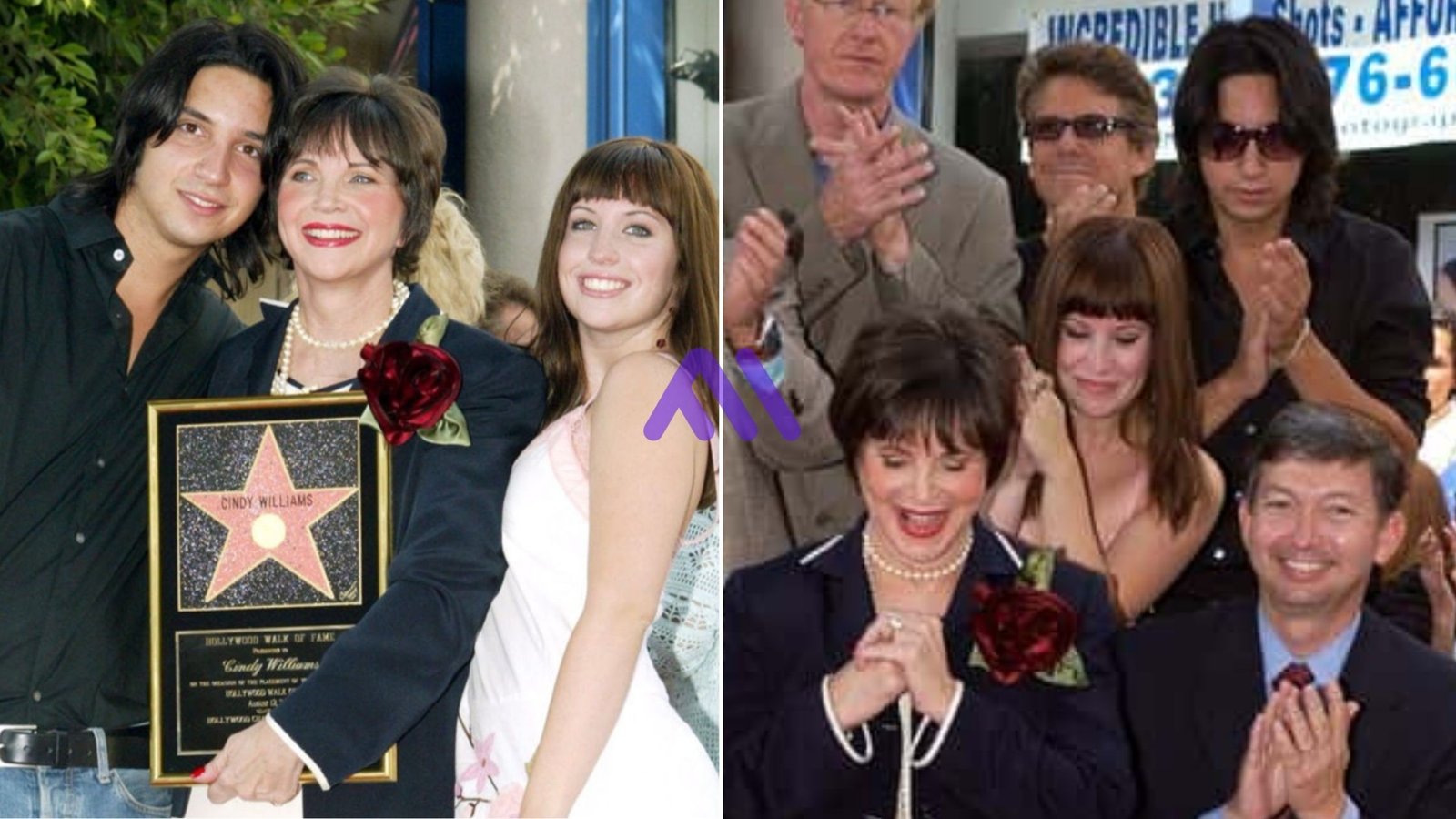
Who Is Zachary Hudson? Inside the Private Life of Cindy Williams’ Son

Who Is Stephen G. Walker? All About PinkPantheress’ Father and His Academic Career
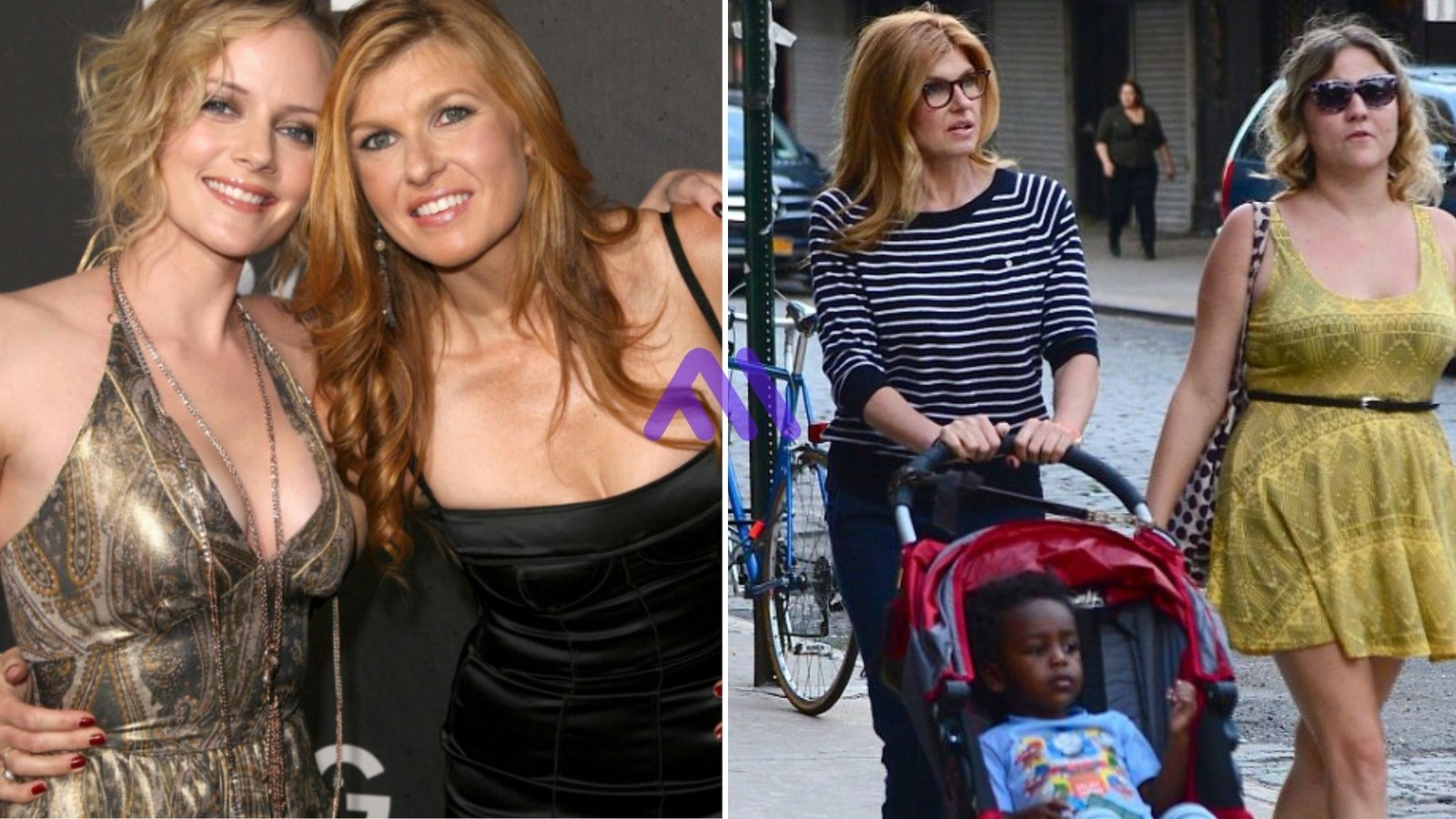
Cynthia Womack Biography: The Life, Career, and Legacy of Connie Britton’s Twin Sister
Who Is Indiana Urban? Inside the Life of Karl Urban’s Son and Rising Actor
Jennifer Seyfried: All About Amanda Seyfried’s Sister, Her Life and Career
Who Is Zachary Hudson? Inside the Private Life of Cindy Williams’ Son
Who Is Stephen G. Walker? All About PinkPantheress’ Father and His Academic Career
Cynthia Womack Biography: The Life, Career, and Legacy of Connie Britton’s Twin Sister
-
Biography7 months ago
Who Is Indiana Urban? Inside the Life of Karl Urban’s Son and Rising Actor
-
Biography7 months ago
Jennifer Seyfried: All About Amanda Seyfried’s Sister, Her Life and Career
-
Biography6 months ago
Who Is Zachary Hudson? Inside the Private Life of Cindy Williams’ Son
-
 Biography5 months ago
Who Is Stephen G. Walker? All About PinkPantheress’ Father and His Academic Career
-
Biography7 months ago
Cynthia Womack Biography: The Life, Career, and Legacy of Connie Britton’s Twin Sister
-
 Biography7 months ago
Who Was Gretchen Knauff? The Private Life of Jennifer Coolidge’s Mother
-
 Biography6 months ago
Who is Lynn Levesque? Everything to Know About Triple H’s Sister
-
 Biography6 months ago
Lynn Payne: Inside the Life and Love Story of Randy Savage’s Wife