
Technology
Why MagSafe-Compatible Accessories Are Shaping the Future of Mobile Convenience

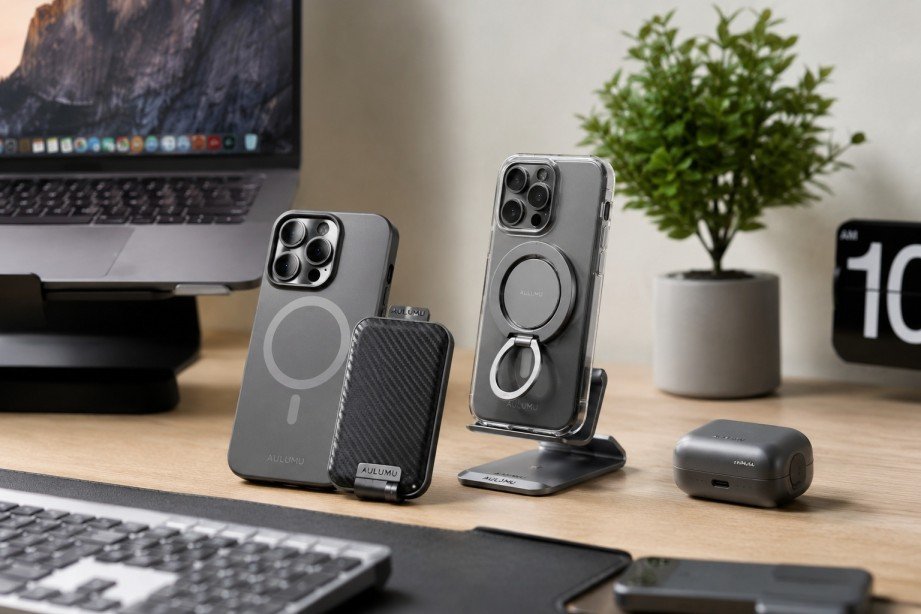
Smartphones have evolved far beyond communication devices. Today, they function as cameras, wallets, entertainment hubs, productivity tools, and even portable workstations. As consumers rely more heavily on their mobile devices, the demand for practical and efficient accessories continues to rise. Modern users are no longer interested in bulky add-ons or inconvenient charging systems. Instead, they want streamlined solutions that improve everyday usability without sacrificing style or performance.
This shift has accelerated the popularity of magnetic accessories and wireless ecosystems designed to simplify how users interact with their devices. Apple’s MagSafe technology has become one of the most influential innovations in this space, inspiring accessory brands and manufacturers to rethink the future of charging, protection, and portability. From magnetic wallets to charging stands and modular phone cases, MagSafe-compatible products are transforming the mobile accessory market while creating a more seamless user experience.
The Growing Demand for Smarter Mobile Accessories
Consumers are becoming increasingly selective about the accessories they purchase. Basic phone cases and standard chargers are no longer enough for users who expect both convenience and functionality from their devices. The rise of remote work, digital lifestyles, and mobile productivity has created a strong demand for accessories that support multitasking and mobility.
One major trend driving this market is the shift toward wireless charging and magnetic attachment systems. Users want accessories that are quick to install, easy to remove, and capable of working together within a connected ecosystem. This is one reason many consumers are researching topics like what does magsafe mean before investing in new mobile accessories.
MagSafe-compatible products have helped simplify everyday phone usage by reducing cable clutter and improving device compatibility. As the accessory industry continues to innovate, magnetic solutions are becoming standard features rather than premium extras.
Why Magnetic Technology Improves User Experience
Magnetic attachment technology has significantly changed how users interact with their smartphones. Traditional accessories often rely on clips, adhesives, or complicated alignment methods that can be frustrating during daily use. Magnetic systems eliminate many of these issues by allowing accessories to snap securely into place within seconds.
This improved convenience has contributed to the popularity of magnetic charging stands, battery packs, wallets, and car mounts. Users appreciate the ability to attach and remove accessories effortlessly while maintaining strong stability and reliable charging performance.
In addition to convenience, magnetic ecosystems also support cleaner and more organized setups. Many consumers are investing in minimalist desk arrangements and travel-friendly accessories that reduce unnecessary cables and clutter. Brands focused on modern industrial design and practical functionality are gaining attention because they combine performance with aesthetics.
Companies developing premium magnetic accessories are also exploring materials such as aluminum alloys, carbon fiber textures, and durable silicone finishes to create products that complement modern smartphones. This combination of form and function is helping reshape expectations within the tech accessory industry.
The Role of Phone Cases in Modern Mobile Protection
Phone cases have evolved from simple protective shells into multifunctional accessories that support charging, storage, and device personalization. Modern consumers want cases that provide strong protection while remaining lightweight and compatible with magnetic charging systems.
MagSafe-compatible cases have become particularly important because they allow users to access magnetic accessories without removing their protective covers. This creates a more seamless experience while preserving device safety and usability.
Manufacturers are also placing greater emphasis on precision engineering. Slim-profile designs, reinforced corners, and improved grip textures are now standard expectations among consumers seeking premium phone protection. At the same time, users are paying more attention to visual design and product quality when selecting accessories.
Innovative accessory brands like Aulumu are contributing to this trend by creating modern products that combine futuristic styling with practical everyday use. Their approach reflects the broader movement toward highly functional accessories designed for productivity-focused consumers who value both efficiency and aesthetics.
Wireless Charging Is Becoming the Industry Standard
Wireless charging technology has matured rapidly over the past few years. What was once considered a premium feature is now becoming a standard expectation across flagship smartphones and accessories. Consumers increasingly expect fast, reliable charging experiences that fit naturally into their routines.
Magnetic charging systems improve wireless charging by ensuring precise alignment between the charger and the device. Proper alignment increases charging efficiency while reducing interruptions caused by accidental movement or poor positioning. This is especially valuable for users who rely heavily on their devices throughout the day.
The growth of multi-device charging stations also highlights changing consumer behavior. Many users now own smartphones, earbuds, smartwatches, and tablets that all require regular charging. Compact wireless charging hubs help simplify this process by centralizing power management into a single setup.
As manufacturers continue to remove charging ports and prioritize wireless ecosystems, demand for high-quality charging accessories is expected to grow significantly. This creates opportunities for accessory makers to innovate further while delivering products that support speed, convenience, and portability.
The Future of Mobile Accessories and Everyday Tech
The mobile accessory industry is entering a new phase focused on integration, efficiency, and personalization. Consumers no longer see accessories as optional add-ons. Instead, they view them as essential tools that improve productivity, organization, and device performance.
Magnetic ecosystems are likely to continue expanding as smartphone manufacturers refine wireless technology and accessory compatibility. Future innovations may include smarter modular systems, enhanced charging speeds, and accessories designed specifically for hybrid work environments and travel-focused lifestyles.
At the same time, users are becoming more conscious of design quality and long-term durability. Accessories that combine practical functionality with premium materials and thoughtful engineering will continue to stand out in a competitive market.
As mobile technology evolves, brands that prioritize user experience, compatibility, and innovation will play a major role in shaping how people interact with their devices. The continued rise of MagSafe-compatible products demonstrates how convenience-driven design can influence the future of consumer technology while redefining everyday mobile experiences.

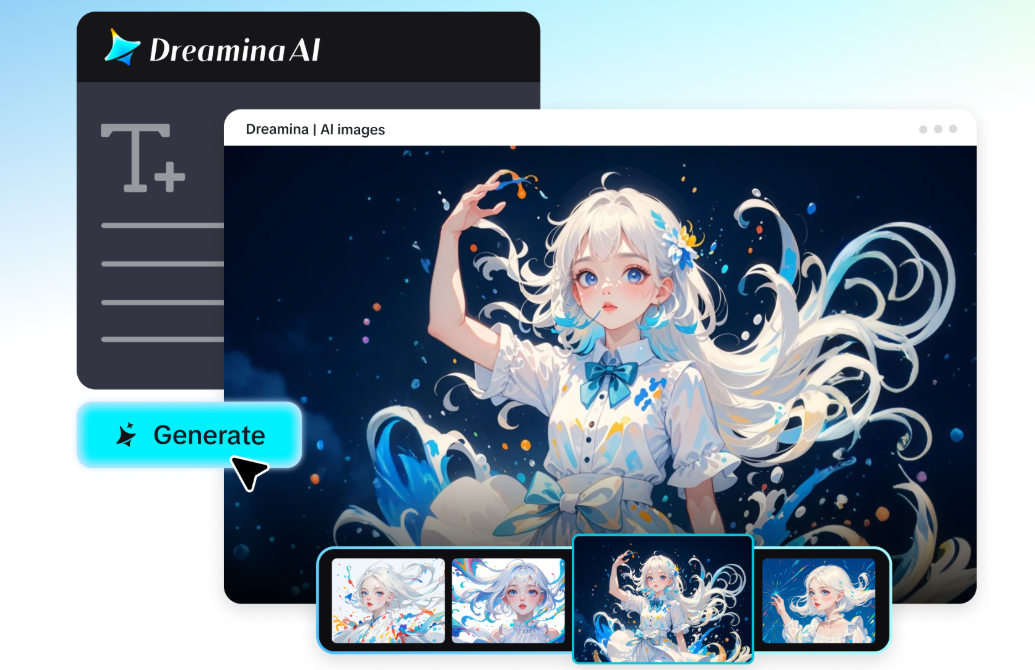
Feed ads live or die by repetition. A single ad rarely does the job alone — an audience usually needs to see the same character, product, or spokesperson several times across a feed before a message actually sticks. That repetition only works if the character stays recognizable every single time.
If a spokesperson looks slightly different in each version of an ad, the campaign starts to feel disjointed instead of familiar, and familiarity is exactly what makes feed advertising effective in the first place. Seedance 2.5 is an upgraded iteration of Seedance 2.0, designed to deliver better AI video quality, consistency, and creative control. Dreamina’s Seedance 2.5 model was built to solve this directly, keeping a character consistent across every ad variation generated from the same concept.
Why feed ads are especially unforgiving on consistency
Most video content gets watched once and moves on. Feed ads are different — the same audience often sees several versions of the same campaign within days, sometimes testing different hooks, different pacing, or different calls to action, all built around the same core character or product. If that character shifts even slightly between versions, it doesn’t read as creative variety. It reads as a mistake.
This is where a lot of AI-generated ad content used to fall apart. A spokesperson might look convincing in one generation and subtly different in the next, undermining exactly the kind of repeated recognition that makes an ad campaign work in a crowded feed.
What keeps a character locked in across every version
Seedance 2.5 addresses this at a structural level, targeting the cumulative errors that used to cause a character to drift not just within one video, but across multiple separate generations built from the same reference.
Reference-based generation anchors every version to the same source
Uploading a clear photo gives the model a concrete anchor for how a character should look, and that consistency now holds up reliably across multiple generations, not just a single continuous clip. This matters enormously for feed ads, where several distinct videos need to feel like they feature the same person.
Multi-person accuracy protects ads with more than one character
The long-standing “twin” issue, where a character would sometimes duplicate into near-identical copies, has been significantly reduced, along with more reliable face-swapping when multiple people appear in a scene. This matters for any ad involving customer interaction, a testimonial-style format, or a group setting.
Longer, cleaner clips reduce the chances of visible drift
Single-clip duration has doubled from 15 to 30 seconds, meaning fewer stitched-together segments within a single ad — and fewer stitches mean fewer opportunities for a character to visibly shift mid-video. Extension support has also improved, allowing two full rounds without the noticeable drop in likeness earlier versions introduced.
A few other upgrades support consistency directly across a feed campaign:
- Motion transfer consistency has climbed from roughly 70% to over 90%, so a character’s movement and gestures carry through reliably from one ad version to the next
- Realism has improved significantly, reducing the flat “AI look” that made a spokesperson feel noticeably synthetic across repeated views
- Region-level editing allows one detail to be adjusted in a later version without affecting the character reference the rest of the campaign depends on
Together, these changes mean a character introduced in one ad can carry that same look, tone, and presence through every version tested afterward.
Build your feed ad character in three steps
Step 1: Write a detailed text prompt
Visit Dreamina, sign in, and head to the “AI Video” section. Click “Add reference image” to upload a clear photo of your spokesperson or character, giving the model a strong anchor for every version you’ll generate afterward. Then write a prompt describing the specific scene and action for this version of the ad.
A detailed sample prompt for a 30-second sequence might read: A woman in a bright yellow blazer stands in a modern kitchen, speaking directly to camera as she picks up a product from the counter and gestures toward it enthusiastically, then turns to demonstrate its use at the sink, warm natural lighting, confident and friendly tone, steady camera movement with occasional close-ups on the product, upbeat and persuasive mood throughout.
Step 2: Choose model and generate
With your prompt and reference set, select the Seedance 2.5 model for generation. Choose your video length, then pick an aspect ratio suited to where it’s running — 16:9 for YouTube, or 9:16 for TikTok and feed placements. Click Dreamina’s generation icon and let it produce a version of your ad with your character locked in place.
Step 3: Refine and save
Before saving, use Dreamina’s AI editing tools to polish the result. Upscale sharpens resolution for a cleaner, more professional finish, while Generate Soundtrack adds audio that fits the pacing and tone of the ad. Once it’s ready, export the video and share it across whichever feed platforms the campaign is targeting.
Habits that keep a character steady across a campaign
A few small practices help maintain consistency as a campaign scales into multiple versions. Reusing the same reference photo for every generation, rather than swapping into slightly different images, keeps the anchor stable. Describing the character’s outfit and defining features in every prompt, even briefly, reinforces what the reference image is already establishing. And treating each new ad version as a variation on the same character rather than a fresh creative brief helps keep the tone and presence aligned throughout.
A recognizable character is one of the strongest assets a feed campaign can have, but only if that recognition holds up across every version an audience sees. With Dreamina and its Seedance 2.5 model, a character introduced once can carry consistently through an entire campaign, keeping every ad feeling like part of the same story instead of a series of near-misses.

A working day does not always end when you leave the office. You may have dinner plans, an evening class, a theatre booking or a long journey home after meeting friends. Your phone has already supported a full day of emails, messages, mobile payments and navigation, but it still needs enough power to handle everything that comes next.
The usual solution is to carry more charging equipment. That can mean adding a bulky power bank, several cables and a wall charger to a bag that is already holding a laptop, notebook, water bottle and personal essentials.
There is a more practical approach. By planning when you charge and choosing equipment that fits the way you travel, you can prepare for a desk-to-dinner day without moving everything into a larger bag. A Slim Power Bank can be especially useful when you need backup power but want to keep your everyday setup compact.
Why Desk-to-Dinner Days Are Hard on Your Phone Battery
A phone may seem fully prepared when you leave home in the morning, yet its battery can be under pressure long before the evening begins.
Commuting often involves checking live transport updates, displaying digital tickets and listening to music or podcasts. At work, your phone may be used for two-factor authentication, calls, messages and mobile hotspot sharing. After work, maps, restaurant bookings, photographs and contactless payments place further demands on it.
The challenge is not one particularly intensive activity. It is the accumulation of small tasks across a long day.
By early evening, you may still need your phone to:
- Find an unfamiliar restaurant or venue
- Show a reservation or digital ticket
- Contact the people you are meeting
- Pay for food, drinks or transport
- Check delays and alternative routes
- Book a taxi or find the final train home
- Take photographs or record short videos
Running out of power during the working day is inconvenient. Running out after leaving the office can be more difficult because access to sockets becomes less predictable.
Plan Around the Evening, Not Just the Working Day
Many people assess their battery needs based on the time they expect to spend at work. If there is a charger beside the desk, they assume the entire day is covered.
However, the most important question is what happens after work.
A phone that reaches 40% at 5 pm may be sufficient for a direct journey home. It may not be enough for several hours of maps, messages, photographs and travel updates.
Before leaving home, review the full schedule rather than only the first part of it. Consider how late you expect to return, how much travelling is involved and whether you will have reliable access to a socket.
On a longer day, portable charging should be part of the original plan instead of an emergency response.
Use Natural Charging Windows
You do not need to keep your phone connected to a power source for hours. Short, well-timed top-ups can be more convenient.
Look for periods when you are already sitting down or waiting:
- During the morning train journey
- While having lunch
- Between meetings
- During an afternoon coffee break
- On the way to an evening venue
- While waiting for friends to arrive
Using these natural charging windows helps prevent the battery from reaching a critical level. It also allows you to keep some backup power available for later.
For example, a short top-up during lunch may be enough to cover the final hours of work. Another charging period during the evening journey can then support maps, payments and transport information until you reach home.
The aim is not necessarily to restore the phone to 100%. It is to add power before battery anxiety begins.
Why a Slim Power Bank Suits a Smaller Work Bag
The contents of a work bag quickly add up. A laptop, charger, notebook, headphones and personal items can leave little room for anything else.
A conventional power bank may provide useful capacity but feel awkward when combined with the rest of your equipment. A thick device can create a bulky section inside the bag or compete with items that are used more frequently.
A slim power bank is easier to position alongside flatter objects. It can sit in a technology organiser, against the side of a laptop compartment or inside a small internal pocket without requiring the entire bag to be rearranged.
The UGREEN MagFlow Air Magnetic Power Bank combines a slim format with a 10,000mAh capacity. This balance can suit people who need meaningful backup power but do not want portable charging equipment to dominate their daily bag.
The practical advantage is simple: an accessory that is easier to pack is more likely to accompany you when the day becomes longer than expected.
Reduce Cable Clutter with Magnetic Charging
Cables can make a small bag feel disorganised. They become tangled around other accessories, disappear into corners and may be inconvenient when you need to charge while walking or standing.
Magnetic wireless charging can simplify phone top-ups by keeping the phone and power bank attached as one unit. The UGREEN UK model supports Qi2 15W magnetic charging, allowing a compatible device to charge without a loose cable between the two products.
This can be useful while checking directions on the way to dinner or reading travel updates on a crowded platform. Instead of managing a phone, power bank and hanging cable separately, you can hold the connected devices together.
It is still sensible to carry one suitable cable. A cable may be required for another device or preferred in certain situations. The goal is not to eliminate every cable but to avoid carrying several overlapping accessories.
Create a Dedicated Charging Pocket
Where you store a power bank affects whether you use it at the right time.
If it is buried underneath a laptop, spare clothing or paperwork, you may postpone charging until the phone is almost empty. Place it somewhere accessible enough to reach during a journey or short break.
A useful charging pocket might contain:
- One slim power bank
- One charging cable
- A small cable tie or organiser
- Nothing that could scratch or obstruct the devices
Avoid storing a power bank loose with coins, keys or other hard objects. Keeping charging equipment in a dedicated compartment makes the bag easier to organise and helps you confirm that everything is present before leaving home.
Using the same pocket every day also reduces the chance of forgetting the power bank after charging it overnight.
Decide Whether Slimness or Maximum Capacity Matters More
Not every user needs the same type of portable charger.
A larger power bank may be more appropriate for multi-day travel, several devices or situations where access to electricity will be limited for an extended period. A slimmer model may be preferable for normal commuting, hybrid work and evenings out, particularly when bag space is limited.
A useful way to decide is to consider how often you will actually carry the device. The differences between slim and regular power banks involve more than their physical dimensions. The choice also depends on capacity needs, portability and the role the power bank will play in your routine.
A product with greater capacity is not automatically more useful if it is regularly left at home. For desk-to-dinner use, a balance between backup power and easy portability may be more practical than choosing the largest available option.
Keep Some Power in Reserve for the Journey Home
It can be tempting to use most of a power bank during the working day, especially when there is easy access to a desk or table. However, the journey home may be the least predictable part of your schedule.
A delayed train, cancelled service or last-minute change of plans can extend the day. Your phone may suddenly need to support additional navigation, communication and transport bookings.
Try to preserve some portable power for this final stage. If you can charge from a wall socket at work, use that opportunity before relying on the power bank. This keeps your mobile backup available for situations where fixed charging is not possible.
UGREEN UK’s slim magnetic option is designed for portable top-ups, but thoughtful timing remains important. Hardware provides the capacity; your charging routine determines when that capacity is most valuable.
Recharge as Soon as the Day Ends
A power bank is only useful when it is ready for the next long day.
Once you return home, place it near the charger you already use for your phone. Recharge it after a demanding day rather than waiting until the next morning, when it is easier to forget.
A simple routine can help:
- Return the power bank to the same location.
- Recharge it after extended use.
- Store the cable beside it.
- Put it back in your work bag once charging is complete.
- Check it before days with evening plans.
This small habit prevents an empty power bank from creating a false sense of preparedness.
Conclusion
A desk-to-dinner schedule places different demands on your phone from a standard working day. The device must remain available not only for messages and authentication at work, but also for evening navigation, payments, bookings and the journey home.
Preparing for that extended use does not require a larger bag or a collection of charging accessories. A slim power bank, one suitable cable and a few well-timed charging windows can provide a simpler solution.
With a slim format, 10,000mAh capacity and Qi2 15W magnetic charging, the UGREEN MagFlow Air model offers a practical example of how portable power can fit into a compact daily setup.
The most effective strategy is to think beyond the end of the working day. Charge before the battery becomes critical, keep some power in reserve and make recharging the power bank part of your routine.


If you’re a sports fan in Britain, you already know the problem: following football, cricket, boxing, UFC, rugby, Formula 1, and other premium events can get expensive fast. Traditional TV bundles often force you to pay for channels you don’t watch, while separate streaming subscriptions can quickly pile up. That’s why more viewers are now looking for an affordable UK IPTV package for sports fans that keeps live action in one place, works smoothly across devices, and doesn’t break the bank.
For people who want a practical, flexible, and high-value viewing option, IPV UK, IPVUK, and IPVUK IT are becoming relevant names in the conversation. A well-built sports streaming package should do more than just provide channels. It should offer stable streaming, broad sports coverage, easy setup, multi-device support, and reliable picture quality from HD to 4 K IPTV UK viewing.
In this guide, we’ll break down what sports fans should actually look for in a subscription, why premium IPTV UK options are gaining attention, how IPTV for Fire TV Stick UK users can get the best experience, and what makes a provider worth paying for in a crowded market.
Why Sports Fans in the UK Are Moving Toward IPTV
Sports viewing habits have changed. Fans don’t just sit in front of one television and watch one league anymore. They jump between Premier League weekends, midweek Champions League fixtures, Test cricket, pay-per-view fights, and on-demand highlights. That shift has made flexibility a top priority.
A modern IPTV subscription platform is attractive because it can bring live sports channels, catch-up content, and device freedom into one service. Instead of being tied to a rigid cable-style bundle, sports viewers can watch matches on a smart TV at home, continue on a tablet in the kitchen, or stream on a Fire TV Stick while travelling.
For sports lovers, the main appeal usually comes down to five things:
- Lower monthly cost than stacking multiple services
- Access to a broader range of sports channels
- Better convenience across devices
- HD and 4K streaming options
- Simpler access to live events, replays, and sports categories
That’s exactly why searches around affordable iptv uk, uk iptv sports, and best uk iptv subscription continue to grow. Viewers want value, but they also want reliability when the match kicks off.
What Makes an Affordable UK IPTV Package Good for Sports Fans?
Not every package is built for sports viewers. Some focus mostly on entertainment channels or movie libraries. If your goal is live sports, you need to look at the service through a different lens.
Broad Sports Coverage
The first thing that matters is channel and event access. A sports-friendly package should cover major UK and international competitions across football, cricket, boxing, MMA, tennis, rugby, motorsport, and more.
A solid UK IPTV sports package should ideally support access to:
- Football coverage across major domestic and European competitions
- Cricket channels and tournament access
- Boxing and UFC events
- Rugby and rugby league
- Formula 1 and motorsport content
- Tennis, golf, and other premium sports programming
For a sports fan, channel count alone doesn’t tell the whole story. What matters is whether the service consistently covers the events you actually watch.
Stable Streaming During Peak Match Hours
Sports streaming is very different from watching a film. Live matches happen in real time, and buffering during a goal, wicket, or knockout punch is a deal-breaker. A strong premium IPTV UK provider should be able to handle high traffic during peak times like Saturday football kickoffs or major PPV nights.
HD and 4K Picture Quality
Picture quality matters more than people think. Sports have fast movement, score graphics, replays, and wide-angle shots. A blurry stream can ruin the experience. If you’re using a compatible display, a 4 K IPTV UK package can make a huge difference for football, F1, and combat sports.
Firestick Compatibility
A large number of UK users stream through Amazon devices. That’s why IPTV for Fire TV Stick UK support is a major selling point. The setup should be simple, the app should run smoothly, and navigation should feel easy enough for everyday use.
Fair Pricing Without Hidden Extras
“Affordable” doesn’t mean “cheapest at any cost.” It means the package gives strong sports value for the money you pay. The right provider balances pricing, stream quality, content depth, and support.
Why an IPTV Sports Package Can Be More Practical Than Traditional TV Bundles
Traditional sports packages often lock viewers into bigger contracts, longer commitments, and channel bundles full of content they don’t need. Sports fans usually want one thing: access to the games and events they care about.
An affordable IPTV setup can be more practical because it is often designed around flexibility. Instead of paying for a rigid TV package, users can choose a subscription that fits their viewing style. This is especially useful if you:
- Mainly watch live sports rather than general TV
- Use streaming devices more than cable boxes
- Want to watch on multiple screens
- Prefer monthly or short-term plans
- Need a service that works at home and on the move
That’s where a provider like IPV UK or IPVUK can stand out if the service is built around sports access, streaming quality, and easy setup rather than just raw channel numbers.
Ofcom Broadband Speeds Guide – UK regulator guidance on broadband speeds and streaming performance.
Why IPV UK Appeals to Sports-Focused Viewers
When people search for the best IPTV service in the UK, they’re usually not just asking for a random list of channels. They’re looking for a platform that actually fits how sports fans watch. That’s where IPV UK, IPVUK, and IPVUK IT can be positioned effectively.
A sports-focused provider should aim to deliver:
- Live sports access across major categories
- A simple and responsive app experience
- Support for Fire TV Stick and smart streaming devices
- HD and 4K options were available
- Affordable packages that still feel premium
- Quick activation and simple onboarding
If your brand messaging around ipvuk.it.com focuses on those practical user benefits rather than exaggerated claims, it becomes much easier to rank for sports-related IPTV terms while also building trust with readers.
IPTV for Firestick UK: Why It Matters So Much
For UK viewers, Fire TV Stick remains one of the easiest and most popular ways to stream sports at home. It’s affordable, compact, and simple to connect to almost any TV. That’s why IPTV for Fire TV Stick UK is one of the most important supporting keywords for this topic.
A sports fan using Fire TV Stick usually wants three things:
- Fast app performance
- Smooth navigation between live channels
- Reliable playback during live events
If your IPTV package is being promoted to Fire TV Stick users, the content should highlight the practical advantages clearly. For example:
- Easy setup on Fire TV Stick devices
- User-friendly app interface
- Smooth live sports channel browsing
- Support for HD and 4K streams where available
- Flexible use in the living room, bedroom, or while travelling
This makes the article more useful because it connects the service to a real viewing habit rather than just throwing in the keyword.
For Firestick users, it’s also worth mentioning that Amazon’s Fire TV ecosystem supports live streaming functionality on compatible devices and apps, which is one reason it remains a popular option for home streaming setups.1
Premium IPTV UK Doesn’t Have to Mean Expensive
One of the biggest misconceptions in this space is that “premium” always means high-priced. In reality, premium IPTV UK should describe the experience, not just the cost. A premium sports package should feel polished, reliable, and easy to use.
Here’s what “premium” should actually mean in a sports IPTV context:
- Better stream stability
- Cleaner user interface
- Faster loading live channels
- Stronger compatibility with Fire TV Stick and smart devices
- Consistent sports coverage
- Responsive customer support
- Higher-quality streams, including 4K where supported
So if you’re positioning IPVUK IT or IPV UK as a premium option, the message should be simple: premium quality, but still priced for everyday sports fans.
That combination is exactly what users mean when they search for affordable IPTV UK and the best UK IPTV subscription at the same time. They want the best balance of cost and quality, not the absolute cheapest service on the market.
How to Choose the Best UK IPTV Subscription for Live Sports
Choosing the best UK IPTV subscription isn’t about chasing the biggest promises. It’s about asking the right questions before subscribing.
Check the Sports Content First
Start with your own viewing habits. Are you mainly a football fan? Do you also watch boxing, UFC, cricket, and F1? The right package should align with your sports calendar, not just generic entertainment content.
Test the Device Experience
If you’re using a Fire TV Stick, Android box, or smart TV, the service should work smoothly on that device. IPTV for Fire TV Stick UK support is especially important if you want an easy living-room setup without complicated hardware.
Look at Quality Options
If the provider mentions HD or 4 K IPTV UK, ask whether those streams are available across major sports channels or only on a small selection. Sports fans benefit from higher resolution more than casual viewers because of the fast movement and detail involved.
Think About Support and Activation
No one wants to wait forever for setup help before a big game. Good providers make activation straightforward and offer clear support if something goes wrong.
Compare Value, Not Just Price
A lower monthly fee can be tempting, but if the streams are unstable or the sports coverage is weak, it’s not good value. A slightly better-priced plan with reliable access is often the smarter buy.
Affordable IPTV UK for Football, Cricket, Boxing, and More
Sports fans are rarely loyal to just one category anymore. Someone might watch Premier League football on Saturday, cricket on Sunday, a midweek Champions League tie, and a boxing event later in the month. That’s why a broad UK IPTV sports package is such a strong selling point.
An affordable sports package should feel useful all year round, not only during one tournament. Ideally, it should fit fans who follow:
- Football: league matches, cups, European fixtures, international games
- Cricket: Tests, ODIs, T20 leagues, international series
- Boxing and UFC: title fights, undercards, PPV nights
- Rugby: domestic and international fixtures
- Motorsport: F1 weekends and race coverage
- Tennis and golf: major tournaments and key events
If IPVUK is being positioned as a sports-first service, this is where the copy should reinforce breadth and convenience without sounding spammy. The goal is to help the reader imagine one platform serving multiple sports interests throughout the year.
Why 4K IPTV UK Is a Big Deal for Sports Viewers
When people hear “4K,” they often think of films or nature documentaries. But sports are one of the best use cases for higher resolution. Wide stadium shots, fast ball movement, crowd detail, and replay clarity all benefit from better picture quality.
A good 4K IPTV UK experience can be especially useful for:
- Football matches with fast transitions
- Formula 1 and motorsports
- Boxing and UFC events
- Tennis coverage with fast camera movement
- Big-screen home viewing setups
Of course, 4K quality depends on more than the provider alone. It also depends on your TV, streaming device, internet connection, and whether the specific channel or event is available in that resolution. Still, if your package supports high-quality streams, it adds real value for serious sports fans.
Best IPTV Service in the UK: What Viewers Actually Want
The phrase Best IPTV service in the UK “ gets searched a lot, but the answer isn’t one-size-fits-all. For sports fans, “best” usually means a provider that gets the fundamentals right.
In practical terms, viewers want:
- Access to the sports they care about
- Smooth streaming during live events
- Good picture quality
- Easy setup on common devices
- Fair pricing
- Support when needed
That’s why the best-performing article content doesn’t just shout “best service” again and again. Instead, it explains what makes a sports package worth paying for and shows how IPV UK or IPVUK IT meets those expectations.
A Smarter Way to Position IPVUK for Sports-Focused Search Intent
If the goal is to rank and convert, the article shouldn’t just sell a service. It should solve the searcher’s problem. Someone typing “affordable UK IPTV package for sports fans” is usually asking:
- Can I watch the sports I care about?
- Will it work well on my device?
- Is it cheaper than my current setup?
- Is the stream quality good enough?
- Can I use it without hassle?
That’s why the strongest positioning for IPV UK is not “we have everything.” It’s something more practical:
IPVUK offers sports fans a more flexible way to watch live events with affordable plans, Fire TV Stick compatibility, HD and 4K support, and a package structure built around real viewing habits.
That kind of messaging aligns much better with buyer intent and supports keywords like affordable iptv uk, uk iptv sports, premium iptv uk, and best uk iptv subscription without sounding repetitive.
Important Trust Factor: Be Clear About Quality, Support, and Expectations
Trust matters in this niche. Sports viewers don’t want vague claims. They want confidence that the service is stable, practical, and worth trying. So in your final page copy, keep the promises realistic and useful.
Good trust-building statements include:
- Quick setup on supported devices
- Sports-focused packages designed for live viewing
- HD and 4K options were available
- Responsive support for setup and access
- Clear plan structure and pricing
- Simple access for Fire TV Stick users
Avoid overblown claims like “every channel in the world” or “never buffers.” Those lines may grab attention for a second, but they can weaken credibility fast.
Conclusion: The Right IPTV Sports Package Should Save Money Without Cutting the Experience
For UK sports fans, the ideal package is simple: it should be affordable, easy to use, and strong enough to handle the matches and events that matter most. Whether you follow football every weekend, stay up for boxing and UFC, or want one place for cricket, rugby, and motorsport, the right IPTV setup can be a practical alternative to expensive multi-service subscriptions.
A good affordable IPTV UK package should combine broad sports access, Firestick compatibility, smooth performance, and high-quality streaming. If your brand is positioning itself around sports-first viewing, then IPV UK, IPVUK, and IPVUK IT have a clear angle to lean into: value for sports fans without sacrificing quality.
Instead of chasing the cheapest option, look for a service that gives you the sports you actually watch, performs well during live events, and fits naturally into your home setup. That’s what makes a package worth paying for in 2026.
If you’re building this page for conversions, your strongest CTA is straightforward: guide users to ipvuk.it.com, show them the sports-focused packages, highlight Firestick compatibility, and make the value proposition obvious from the first screen.

How to Keep Characters Consistent in AI Feed Ad Generators

The Questions Worth Asking Before Dental Implant Newcastle Treatment

What to Expect Before, During, and After Dental Implants Newcastle

Why Complete Temperature Services Is the HVAC Contractor Your Home Deserves

Clean425: Restoring Curb Appeal One Property at a Time

Who Is Indiana Urban? Inside the Life of Karl Urban’s Son and Rising Actor

Jennifer Seyfried: All About Amanda Seyfried’s Sister, Her Life and Career

Who Is Zachary Hudson? Inside the Private Life of Cindy Williams’ Son

Cynthia Womack Biography: The Life, Career, and Legacy of Connie Britton’s Twin Sister

Who Is Stephen G. Walker? All About PinkPantheress’ Father and His Academic Career
Who Is Indiana Urban? Inside the Life of Karl Urban’s Son and Rising Actor
Jennifer Seyfried: All About Amanda Seyfried’s Sister, Her Life and Career
Who Is Zachary Hudson? Inside the Private Life of Cindy Williams’ Son
Cynthia Womack Biography: The Life, Career, and Legacy of Connie Britton’s Twin Sister
Who Is Stephen G. Walker? All About PinkPantheress’ Father and His Academic Career
-
Biography5 months ago
Who Is Indiana Urban? Inside the Life of Karl Urban’s Son and Rising Actor
-
Biography4 months ago
Jennifer Seyfried: All About Amanda Seyfried’s Sister, Her Life and Career
-
Biography4 months ago
Who Is Zachary Hudson? Inside the Private Life of Cindy Williams’ Son
-
Biography5 months ago
Cynthia Womack Biography: The Life, Career, and Legacy of Connie Britton’s Twin Sister
-
 Biography3 months ago
Who Is Stephen G. Walker? All About PinkPantheress’ Father and His Academic Career
-
 Biography5 months ago
Who Was Gretchen Knauff? The Private Life of Jennifer Coolidge’s Mother
-
 Biography4 months ago
Who is Lynn Levesque? Everything to Know About Triple H’s Sister
-
 Biography4 months ago
Lynn Payne: Inside the Life and Love Story of Randy Savage’s Wife