
Fashion
Iron-On vs Sew-On Patches: Which Attachment Method Is Right for Your Project?

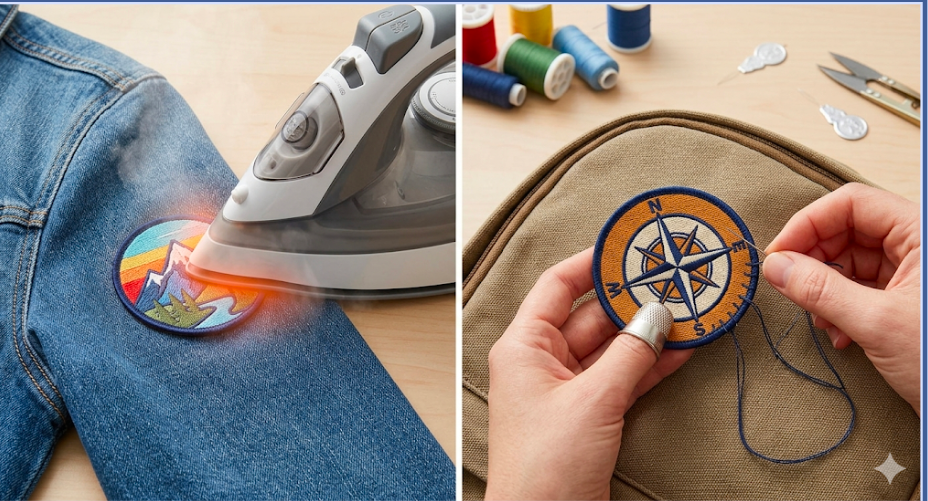
Patches are one of the most versatile ways to personalise clothing, bags, uniforms, and accessories. But once you have your custom patch in hand, the next question is always the same: should you iron it on or sew it on? The answer depends on your fabric, your timeline, and how long you need the patch to last. This guide breaks down the key differences between iron-on patches vs sew-on patches so you can make the right call every time.
What Are Iron-On Patches?
Iron-on patches have a heat-activated adhesive backing. When you apply heat and pressure with a household iron or heat press, the adhesive melts and bonds the patch to the fabric. Most embroidered and woven patches can be ordered with an iron-on backing, making them the most popular choice for quick application.
Pros of Iron-On Patches
- Fast and easy, no needles, no thread, no sewing experience required
- Clean finish with no visible stitching on the outside of the garment
- Great for lightweight fabrics like cotton, denim, and canvas
- Ideal for promotional merchandise, fashion items, and everyday use
Cons of Iron-On Patches
- Adhesive can weaken with repeated washing at high temperatures
- Not suitable for heat-sensitive fabrics such as nylon, leather, or polyester blends
- Edges may lift over time if not reinforced with stitching
What Are Sew-On Patches?
Sew-on patches are attached by stitching around the perimeter of the patch by hand or with a sewing machine. They have no adhesive backing and are designed to be permanently integrated into the fabric. They are the standard choice for workwear, military, and tactical applications.
Pros of Sew-On Patches
- Exceptionally durable, withstands heavy washing, friction, and outdoor conditions
- Works on virtually any fabric, including leather, nylon, and thick wool
- Preferred for uniforms, military apparel, and high-wear garments
- No risk of adhesive residue on delicate or technical fabrics
Cons of Sew-On Patches
- Requires basic sewing skills or access to a sewing machine
- More time-consuming than iron-on application, especially at volume
- The thread colour must be chosen carefully to match or complement the patch border
How to Attach Patches to Clothing: Step-by-Step
Applying an Iron-On Patch
- Pre-heat your iron to the cotton setting (no steam)
- Place the garment on a flat, heat-resistant surface
- Position the patch face-up on the fabric
- Cover with a thin cloth or pressing cloth to protect the embroidery
- Press firmly for 25–30 seconds without moving the iron
- Allow to cool completely before handling
- For extra hold, stitch around the border after ironing
Applying a Sew-On Patch
- Pin or use fabric tape to hold the patch in position
- Thread a needle with colour-matched or contrasting thread
- Use a whip stitch or straight stitch along the outer edge
- Keep stitches even and close together for a clean, secure finish
- Tie off the thread firmly and trim any excess
Iron-On Patches vs Sew-On Patches: Which Should You Choose?
Choose iron-on if you need a quick, cost-effective solution for cotton or denim garments with light to moderate use. Choose sew-on if durability is the priority, particularly for workwear, uniforms, tactical gear, or any application where patches will face regular stress and washing.
For the best of both worlds, many patch users apply an iron-on patch first for positioning, then reinforce it with a border stitch. This hybrid method is especially popular for custom embroidered patches on jackets, backpacks, and branded merchandise.
Choose the Right Patch
Both methods deliver great results when matched to the right fabric and use case. If you’re ordering custom patches for your brand, team, or merchandise line, consider how the patches will be worn and washed, and order with the appropriate backing from the start. When in doubt, sew-on always wins in terms of longevity.



Fertility assessment helps couples understand why pregnancy may not be happening and what options may be suitable. It usually involves reviewing both partners, as fertility difficulties may be related to female factors, male factors, both partners, or may remain unexplained after initial testing.
Couples may consider fertility assessment if pregnancy has not occurred after a period of regular unprotected intercourse, or earlier if there are known medical concerns such as irregular periods, endometriosis, polycystic ovary syndrome, previous pelvic infection, recurrent miscarriage, or male fertility concerns.
When Should Couples Consider Fertility Assessment?
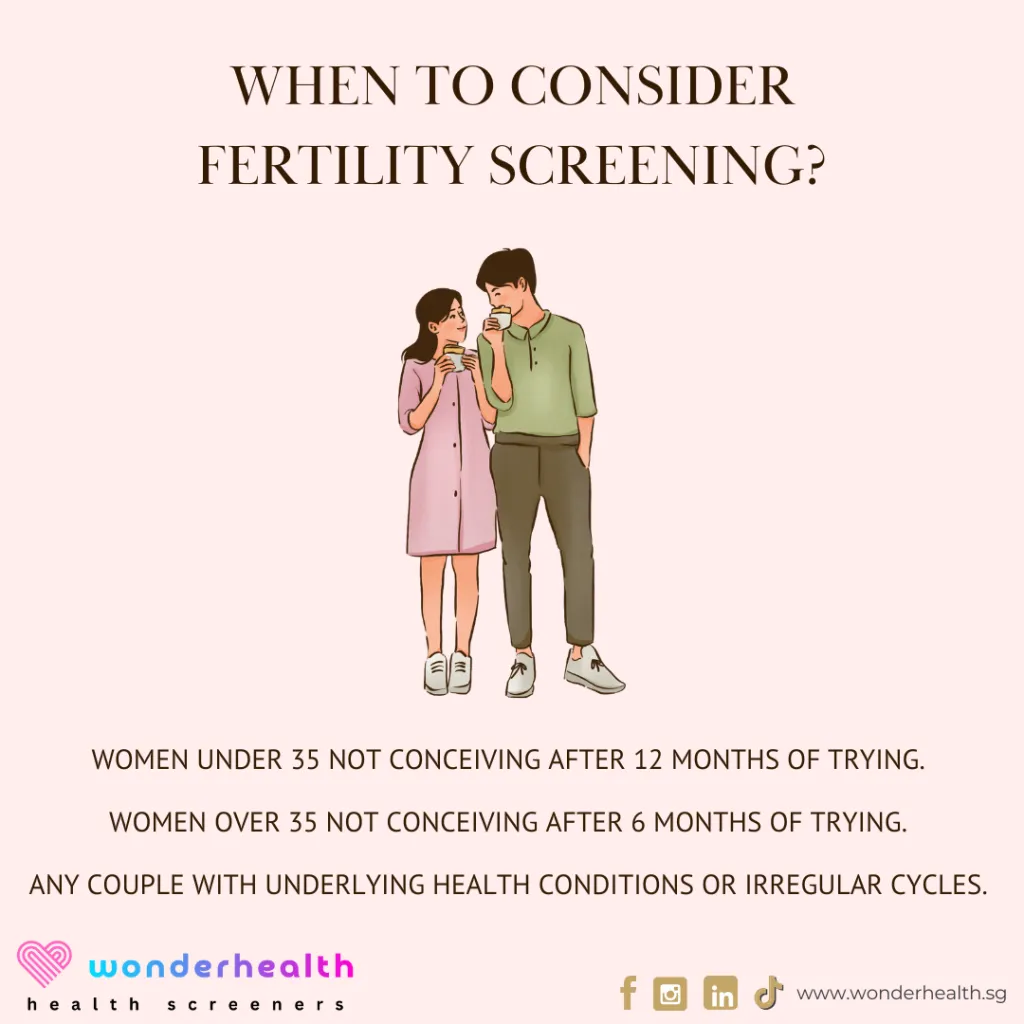
A common guide is to seek fertility assessment after 12 months of regular unprotected intercourse if the female partner is below 35 years old.
If the female partner is 35 years or older, assessment is often considered after 6 months of trying. Women over 40 may wish to seek advice earlier because fertility changes with age.
Earlier assessment may also be suitable if either partner has known risk factors that may affect fertility.
These may include:
- Irregular or absent periods
- Very painful periods
- Suspected endometriosis
- Polycystic ovary syndrome
- Previous pelvic infection
- Previous ectopic pregnancy
- Known fibroids or uterine conditions
- Previous ovarian surgery
- Recurrent miscarriage
- Previous chemotherapy or radiotherapy
- Known male fertility concerns
- Previous abnormal semen analysis
- Erectile or ejaculation concerns
- Testicular surgery, injury, or infection
Seeking assessment does not mean treatment must begin immediately. It can help couples understand their reproductive health and plan next steps.
Why Both Partners May Be Assessed
Fertility assessment usually involves both partners because pregnancy depends on several factors working together. These include ovulation, egg supply, sperm quality, fallopian tube function, the uterus, timing of intercourse, and general health.
If only one partner is tested, an important factor may be missed. For example, a female partner may ovulate regularly, but semen analysis may show a sperm-related issue. In another case, semen analysis may be normal, but fallopian tube blockage or ovulation concerns may be present.
Couple-based assessment can reduce delays and help guide treatment more clearly.
What Happens During the First Fertility Consultation?
The first consultation usually begins with a detailed discussion. A fertility doctor may ask about how long the couple has been trying, how often intercourse occurs, whether ovulation tracking has been used, and whether there have been previous pregnancies or miscarriages.
The doctor may ask about:
- Age of both partners
- Duration of trying to conceive
- Menstrual cycle pattern
- Period pain or heavy bleeding
- Previous pregnancies
- Miscarriage or ectopic pregnancy history
- Previous pelvic infections
- Past surgeries
- Medical conditions
- Medication and supplement use
- Sexual function and timing of intercourse
- Smoking, alcohol, and lifestyle factors
- Family history of reproductive or genetic conditions
- Previous fertility tests or treatment
Both partners should bring any previous reports, including blood tests, ultrasound scans, semen analysis results, surgery records, and fertility treatment records.
Female Fertility Assessment
Female fertility assessment may look at ovulation, ovarian reserve, fallopian tubes, uterus, ovaries, and hormone function.
The tests recommended depend on age, symptoms, menstrual cycle pattern, and previous medical history.
1. Menstrual and Ovulation Assessment
The doctor may ask whether periods are regular and whether ovulation is likely to be occurring. Regular cycles can suggest regular ovulation, but this is not always enough to confirm every detail.
Ovulation may be assessed using:
- Menstrual cycle history
- Ovulation predictor kits
- Basal body temperature charts, if already used
- Blood tests at specific cycle times
- Ultrasound monitoring in selected cases
Irregular or absent periods may suggest ovulation problems. Possible causes include polycystic ovary syndrome, thyroid conditions, raised prolactin, ovarian reserve changes, weight changes, stress, or other hormonal factors.
2. Ovarian Reserve Testing
Ovarian reserve testing gives information about the number of eggs remaining in the ovaries. It does not guarantee whether pregnancy will or will not happen, but it may help guide treatment planning.
Tests may include:
- AMH blood test
- Follicle-stimulating hormone testing
- Estradiol testing
- Antral follicle count on ultrasound
Ovarian reserve results should be interpreted with age, symptoms, and treatment goals. The doctor can explain what the result means and what it does not mean.
3. Pelvic Ultrasound
A pelvic ultrasound may be used to assess the uterus, ovaries, and pelvic structures. It can help identify conditions that may affect fertility or menstrual symptoms.
Ultrasound may assess:
- Ovarian appearance
- Antral follicle count
- Ovarian cysts
- Fibroids
- Endometrial polyps
- Uterine shape
- Thickness of the womb lining
- Signs that may suggest endometriosis or adenomyosis in selected cases
The ultrasound may be done through the abdomen or transvaginally, depending on the situation and patient suitability.
4. Fallopian Tube Assessment
The fallopian tubes allow the egg and sperm to meet. If the tubes are blocked or damaged, natural conception may be affected.
A fallopian tube test may be recommended if the couple has been trying for some time, if there is a history of pelvic infection, ectopic pregnancy, endometriosis, pelvic surgery, or if treatment planning requires tubal information.
Tests may include:
- Hysterosalpingogram
- Sonohysterography-based tubal test
- Laparoscopy in selected cases
The doctor will explain which test is suitable and what to expect before and after the procedure.
5. Uterine Assessment
The uterus may be assessed if there are symptoms or findings that suggest a structural issue.
Possible concerns include:
- Uterine Fibroids
- Endometrial polyps
- Uterine adhesions
- Congenital uterine shape differences
- Recurrent miscarriage
- Heavy or irregular bleeding
Assessment may involve ultrasound, saline infusion imaging, hysteroscopy, or other tests depending on the findings.
Male Fertility Assessment
Male fertility assessment is an important part of couple-based fertility testing. The main initial test is usually semen analysis.
1. Semen Analysis
Semen analysis assesses sperm and semen characteristics. It may review:
- Semen volume
- Sperm concentration
- Sperm movement
- Sperm shape
- Total sperm count
- Other semen parameters
The sample is usually collected after a short period of abstinence, based on clinic instructions. If the first result is abnormal, the doctor may recommend repeating the test because semen results can vary.
2. Medical History and Physical Review
The male partner may be asked about:
- Previous testicular infection
- Undescended testes
- Testicular injury
- Testicular surgery
- Varicocele
- Erectile or ejaculation concerns
- Fever or illness before testing
- Medication use
- Hormone-related symptoms
- Smoking, alcohol, or heat exposure
- Previous chemotherapy or radiotherapy
Further tests may be recommended if semen analysis is abnormal or if the history suggests a specific concern.
3. Additional Male Fertility Tests
Additional tests may include:
- Hormone blood tests
- Repeat semen analysis
- Sperm DNA fragmentation test in selected cases
- Scrotal ultrasound in selected cases
- Referral to a urologist or male fertility specialist where needed
Not every patient needs additional testing. The doctor will advise based on semen analysis and clinical findings.
Common Reasons Fertility Assessment May Find
Fertility assessment may identify one or more factors.
Possible findings include:
- Irregular ovulation
- Reduced ovarian reserve
- Fallopian tube blockage
- Endometriosis
- PCOS
- Fibroids or polyps affecting the uterine cavity
- Male factor fertility concerns
- Sexual function or timing issues
- Unexplained infertility
- Multiple contributing factors
In some couples, initial tests may not show a clear cause. This is sometimes called unexplained infertility. Treatment options may still be discussed based on age, duration of trying, and test results.
What Happens After the Test Results?
After results are available, the doctor will review the findings with the couple and discuss possible next steps.
Options may include:
- Continued trying with timing guidance
- Lifestyle and preconception advice
- Ovulation induction
- Follicle tracking
- Intrauterine insemination
- In vitro fertilisation
- Intracytoplasmic sperm injection in selected cases
- Surgery for selected uterine, tubal, endometriosis, or fibroid-related concerns
- Referral to another specialist where needed
- Fertility preservation discussion, where relevant
The recommended approach depends on the couple’s diagnosis, age, ovarian reserve, semen analysis, fallopian tube status, duration of trying, previous pregnancies, and preferences.
Lifestyle and Preconception Review
A fertility assessment may also include preconception advice. This does not replace medical treatment where needed, but it may support general reproductive health and pregnancy planning.
Topics may include:
- Folic acid supplementation
- Smoking cessation
- Alcohol reduction
- Healthy weight discussion
- Regular physical activity
- Sleep and stress management
- Medication review
- Vaccination status
- Chronic condition control
- Timing intercourse around ovulation
- Avoiding harmful exposures where relevant
Patients with diabetes, thyroid disease, autoimmune conditions, high blood pressure, epilepsy, or other medical conditions should discuss pregnancy planning with a doctor.
How to Prepare for a Fertility Assessment
Couples can prepare by bringing:
- Identification documents
- Menstrual cycle records
- Ovulation tracking records, if any
- Previous pregnancy or miscarriage records
- Previous blood test results
- Previous ultrasound reports
- Previous semen analysis results
- Previous surgery records
- Medication and supplement list
- Medical history summary
- Insurance or funding questions
- Questions for the doctor
It may also help to note how long the couple has been trying, how often intercourse occurs, and whether there are symptoms such as irregular periods, painful periods, heavy bleeding, pelvic pain, or sexual function concerns.
Fertility assessment in Singapore usually involves reviewing both partners, because fertility may be affected by female factors, male factors, both partners, or unexplained causes. The assessment may include medical history, menstrual and ovulation review, ovarian reserve testing, pelvic ultrasound, fallopian tube assessment, semen analysis, and additional tests where needed.
Couples may consider assessment after 12 months of trying if the female partner is below 35, or after 6 months if the female partner is 35 or older. Earlier assessment may be suitable for irregular periods, endometriosis, PCOS, previous pelvic infection, recurrent miscarriage, male factor concerns, or women over 40.
The results can guide next steps, such as timing advice, ovulation induction, IUI, IVF, surgery for selected conditions, or fertility preservation. Couples should ask about tests, treatment options, costs, funding, and follow-up before starting care.
This article is for general information only and should not replace medical advice from a qualified healthcare professional.
FAQ
What is included in a fertility assessment?
A fertility assessment may include medical history review, menstrual and ovulation assessment, blood tests, ovarian reserve testing, pelvic ultrasound, fallopian tube assessment, semen analysis, and further tests where needed.
Should both partners do fertility tests?
Yes, where possible. Fertility difficulties may involve female factors, male factors, both partners, or unexplained causes. Testing both partners can help guide treatment planning.
When should couples go for fertility assessment?
Couples may consider assessment after 12 months of regular unprotected intercourse if the female partner is below 35, or after 6 months if the female partner is 35 or older. Earlier review may be suitable if there are known fertility-related concerns.
What is a semen analysis?
A semen analysis checks semen and sperm factors such as volume, sperm concentration, movement, and shape. It is often part of initial fertility assessment for couples.
Is ovarian reserve testing the same as a fertility prediction?
No. Ovarian reserve testing gives information about egg numbers, but it does not guarantee whether pregnancy will or will not occur. Results should be interpreted with age, symptoms, and treatment goals.
What happens after fertility assessment results are reviewed?
The doctor may recommend timing advice, ovulation induction, IUI, IVF, surgery for selected conditions, further testing, or continued monitoring depending on the findings.

Patch-based branding is becoming more popular across Canada than ever before. Streetwear labels, sports teams, and workwear brands are all using patches to create a stronger identity and more premium apparel. But in 2026, choosing between custom chenille patches and woven patches is more than just picking a texture.
It is now a branding decision that affects style, durability, production cost, and customer perception. As more businesses look for sustainable and locally sourced custom patches Canada, understanding the difference between chenille and woven patches has become increasingly important.
What Are Custom Chenille Patches?
A Bold And Textured Classic
Custom chenille patches are made using looped yarn stitching that creates a soft and raised 3D texture. They are most commonly associated with varsity jackets and classic letterman apparel, but they are now widely used across modern fashion and sportswear.
The thick texture and bold colour blocking make chenille patches stand out immediately. They create a vintage and premium look that many lifestyle brands love in 2026.
Popular Uses For Chenille Patches
Today, custom chenille patches are commonly used on hoodies, tote bags, varsity jackets, caps, and team apparel. Canadian collegiate brands and sports organisations especially prefer chenille because it gives garments a more authentic and high-quality appearance.
For brands looking to create bold visual impact through custom patches Canada\, chenille remains one of the strongest options available.
What Are Woven Patches And Where Do They Shine?
Clean, Detailed, And Professional
Unlike chenille, woven patches have a flat surface created through tightly woven threads instead of raised stitching. This allows much finer detail and cleaner logo reproduction.
That is why woven patches Canada are often used for detailed logos, small text, and minimal branding designs.
Best Uses For Woven Patches
Woven patches work especially well for outdoor brands, corporate uniforms, tactical apparel, and workwear. They create a polished and modern look without the bulky texture of chenille.
Small Canadian brands also prefer woven patches Canada because many suppliers offer lower minimum order quantities, making them ideal for startups and limited collections.
For businesses looking for clean and practical custom patches Canada, woven patches are often the smarter option.
Head-to-Head Key Factors of Custom Chenille vs Woven Patches
Chenille Wins For Bold Branding
Custom chenille patches are highly textured and visually striking. They instantly create a varsity-inspired and lifestyle-focused look.
Woven Wins For Minimal Style
Woven patches Canada have a flatter and cleaner appearance that works well for modern and professional branding.
Detail And Logo Complexity
Woven Handles Small Details Better
Woven patches can reproduce fine text, thin lines, and intricate logos much more clearly than chenille patches.
Chenille Works Better For Large Shapes
Chenille performs best with bold graphics, simple lettering, and colour-blocked designs.
Durability And Wash Resistance
Both Offer Strong Performance
High-quality custom patches Canada in both chenille and woven styles are durable when made properly.
Woven patches tend to handle repeated washing slightly better because of their tighter thread structure.
Cost Per Unit
Woven Is Often More Budget Friendly
For smaller orders and simple designs, woven patches Canada manufacturers usually offer lower production costs.
Chenille Costs More For Premium Texture
Custom chenille patches may cost more because of the thicker yarn and specialised production process.
Which Patch Type Suits Your Canadian Brand In 2026?
Best Choice For Streetwear And Collegiate Brands
Streetwear labels and varsity-inspired fashion brands usually benefit more from custom chenille patches because of their bold and textured appearance.
Best Choice For Outdoor And Corporate Brands
Outdoor companies, tactical apparel brands, and corporate businesses often prefer woven patches Canada because they look clean and professional.
Hybrid Brands Can Use Both
Some modern fashion brands combine chenille and woven styles for layered branding. This trend is especially growing in Toronto, Vancouver, and Montreal, where indie designers want premium-looking custom patches Canada with fast turnaround times.
What To Look For When Sourcing Custom Patches In Canada
Important Features To Check Before Ordering
When choosing a supplier, always ask about minimum order quantities, sample turnaround time, and backing options like iron-on, sew-on, and velcro.
Reliable custom patches Canada suppliers should also provide digital previews before production starts.
Why Physical Samples Matter
Requesting samples is important because patch texture, thread quality, and colour accuracy can look different in person than on screen.
Benefits Of Working With Canadian Suppliers
Local suppliers often provide faster shipping, easier communication, and better understanding of Canadian sizing standards and bilingual packaging requirements.
Whether you choose custom chenille patches or woven patches Canada, working with an experienced supplier can help avoid expensive production mistakes.
Patch Smart Brand Stronger
There is no single best patch type for every brand. The right choice depends on your design style, audience, and product goals.
Custom chenille patches are perfect for bold lifestyle branding and varsity-inspired apparel, while woven patches Canada work best for clean detail and professional use.
As demand for premium custom patches Canada businesses trust continues to grow, choosing the right patch style can help your brand stand out in 2026 and beyond.

Introduction
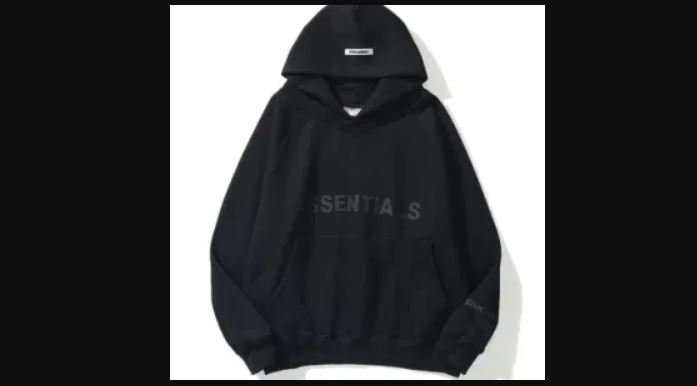
Some clothing items never lose their place in fashion. The Essential Hoodie is one of them. It offers a combination of comfort, simplicity, and versatility that makes it suitable for people of all ages. Whether you prefer a casual outfit, a street-inspired look, or something comfortable for daily wear, the Essential Hoodie fits naturally into almost any wardrobe.
Over the years, hoodies have evolved from athletic apparel into everyday fashion pieces. Today, they appear in schools, workplaces, airports, shopping centers, and social gatherings. The Essentials Hoodie represents this evolution by delivering a timeless style that works in many different settings.
Why the Essential Hoodie Remains Popular
Fashion trends often come and go, yet certain pieces continue to attract attention because of their practicality. The Essential Hoodie remains popular because it solves a simple problem: people want clothing that looks good and feels comfortable.
Unlike trend-driven garments that may only work for a short period, a hoodie can remain useful throughout the year. Its relaxed design allows people to wear it repeatedly without feeling outdated.
Many fashion enthusiasts appreciate clothing that offers long-term value, and the Essential Hoodie continues to meet that expectation.
Designed for Everyday Life
Daily life requires clothing that adapts to different situations. The Essential Hoodie works well whether someone is heading to class, running errands, traveling, or relaxing at home.
Its simple appearance allows it to blend naturally with different outfit choices. This flexibility helps explain why so many people consider it one of the most reliable pieces in their wardrobe.
Rather than focusing on temporary trends, the Essential Hoodie emphasizes wearability and comfort.
Comfort Comes First
One of the strongest qualities of any hoodie is the comfort it provides. The Essential Hoodie delivers a relaxed feel that makes it suitable for long hours of wear.
The soft fabric helps create a cozy experience, while the roomy fit allows easy movement throughout the day. Many people prefer clothing that feels natural and unrestricted, especially during busy schedules.
Because comfort plays such an important role in purchasing decisions, the Essential Hoodie continues to attract a broad audience.
A Simple Design with Lasting Appeal
Many fashion items rely on bold graphics or seasonal patterns. The Essential Hoodie follows a different path. Its clean appearance helps it remain relevant regardless of changing fashion trends.
A simple design offers more flexibility when creating outfits. People can wear the hoodie with a variety of clothing items without worrying about clashing styles or colors.
This timeless quality allows the hoodie to remain useful year after year.
Easy to Match with Any Outfit
One reason people keep reaching for an Essential Hoodie is its versatility. It pairs naturally with many wardrobe staples.
Jeans create a classic casual look that works almost anywhere. Joggers provide a comfortable outfit for travel or relaxing weekends. Cargo pants add a modern streetwear touch, while shorts offer a laid-back warm-weather combination.
Because the Essential Hoodies works with so many different clothing pieces, it becomes one of the easiest garments to style.
Perfect for Layering
Layering plays a major role in modern fashion, especially during cooler months. The Essential Hoodie works exceptionally well as a layering piece.
During autumn, it can serve as a lightweight outer layer. In winter, it fits comfortably beneath coats and jackets. Spring weather often provides ideal conditions for wearing it on its own.
This adaptability allows people to use the same hoodie across multiple seasons without sacrificing comfort.
A Favorite for Travel
Travelers often search for clothing that offers both comfort and practicality. The Essential Hoodie meets those needs perfectly.
Long flights, road trips, and busy travel schedules often require clothing that feels comfortable for extended periods. The hoodie provides warmth when needed while remaining easy to carry and wear.
Its casual appearance also makes it suitable for a variety of travel situations, from airport lounges to sightseeing adventures.
Suitable for All Age Groups
Fashion preferences vary from person to person, but the Essential Hoodie appeals to a wide range of individuals.
Teenagers appreciate its relaxed and casual appearance. University students often choose hoodies because they combine comfort with style. Adults enjoy their practicality and versatility. Even older generations appreciate the comfort and simplicity that a quality hoodie provides.
Few clothing items attract such a broad audience, which helps explain the hoodie’s enduring popularity.
Seasonal Versatility
Weather conditions change throughout the year, and clothing needs often change with them. The Essentials Hoodie remains useful because it adapts to different temperatures.
Cool summer evenings, crisp autumn mornings, chilly winter afternoons, and mild spring days all provide opportunities to wear a hoodie comfortably.
This year-round functionality makes it one of the most practical clothing items available.
Building a Strong Casual Wardrobe
A dependable wardrobe starts with versatile basics. The Essential Hoodie serves as one of those foundational pieces.
Because it pairs well with different colors, styles, and accessories, it allows people to create countless outfit combinations. This flexibility helps simplify everyday dressing while maintaining a stylish appearance.
Many people build their casual wardrobe around items that offer maximum wearability, and the hoodie fits that role perfectly.
Caring for Your Essential Hoodie
Taking care of a hoodie can help maintain its appearance and comfort over time. Following washing instructions helps preserve the fabric and overall fit.
Many people choose gentle washing settings and avoid excessive heat during drying. These simple practices can help keep the hoodie looking fresh after repeated use.
Proper care allows the garment to remain a reliable part of a wardrobe for an extended period.
Why People Keep Coming Back to the Essential Hoodie
The Essential Hoodie succeeds because it focuses on qualities people genuinely value. Comfort, simplicity, and versatility remain important regardless of changing fashion trends.
While many garments gain attention for a short period before disappearing, the hoodie continues to earn its place in everyday wardrobes. Its practical nature and timeless design help explain its lasting appeal.
People appreciate clothing that works without effort, and the Essential Hoodie consistently delivers that experience.
Final Thoughts
The Essential Hoodie stands as one of the most versatile and dependable pieces in modern fashion. Its comfortable fit, clean design, and ability to work across different seasons make it a favorite among people with diverse style preferences.
Whether paired with jeans, joggers, cargo pants, or layered beneath outerwear, the Essential Hoodie provides a combination of comfort and everyday style that few garments can match. Its lasting popularity proves that simple, well-designed clothing will always have a place in fashion.

A Clean Home Isn’t a Luxury—It’s a Lifestyle

Spill Containment: The Silent Backbone of Safe Energy Operations

The Hidden Value Sitting in Your Scrap Metal Pile

What a Skilled Arborist Can Do for Your Property That You’d Never Expect

Your Doors Deserve Better: What PunchList Can Do for You

Who Is Indiana Urban? Inside the Life of Karl Urban’s Son and Rising Actor

Jennifer Seyfried: All About Amanda Seyfried’s Sister, Her Life and Career

Who Is Zachary Hudson? Inside the Private Life of Cindy Williams’ Son

Cynthia Womack Biography: The Life, Career, and Legacy of Connie Britton’s Twin Sister

Who Is Stephen G. Walker? All About PinkPantheress’ Father and His Academic Career
Who Is Indiana Urban? Inside the Life of Karl Urban’s Son and Rising Actor
Jennifer Seyfried: All About Amanda Seyfried’s Sister, Her Life and Career
Who Is Zachary Hudson? Inside the Private Life of Cindy Williams’ Son
Cynthia Womack Biography: The Life, Career, and Legacy of Connie Britton’s Twin Sister
Who Is Stephen G. Walker? All About PinkPantheress’ Father and His Academic Career
-
Biography4 months ago
Who Is Indiana Urban? Inside the Life of Karl Urban’s Son and Rising Actor
-
Biography4 months ago
Jennifer Seyfried: All About Amanda Seyfried’s Sister, Her Life and Career
-
Biography3 months ago
Who Is Zachary Hudson? Inside the Private Life of Cindy Williams’ Son
-
Biography4 months ago
Cynthia Womack Biography: The Life, Career, and Legacy of Connie Britton’s Twin Sister
-
 Biography2 months ago
Who Is Stephen G. Walker? All About PinkPantheress’ Father and His Academic Career
-
 Biography4 months ago
Who Is Miley Crews? Inside the Life of Naomi Burton-Crews’ Daughter and Terry Crews’ Granddaughter
-

 Biography3 months ago
Who Is Tauã Baccarin? All You Need to Know About Morena Baccarin’s Family Life
-
 Biography3 months ago
Who is Lynn Levesque? Everything to Know About Triple H’s Sister