
Business
Soft Washing: The Smarter Way to Clean Your Home’s Exterior

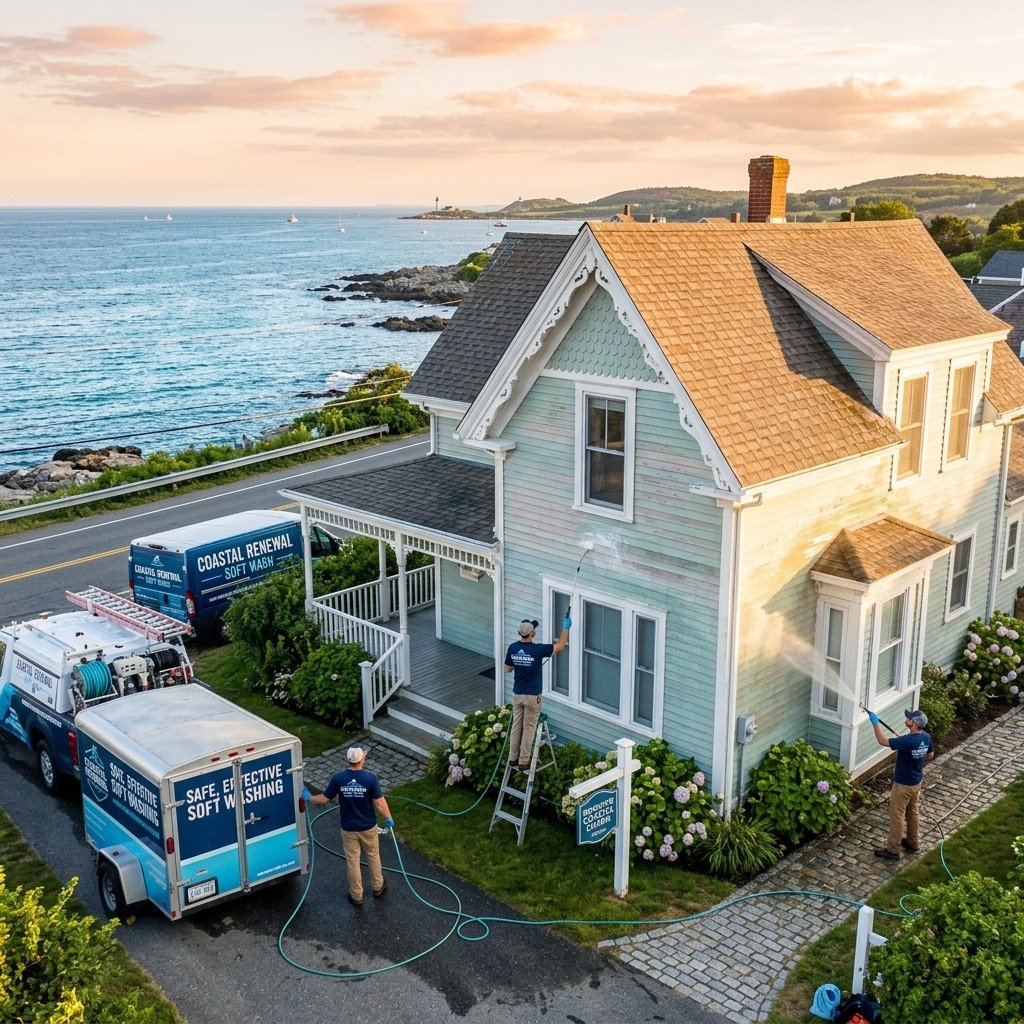
Your home’s exterior takes a beating year-round. UV rays, humidity, organic growth, mold, algae, and environmental pollutants all leave their mark—slowly degrading surfaces, staining siding, and dulling the curb appeal you’ve worked hard to maintain. The good news? Reef Pressure Washing has a solution that cleans deeper, lasts longer, and protects your property in ways a standard pressure wash simply can’t match.
That solution is soft washing—and it’s changing the way homeowners think about exterior cleaning.
What Makes Soft Washing Different from Pressure Washing?
At first glance, soft washing and pressure washing might seem like the same service. Both clean the exterior of your home. Both remove dirt and discoloration. But the similarities stop there.
Pressure washing blasts surfaces with high-force water to remove grime. It’s effective for tough, hard surfaces like concrete driveways and pavers. However, on roofs, vinyl siding, painted wood, stucco, and other delicate materials, that same force can cause serious damage—cracked shingles, splintered wood, chipped paint, and water forced behind panels.
Soft washing takes a different approach. It uses low-pressure water combined with specially formulated, biodegradable cleaning solutions to break down and eliminate the root cause of staining and discoloration—rather than just washing away surface-level grime. The result is a thorough, deep clean that doesn’t put your home at risk.
What Does Soft Washing Actually Clean?
One of the biggest advantages of soft washing is its versatility. Reef Pressure Washing uses this technique to restore a wide range of exterior surfaces, including:
- Roofs — algae, moss, lichen, and black streaks
- Vinyl and wood siding — mold, mildew, and biological growth
- Fences and decking — weathered staining and algae buildup
- Gutters — oxidation, streaking, and organic residue
- Stucco and render — discoloration and surface-level contamination
- Brick and masonry — efflorescence and grime
The cleaning solutions used in soft washing don’t just clean what’s visible—they eliminate the microorganisms causing the staining at the source. That means surfaces stay cleaner for longer after each treatment.
Why Soft Washing Is Worth It for Your Property
It Protects Your Surfaces
High-pressure cleaning on the wrong surface can strip coatings, force water into wall cavities, and even void manufacturer warranties. Soft washing eliminates that risk entirely. The low-pressure delivery method is gentle enough for the most delicate surfaces while still delivering a powerful, thorough clean.
It Kills the Problem, Not Just the Symptom
Algae, mold, and mildew don’t just look bad—they actively break down surface materials over time. Left untreated, these organisms eat into roofing materials, wood fibers, and paint coatings. The cleaning agents used in soft washing penetrate deep into the surface to neutralize biological growth at its root, stopping the damage cycle before it escalates.
It Extends the Life of Your Exterior
Regular soft washing treatments by Reef Pressure Washing help extend the lifespan of your roof, siding, and other exterior surfaces. By removing corrosive biological growth and preventing buildup, you reduce the likelihood of costly repairs or premature replacements down the line. It’s proactive property maintenance at its most effective.
The Results Last
Because soft washing targets the source of contamination rather than just the surface appearance, the results are noticeably longer-lasting compared to pressure washing alone. Homeowners often see their exteriors remain clean and clear for 12 to 24 months following a professional soft wash treatment.
What to Expect from a Reef Pressure Washing Soft Wash Service
When you book a soft washing service with Reef Pressure Washing, you’re getting more than a clean home—you’re getting a team that treats your property with care and precision.
Soft washing treatments that restore your home’s exterior to its best condition while actively breaking down algae, mold, and years of grime that conventional cleaning methods leave behind are what set Reef Pressure Washing apart from the rest. The process is thorough, efficient, and tailored to the specific surfaces and conditions of your property.
Here’s what the process typically looks like:
- Pre-inspection — The team assesses your home’s exterior, identifying the surfaces to be treated, the level of contamination, and any areas requiring special attention.
- Surface preparation — Surrounding plants, garden beds, and outdoor furniture are protected before any solutions are applied.
- Solution application — Biodegradable cleaning solutions are applied at low pressure to all target surfaces.
- Dwell time — The solution is allowed to penetrate and break down organic growth and staining.
- Rinse — A low-pressure rinse removes the solution and all loosened contaminants, leaving surfaces clean and refreshed.
The entire process is designed to be as non-disruptive as possible—most residential jobs are completed within a few hours.
Is Soft Washing Safe for My Home and Garden?
This is one of the most common questions homeowners ask, and the answer is straightforward: yes, when performed by a trained professional, soft washing is safe for your home, your landscaping, and your family.
Reef Pressure Washing uses biodegradable cleaning solutions that are effective against biological growth but safe for surrounding vegetation and surfaces when properly applied. Pre-rinsing plants and garden beds before and after treatment is standard practice, ensuring no residual solution causes harm.
Keep Your Home Looking Its Best
Your home’s exterior is one of its most visible and valuable features. Keeping it clean, healthy, and free from biological growth isn’t just about appearances—it’s about protecting the investment you’ve made in your property.
Reef Pressure Washing’s soft washing service delivers results that are visible from the street and felt over time. Whether your roof is showing black streaks, your siding is looking dull and weathered, or your fence has seen better days, soft washing can bring it all back to life—safely and effectively.
Ready to see the difference for yourself? Contact Reef Pressure Washing today to book your soft wash service and give your home the clean it deserves.
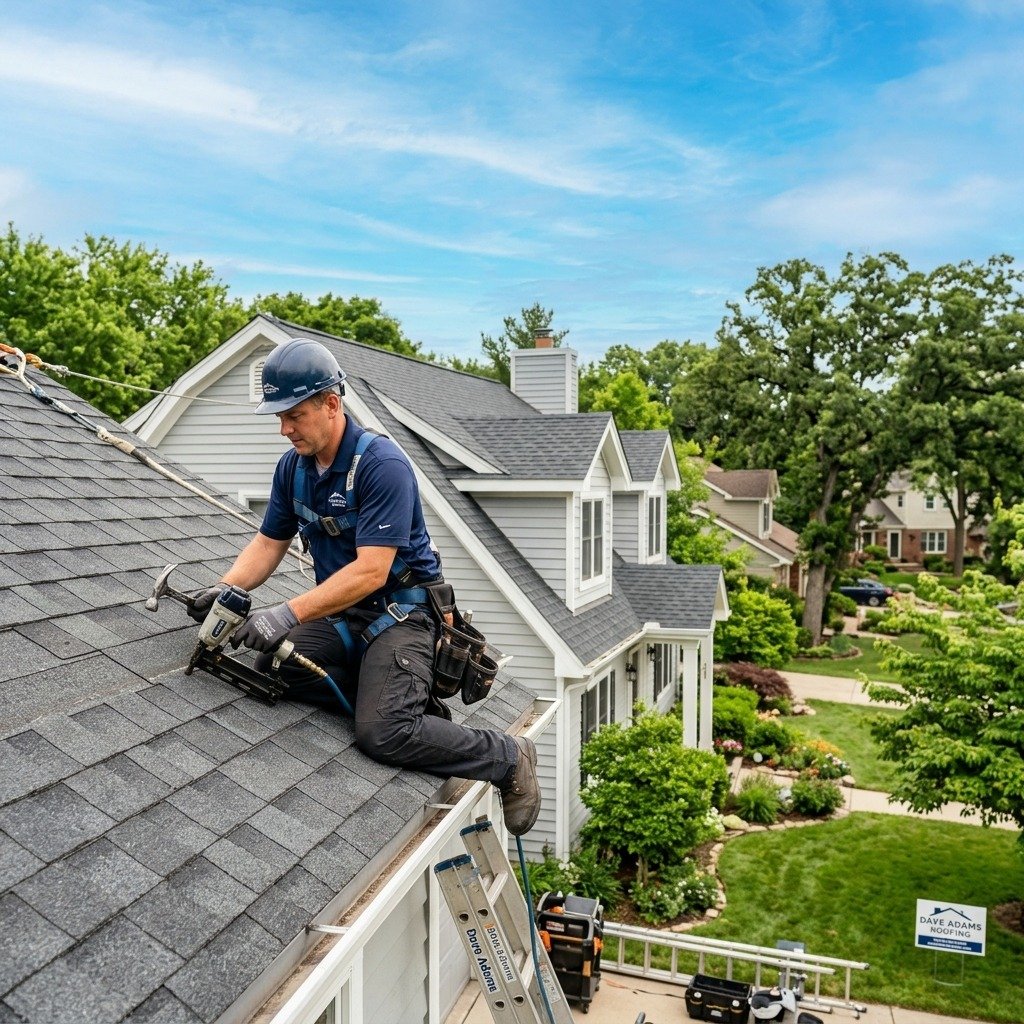
Most homeowners don’t think about their roof until something goes wrong. A water stain on the ceiling. Shingles scattered across the yard after a storm. A draft that wasn’t there last winter. By the time those warning signs appear, the damage is often already done—and the repair bill is a lot higher than it needed to be.
That’s the reality of neglecting one of the most important parts of your home. Your roof doesn’t just sit there looking functional. It shields everything you own, everyone you love, and every memory made inside those four walls. It deserves professional care—not a rushed patch job from whoever’s cheapest on a Saturday morning.
What Sets a Professional Roofing Service Apart?
Not all roofing work is created equal. The difference between a roof that lasts 10 years and one that lasts 30 often comes down to the quality of the initial installation or repair—the materials used, the craftsmanship applied, and the attention paid to detail at every stage.
Professional roofing services bring expertise that goes beyond nailing shingles to a surface. They assess the structural integrity of your existing roof, identify vulnerabilities that aren’t visible to the untrained eye, and recommend solutions that address the root cause—not just the symptoms.
That level of diligence is what separates a roofing service worth trusting from one that leaves you calling someone else six months later.
The Real Cost of Cutting Corners on Roofing
A low quote can be tempting. But roofing is one area where the cheapest option almost always costs more in the long run.
Substandard materials degrade faster, especially in climates with extreme heat, heavy rain, or freezing temperatures. Poor installation creates gaps and weak points where water infiltrates, leading to rot, mold, and structural damage that spreads far beyond the roof itself. What starts as a $500 repair can quietly become a $15,000 renovation if the underlying work wasn’t done right.
Professional roofing services use high-grade materials backed by manufacturer warranties. They follow industry best practices. And they stand behind their work—because their reputation depends on it.
Roofing Services That Cover Every Need
A reliable roofing company handles more than just emergencies. Comprehensive roofing services typically include:
- Roof Installations: Whether you’re building new or replacing an aging roof, professional installation ensures your home is protected from day one.
- Roof Repairs: From minor leaks to significant storm damage, skilled roofers diagnose and fix problems efficiently—stopping small issues before they escalate.
- Roof Inspections: Regular inspections catch early warning signs and extend the life of your roof by years.
- Gutter Services: Gutters are part of your roof’s drainage system. When they fail, water backs up and causes damage to your fascia, foundation, and interior walls.
- Storm Damage Restoration: After severe weather, a fast and accurate damage assessment is critical. Professional roofers help you document damage, work with insurers, and restore your roof to full strength.
Each of these services plays a role in keeping your home safe, dry, and structurally sound year-round.
How to Know When Your Roof Needs Attention
Some roofing problems are obvious. Others aren’t. Here are the signs that it’s time to call a professional:
- Missing or curling shingles — A clear indicator that your roof’s protective layer is compromised.
- Dark stains or streaks — Often caused by algae or moisture buildup, both of which accelerate deterioration.
- Granules in your gutters — As shingles age, they shed granules. Finding them in your gutters means your roof is approaching the end of its lifespan.
- Sagging areas — This points to structural damage and requires immediate attention.
- Higher energy bills — A poorly insulated or ventilated roof forces your HVAC system to work harder, driving up costs.
If you’re noticing any of these, waiting isn’t the answer. Early intervention saves money and prevents the kind of widespread damage that disrupts your life.
Why Choosing the Right Roofing Company Matters
Every roofing company promises quality. Fewer actually deliver it. The right company brings licensed, insured professionals to every job, uses materials rated for your local climate, and communicates clearly about timelines, costs, and what the work involves.
Experience matters here. A roofing team that has worked across hundreds of homes and various roofing systems has encountered and solved problems that newer operators haven’t. That knowledge translates directly into better outcomes for homeowners.
Protecting Your Home Starts at the Top
Dave Adams Roofing brings homeowners a roofing service that combines honest workmanship, durable materials, and a genuine commitment to getting the job done right the first time—so you’re not left dealing with the same problem twice.
Your roof is not the place to compromise. When it performs the way it should, you don’t have to think about it—and that peace of mind is exactly what a professional roofing service is built to deliver.
Whether a repair is overdue or a full replacement is on the horizon, working with skilled professionals ensures the job is handled with care, precision, and accountability. Your home deserves nothing less.
Frequently Asked Questions
How long does a professional roof installation typically take?
Most residential roof installations take one to three days, depending on the size of the home, the roofing material selected, and the complexity of the roof’s design.
How often should I have my roof inspected?
Most roofing professionals recommend an inspection at least once a year, ideally in spring or fall. After any major storm, an additional inspection is a smart precaution.
What roofing materials last the longest?
Metal roofing and slate are among the most durable options, lasting 40–70 years with proper maintenance. Asphalt shingles, the most common choice, typically last 20–30 years, depending on quality and climate.
Does homeowner’s insurance cover roof repairs?
It depends on the cause of the damage. Storm and weather damage is generally covered. Damage resulting from wear and neglect typically is not. A professional roofer can help you document storm-related damage for an insurance claim.
Is it possible to repair a roof, or does it always need to be replaced?
Repairs are often sufficient for localized damage—a few missing shingles, a small leak, or minor storm damage. Replacement is usually recommended when the roof is aging, the damage is widespread, or ongoing repairs are becoming more expensive than a full replacement.
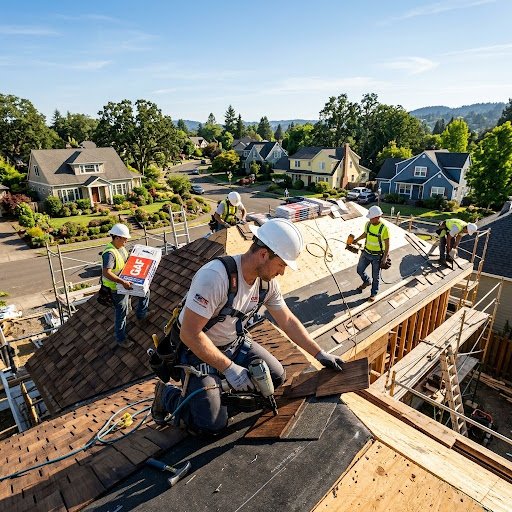
Your roof does more than block rain. It holds your home together—structurally, thermally, and financially. Yet most homeowners don’t think about it until something goes wrong. A missing shingle here, a small leak there, and suddenly what could have been a minor repair turns into a full-scale replacement project.
That’s the thing about roofing: the problems you ignore today rarely stay small. And when they grow, they grow fast. Water damage spreads through insulation and drywall. Structural rot sets in. Energy bills creep up as temperature regulation breaks down. What starts as a $300 fix can quietly balloon into a $15,000 nightmare.
The good news? It doesn’t have to go that way.
What Does a Roofing Service Actually Cover?
Roofing services go far beyond hammering shingles back into place. A professional roofing team handles everything from routine inspections and preventative maintenance to full roof replacements and emergency storm repairs.
Here’s a breakdown of what a comprehensive roofing service typically includes:
- Roof inspections: Identifying early-stage damage, weak points, and wear before they become serious issues
- Repairs: Fixing leaks, replacing damaged or missing shingles, resealing flashing around chimneys and vents
- Replacements: Removing old roofing material and installing a new system, including underlayment and weatherproofing layers
- Gutters and drainage: Ensuring water flows away from your home correctly to prevent pooling and foundation damage
- Storm damage assessment: Documenting and repairing damage caused by high winds, hail, or falling debris
Each of these services plays a role in keeping your home safe and your repair costs predictable.
Why Timely Roof Repairs Save You More Than Money
Delaying roofing work is one of the most expensive decisions a homeowner can make. And it’s not just the repair bill that grows.
A compromised roof affects your home’s insulation performance. When moisture seeps through gaps or damaged materials, it saturates insulation—and wet insulation loses most of its thermal resistance. The result? Your heating and cooling systems work overtime, and your utility bills reflect it.
Then there’s the resale value equation. Buyers and inspectors scrutinize roofs closely. A roof in poor condition can reduce your home’s appraised value significantly, or trigger a renegotiation that costs you far more than a timely repair ever would have.
Beyond finances, there’s a safety dimension that often goes unspoken. Structural damage from long-term water intrusion can weaken ceiling joists and rafters. In severe cases, this creates genuine safety hazards for the people living in the home.
A professional roofing service addresses all of these risks—before they compound.
How to Know When Your Roof Needs Professional Attention
Roofs don’t come with dashboard warning lights. But they do send signals, and knowing what to look for can save you from a costly surprise.
Warning signs to watch for on the exterior:
- Shingles that are curling, cracking, or missing entirely
- Dark streaks or moss growth on the roof surface
- Sagging sections, even subtle ones
- Granules from asphalt shingles are collecting in your gutters
- Flashing that’s lifted, rusted, or pulling away from surfaces
Warning signs inside your home:
- Water stains on ceilings or upper walls
- A musty smell in your attic
- Daylight visible through the roof boards
- Sudden spikes in heating or cooling costs with no other explanation
Spotting even one of these signs is a reason to call in a professional. Catching damage early is always cheaper than waiting.
What Sets a Quality Roofing Service Apart
Not all roofing companies deliver the same standard of work. The difference between a rushed job and a properly executed one becomes apparent within a few seasons—sometimes sooner.
A reputable roofing service will:
- Use quality materials: Manufacturer-grade shingles and waterproofing membranes that meet or exceed local building codes
- Provide transparent quotes: No vague estimates or hidden fees appearing after work begins
- Back their work with warranties: Both on materials and labor, so you’re protected if issues arise post-installation
- Communicate clearly: Keeping you informed throughout the project so you know exactly what’s happening on your property
- Clean up properly: Leaving your yard and property in the same condition they found it, minus the roofing problems
These aren’t extras. They’re the standard that any homeowner deserves when investing in their property.
The Long-Term Value of Choosing the Right Roofing Partner
A roof replacement or major repair is one of the larger home improvement investments you’ll make. The national average for a full roof replacement in the US sits between $8,000 and $22,000, depending on materials, square footage, and regional labor costs. That’s not a number to gamble on with an inexperienced contractor.
Choosing a roofing service with a proven track record means your investment is protected—not just by the roof itself, but by the expertise and accountability behind the work. A well-installed roof can last 25 to 50 years, depending on the material. A poorly installed one may need repairs or replacement within a decade.
Keystone Roofing works with a team that combines skilled craftsmanship, premium materials, and a commitment to long-term results, which means homeowners get a roof that performs reliably for decades while protecting everything beneath it.
This is the difference between a service and a solution. The right roofing partner doesn’t just fix what’s broken today—they help you avoid problems that would have shown up tomorrow.
Making the Most of Your Roof: Final Thoughts
Your roof is one of the hardest-working parts of your home. It faces the elements every single day—UV exposure, rain, wind, temperature extremes—and most of the time, it does its job without complaint.
Giving it the professional attention it deserves isn’t just about maintenance. It’s about protecting your investment, your comfort, and your home’s long-term value. Whether you’re dealing with visible damage, planning a proactive inspection, or considering a full replacement, connecting with a qualified roofing service is always the right move.
Don’t wait for the next rainstorm to find out what your roof has been hiding. Schedule an inspection today and get ahead of any issues before they have a chance to grow.
Frequently Asked Questions
How often should I have my roof inspected?
Most roofing professionals recommend an inspection at least once a year, ideally in spring or fall. Additional inspections are advisable after major storms or if you notice any warning signs like leaks or damaged shingles.
How long does a roof replacement typically take?
Most residential roof replacements are completed in one to three days, depending on the size of the home, the roofing material chosen, and weather conditions during installation.
What roofing material lasts the longest?
Metal roofing and slate are among the most durable options, with lifespans of 40 to 70+ years. Asphalt shingles—the most common choice—typically last 20 to 30 years with proper maintenance.
Will homeowners’ insurance cover roof damage?
It depends on the cause. Most standard policies cover sudden damage from storms or falling debris, but they typically exclude damage from gradual wear and neglect. Always check your specific policy and document any damage thoroughly before filing a claim.
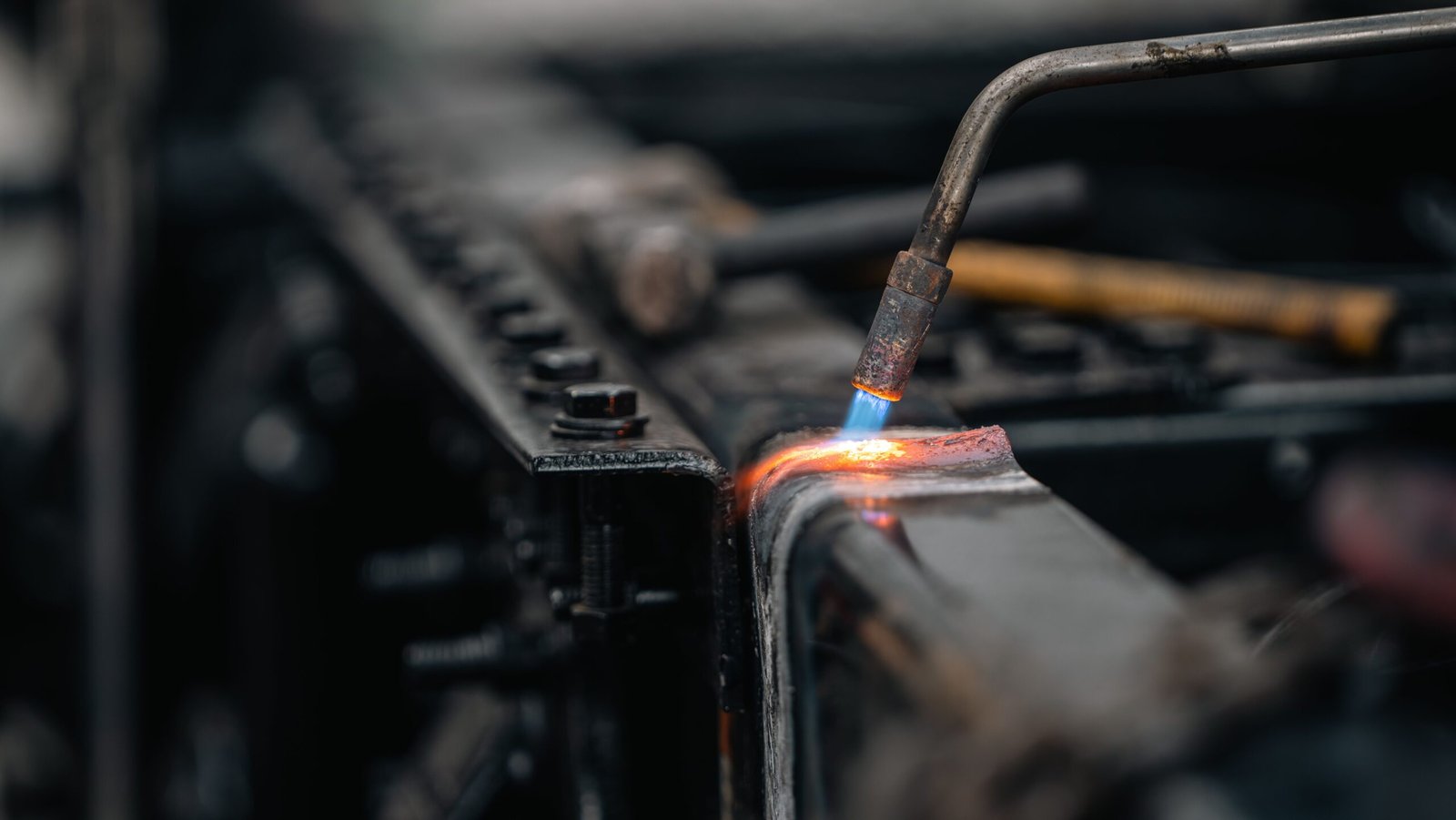
A furnace that’s struggling to keep up doesn’t always announce itself with a dramatic breakdown. More often, it quietly chips away at your comfort—one lukewarm room, one strange noise, one sky-high energy bill at a time. By the time most homeowners take action, the damage (and the bill) is already bigger than it needed to be.
At Nuvo HVAC, we see this story play out every winter. And here’s what we know for certain: the homeowners who stay ahead of furnace issues spend less, stress less, and stay warmer. This post breaks down what furnace repair actually involves, what warning signs to never ignore, and why acting fast is always the smarter move.
What Happens Inside a Furnace When Things Go Wrong
Your furnace is built from dozens of interconnected components—heat exchangers, igniters, blower motors, limit switches, and more. When one part starts to fail, the strain shifts to everything around it. A worn igniter forces repeated startup attempts. A clogged filter starves the system of airflow. A cracked heat exchanger leaks carbon monoxide into your home.
These aren’t isolated problems. They’re chain reactions. That’s why a furnace that’s “working fine” on the surface can still be running inefficiently, burning more fuel than necessary, and quietly heading toward a full failure.
Warning Signs That Your Furnace Needs Professional Attention
Catching a problem early is the difference between a straightforward repair and a full system replacement. Here are the signs that should prompt a call to a professional:
- Uneven heating across rooms: If some areas of your home are noticeably cooler than others, your furnace may be struggling to distribute heat effectively.
- Unusual noises: Banging, rattling, squealing, or rumbling sounds are never normal. Each noise pattern typically points to a specific mechanical issue.
- Short cycling: A furnace that turns on and off repeatedly in short bursts is overheating or experiencing a sensor malfunction.
- Rising energy bills: A sudden spike in heating costs, without a change in usage, usually signals that your furnace is working harder than it should.
- Yellow or flickering pilot light: A healthy furnace flame burns blue. Yellow or orange flames may indicate a combustion issue.
- Frequent thermostat adjustments: Constantly nudging the thermostat to maintain comfort suggests the furnace isn’t meeting demand.
Any one of these signs deserves attention. Multiple signs together? That’s an urgent call.
What a Professional Furnace Repair Service Actually Covers
There’s a common misconception that furnace repair is just about fixing whatever broke. In reality, a quality repair service involves a thorough diagnostic process—not just a patch job.
When Nuvo HVAC technicians arrive for a repair, they don’t just address the visible symptom. They inspect the entire system: airflow, combustion quality, electrical connections, safety controls, and mechanical components. The goal is to identify not only what failed, but why—and what else might be at risk.
Common Repairs Handled by Nuvo HVAC
Igniter and flame sensor replacement — Two of the most common causes of a furnace that won’t start. Both are straightforward repairs when caught early.
Blower motor repair or replacement — The blower motor circulates heated air through your home. When it underperforms, your whole system suffers.
Heat exchanger inspection and repair — A cracked heat exchanger is a safety emergency. Carbon monoxide can leak into your living space without any visible signs. This is not a repair to delay.
Limit switch and control board diagnostics — These components regulate how your furnace operates. Faults here can cause erratic behavior, short cycling, or complete shutdown.
Duct and airflow corrections — Sometimes the furnace itself is fine, but the delivery system is compromised. Nuvo HVAC checks both.
Why Fast Action on Furnace Repair Protects More Than Your Comfort
Delaying a repair doesn’t just mean a colder home. It creates a cascade of consequences that compound over time.
First, there’s an efficiency loss. A furnace straining against a mechanical problem consumes significantly more energy to produce the same amount of heat. Every day of delay adds to your utility bill.
Second, there’s component wear. When one part fails, neighboring components absorb extra stress. A repair that costs a few hundred dollars today can easily become a $1,500+ replacement job in a few months.
Third—and most critically—there’s safety. Furnaces that aren’t functioning correctly can pose real risks, from carbon monoxide exposure to fire hazards. These are not hypothetical concerns. They’re documented outcomes of neglected systems.
How Nuvo HVAC Makes Furnace Repair Easier for Homeowners
Nuvo HVAC was built around a straightforward idea: homeowners deserve honest, expert service without the runaround. Every technician on the Nuvo team is trained to diagnose accurately, communicate clearly, and repair effectively—on the first visit, wherever possible.
Furnace repair from a team that genuinely understands the urgency of a heating problem means you get a transparent assessment, a fair quote, and work completed by someone who treats your home with the same care they’d give their own—so you’re never left in the cold wondering what was done or why.
Beyond the repair itself, Nuvo HVAC offers guidance on keeping your system running well between service visits—filter replacement schedules, thermostat settings, and early warning habits that can extend the life of your equipment significantly.
Don’t Wait for a Full Breakdown to Make the Call
Furnaces rarely fail on a convenient Tuesday afternoon. They break down on the coldest night of the year, on a holiday weekend, when the last thing you want is an emergency service call.
The best protection against that scenario is simple: take the warning signs seriously before they escalate. A furnace that’s showing symptoms today is a furnace that can be repaired efficiently and affordably—with the right team on the job.
Nuvo HVAC is ready to help. Whether you’re hearing an unfamiliar noise, dealing with uneven heating, or just due for a professional inspection, reach out to the Nuvo HVAC team and get your furnace back in shape before winter demands the most from it.

Why Your Roof Deserves Better Than “Good Enough”

The Smart Investment Hiding Right Above Your Head

The Real Cost of Ignoring Furnace Repair

The Smart Way to Protect Your Home Starts on Top

Your Roof Is Telling You Something—Are You Listening?

Who Is Indiana Urban? Inside the Life of Karl Urban’s Son and Rising Actor

Jennifer Seyfried: All About Amanda Seyfried’s Sister, Her Life and Career

Who Is Zachary Hudson? Inside the Private Life of Cindy Williams’ Son

Cynthia Womack Biography: The Life, Career, and Legacy of Connie Britton’s Twin Sister

Who Is Stephen G. Walker? All About PinkPantheress’ Father and His Academic Career
Who Is Indiana Urban? Inside the Life of Karl Urban’s Son and Rising Actor
Jennifer Seyfried: All About Amanda Seyfried’s Sister, Her Life and Career
Who Is Zachary Hudson? Inside the Private Life of Cindy Williams’ Son
Cynthia Womack Biography: The Life, Career, and Legacy of Connie Britton’s Twin Sister
Who Is Stephen G. Walker? All About PinkPantheress’ Father and His Academic Career
-
Biography4 months ago
Who Is Indiana Urban? Inside the Life of Karl Urban’s Son and Rising Actor
-
Biography4 months ago
Jennifer Seyfried: All About Amanda Seyfried’s Sister, Her Life and Career
-
Biography3 months ago
Who Is Zachary Hudson? Inside the Private Life of Cindy Williams’ Son
-
Biography4 months ago
Cynthia Womack Biography: The Life, Career, and Legacy of Connie Britton’s Twin Sister
-
 Biography2 months ago
Who Is Stephen G. Walker? All About PinkPantheress’ Father and His Academic Career
-
 Biography4 months ago
Who Is Miley Crews? Inside the Life of Naomi Burton-Crews’ Daughter and Terry Crews’ Granddaughter
-

 Biography3 months ago
Who Is Tauã Baccarin? All You Need to Know About Morena Baccarin’s Family Life
-
 Biography4 months ago
Who Was Gretchen Knauff? The Private Life of Jennifer Coolidge’s Mother